
Elbrus at a glance
- Elevation
- 5,642 m / 18,510 ft
- Summit of
- Europe
- Location
- Russia
- First ascent
- 1874 (west)
- Main routes
- 2
- Season
- Jun–Sep
- Trip length
- 8–10 days
- Typical cost
- from ~$4,000
Not technical, but high, cold and prone to sudden whiteouts.
Mount Elbrus (5,642 m18,510 ft) in the Caucasus is the highest in Europe. Lifts shorten the lower mountain, but summit day is long and fully exposed to the weather.
What Elbrus costs
- With a guided expedition
$2,900–$5,900 for the middle half of the 10 trips we researched.
The full range is $1,995–$7,950.
17 more are priced in other currencies and are not included here.
Each company’s own price, in the currency it quotes, read from its website. Prices change, so check with the company.
- Usually extra
- Snowcat ride (extra at 16 of the 26 companies that say)
- Organising it yourself
About $500–$1,000 on the mountain.
There is no climbing fee: the lift, a bed in the huts and an optional snowcat. Add the Russian visa and the flight to Mineralnye Vody.
Our estimate. International flights, gear and insurance are extra.
- Permits and fees
Climbing guide
Table of ContentsThe full contents of the Elbrus guide, linked page by page.Climbing Mount Elbrus: OverviewA dormant volcano on the crest of the Caucasus, crowned by two summits: the West stands just 21 metres higher than the East. Cable cars and snowcats serve the busy south side; the north side has no lifts, few people and a sauna at base camp.Elbrus: Permits & costsThe Prielbrusye National Park fee, whether you need a border-zone permit (usually not, for the south route), and registering with mountain rescue.Introduction: the 7 summitsElbrus is the highest mountain in Europe and one of the 7 summits, an accessible, non-technical volcano that is still high, cold and dangerous enough to kill.Planning and preparationEverything to sort out before you go: the war's practical effects, choosing a route and operator, the mountain's infrastructure, altitude, health, fitness and gear.Background informationThe mountain behind the climb: a twin-coned volcano in the Caucasus, its two summits, its history, and the wildlife of the valleys below it.The South (Normal) routeThe standard Elbrus: up the Baksan valley from Azau, cable car and chairlift to the Barrels huts, acclimatize to the Pastukhov Rocks, and summit day across the saddle to the West top.The North routeThe wild, quiet side: no lifts, far fewer people, comfortable base-camp huts (and a sauna) on Emanuel Glade, everything climbed on foot, finishing on the East summit at 5,621 m.Russia and the CaucasusThe practical side of climbing in Russia: getting to the mountain, Moscow as a gateway, border-zone permits and registration, the local Caucasus cultures, and a Russian wordlist.ReferenceHow this guide was put together, the sources behind it, and a linked A–Z index of everything it covers.Books & filmsThe guidebooks, expedition accounts and films worth your time before Elbrus.Elbrus expedition operatorsEvery company that sells a guided climb of Elbrus: who guides it, what it costs, and how long each has been in business.
Read before you go
Staff Pick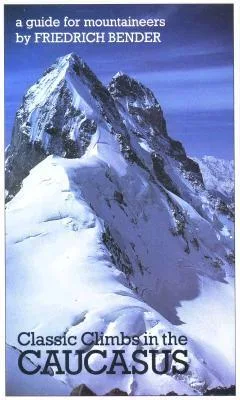 Classic Climbs in the Caucasus: 80 Selected Climbs in the Elbrus and Bezingi Regions of the Svanetian RangeFriedrich Bender · 1992
Staff Pick Five Big Mountains: A Regular Guy's Guide to Climbing Orizaba, Elbrus, Kilimanjaro, Aconcagua, and VinsonDavid N. Schaeffer · 2010