









The Prielbrusye National Park administration is considering raising the charge for climbing Elbrus from 200 roubles per person to 30,000 roubles, a 150-fold increase. The park ties the proposal to rescue costs, waste removal and monitoring on the south slope, where about 10,000 people a year attempt the mountain. No final figure has been announced, and the decision sits with federal ministries and the authorities of Kabardino-Balkaria.
The administration of the Prielbrusye National Park is weighing a much higher charge for climbing Elbrus. The figure under discussion is 30,000 roubles per person, against 200 roubles now. That is a 150-fold rise, and no final decision has been announced.
Reports first appeared at the end of June, attributed to sources inside regional bodies, and later in statements from park representatives, according to Versia. The proposal is part of a wider reform of the permit system for high mountain routes. That reform is overseen by the Russian emergencies ministry, MChS, together with the Ministry of Natural Resources.
What the money is said to cover
The park's press service gives three uses for the higher fee: upkeep of climbing infrastructure, the collection and removal of waste, and the running of monitoring and safety systems. Elbrus carries a volume of foot traffic that leaves a bill behind it, and the park's case is that 200 roubles does not meet that bill.
The safety figure quoted alongside it is a rescue count. In the first half of 2025, MChS units and volunteers carried out more than 70 evacuations of tourists who got into trouble in the summit area. A significant share of those incidents is linked by the ministry to people who went onto the route without registering and without a guide.
Ten thousand people a year on the south side
The regional branch of the Russian Mountaineering Federation estimates that around 10,000 people a year choose the south slope route. More than half of them have no mountaineering training at all. For many it is the first climb of their lives.
Artur Enalov, an instructor with the federation, makes the point that Elbrus is treated as a tourist summit while it is a serious high-altitude objective. The mountain stands above 5,600 metres. Without proper acclimatization, and without navigation and communication skills, the chance of an emergency is high. He attributes most emergency calls to independent visitors who underestimate the conditions.
That description matches what the mountain actually asks of people. The south route is not technically hard, and that is exactly why it catches beginners out. The weather changes fast above the cable car line, and the slope looks the same in every direction when cloud comes in. Acclimatization is the part most first-timers get wrong, and the basics are in our FAQ. The route itself is described on our Elbrus guide.
The argument on both sides
The proposal has split opinion in the Russian climbing community. Supporters say a real fee would bring order to the mountain, make participants take registration seriously, and fund the infrastructure that rescues depend on. Opponents say a charge at that level puts Elbrus out of reach for individual climbers, and pushes people into climbing without registering at all.
7summits.com thinks the second objection is the one that deserves the most attention. The rescue numbers quoted by the park are about people who were not registered and not accompanied. A fee 150 times higher is a strong reason not to register. If the money arrives but the registration rate drops, the park gets a bigger budget and the same problem. A tiered structure, or a fee folded into a guided permit, would reach the same climbers without that effect. We could be wrong about how Russian climbers would respond, and nobody has published a model of it.
For anyone booking through an agency, the practical effect is smaller than the headline. A group permit is bought by the operator, and the climber meets it as a line inside the trip price. The people who would feel 30,000 roubles directly are the ones walking up on their own. Our operators page lists companies working on Elbrus, and the fee question is worth asking in writing before paying a deposit.
Who actually decides
The Ministry of Natural Resources says the question needs agreement with industry representatives, with the mountaineering federations, and with the executive authorities of Kabardino-Balkaria. The republic runs the territory the park sits in, so its position matters as much as the federal one.
The timeline given in the reporting was that discussion of the tariffs and of the access system would be finished by autumn 2025. The charge on the books at the time of the report was still 200 roubles per person. The number to watch is the one that appears in a published park tariff, with a date it takes effect.
What it changes for a 7 summits plan
Elbrus has long been the cheapest of the 7 summits to get to the top of, and that is part of why so many people start there. A fee change of this size would not alter that ranking by itself. Flights, transfers, a guide and the time off work are still the larger numbers on the page.
What it would change is the texture of the mountain. A registration system with real money attached, properly enforced, gives the park a list of who is on the slope and when they were due back. That is useful on a mountain where the rescue load runs to dozens of operations in half a year. It also raises the bar for the solo visitor who turns up with a rented axe and a weather app, which is the group the instructors keep pointing at.
Climbers with Elbrus booked for 2027 should treat the fee as an open item rather than a fixed one, and ask what their agency will do if a new tariff lands between the deposit and the departure. Russian park charges have historically been a rounding error on an Elbrus budget. If this goes through at the figure discussed, they stop being one.
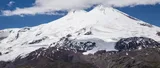
Header photograph: Elbrus from Cheget.jpg by Dmitry A. Mottl, CC BY-SA 4.0 (licence), via Wikimedia Commons.