








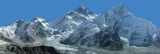

Nepal is preparing legislation that would require prior high-altitude climbing experience before an Everest permit is issued, according to Tempo.co English, citing ANTARA. Lawmakers are still discussing how many climbs above 7,000 and 8,000 metres would count. The same report sets out the current royalty for foreign climbers on the standard route at US$15,000 in spring, with lower figures in the other seasons.
Nepal is working on a law that would make prior high-altitude climbing experience a condition of an Everest permit. Rajendra Lama, general secretary of the Nepal Mountaineering Association, said the details of the bill are being finalized, in a report published by Tempo.co English citing the Indonesian news agency ANTARA. The stated purpose is to keep climbers without high-altitude experience off the mountain.
The number is the part still being argued. According to the same report, Nepalese lawmakers are debating how many previous climbs of peaks above 7,000 metres and above 8,000 metres a climber would need before a permit could be issued. Until the text is published, the threshold that ends up in law may differ from the figures under discussion.
What is on the table
Three elements appear in the report, and they sit at different levels of firmness.
- A requirement for prior high-altitude experience, described as one of the most significant new measures, with the qualifying count not yet settled.
- A strong recommendation from the association that climbers hold comprehensive insurance covering high-altitude climbing, emergency helicopter evacuation and repatriation to their home country.
- A revised royalty structure for foreign climbers, which the report says is already in force.
The insurance point is a recommendation in the report rather than a clause of the draft law. It is worth reading carefully anyway, because the three cover types listed are exactly the ones that ordinary travel policies tend to exclude. Helicopter evacuation and repatriation are separate lines on a policy, and each has its own ceiling.
The permit fees
The figures quoted by Lama are for foreign climbers on the standard route:
- US$15,000 for the spring season, March to May.
- US$7,500 for the autumn season, September to November.
- US$3,750 for the winter and summer seasons.
The spring figure has risen from US$11,000. The report says the new fee system is in effect and is being applied during the current climbing season. Everything above is the royalty paid to the government for the permit. It is one line in a budget that also carries the operator's fee, oxygen, staff wages, insurance and travel, and on a guided Everest expedition it is far from the largest line. Our operators page lists companies by peak for anyone comparing what that fee buys.
When it might apply
The report cites the mountaineering publication ExplorersWeb to the effect that the new rules are unlikely to be in place in time for the spring 2027 season. That is the only timing guidance given, and it is a forecast rather than a date. A bill whose central number is still under discussion is not close to being applied at a permit desk.
For anyone with an Everest plan already booked, the practical position is that the fees have changed and the experience rule has not yet arrived. The gap between those two facts is where the useful reading is. Fee changes take effect by notification; an experience requirement needs a definition, a document trail and someone in Kathmandu willing to judge whether a particular summit certificate counts.
What it would mean for a 7 summits plan
This is where the rule touches the readers of this site most directly. No peak among the 7 summits reaches 7,000 metres. Everest is the high point of the list by a wide margin, and the second highest sits below the 7,000 metre line. If the law is written around climbs above 7,000 and 8,000 metres, then completing the rest of the list would not by itself satisfy it. A qualifying climb would have to come from outside the seven.
That is not an exotic requirement in practice. Plenty of climbers already put an 8,000 metre peak before Everest, and many operators encourage it. It does change the order in which a 7 summits plan gets built, because the qualifying peak becomes a dated prerequisite rather than a matter of preference. Anyone mapping out a sequence can start from the 7 summits challenge and treat the Nepal requirement as an extra step attached to one peak on the list.
We think an experience requirement is a reasonable instrument, and that the number chosen matters more than the principle. A rule that counts one previous 8,000 metre summit and a rule that counts three describe completely different populations of climbers. The first is close to current practice among well-prepared clients. The second would reshape who arrives in Base Camp, and would push demand onto the permit systems of neighbouring peaks. Which of those Nepal writes into law is still open, so it is too early to say what the effect on the mountain will be.
One thing the draft does not address, on the evidence of this report, is acclimatization. Experience above 7,000 metres tells a permit officer that a climber has been high before. It does not tell anyone how that climber's body behaved up there, and altitude illness does not respect a résumé. The short version of that argument, with the symptoms and the descent rule, is in our FAQ.
For the record
The verifiable content of the report is narrow, and worth restating plainly. An official of the Nepal Mountaineering Association has said a bill is being finalized. That bill would require prior high-altitude experience for an Everest permit. The qualifying number of climbs above 7,000 and 8,000 metres is under discussion by lawmakers. A revised royalty schedule is in force, with US$15,000 for foreign climbers on the standard route in spring. And the rules are unlikely to apply to spring 2027, according to ExplorersWeb as cited in the report.
Route detail, season windows and the practical shape of an attempt are collected in our Everest guide, which we update as conditions and regulations change. When the bill text appears, the number in it is the thing to read first.