








The full Aconcagua gear list, item by item.
Written from the kit lists expedition operators and climbers use today. Standard is what you need; optional is what some climbers add. No quantities: how many is yours to decide.
Sign in to tick what you already own. · Every item, explained
Standard
| Clothing | |
|---|---|
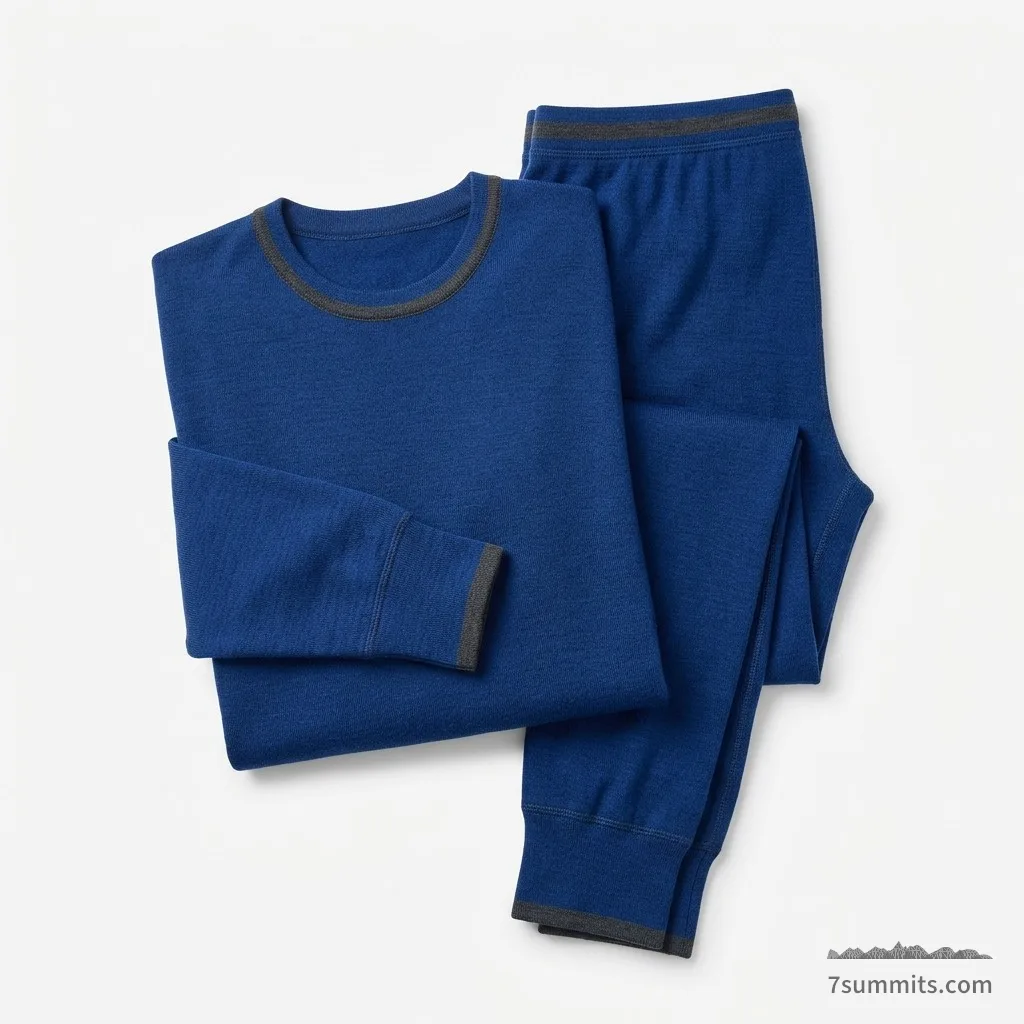 Base layers (top and bottom) | Merino or synthetic top and bottom, never cotton; a light and a heavier set |
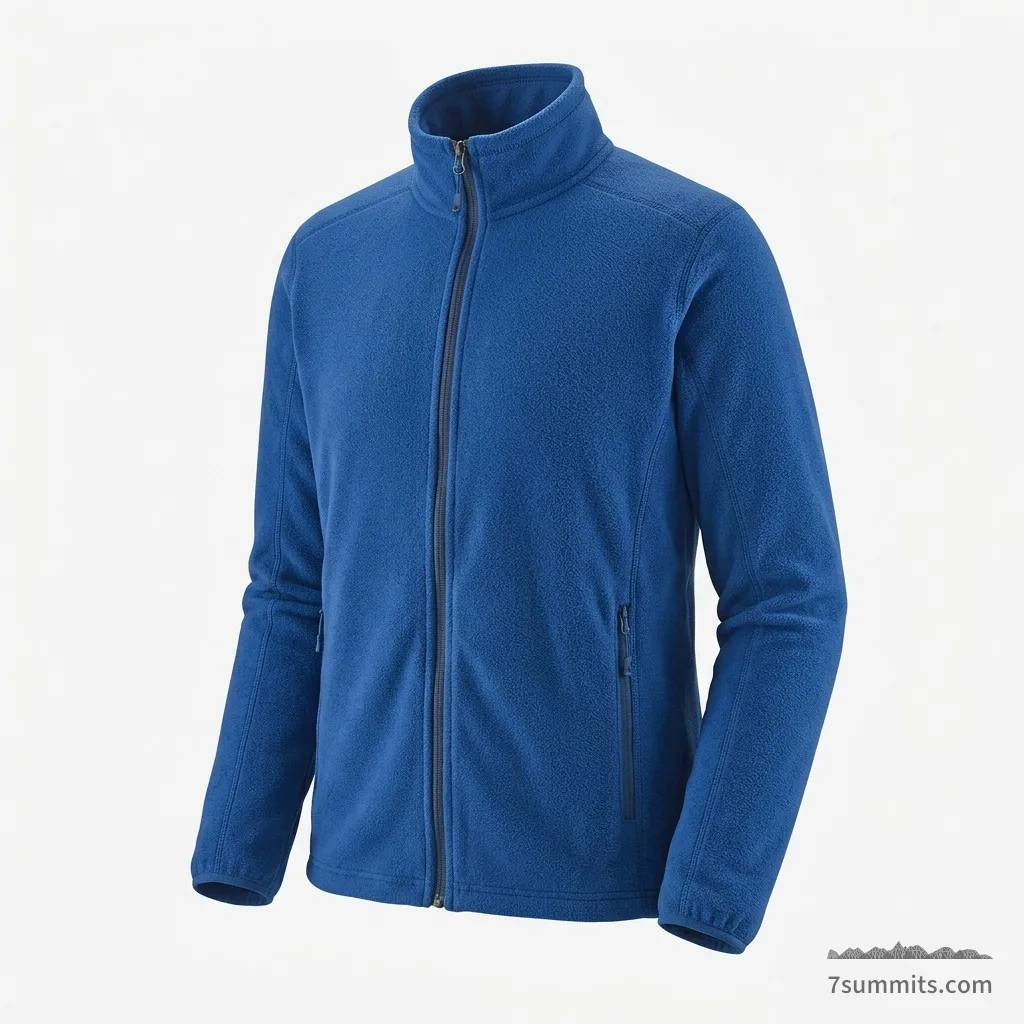 Mid-layers (fleece or light insulated top) | Fleece or a light synthetic jacket (a vest works too) to layer under the shells |
| Mid-layer trousers (softshell or fleece) | Softshell or fleece trousers for the carries between camps |
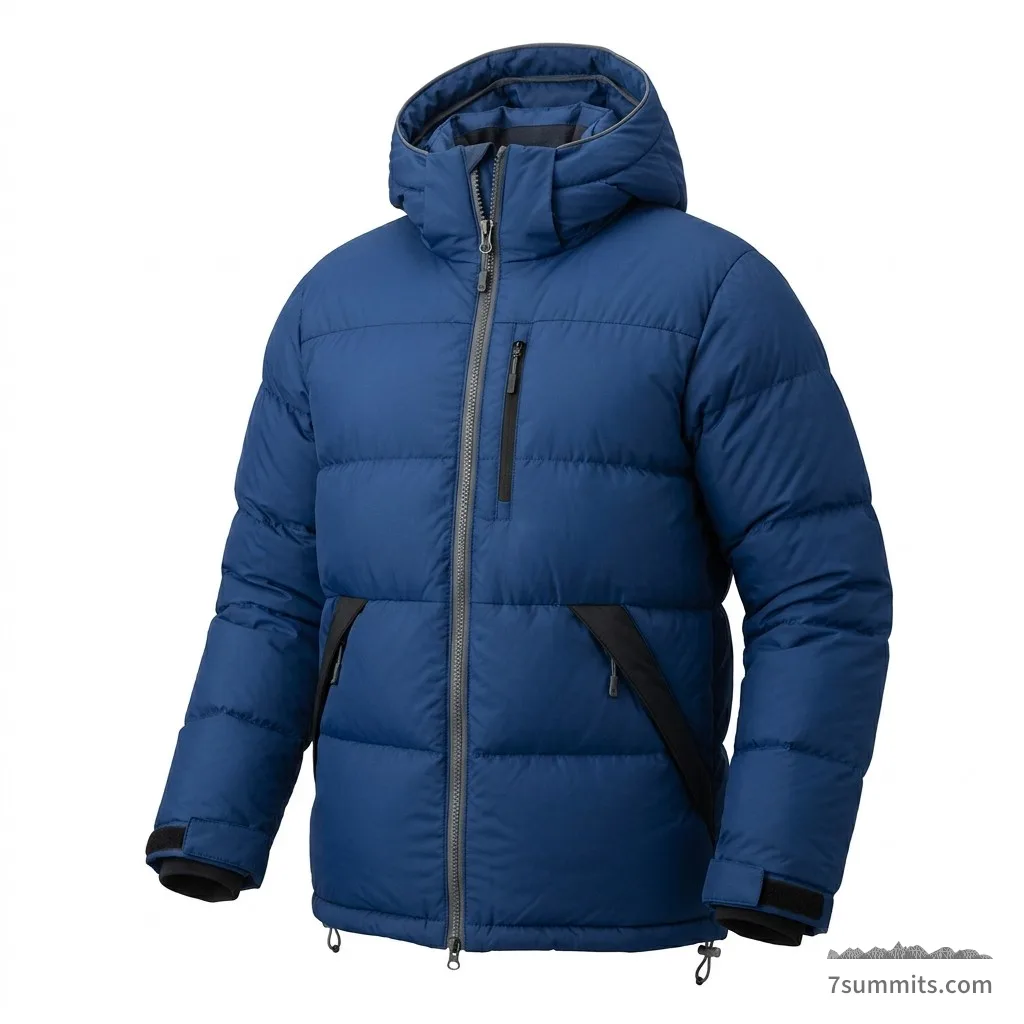 Insulated jacket (down or synthetic) | Hooded expedition down parka, 700 to 800 fill or more, big enough to go over every other layer: on Aconcagua it does the job of the down suit |
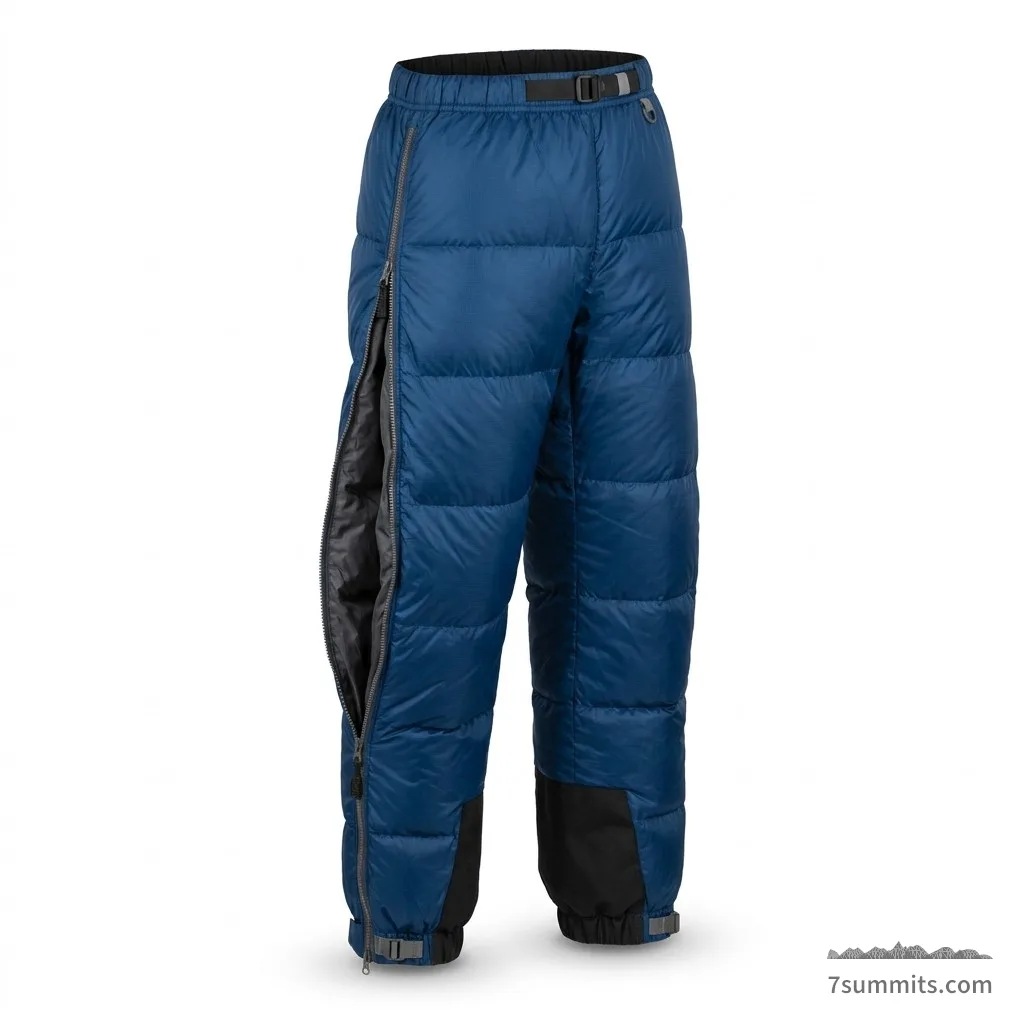 Insulated trousers or bibs | Down or synthetic trousers with full-length side zips, for the high camps and summit day |
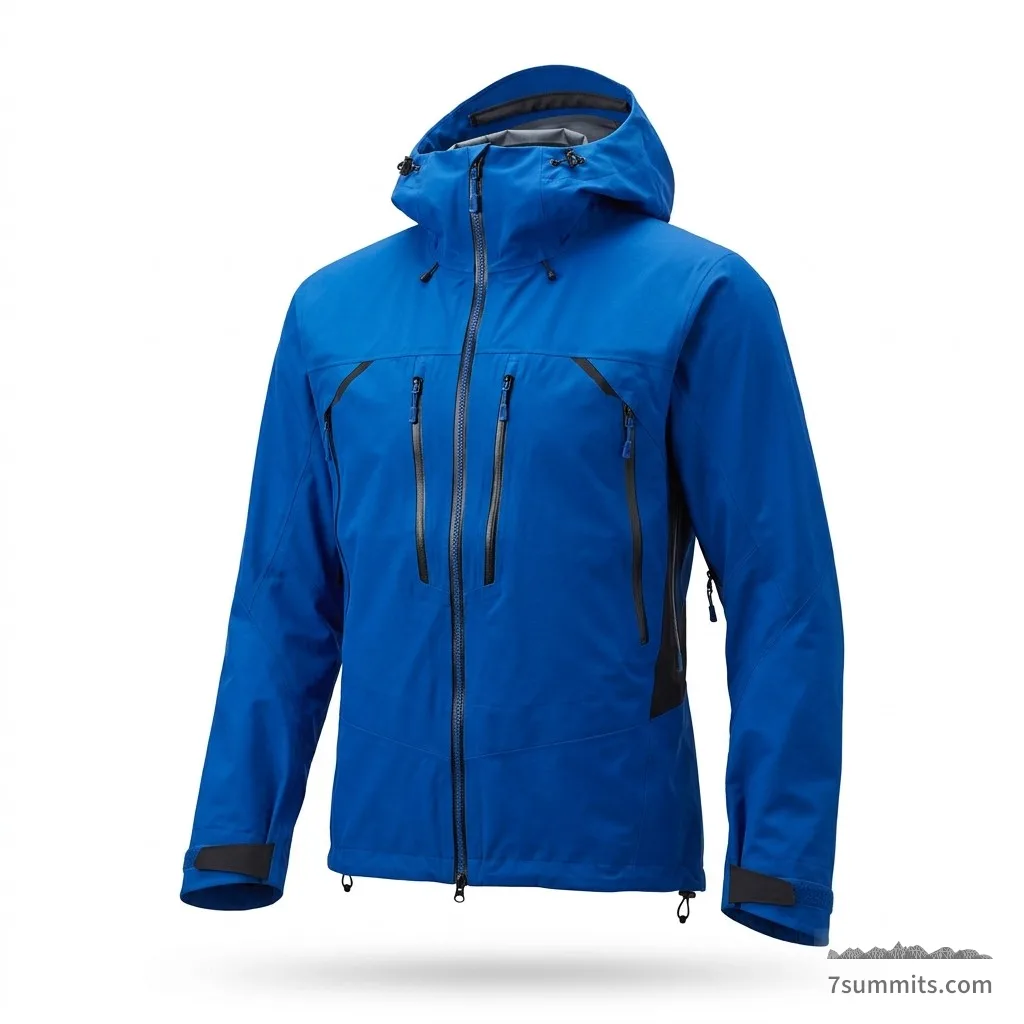 Hardshell jacket | Windproof and waterproof, with a hood that fits over the helmet; rain is rare, wind is not |
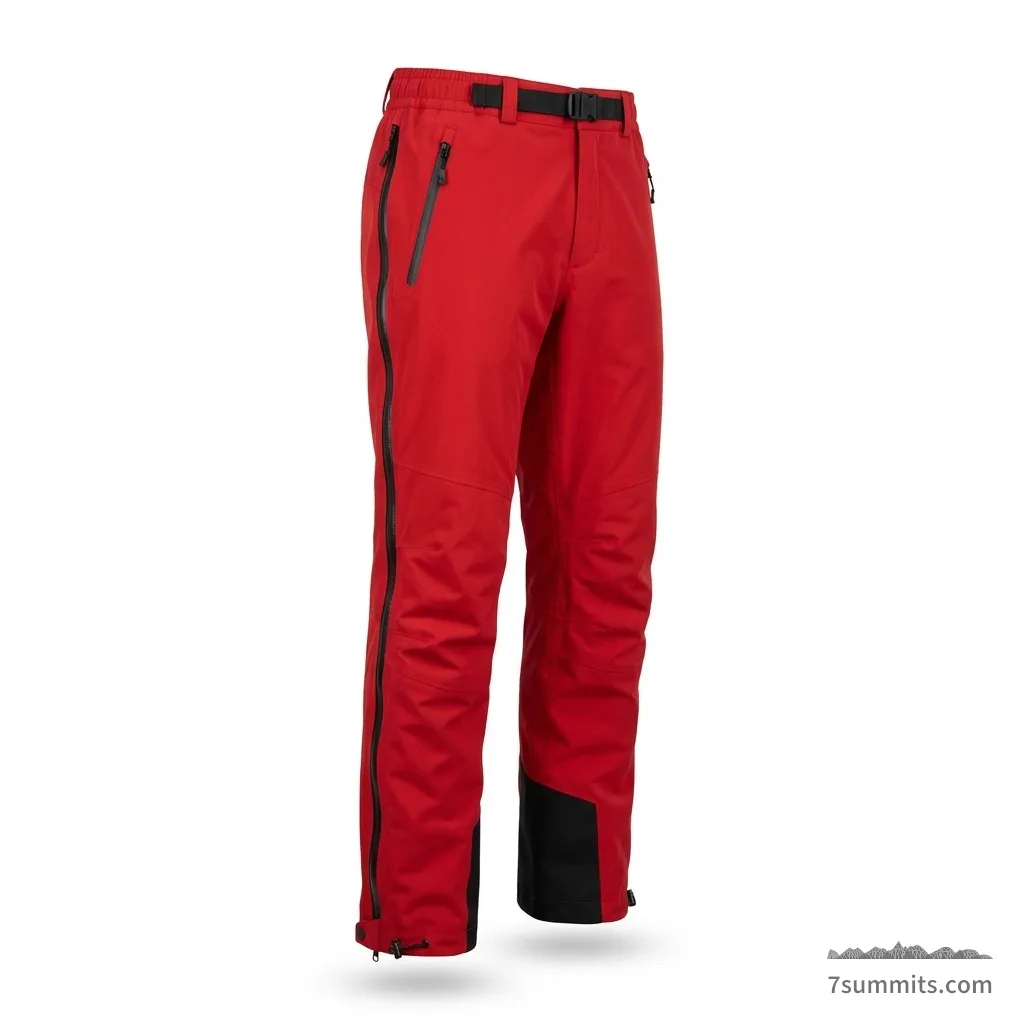 Hardshell trousers | Windproof and waterproof, full-length side zips so they go on over boots and crampons |
| Trekking trousers | Light trekking trousers for the walk in and base-camp days; shorts for the hot valleys |
| Underwear | Merino or synthetic, never cotton |
| Town and base-camp clothes | Clean clothes for Mendoza; they stay in the hotel bag |
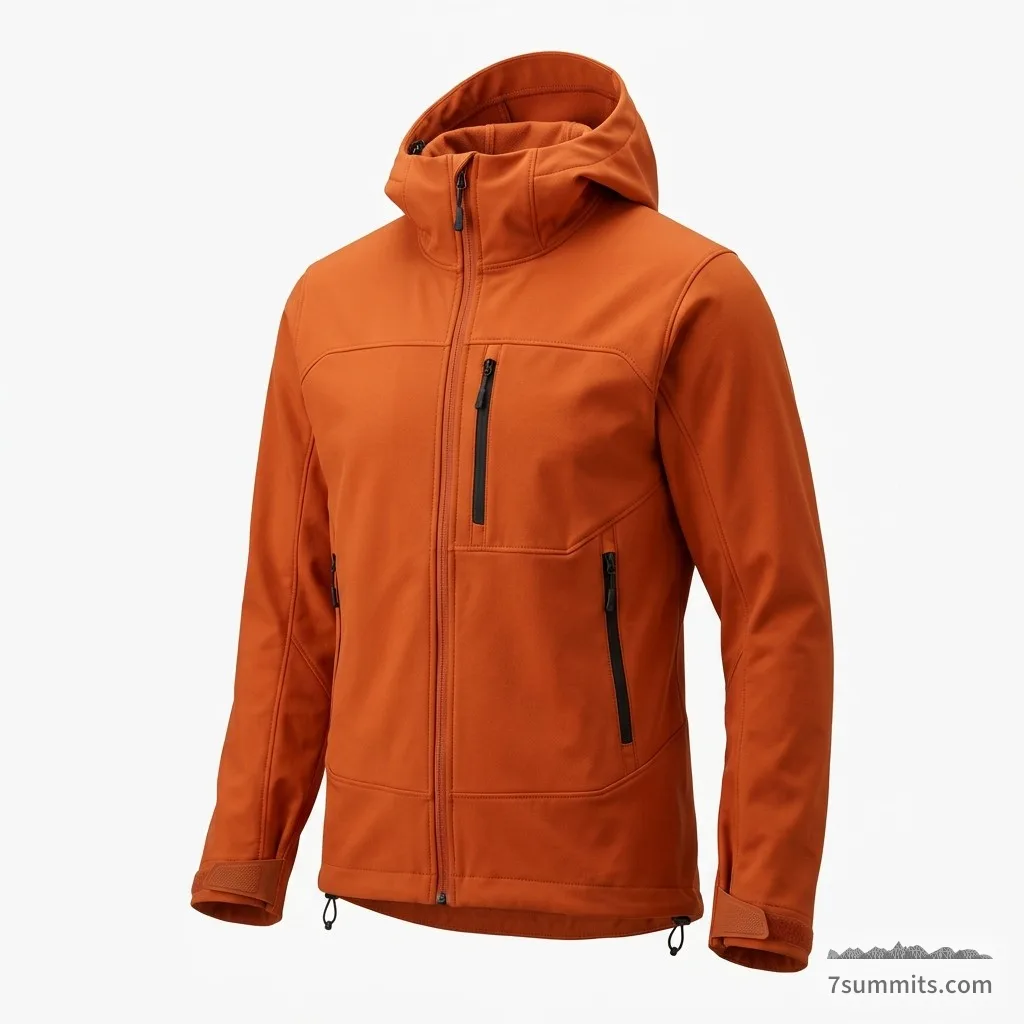 Softshell jacket | A windproof softshell for the trek in and windy days lower down |
| Head, hands & feet | |
|---|---|
| Mountaineering boots | Double boots (6000 m class): a modern synthetic double, a plastic double, or an 8000 m all-in-one if you run cold; single boots are not enough, you carry it |
| Trekking boots or trail shoes | Trek in: trekking boots or trail shoes you have worn in; the approach is two or three days on a dusty, rocky trail, stays in base camp |
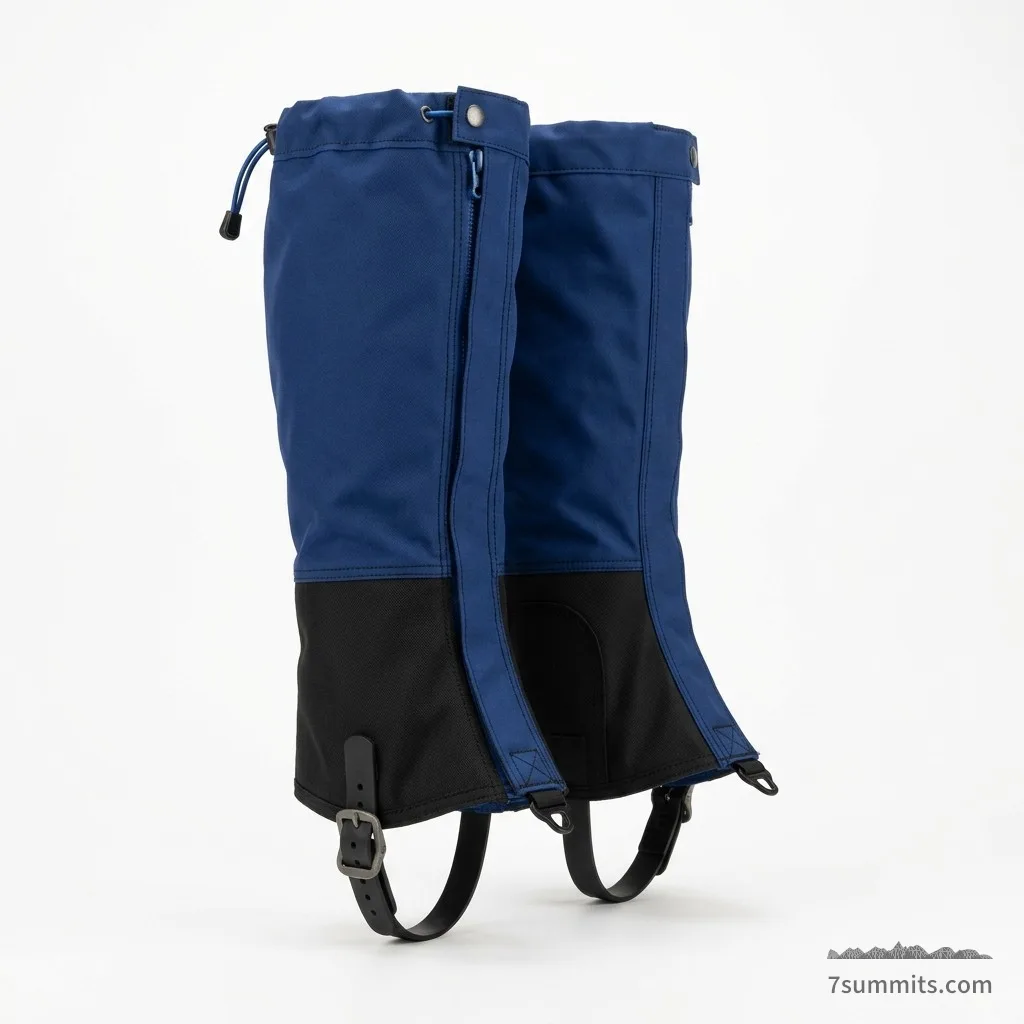 Gaiters | Short gaiters keep scree and dust out of the boots on the trek in; not needed with a boot that has one built in |
| Warm socks | Heavy wool or synthetic mountaineering socks; one pair kept dry for summit day |
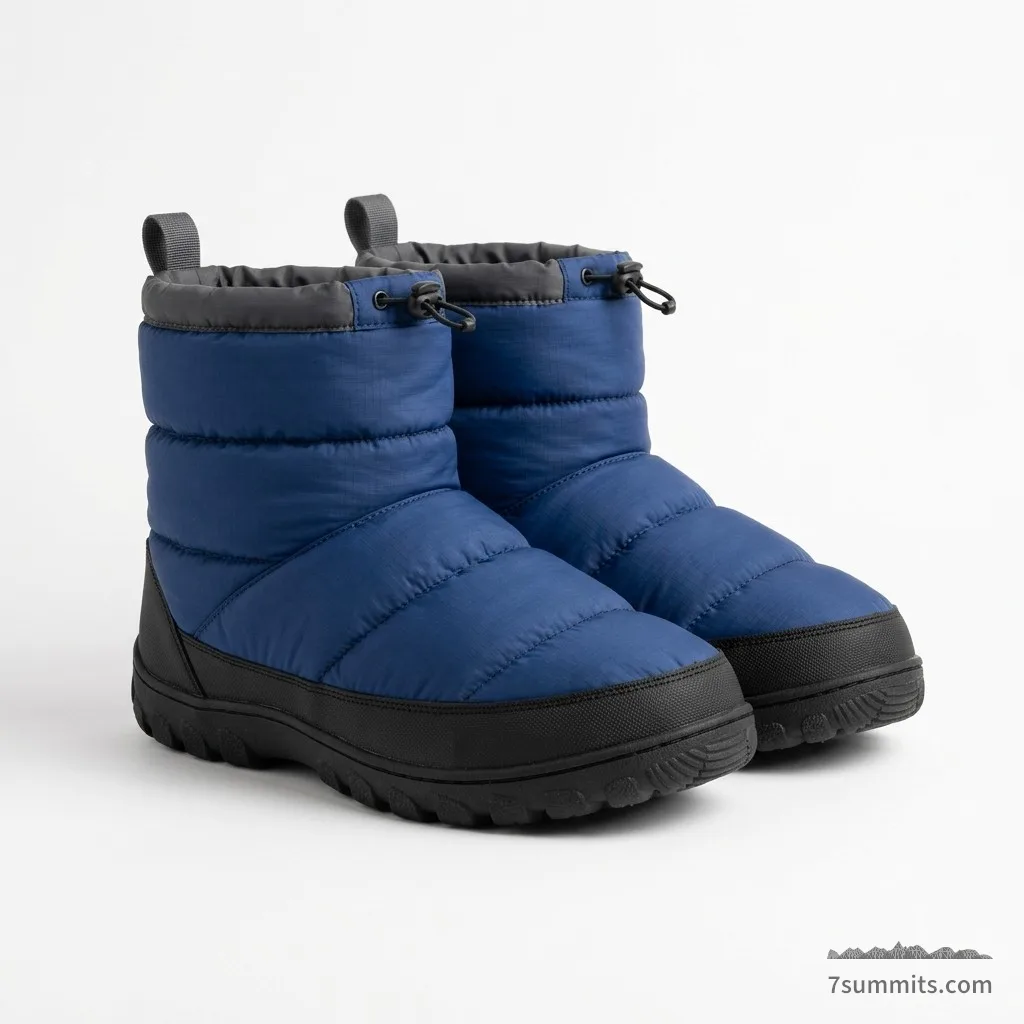 Camp shoes | Base camp: trainers or sandals · high camps: down booties for the tent |
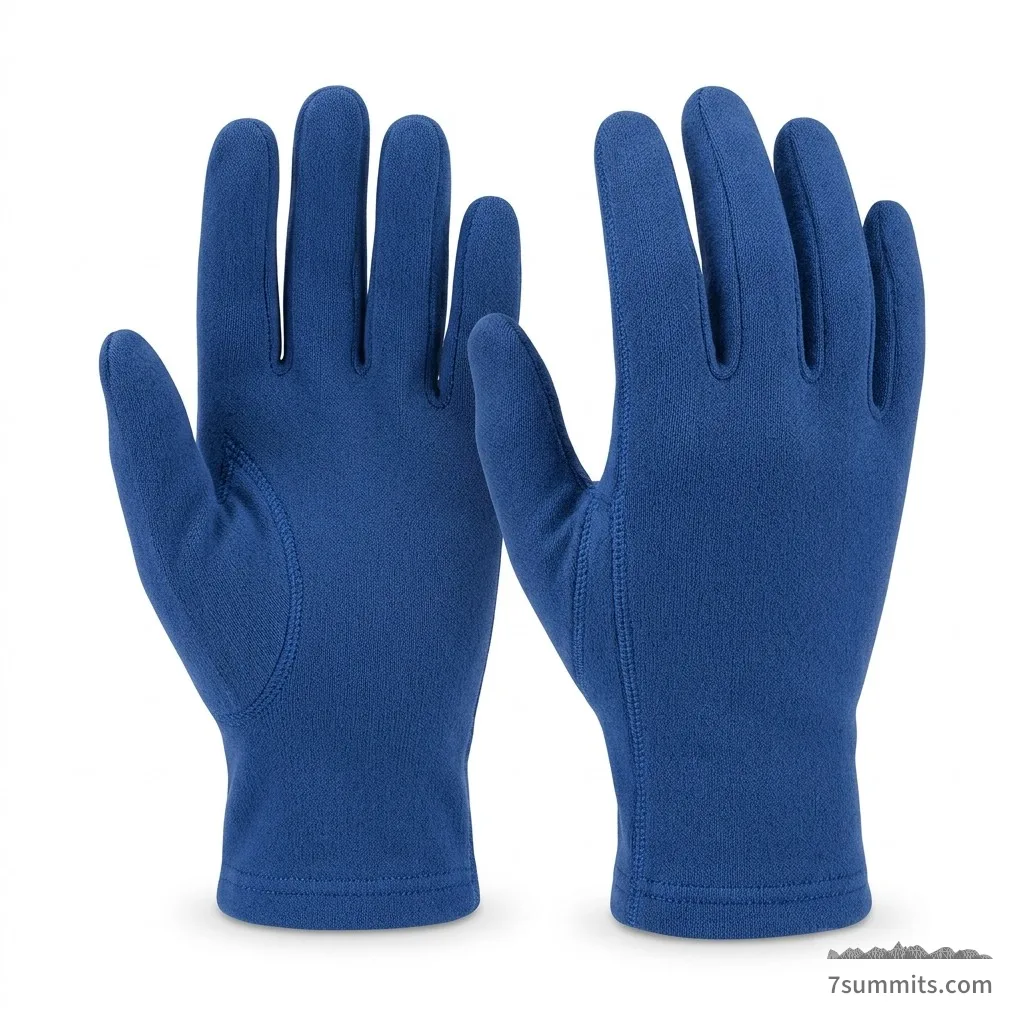 Liner gloves | Thin gloves you can work in; take a spare pair |
| Warm gloves | Insulated gloves for the carries and the high camps |
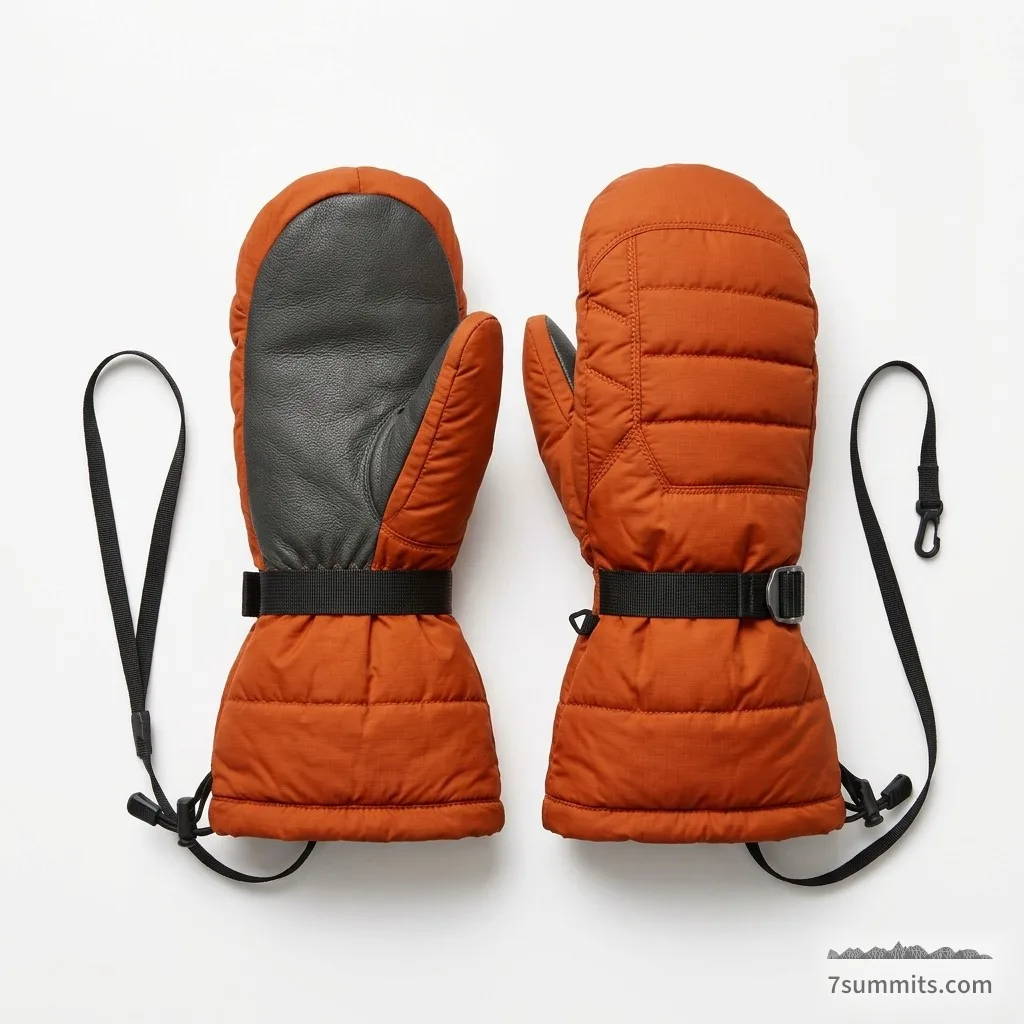 Expedition mitts | Summit day: down or synthetic expedition mitts, big enough to go over the liners, you carry it |
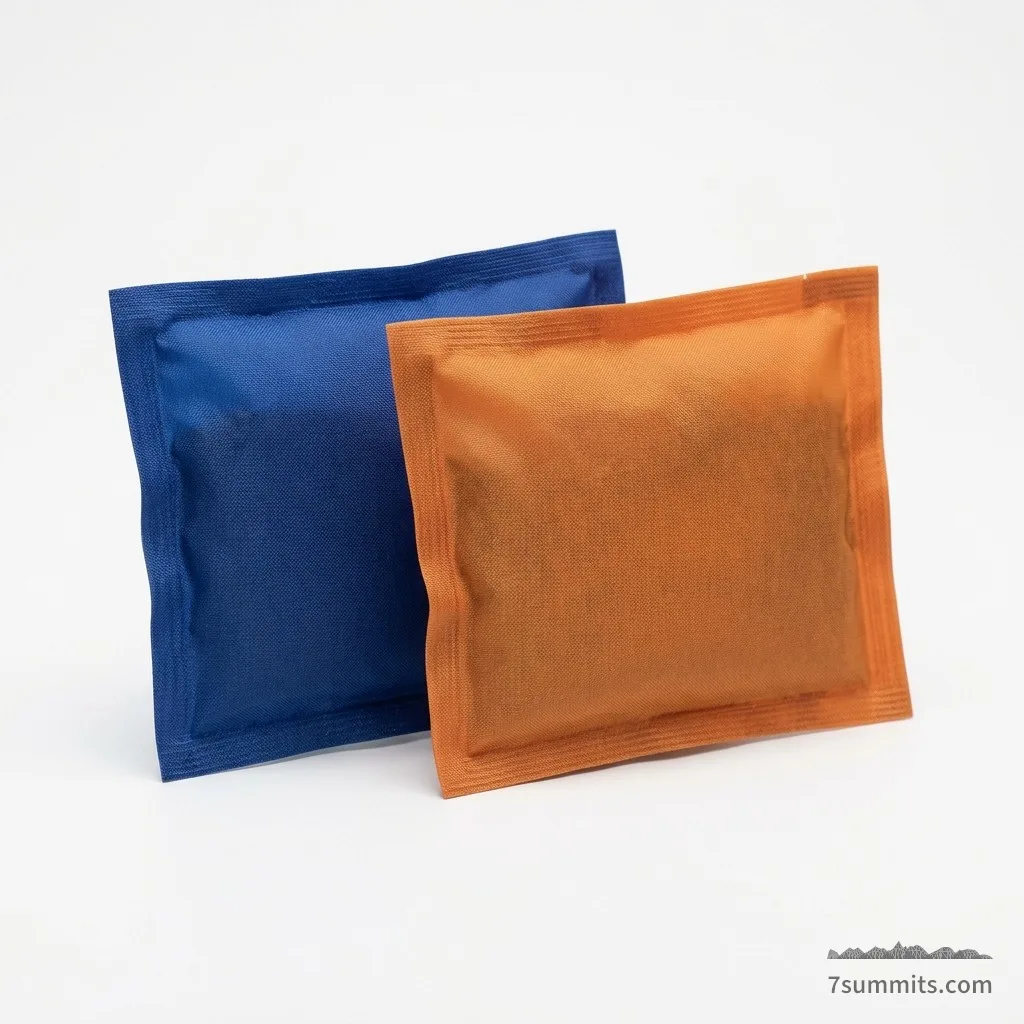 Chemical hand warmers | Chemical warmers for summit day, in the mitts and the boots |
| Warm hat | Warm hat that fits under the helmet |
| Sun hat | Sun hat with a brim or neck flap for the trek in and base camp |
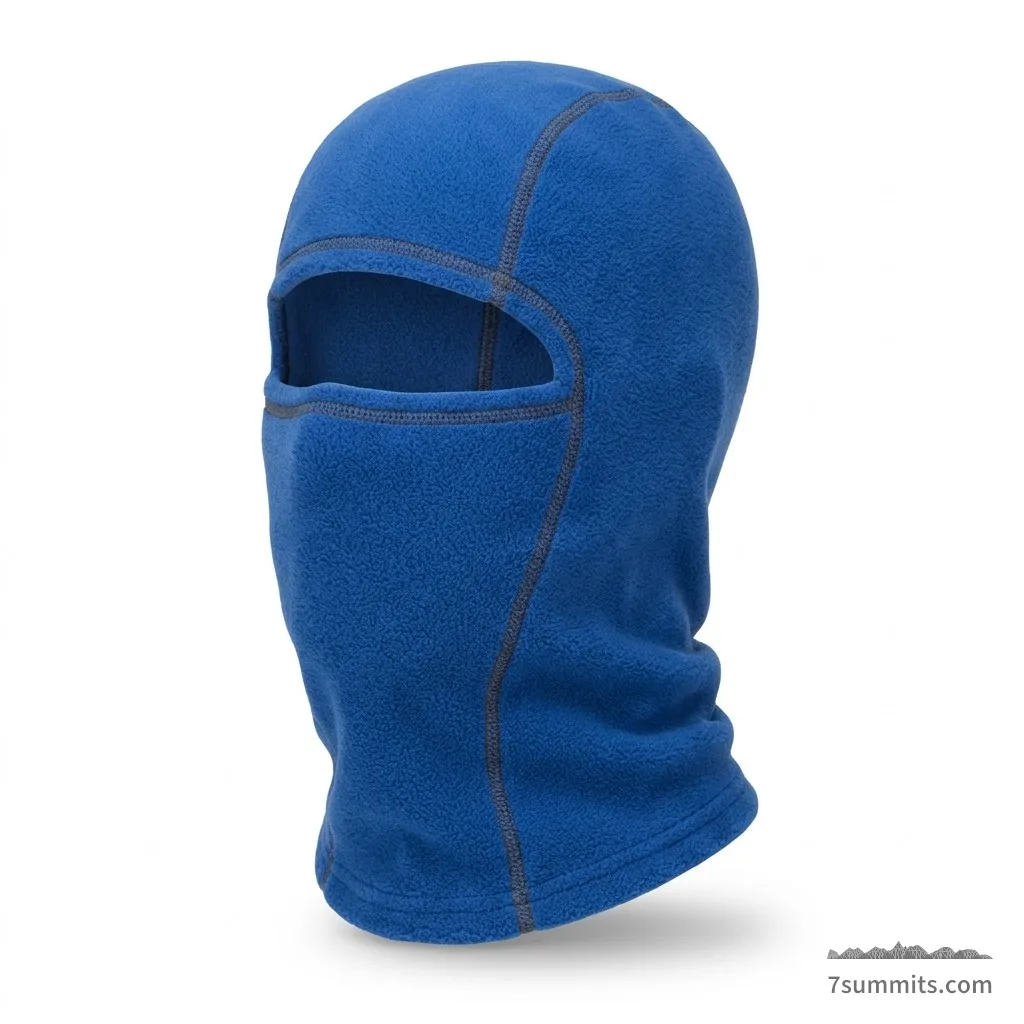 Balaclava or face mask | Balaclava or face mask for the wind and summit day |
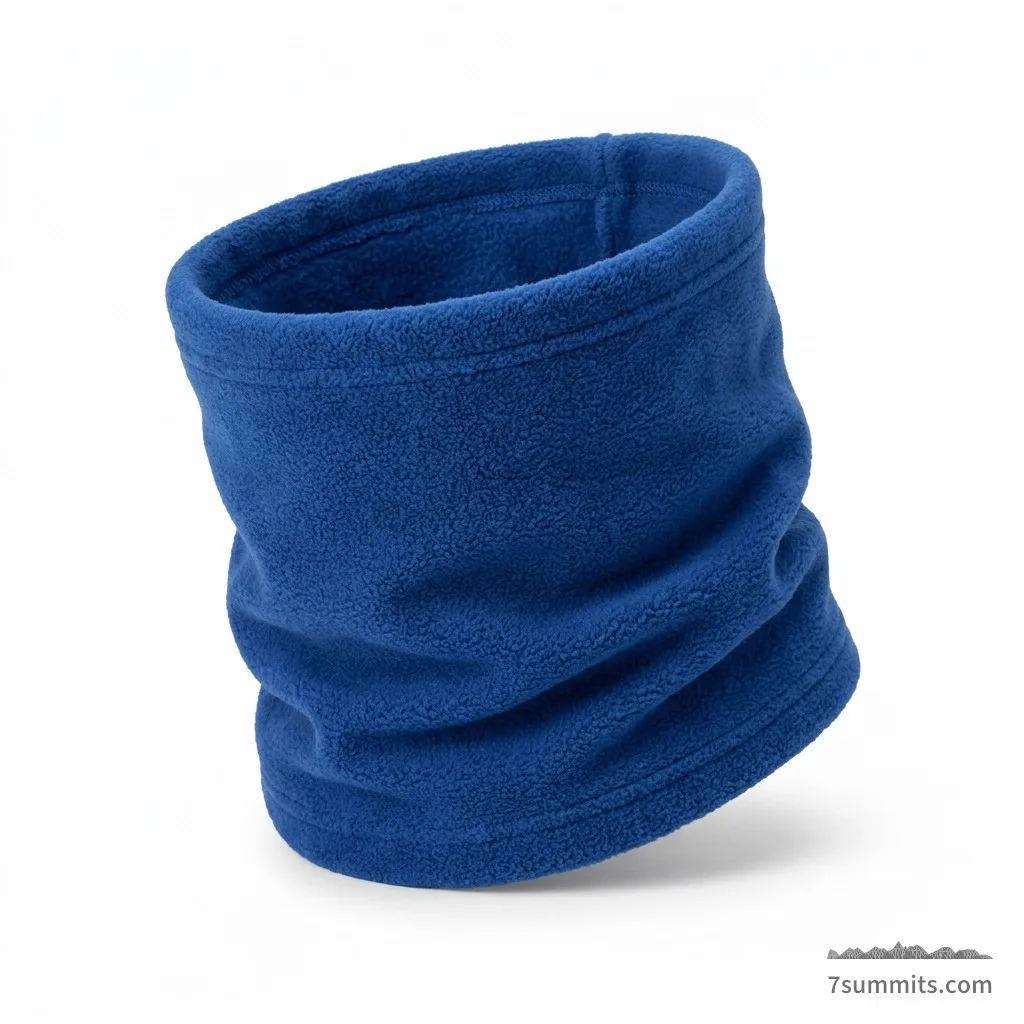 Neck gaiter or buff | Buff or neck gaiter, against the dust on the trek in and the wind higher up |
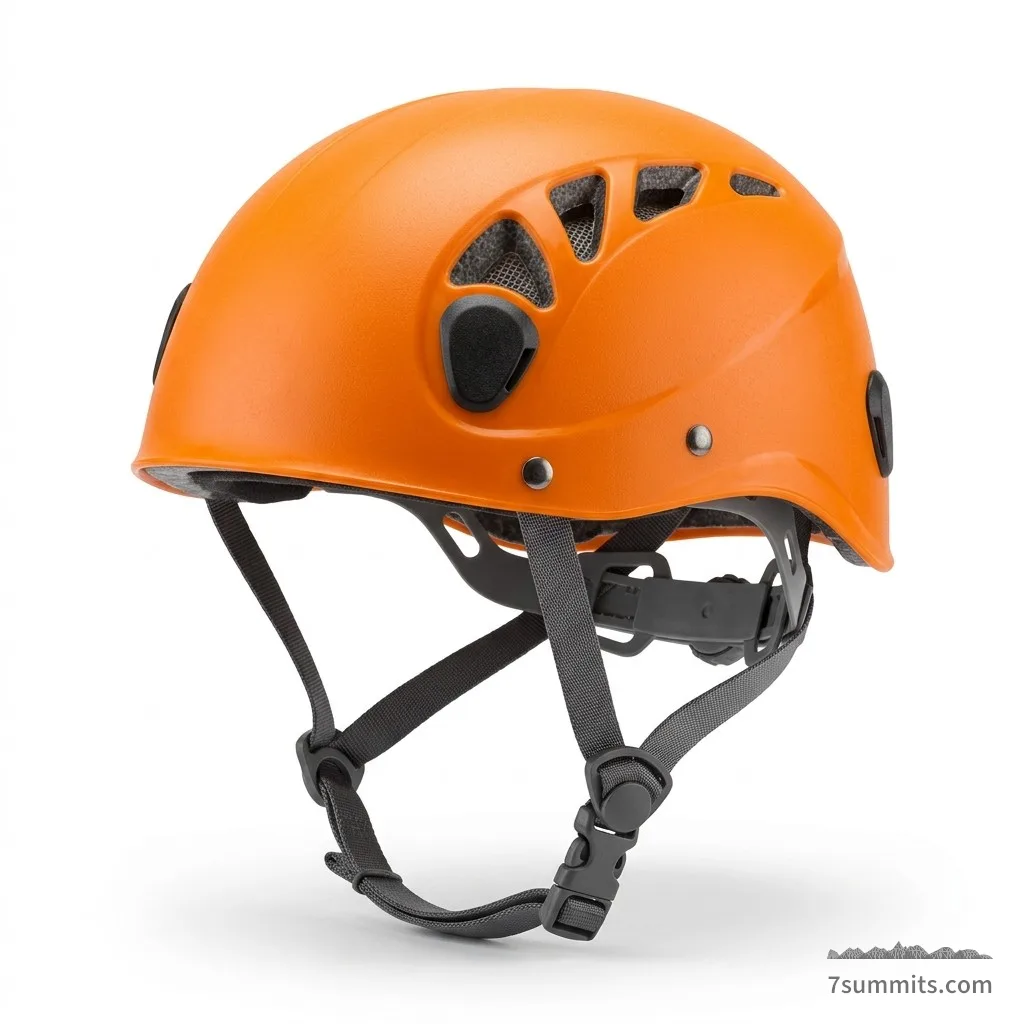 Climbing helmet | Most operators require one above base camp, for falling rock; check it fits over the warm hat |
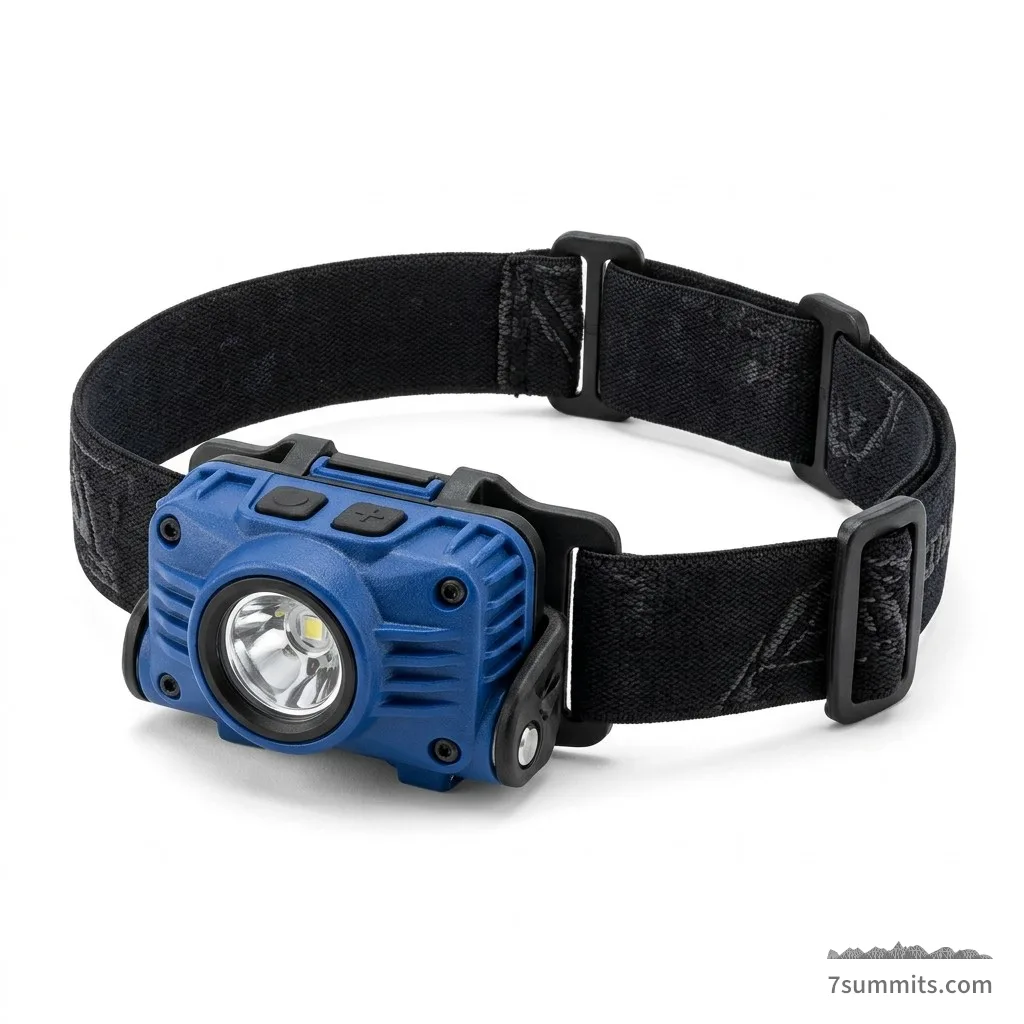 Headlamp (with spare batteries) | Headlamp with batteries that work in the cold, and spare batteries: summit day starts in the dark |
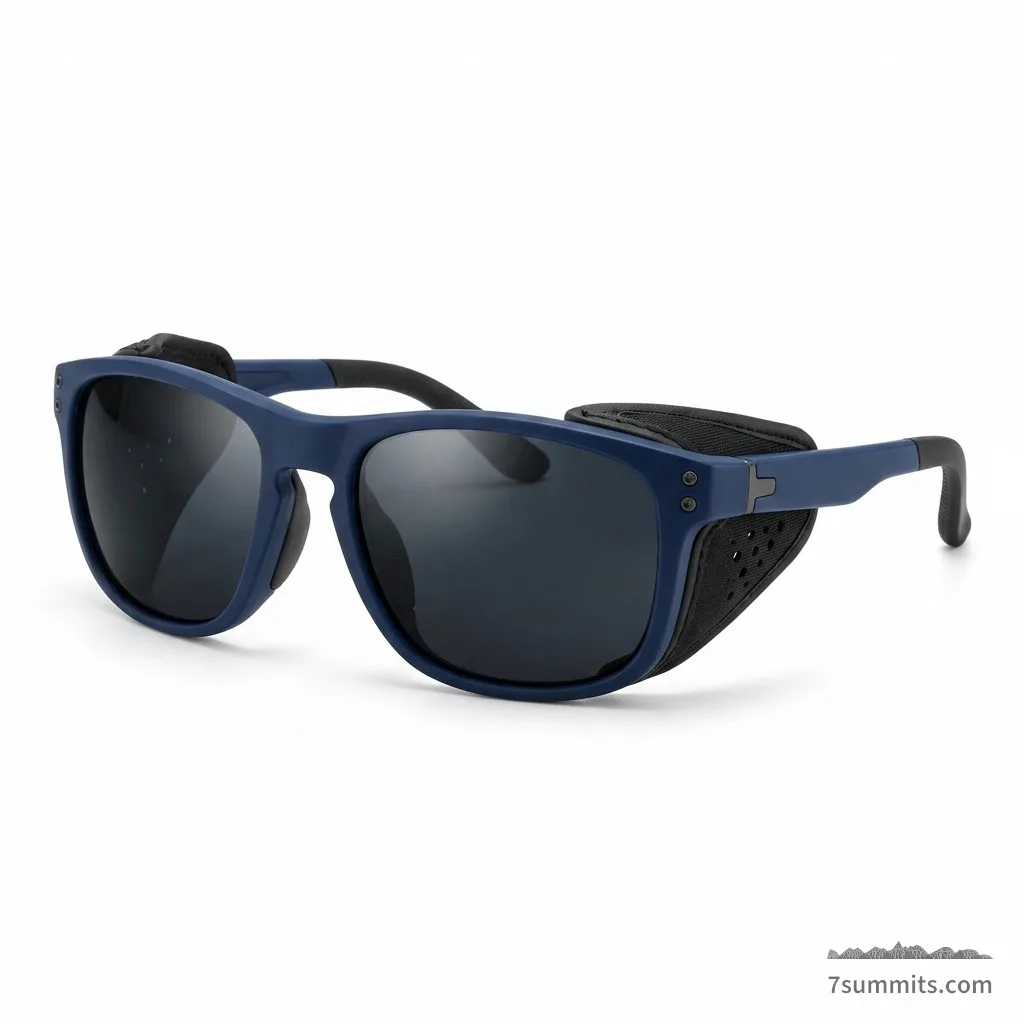 Glacier glasses | Filter category 4 with side shields and a nose guard (built in or clip-on); a second pair is optional: the goggles are the backup. If you need glasses to see: prescription lenses, or spare glasses and contacts; contacts suffer in the dust |
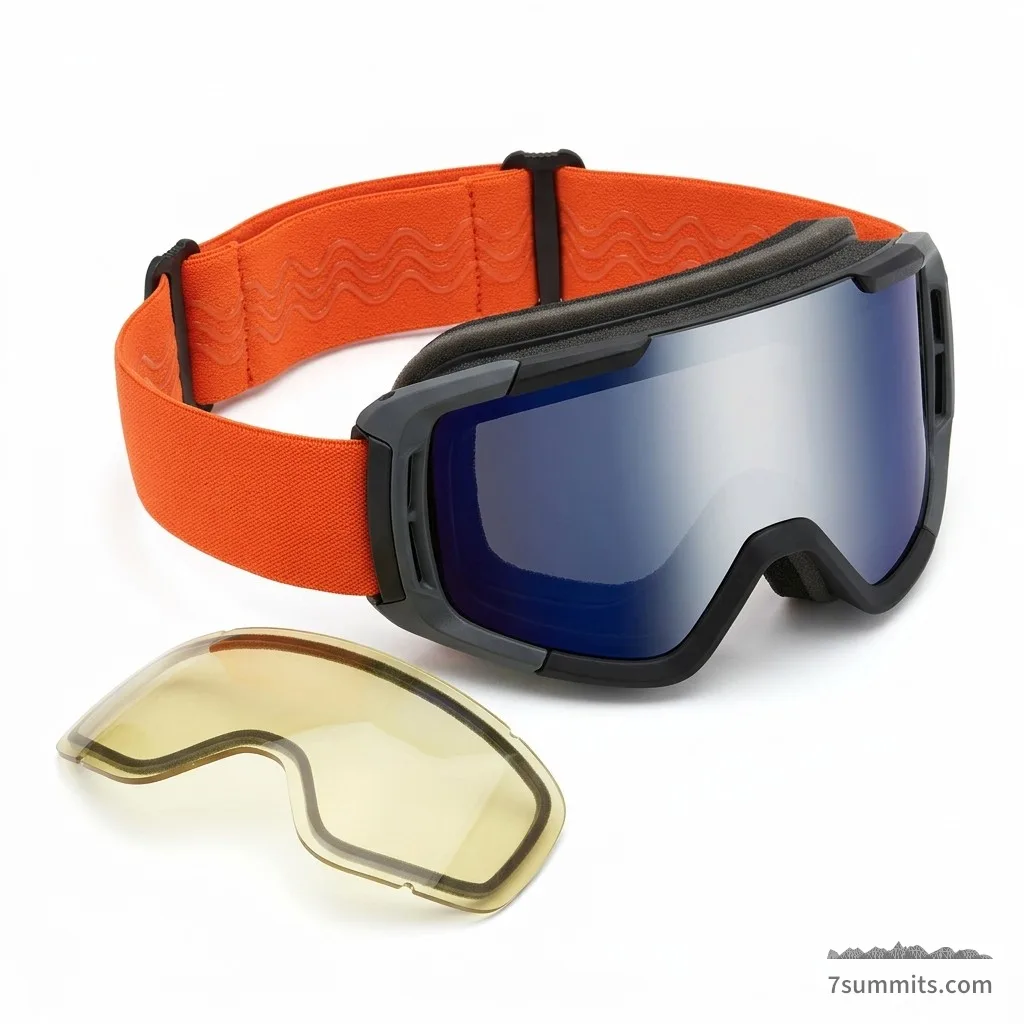 Goggles (with a spare lens) | Ski goggles for wind and summit day; a clear lens or clear glasses for the start in the dark, you carry it |
| Gear | |
|---|---|
| Crampons | 12-point crampons fitted to your double boots, semi-automatic or automatic binding, you carry it |
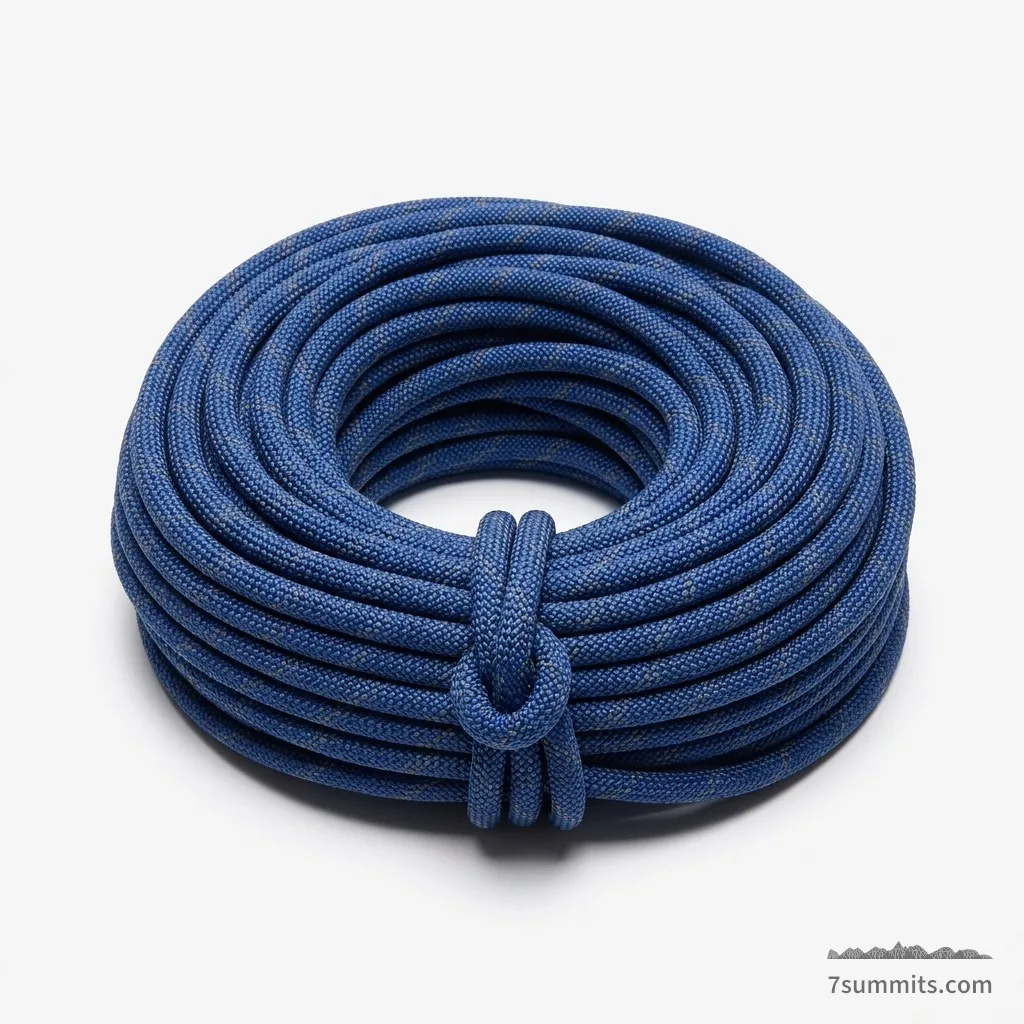 Rope (glacier travel, fixed-line spares) | Your operator's ropes; an independent team brings its own for the Polish Glacier |
| Trekking poles | Adjustable poles for the trek in, the scree and the long descent |
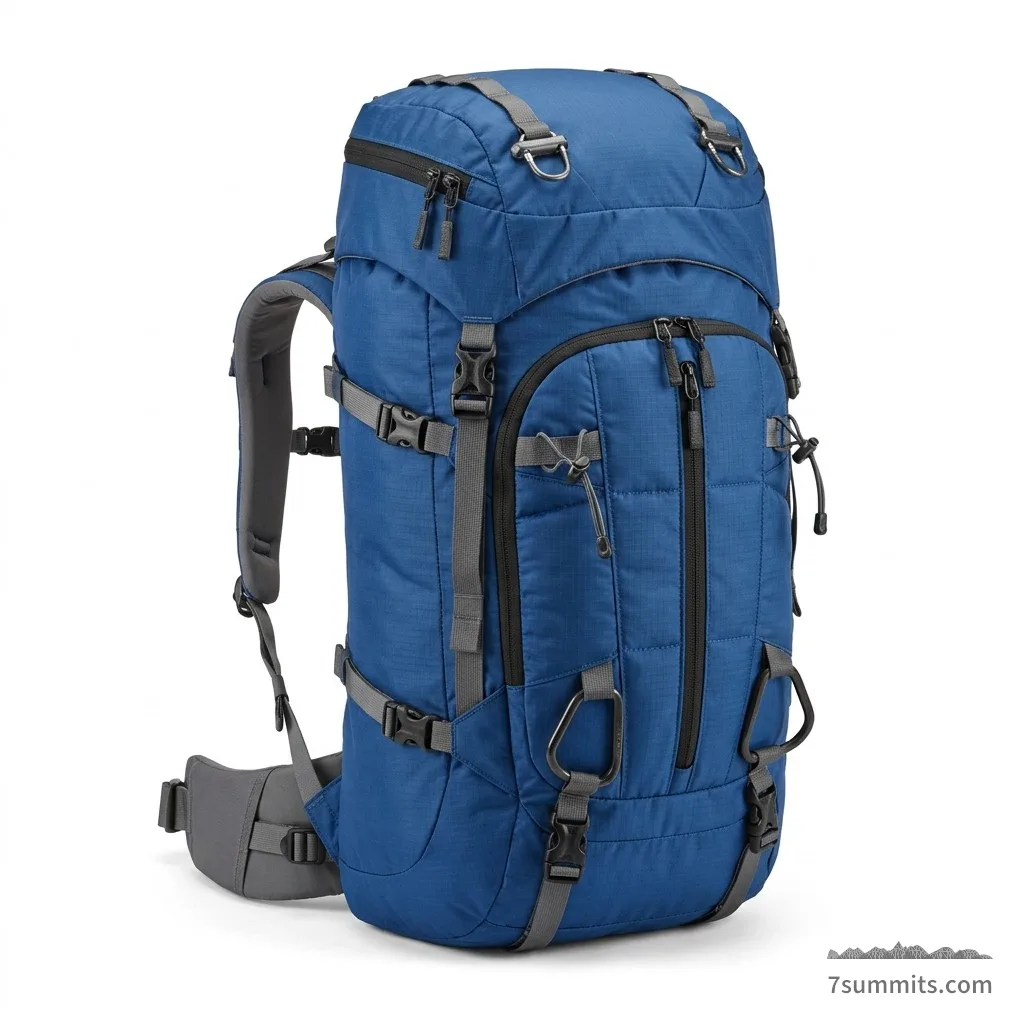 Expedition backpack | About 70 to 80 L: you carry your own load between camps unless you hire a porter, you carry it |
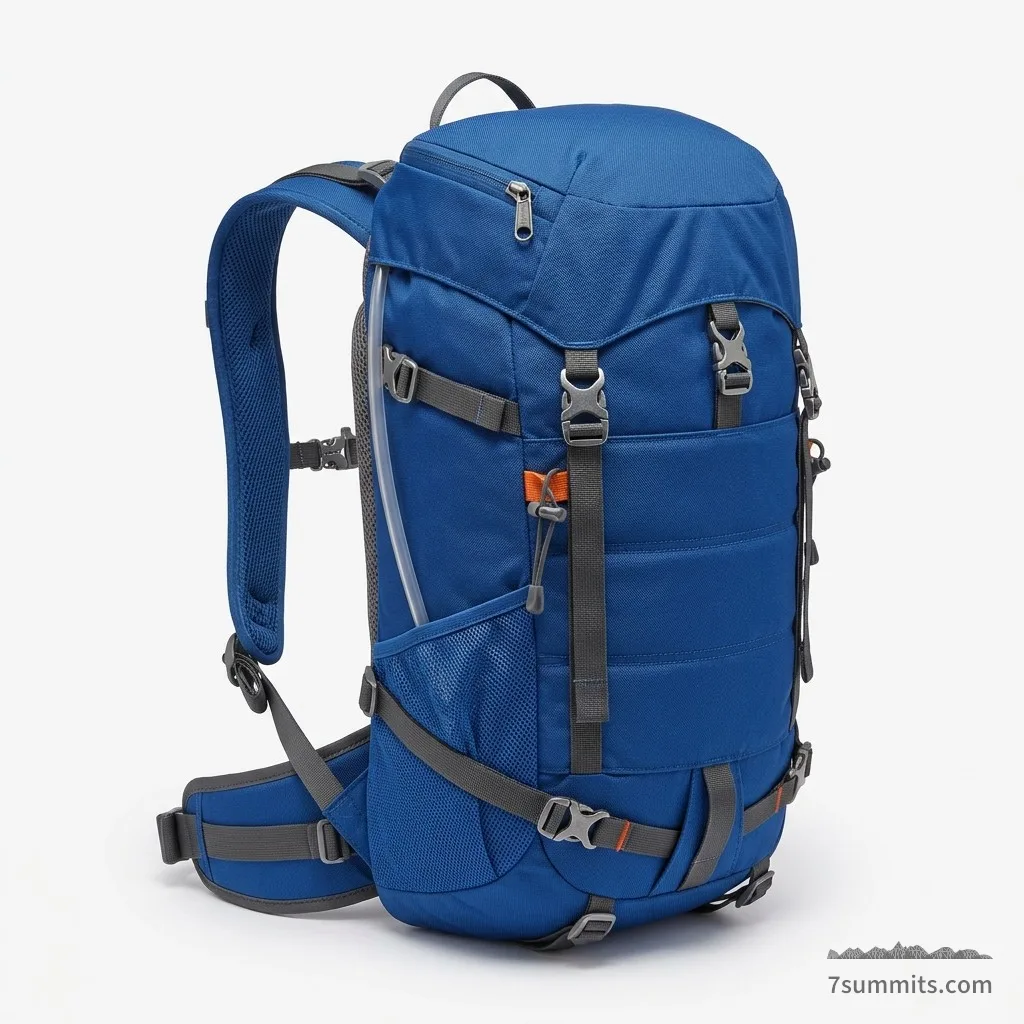 Daypack or summit pack | Trek in: 30 to 40 L while the mules carry the duffels; on summit day most carry the big pack half empty, stays in base camp |
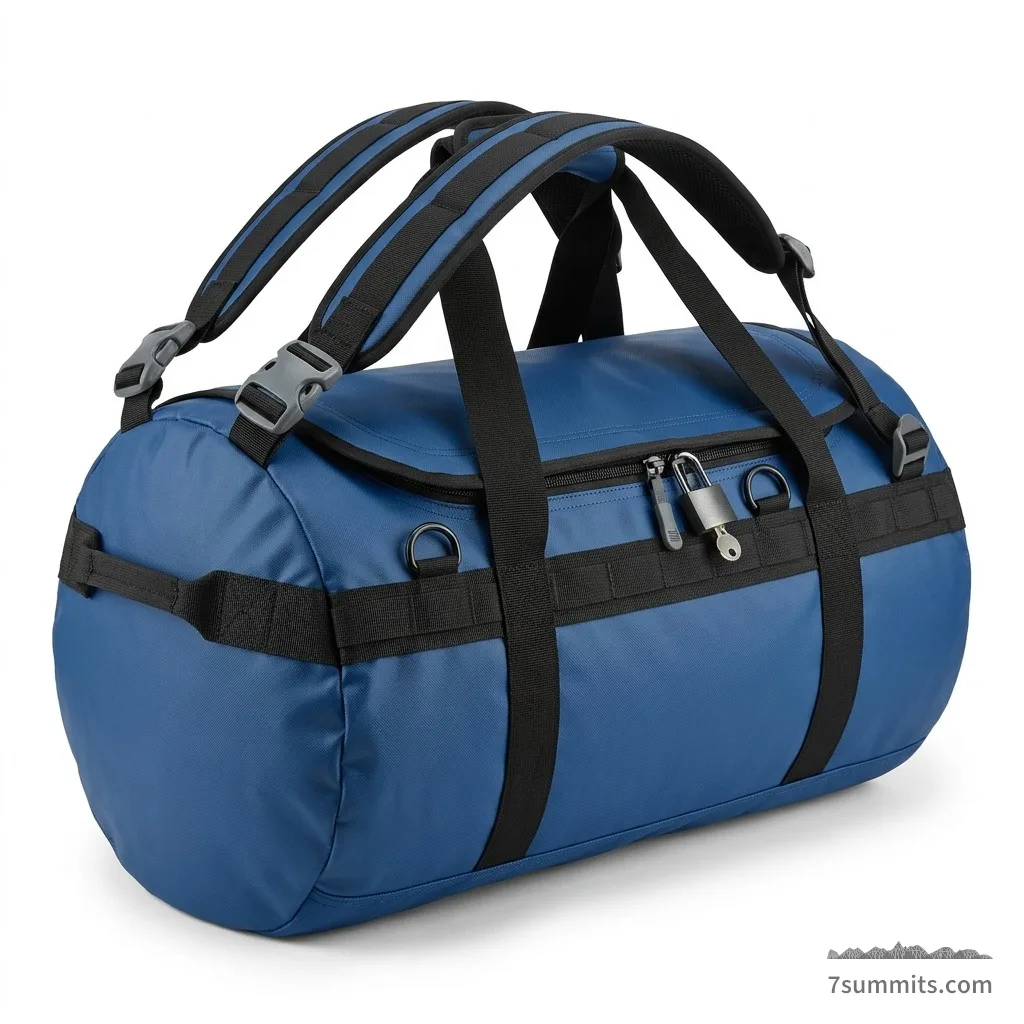 Expedition duffel (with cover and padlock) | By mule to base camp: 120 L · the mule allowance per client runs from 10 to 35 kg, and a few set none, ask, stays in base camp The hotel in Mendoza: town clothes and what you do not need on the mountain |
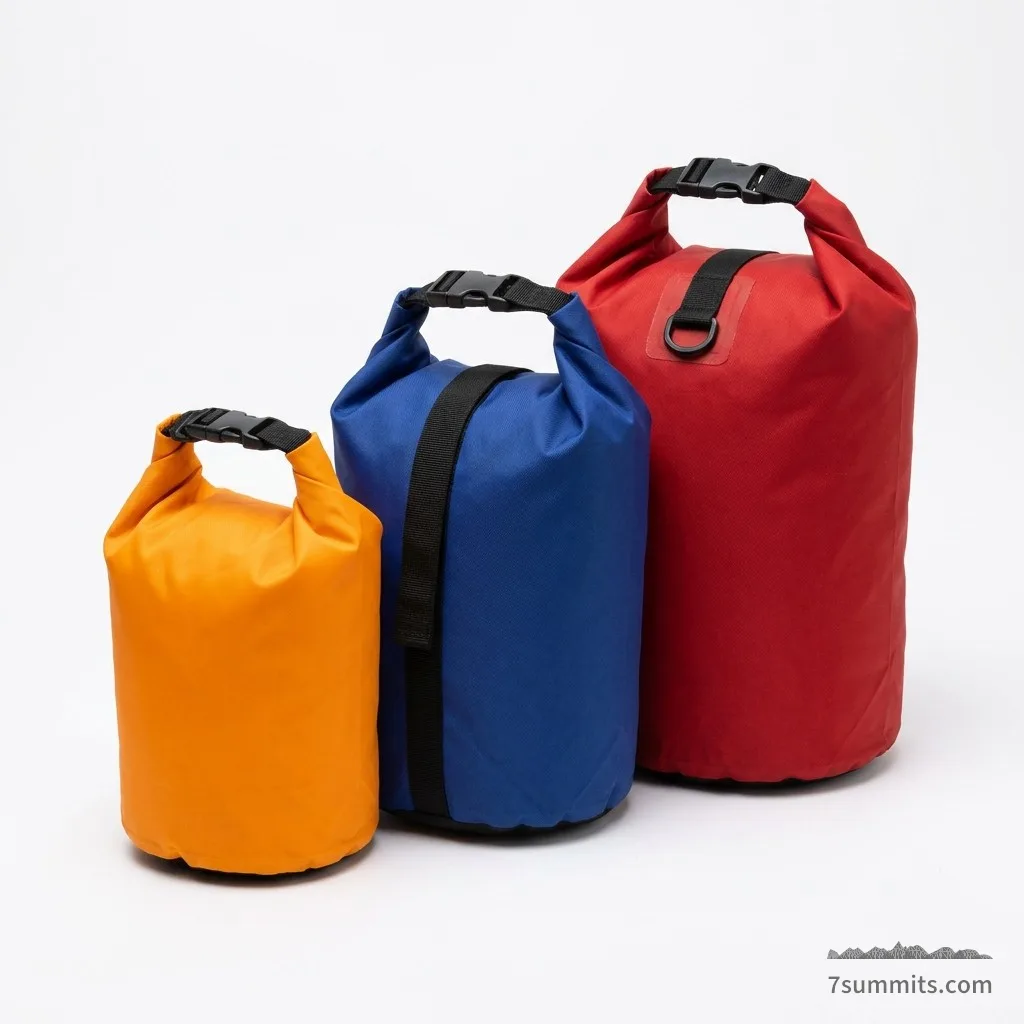 Dry bags, pack liner or rain cover | Dry bags (preferably lockable) for the caches you leave on the carries, plus stuff sacks to sort the duffel and compress the bag and parka; heavy rubbish bags as liners |
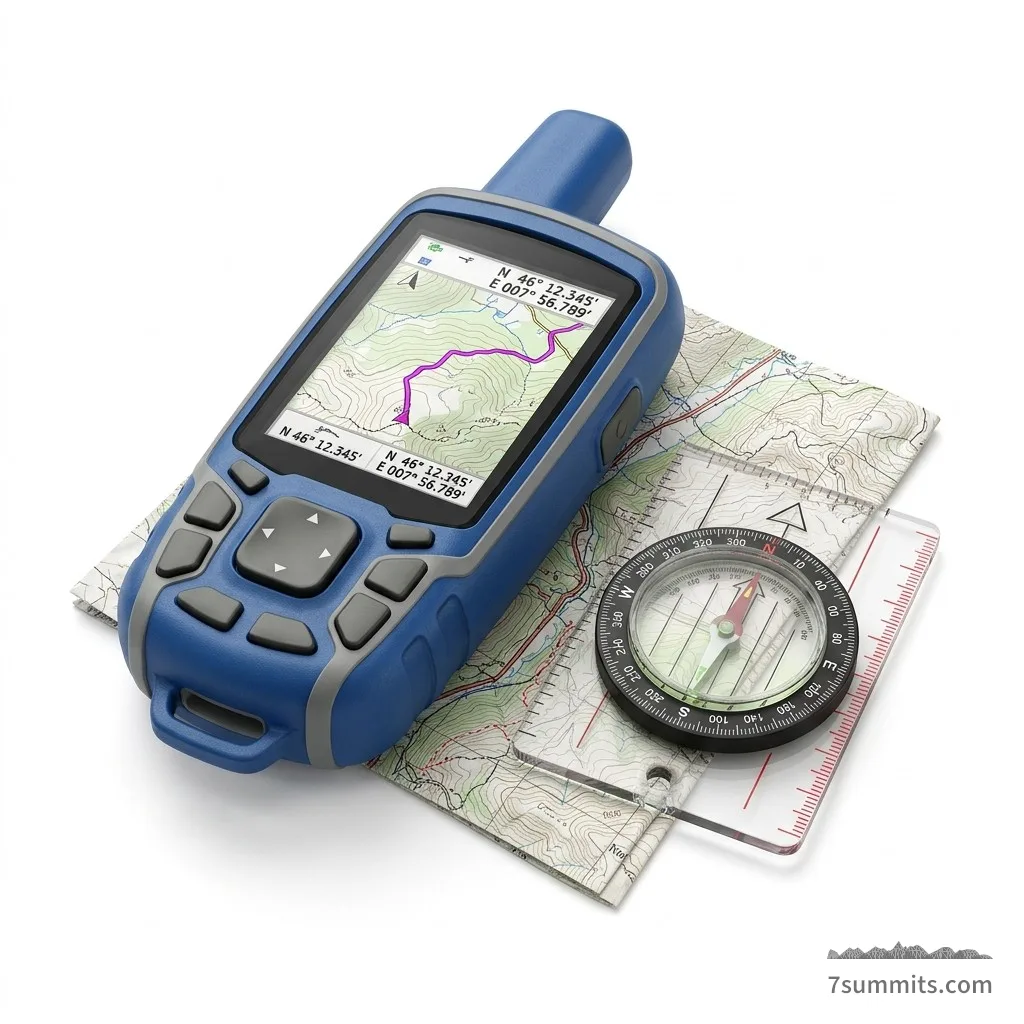 Map, compass, altimeter and GPS | An altimeter and a GPS you know how to use (a watch, a handheld, or a phone with offline maps): in a whiteout, a storm or when you are lost you must find the way yourself, and a waypoint finds a cache that snow has covered overnight, or that you simply forgot |
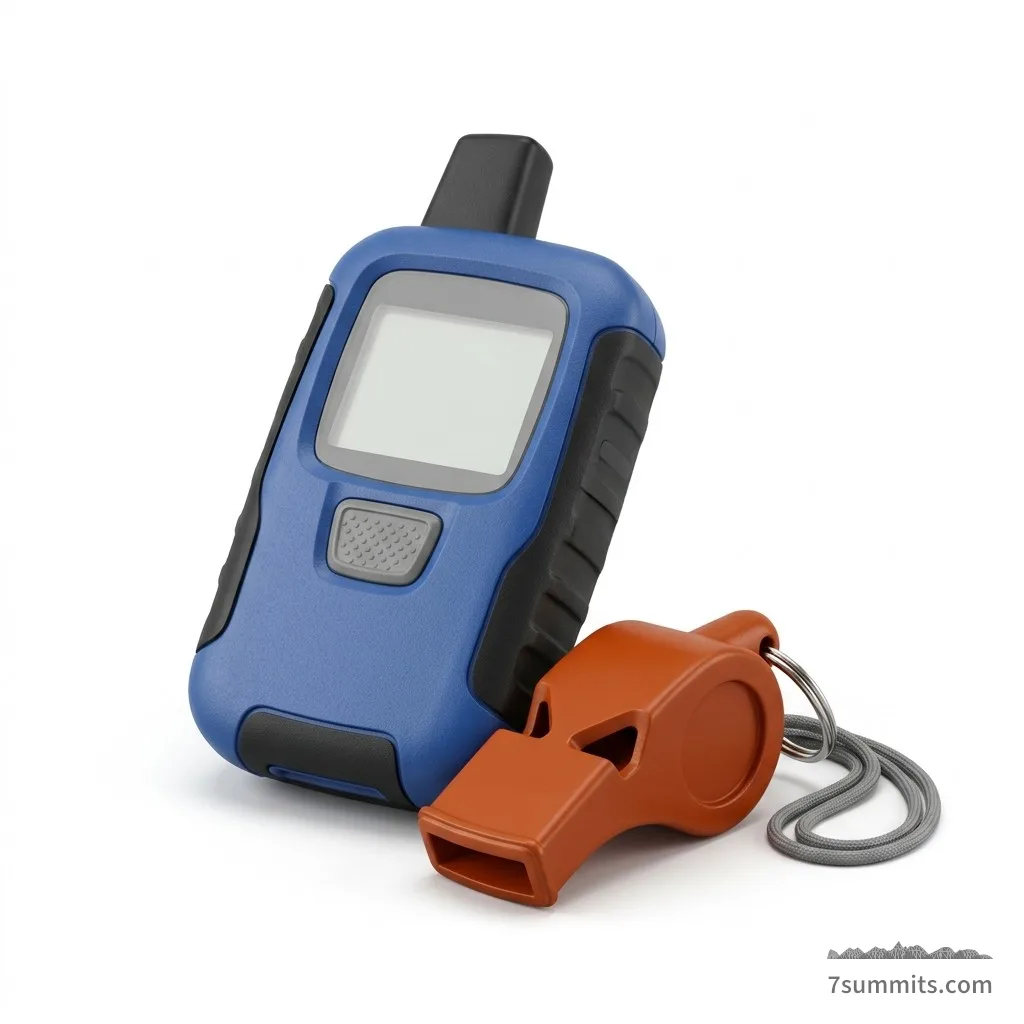 Phone, PLB or satellite messenger, signal mirror | Your own way to call for help (a satellite messenger (inReach) or a PLB) plus a whistle and a small mirror (on the park's list); do not count on the guides' radio being where you are |
| Passport, visa, tickets, certificates and money | Passport, flight tickets, the insurance certificate, cash and cards; a travel wallet |
| Travel and rescue insurance | Required for the climbing permit: search, rescue, evacuation and medical cover, including a helicopter evacuation from 5,600 m to Horcones, and cover for climbing to nearly 7,000 m ⚖The permit requires it: "deberán contar con un seguro y/o servicio de evacuación y asistencia médica … La póliza deberá cubrir … la evacuación aérea desde la cota de 5.600 msnm. hasta el helipuerto de Horcones." Your operator checks the policy and may refuse it. The park charges US$1,800 to 5,700 a flight (2025–26). SourceDecreto 2322/2025 (Gobierno de Mendoza, 28 Oct 2025), art. 8 — media.mendoza.gob.ar |
| Camp | |
|---|---|
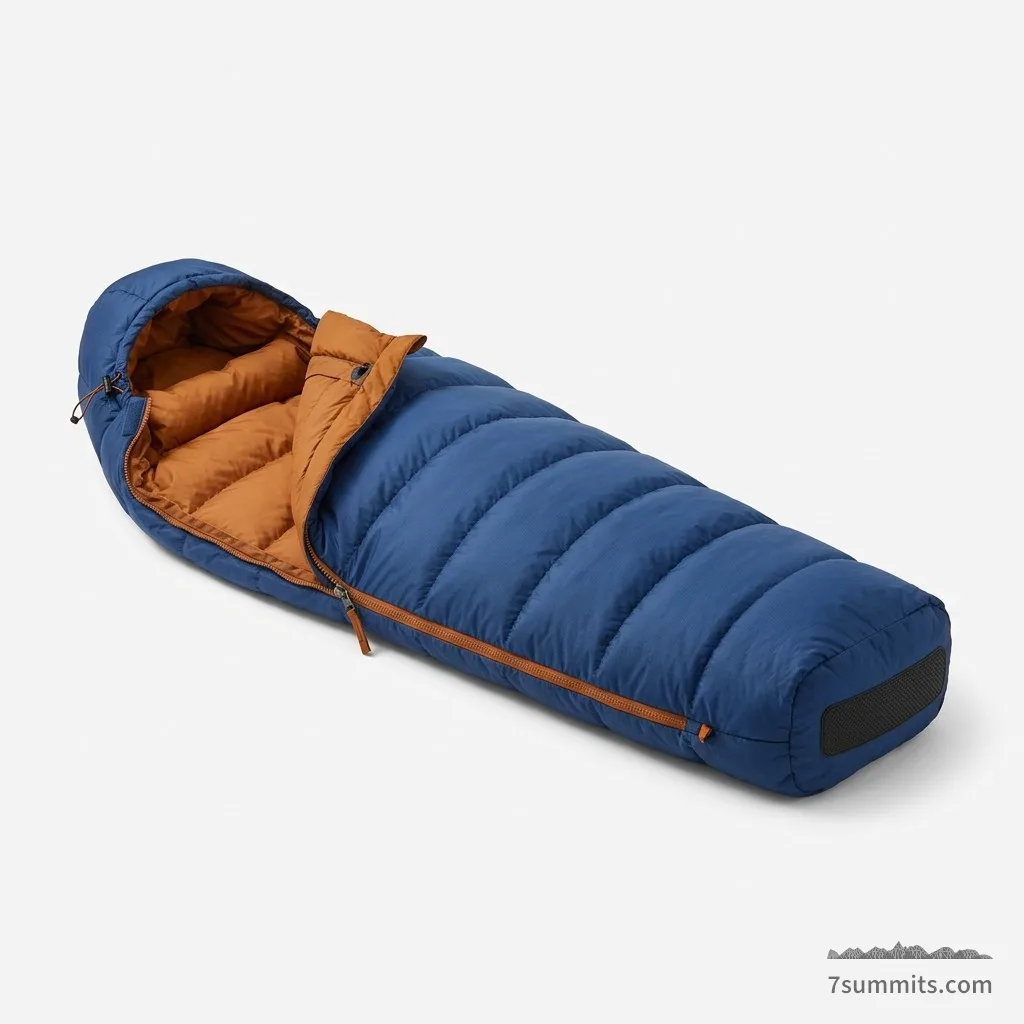 Sleeping bag | The whole climb: −30 to −20 °C comfort (−22 to −4 °F), you carry it A second bag: a convenience, not a need: the carries are short; its one use is to leave a bag at Camp 1 so the next carry up does not include itoptional |
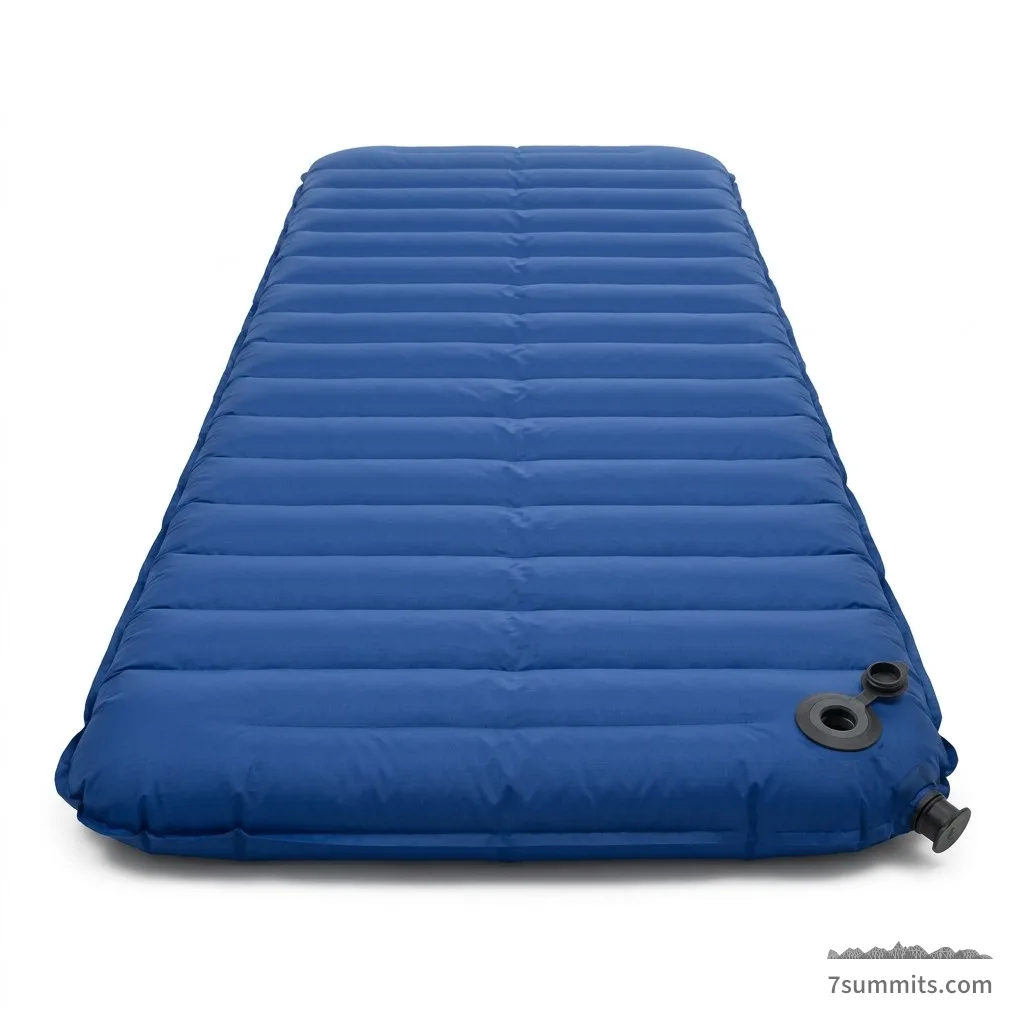 Insulated sleeping pad | Full-length inflatable with a high R-value, on top of the foam mat; some operators' base camps have a bed or mattress, you carry it |
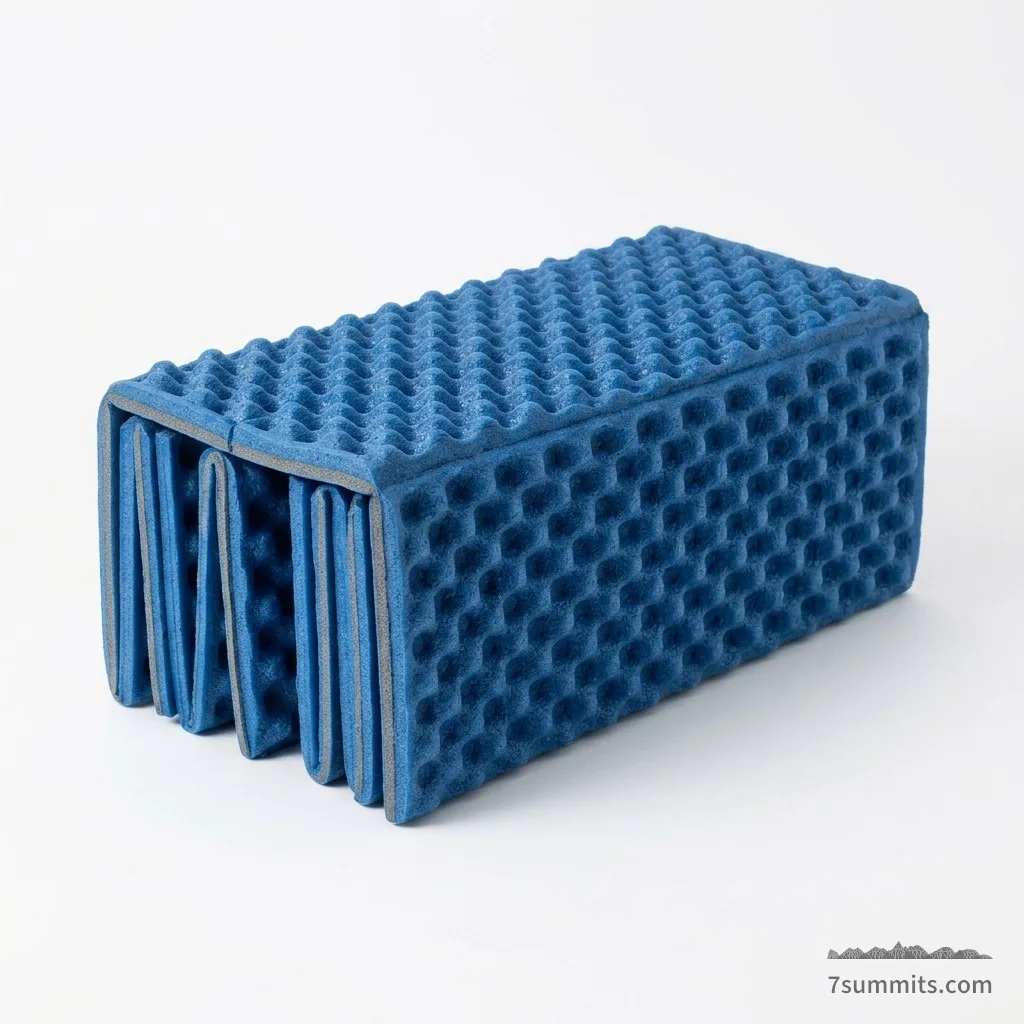 Closed-cell foam mat (second mat) | High camps: under the inflatable, for insulation and as the backup if it punctures, you carry it |
| Water bottles or bladder (total capacity, with insulating covers) | Wide-mouth bottles, 2 L in total (some ask 3 L), with insulated covers; a bladder only on the trek in: the hose freezes higher up |
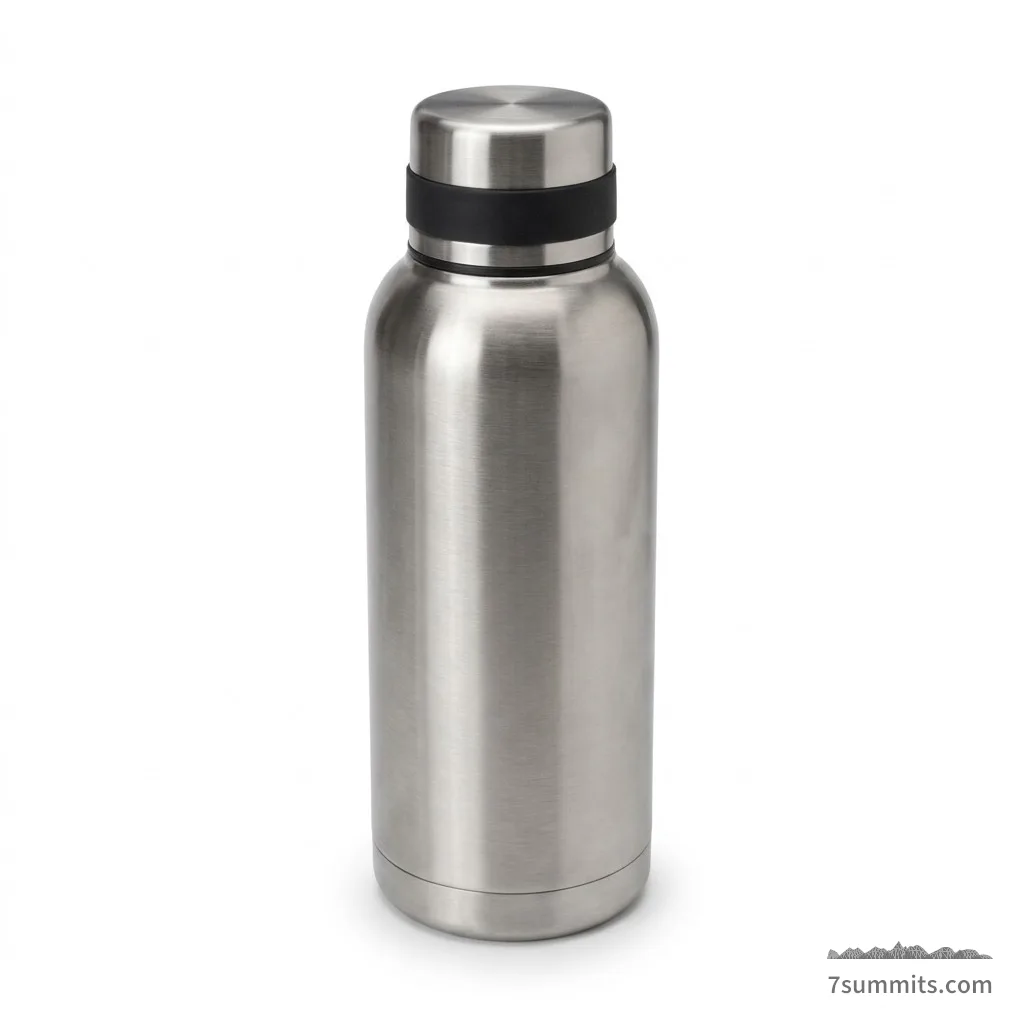 Insulated flask | 1 L vacuum flask for summit day |
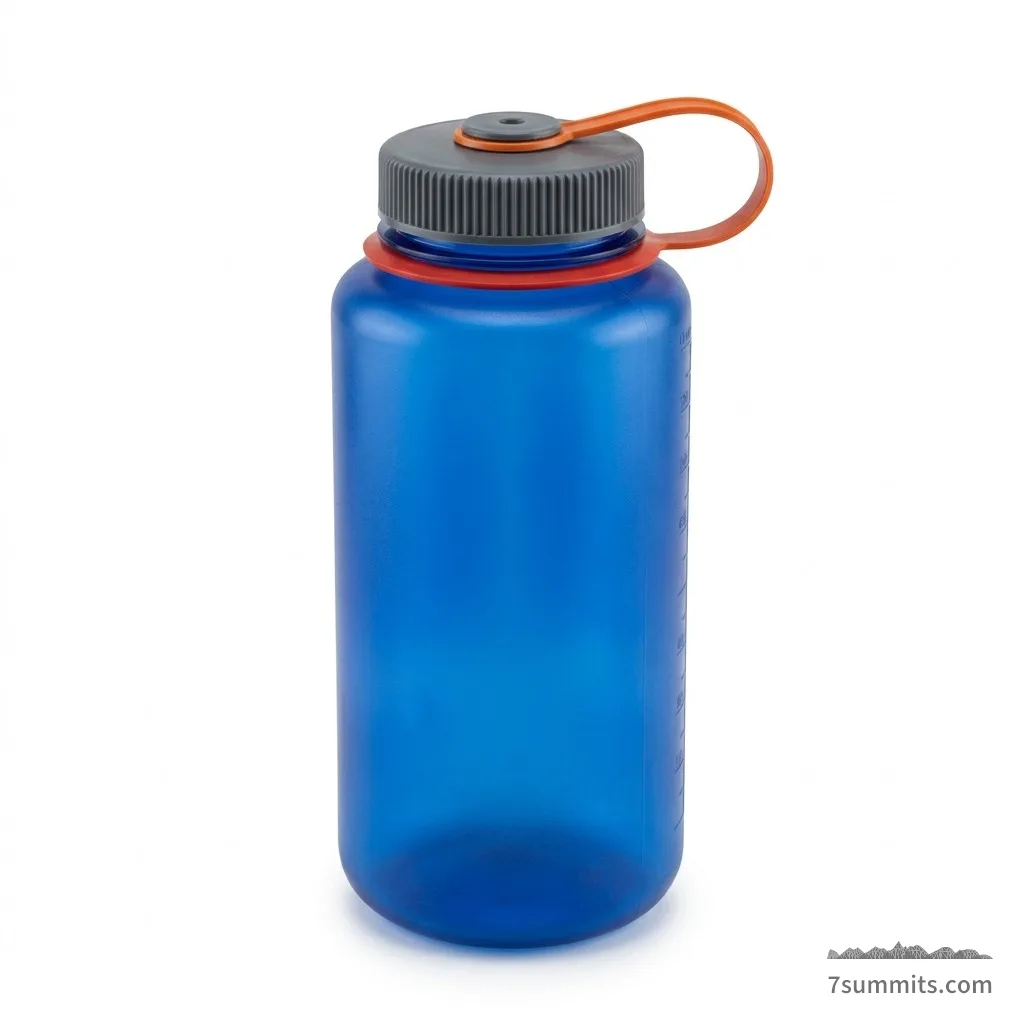 Pee bottle | 1 L or more, wide-mouth, clearly marked; a funnel for women |
| Water treatment | Tablets or a filter for stream water on the trek in and in base camp; some operators treat base-camp water, ask |
| Stove fuel | Your operator's |
| Pots, cup, bowl and spoon | Your own insulated mug, bowl and spoon; the pots are the operator's |
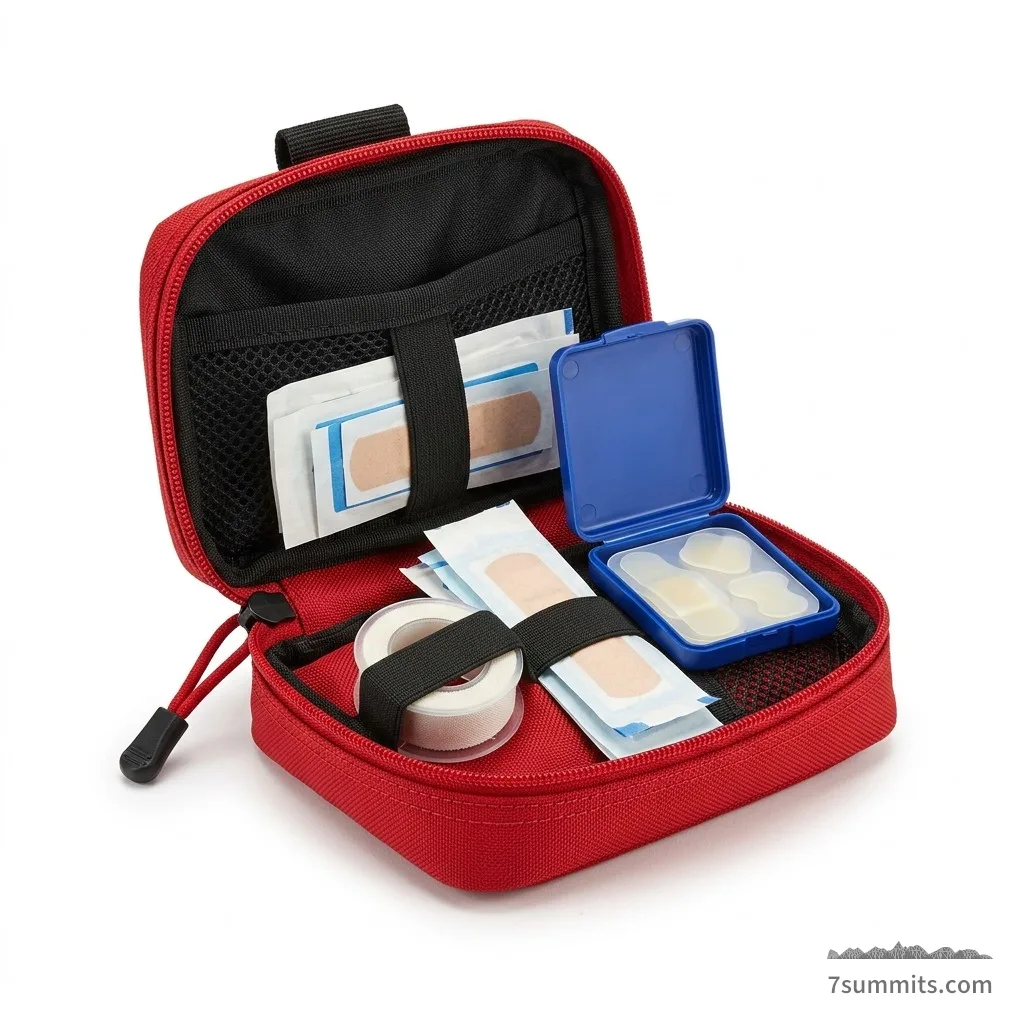 First-aid kit (with blister and dental repair) | A personal kit you can treat yourself with: blister care, painkillers, your altitude medication, whatever the guides also carry |
| Personal medication | Consult your doctor. |
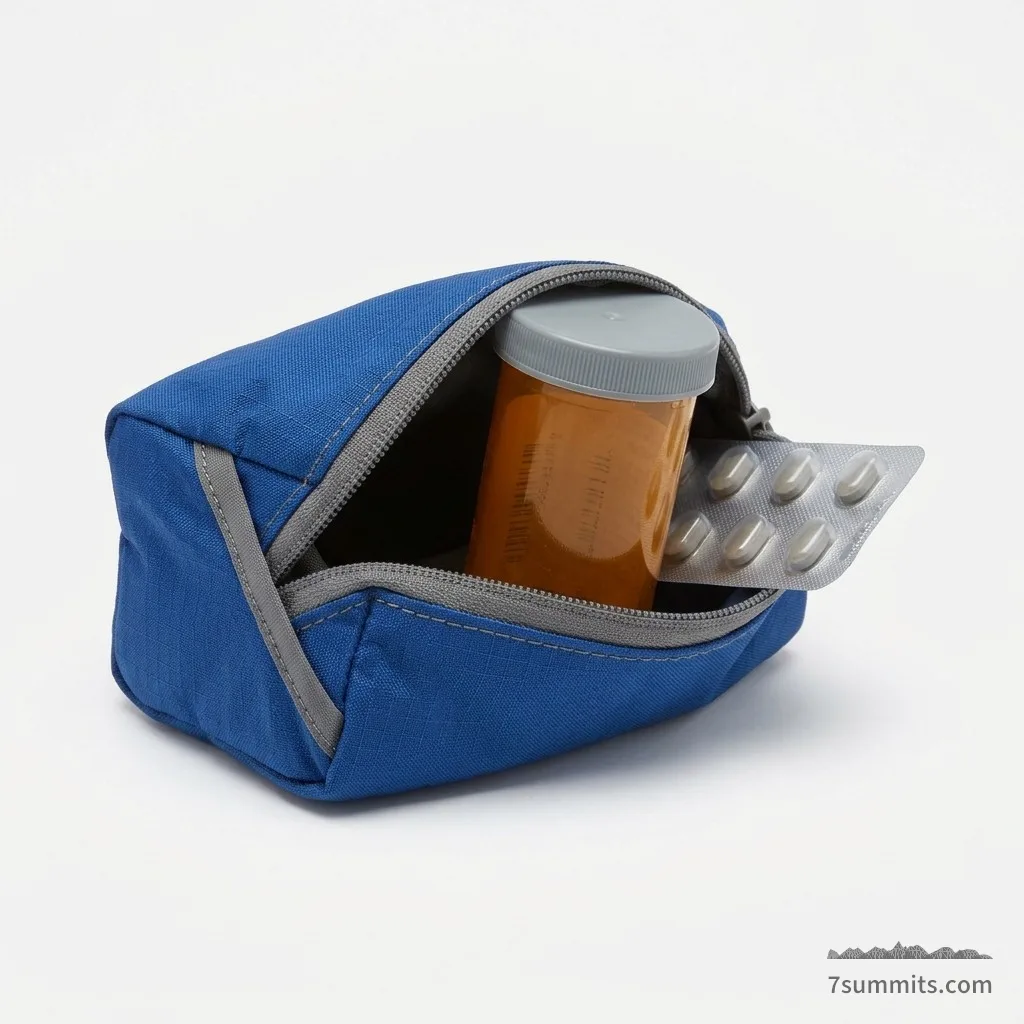 Altitude and travel medication (consult your doctor) | Consult your doctor. |
| Sunscreen and lip balm | High-factor sunscreen and lip balm with SPF; the air is dry and the sun strong |
| Wash kit, wipes, toilet paper and rubbish bags | Wet wipes, hand sanitiser, toilet paper, a small towel, moisturiser and aftersun; the park hands you numbered bags for rubbish and, above base camp, for human waste: they come back down with you ⚖The numbered rubbish bag from the entrance must be handed back on the way out, and the numbered bag for human waste from the high camps must be carried down and handed to the ranger at Plaza de Mulas or Plaza Argentina: a fine otherwise. The park supplies the bags; your operator can carry them for you. SourceReglamento de Uso del Parque Provincial Aconcagua (Resolución 462/2018), 2.2 Gestión de Residuos — mendoza.gov.ar |
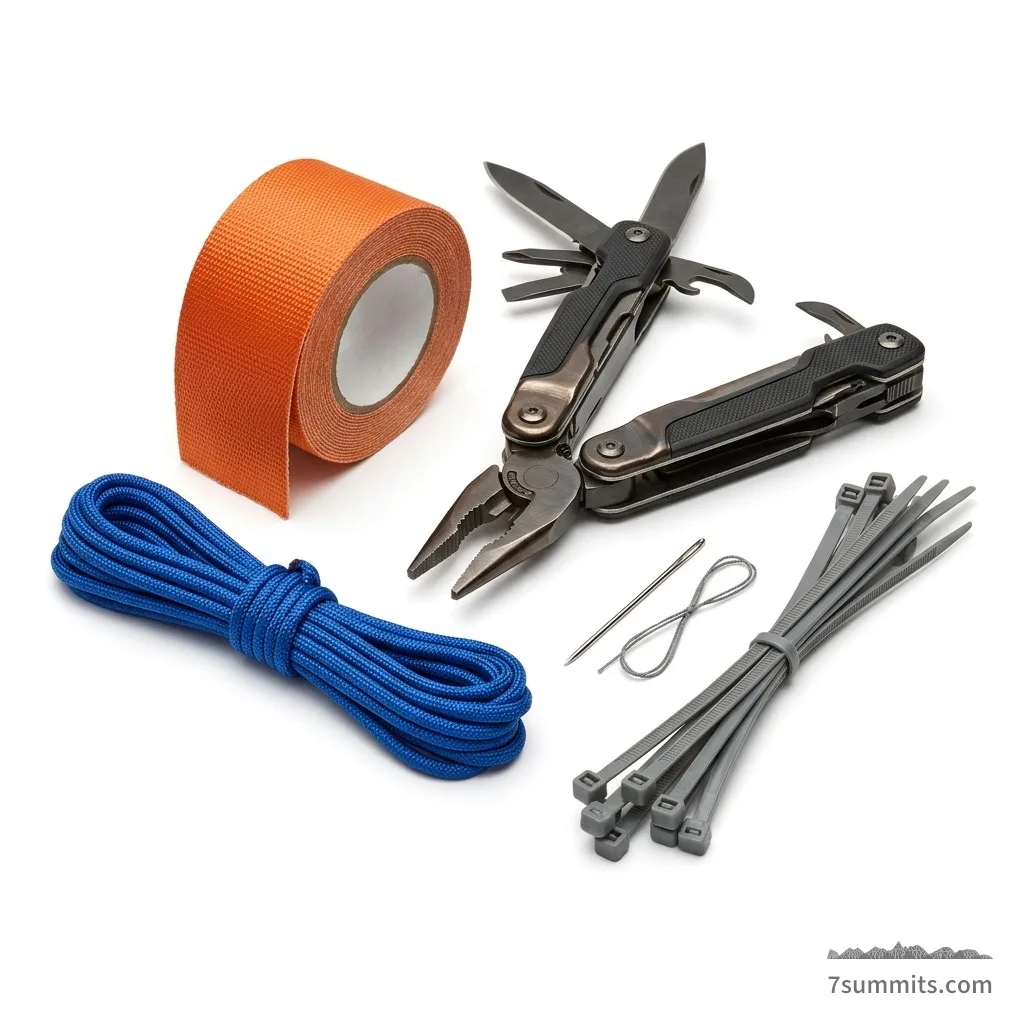 Repair kit and spares | Tape, a needle and thread, a knife, a mat patch kit, spare crampon parts |
Optional
| Clothing | |
|---|---|
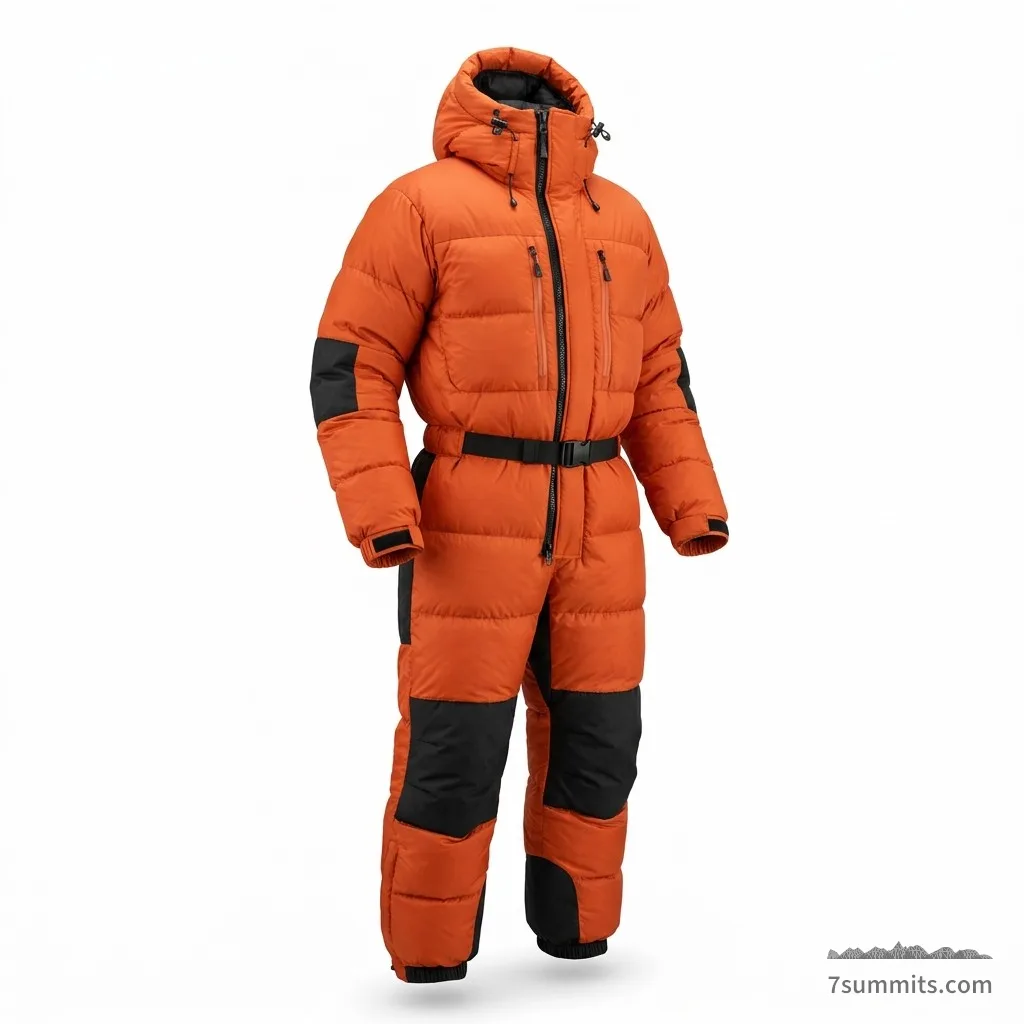 Down suit | Only if you run very cold; almost everyone climbs in a parka and insulated trousers: 'a down suit will be too warm' (Adventure Peaks) |
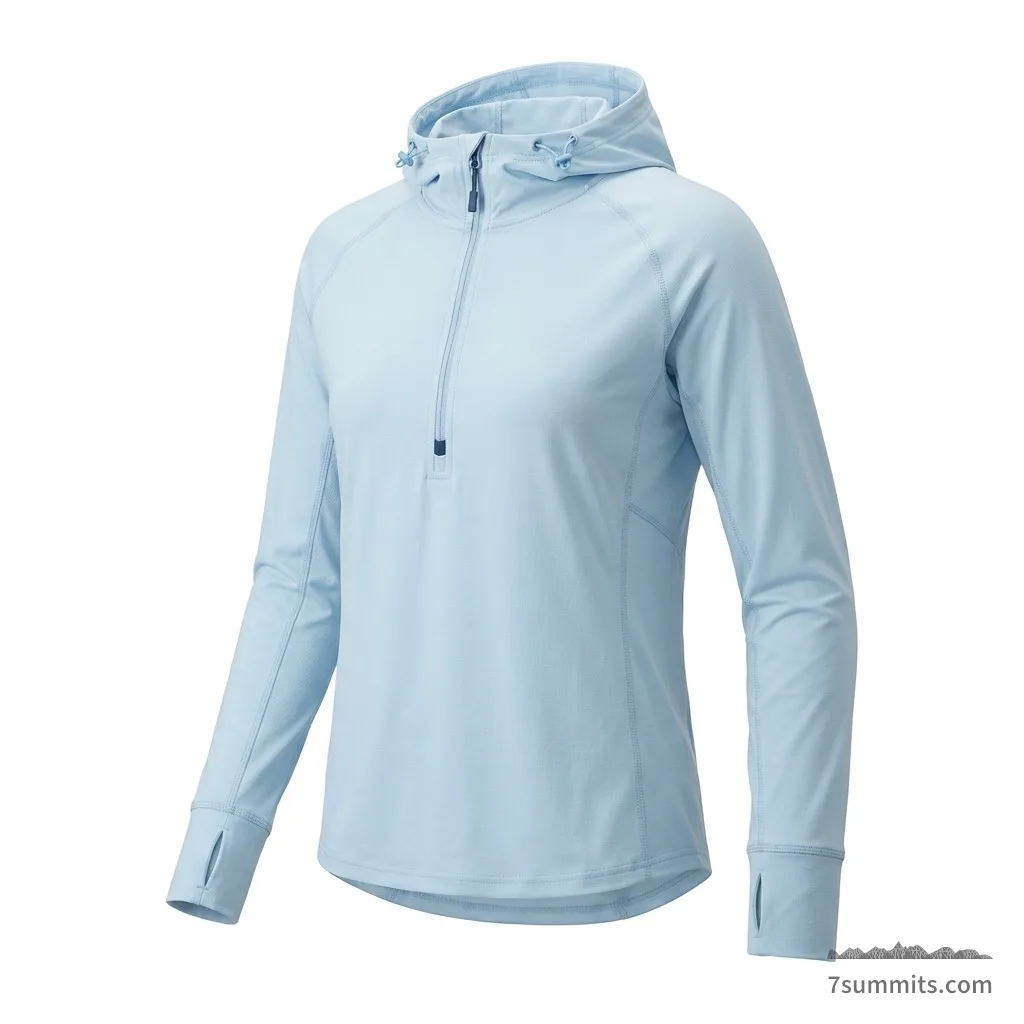 Sun shirt (light, long-sleeved) | A light long-sleeved shirt (or a T-shirt) for the hot, dusty walk in |
| Head, hands & feet | |
|---|---|
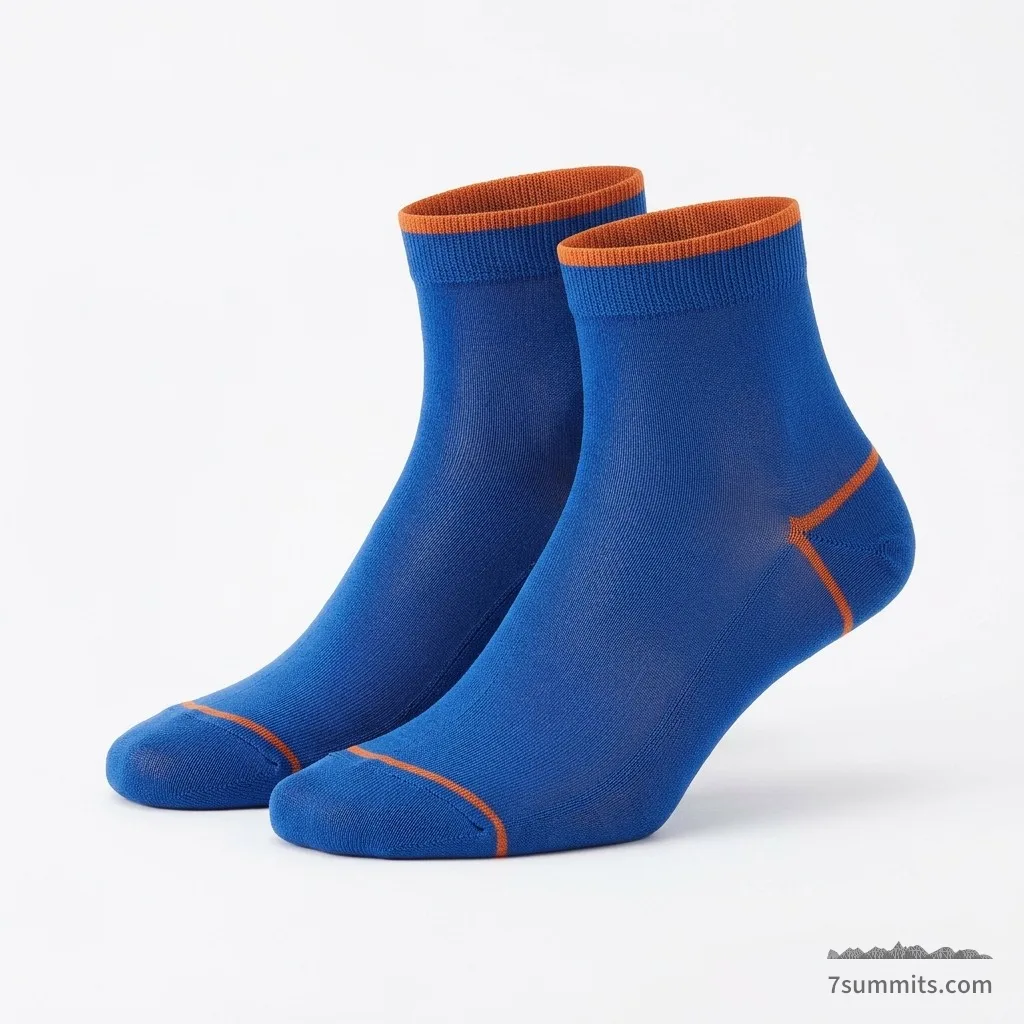 Liner socks (or vapour-barrier socks) | Thin liners under the warm socks, or vapour-barrier socks if your feet run cold |
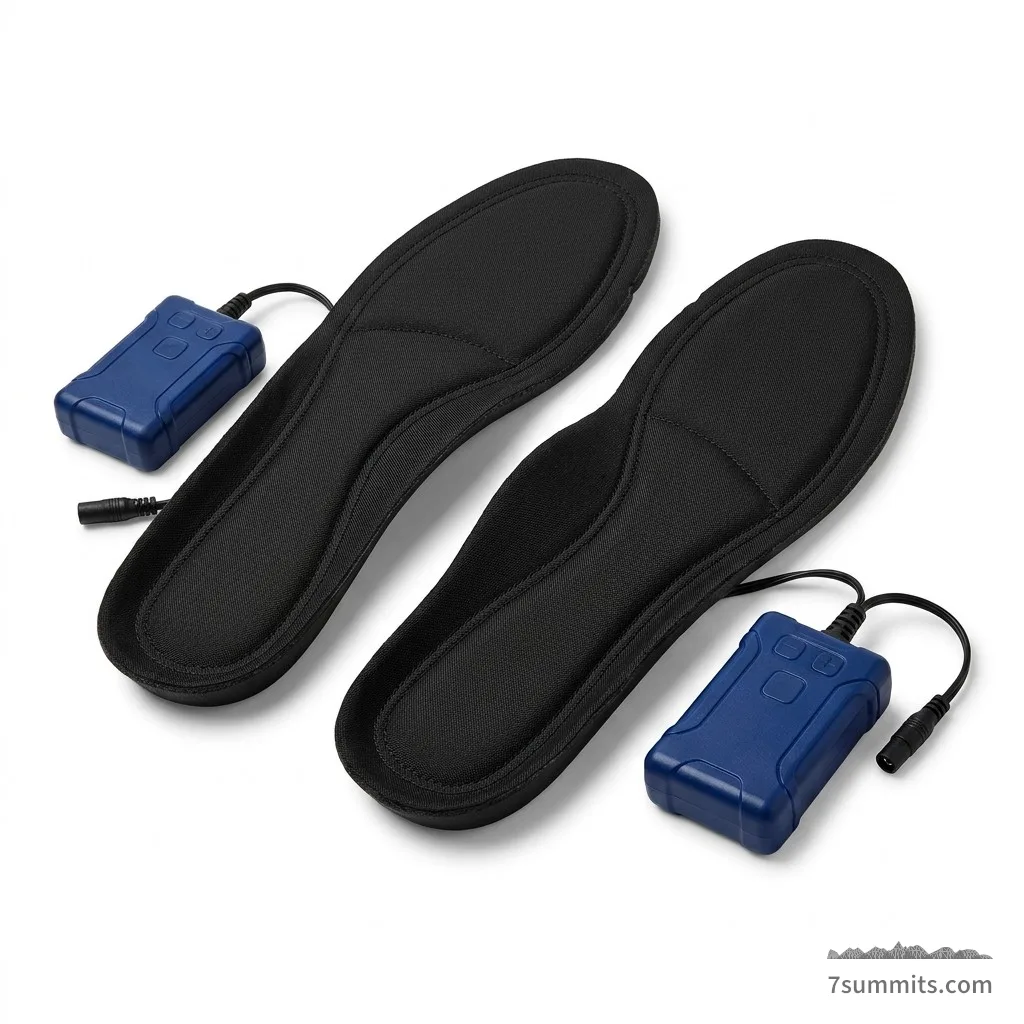 Heated socks, gloves or insoles (battery) | If your feet or hands run cold; carry the batteries warm |
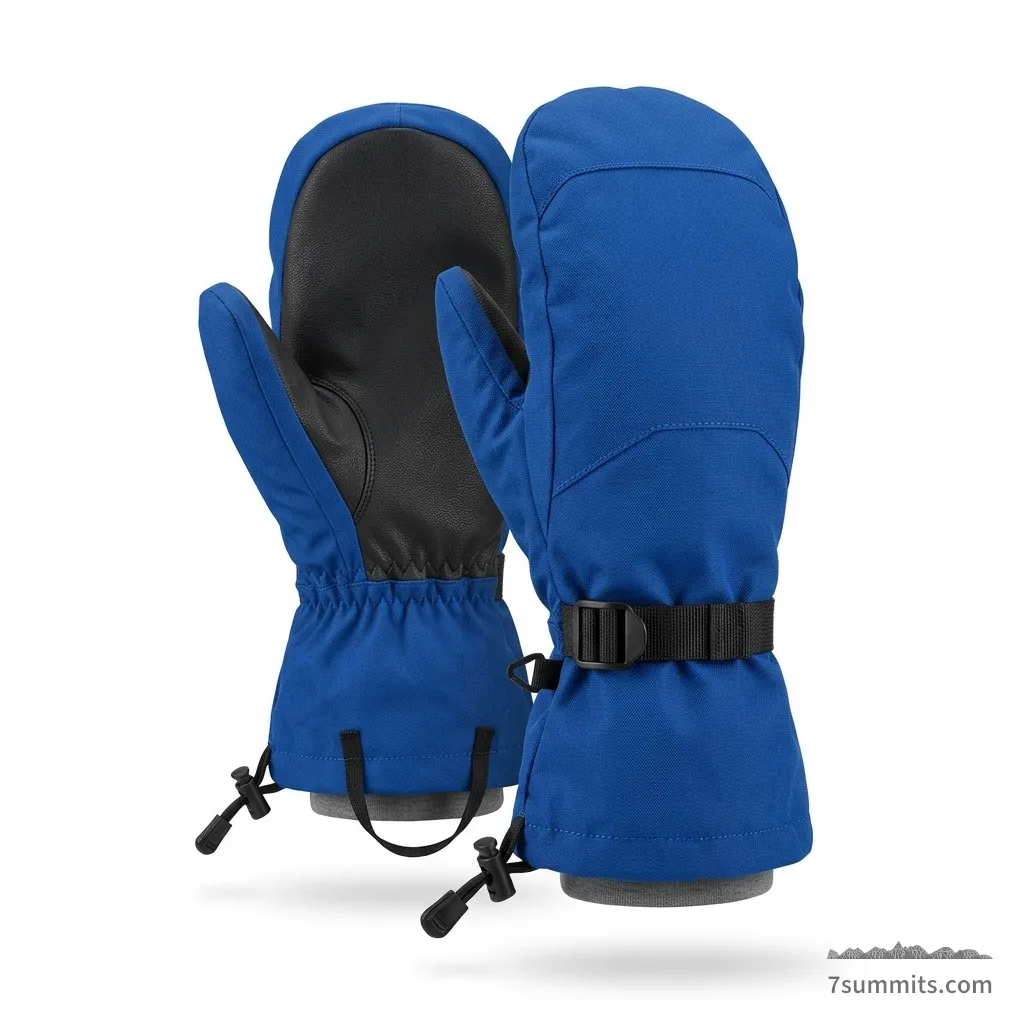 Shell over-mitts | Shell mitts over the warm gloves; the expedition mitts already have a shell |
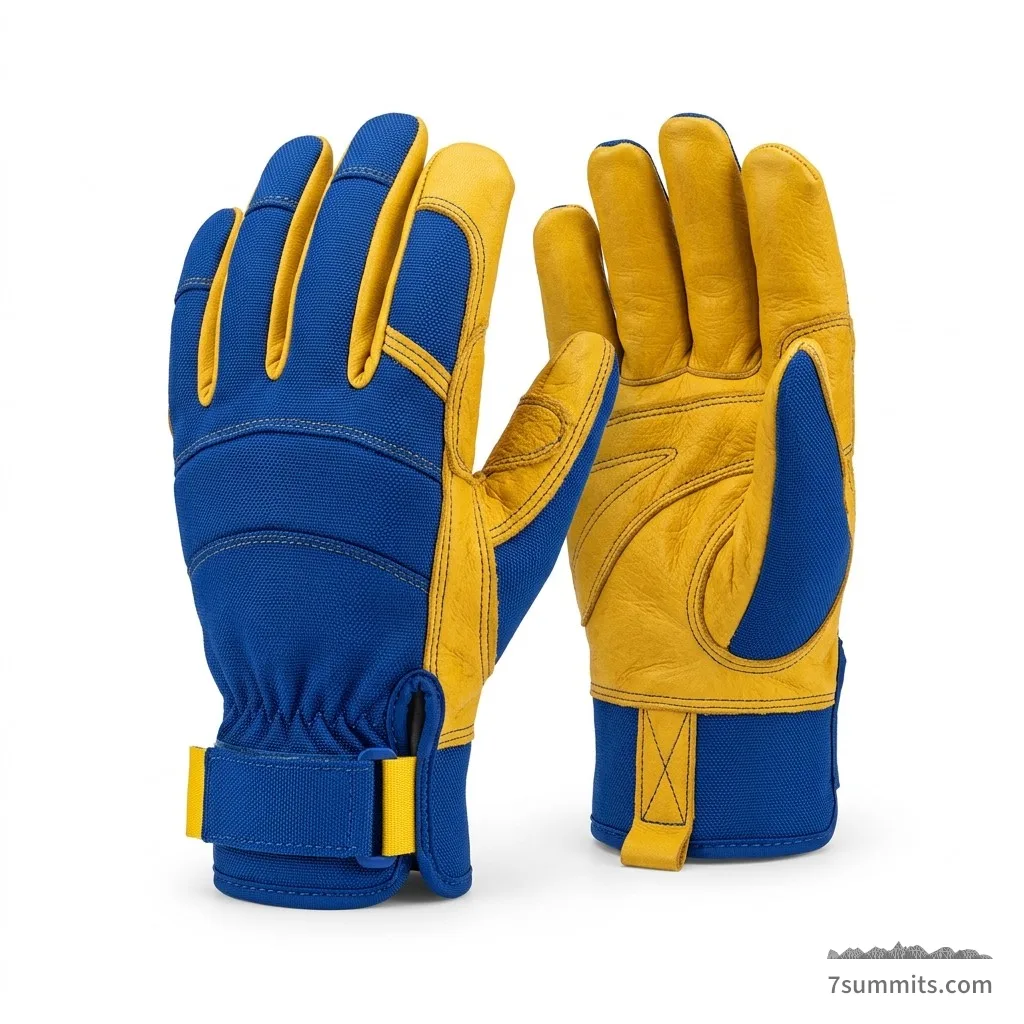 Leather-palmed work gloves (rock and fixed lines) | Light leather gloves for pitching tents in the high camps save the good gloves |
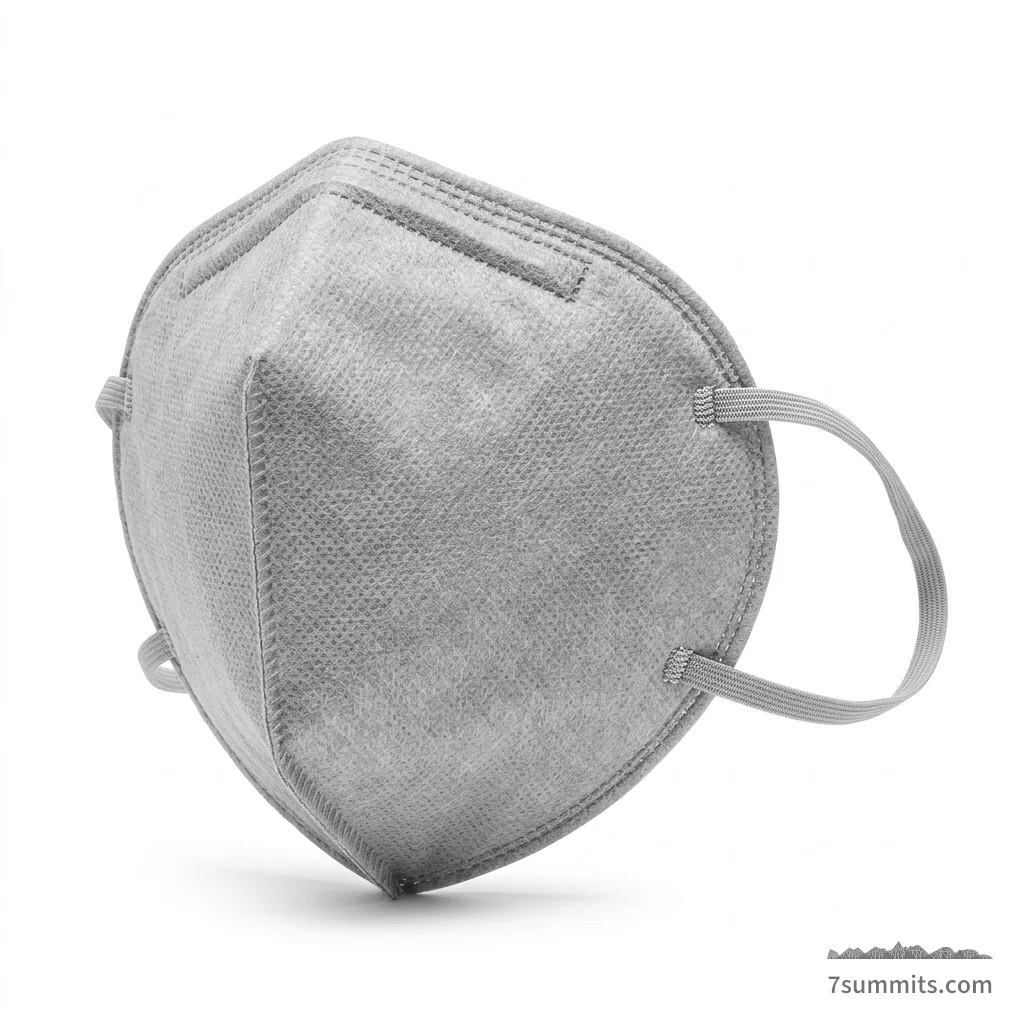 Dust mask | A few disposable ones for the dust of the trail and the mule trains on the trek in |
| Gear | |
|---|---|
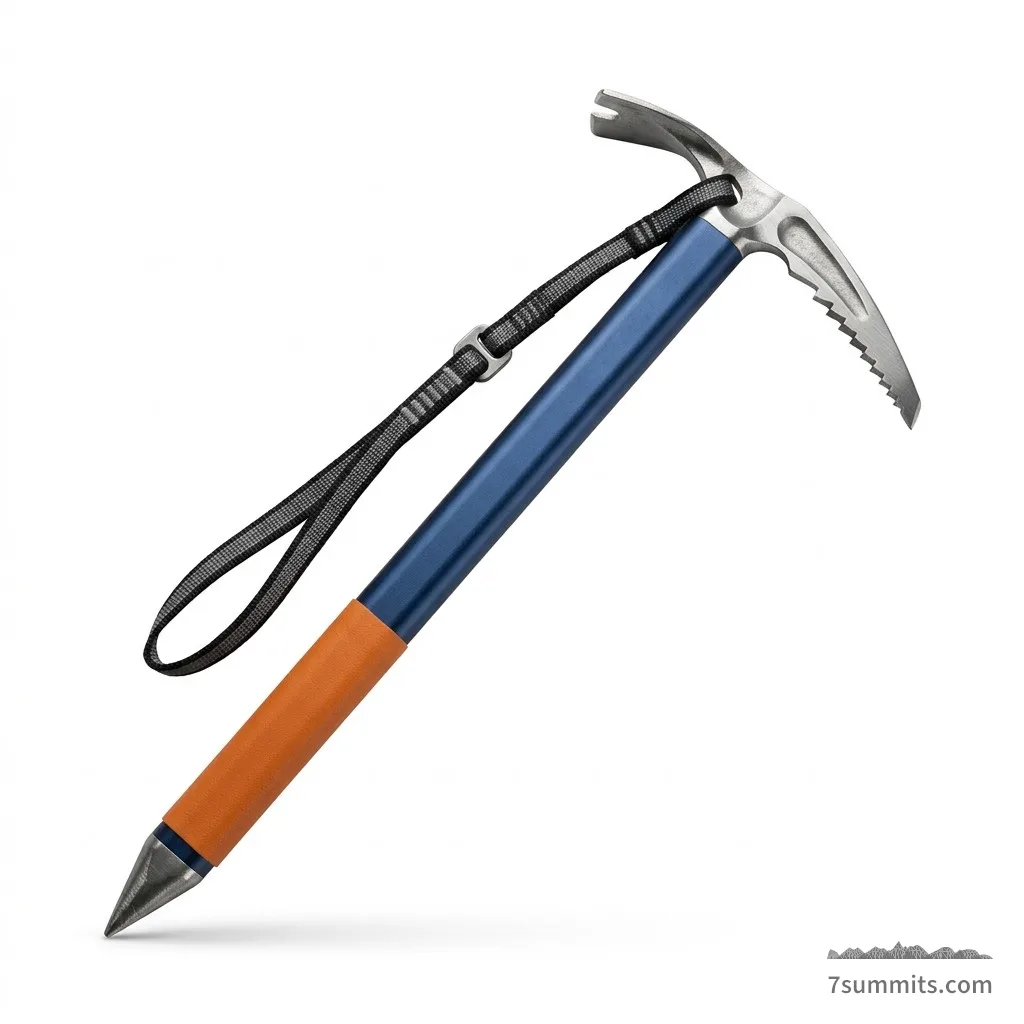 Ice axe | Polish Glacier route: a light mountaineering axe with a leash, needed Normal route and Polish Traverse: ask your operatoroptional |
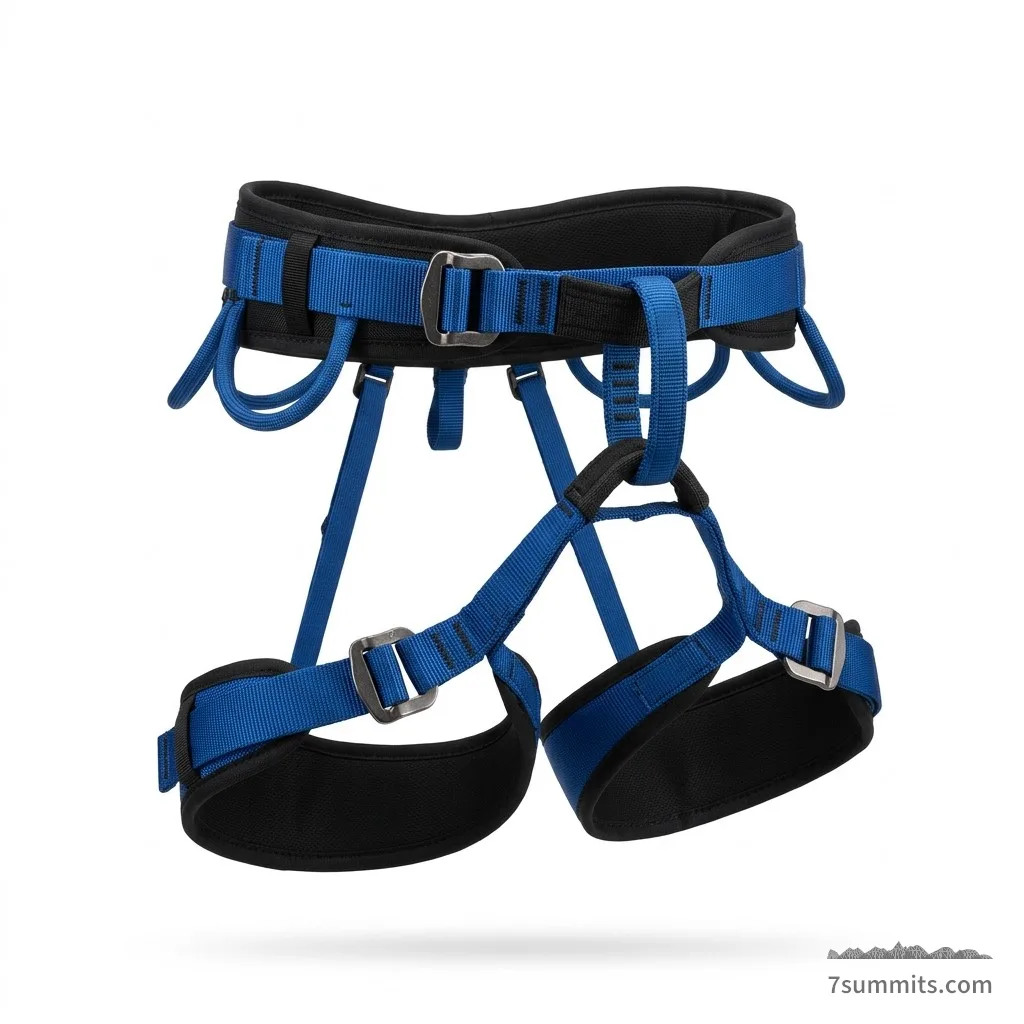 Climbing harness | Polish Glacier route: a light alpine harness with adjustable leg loops, needed Normal route and Polish Traverse: ask your operatoroptional |
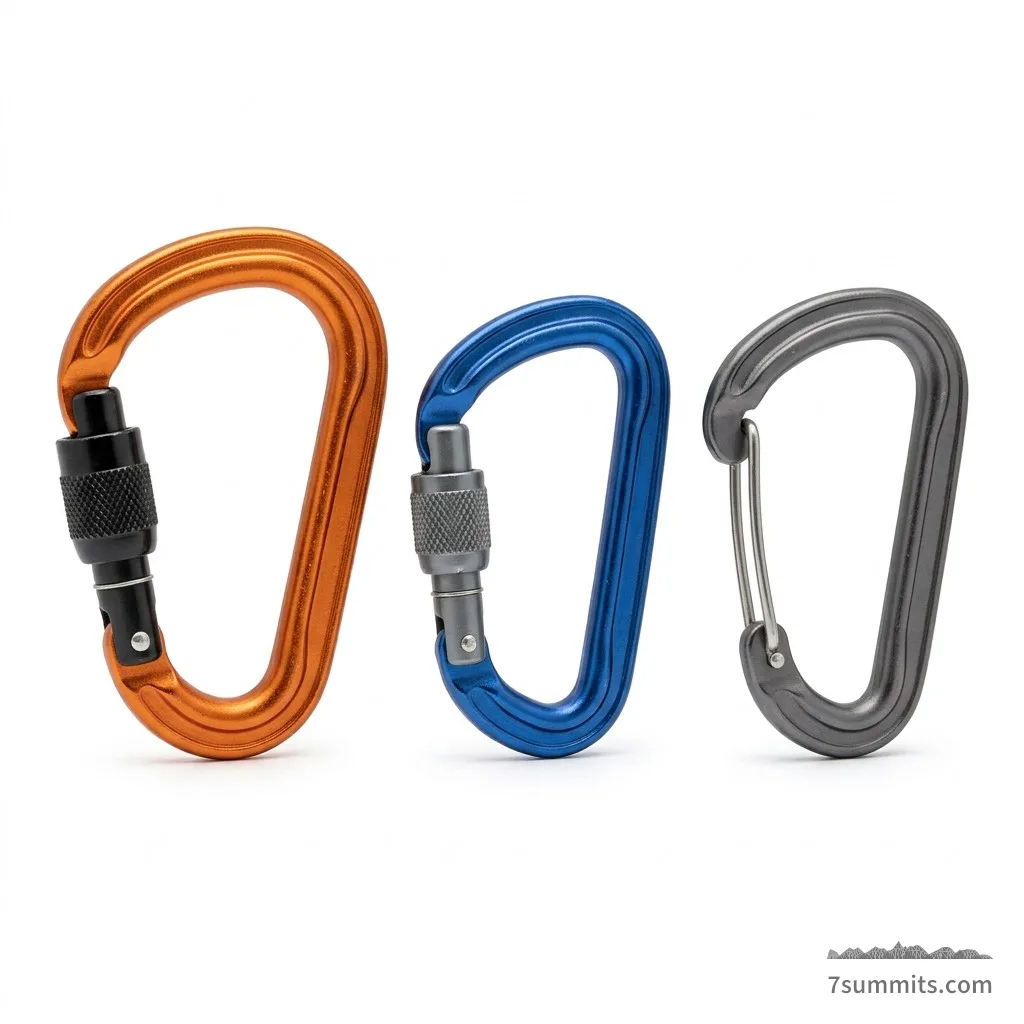 Carabiners (locking and non-locking) | Polish Glacier route: locking carabiners with the harness, needed Normal route and Polish Traverse: ask your operatoroptional |
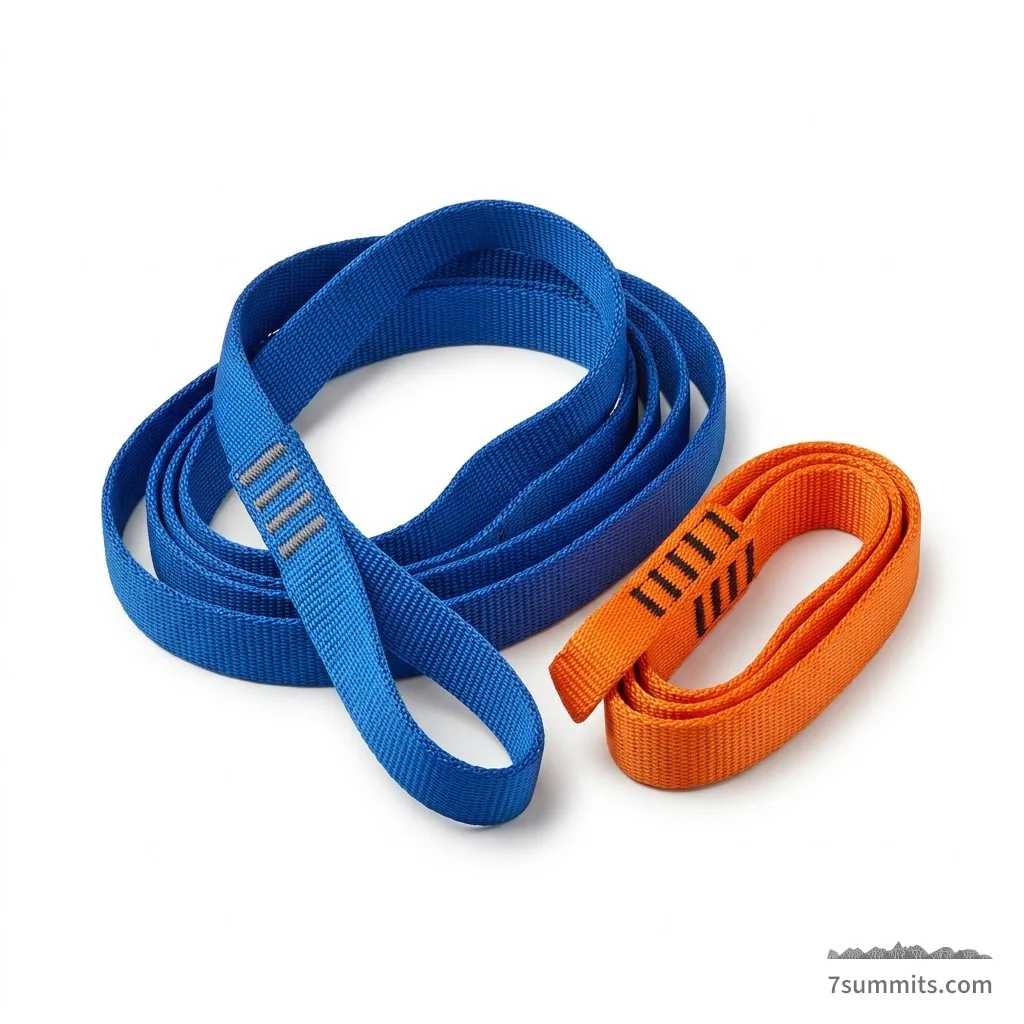 Slings and cowstails | Polish Glacier route: a sewn sling or two with the harness, needed Normal route and Polish Traverse: ask your operatoroptional |
| Snow and ice protection | Polish Glacier route: a couple of ice screws, needed Normal route and Polish Traverse: ask your operatoroptional |
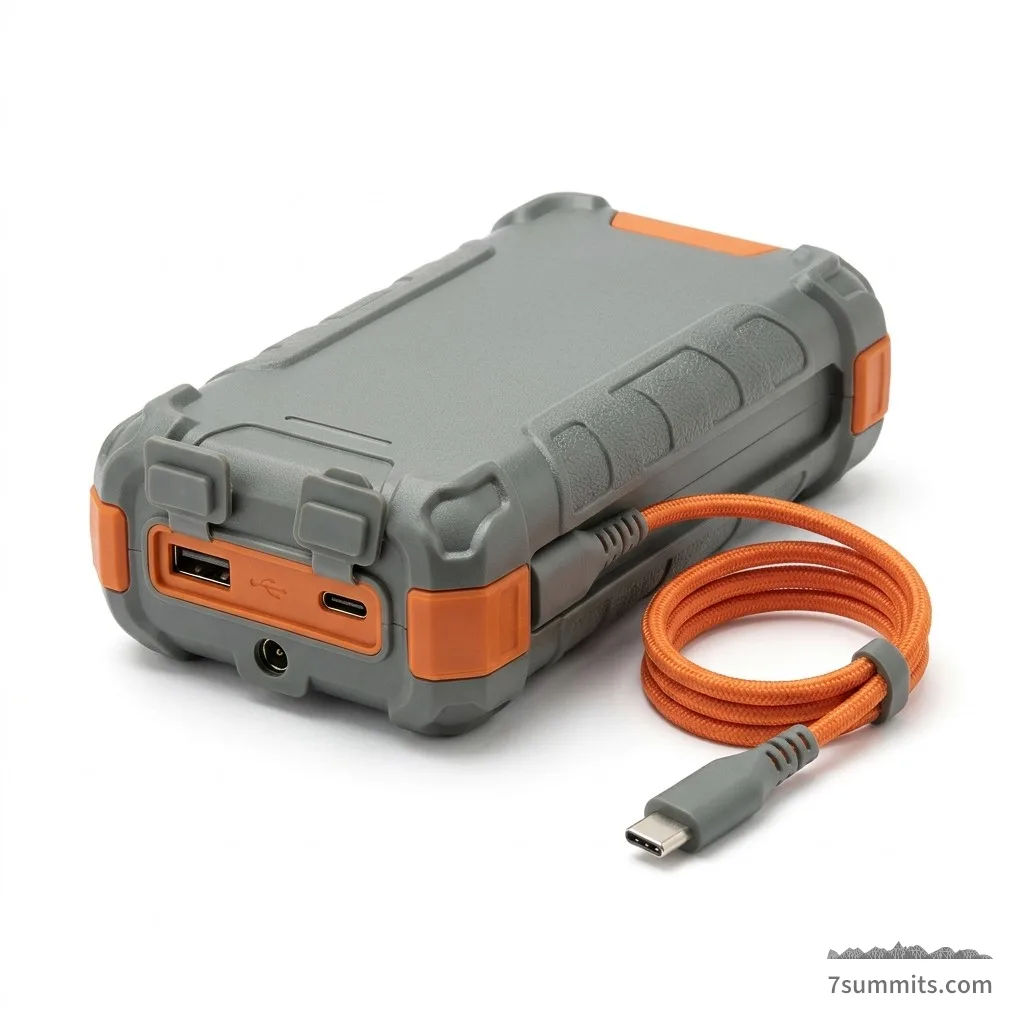 Power bank (or solar panel) | A power bank or small solar panel for the high camps; the base camps sell charging (some include it) |
| Two-way radios | Your operator's; an independent team brings its own |
| Camp | |
|---|---|
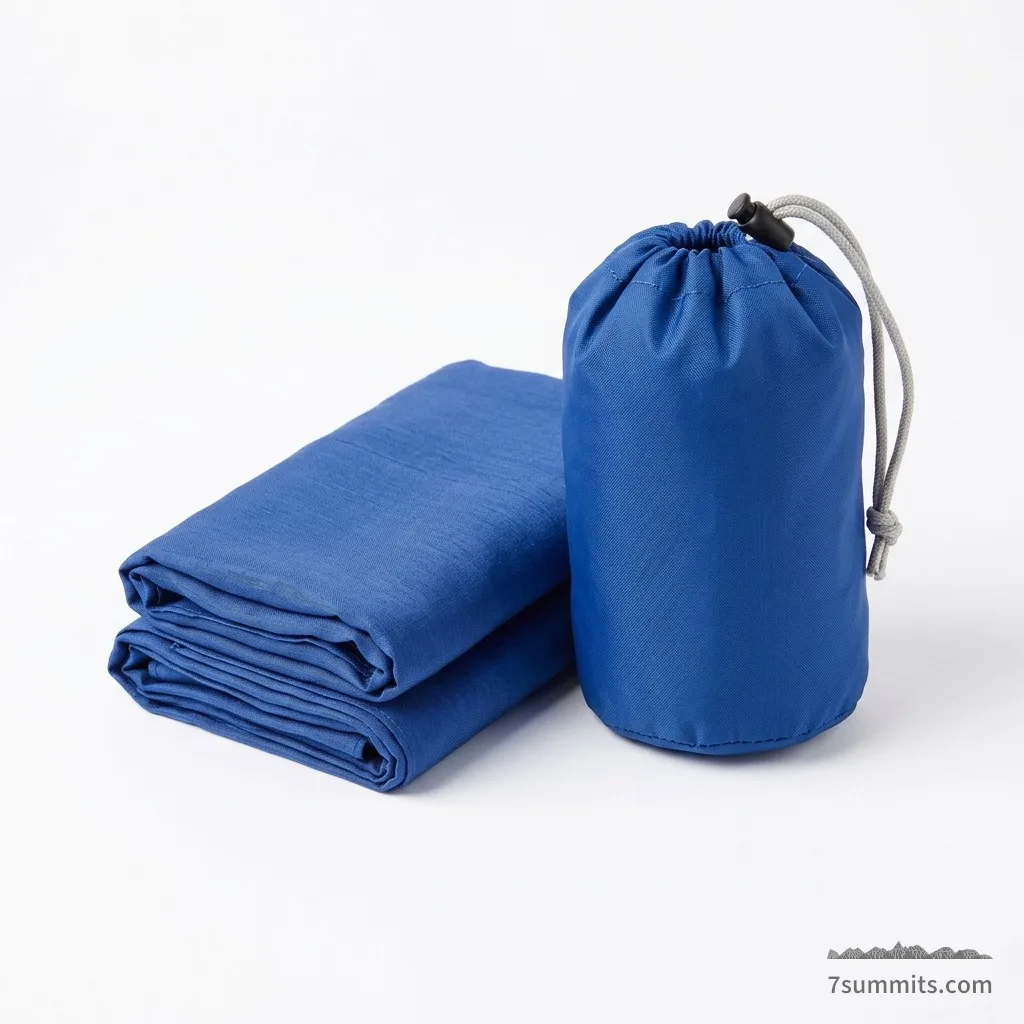 Sleeping-bag liner (thermal or vapour-barrier) | Silk or fleece: keeps the bag clean and adds a little warmth |
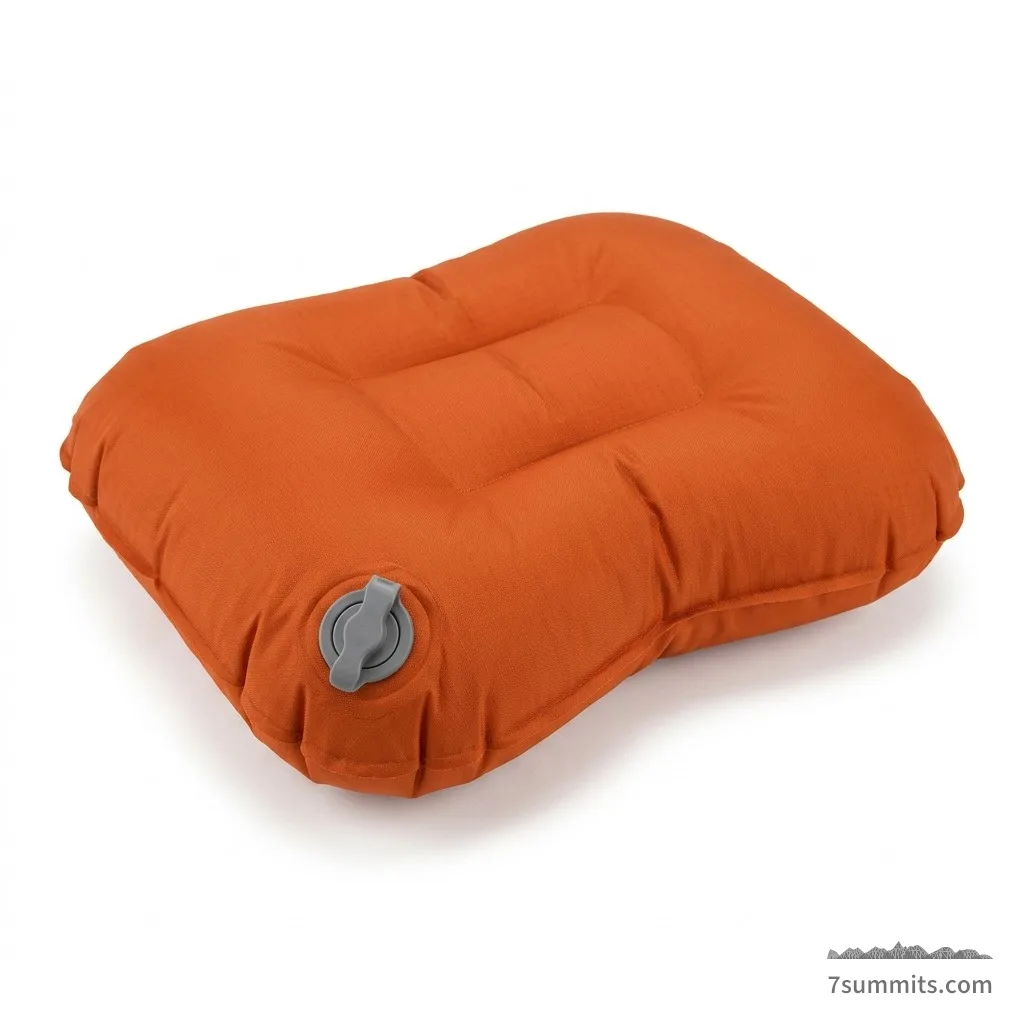 Pillow | Inflatable, or a pillowcase you stuff with the down jacket |
| Snow shovel and snow saw | The operator's; the porters carry the shovels with the tents |
| Insect repellent | For Mendoza only |
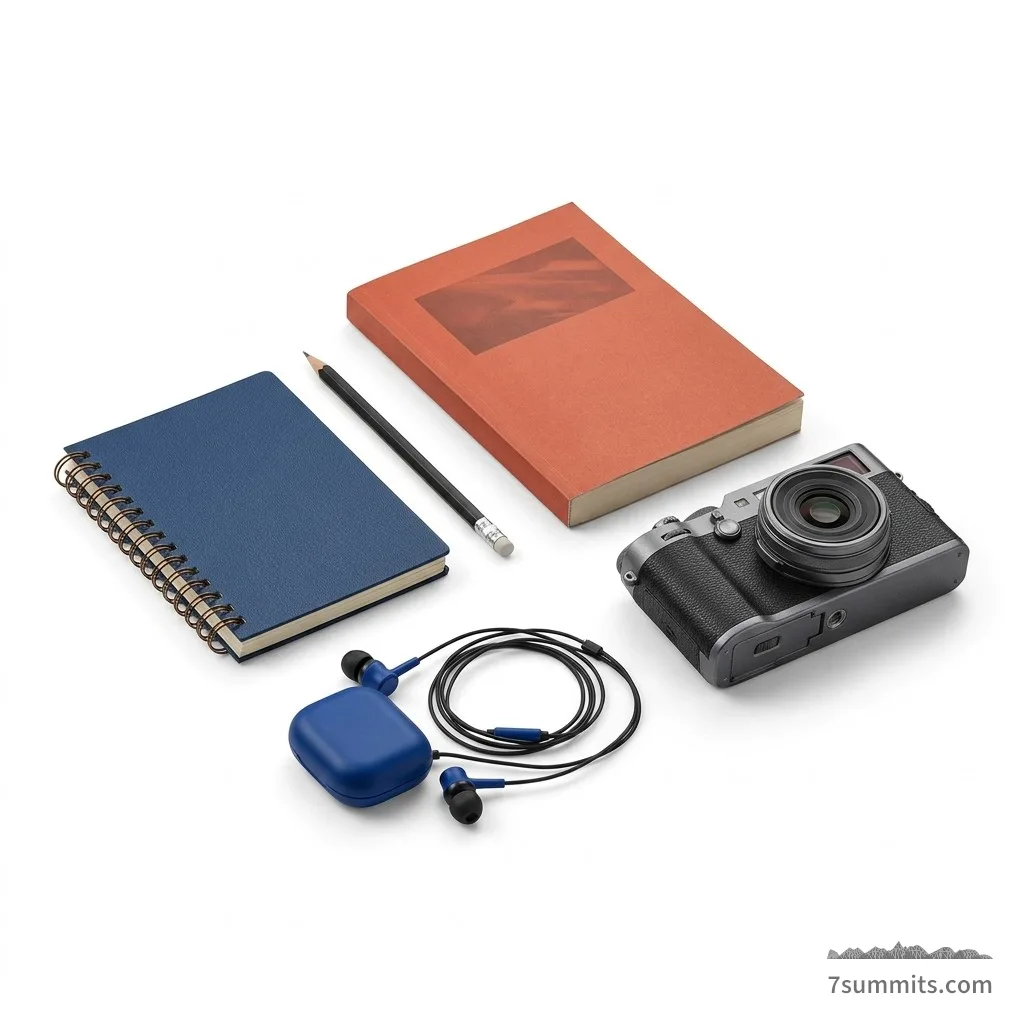 Camera, book, cards, notebook | Camera, a book, cards; rest days in base camp are long |
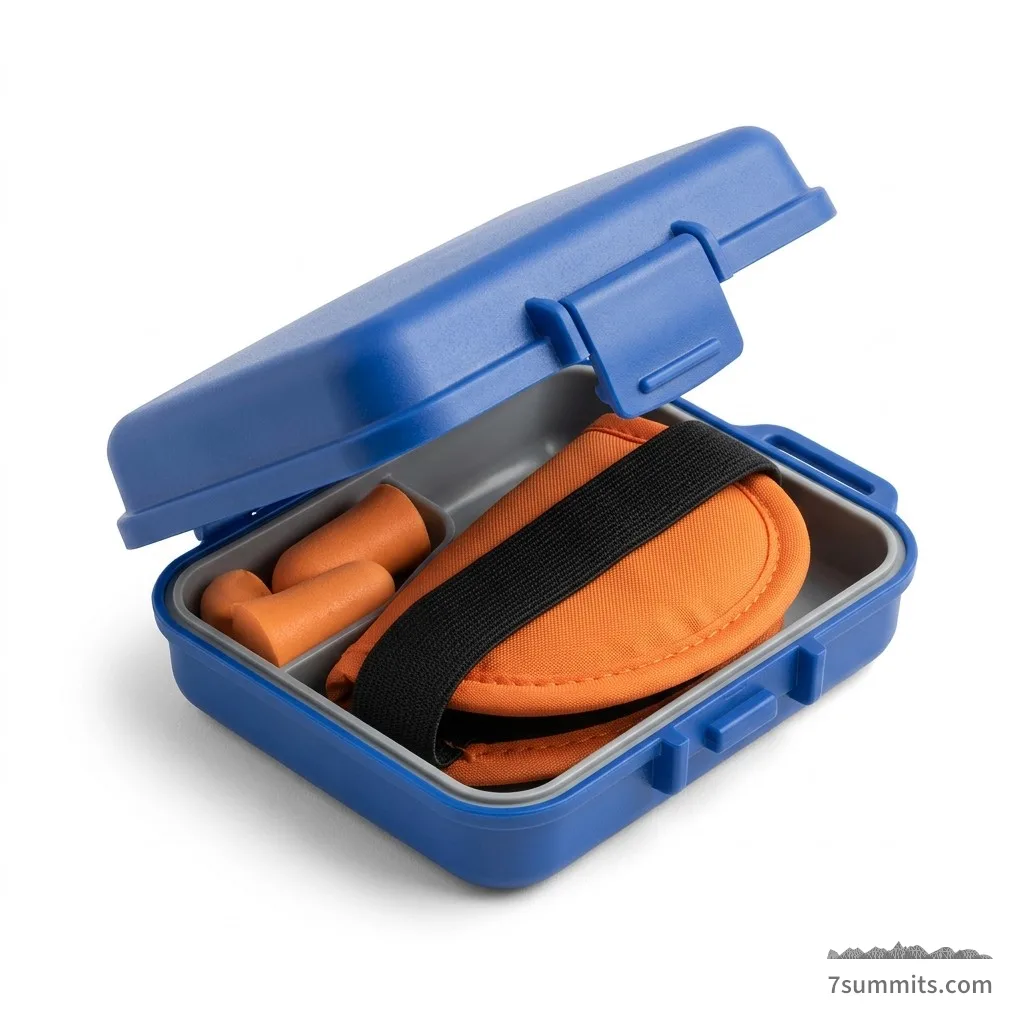 Earplugs and eye mask | For the wind and shared tents; an eye mask if you sleep in daylight |
Team equipment
On a guided climb your operator brings these; an independent team brings its own.
| Gear | |
|---|---|
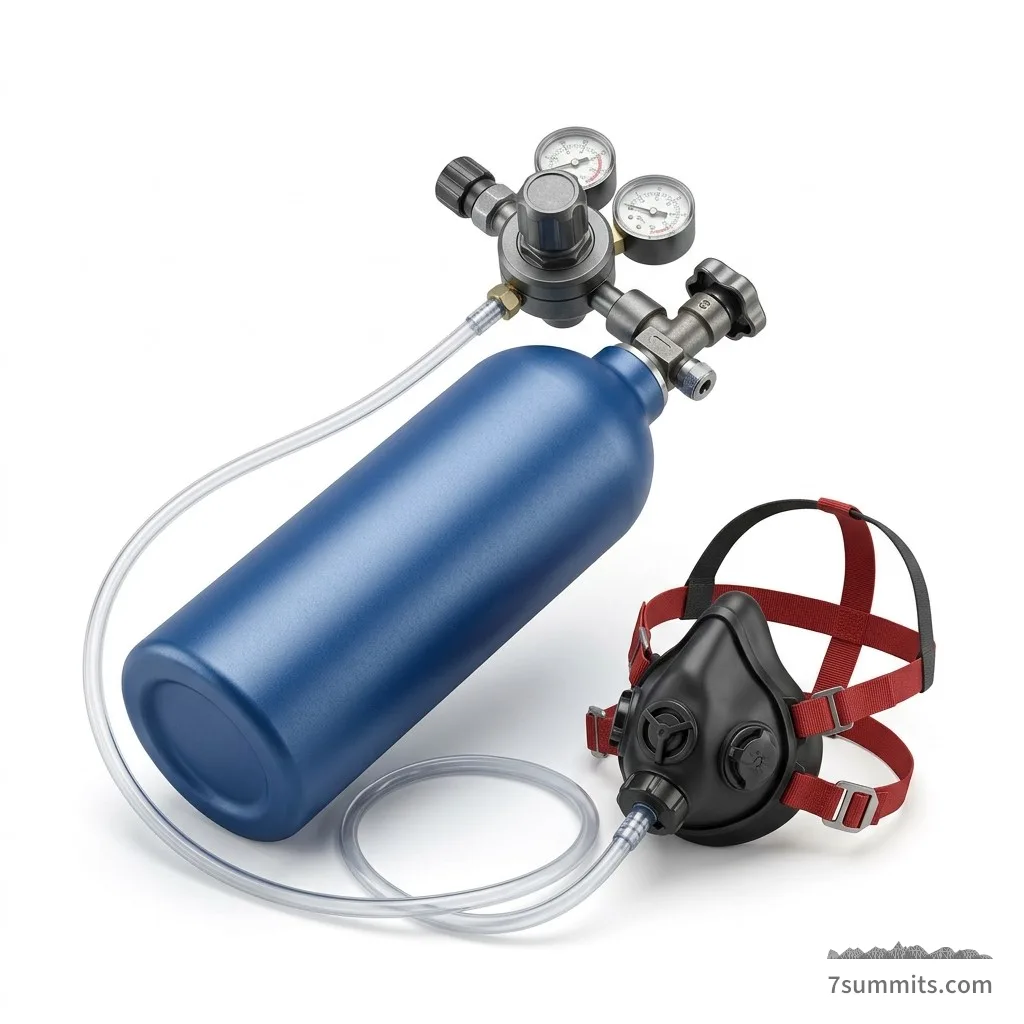 Oxygen (bottles, mask and regulator) | Emergency oxygen is the guides' (12 say they carry it); climbing on oxygen is a paid extra a few sell (about €1,200 to US$2,100): most climb without |
| Camp | |
|---|---|
| Tent (with snow stakes where the ground is snow) | Your operator's, at base camp and in the high camps (55 say so): ask whether porters carry them between camps or you carry a share |
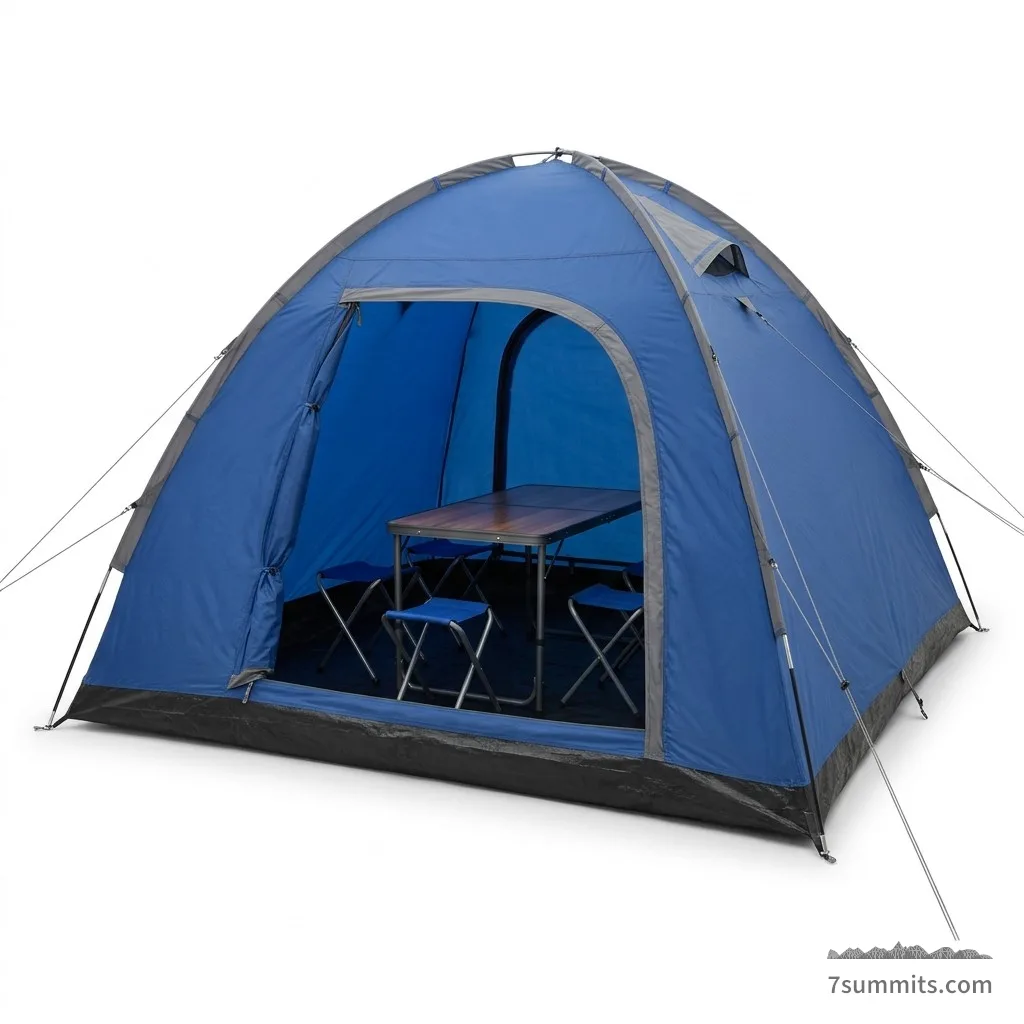 Kitchen or mess tent | Your operator's dining dome at base camp (42 say so); a few also have one in the high camps |
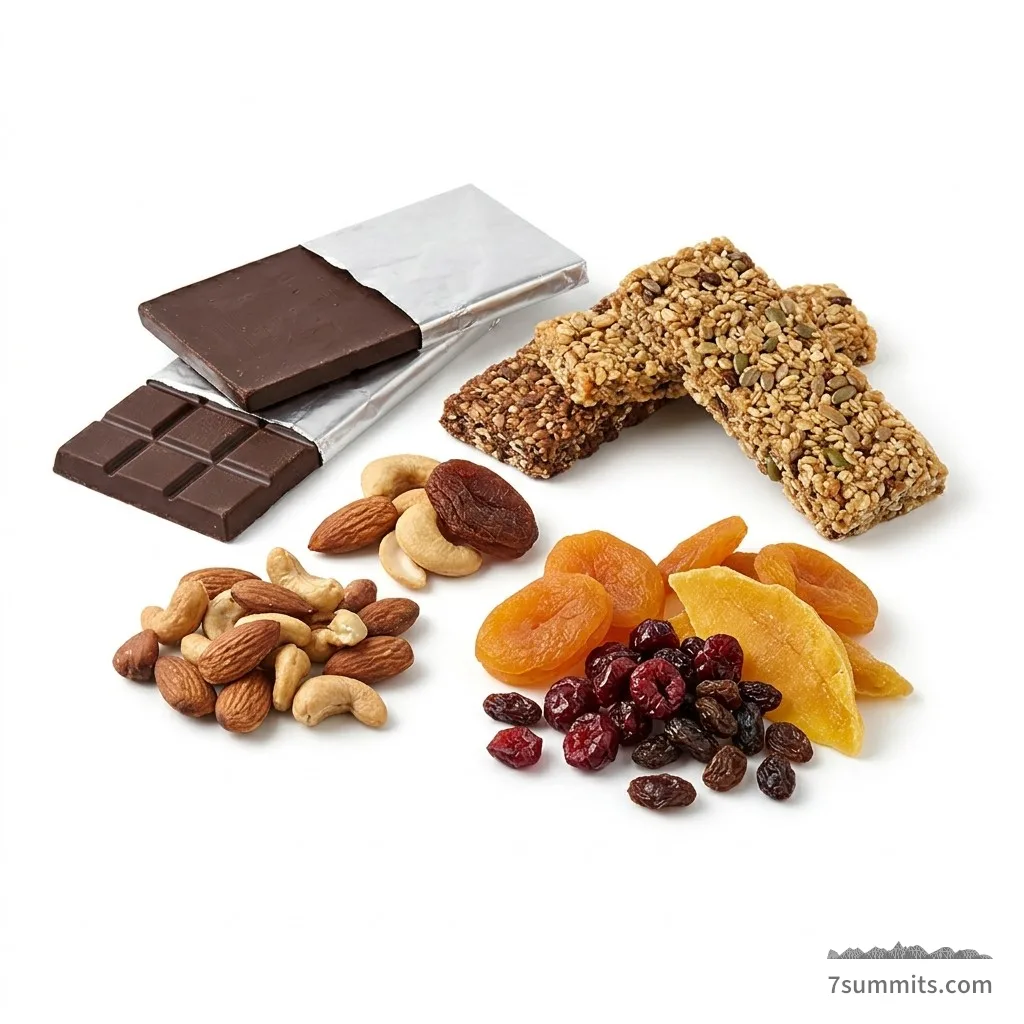 Food and snacks | Meals are the operator's, but on many climbs lunches and snacks above base camp are yours (26 say not included), check yours; bring what you crave |
| Stove (with lighters and matches) | Your operator's (41 say so) |