








The full Carstensz Pyramid gear list, the rock rack and the wet-cold clothing, item by item.
Written from the kit lists expedition operators and climbers use today. Standard is what you need; optional is what some climbers add. No quantities: how many is yours to decide.
Sign in to tick what you already own. · Every item, explained
Standard
| Clothing | |
|---|---|
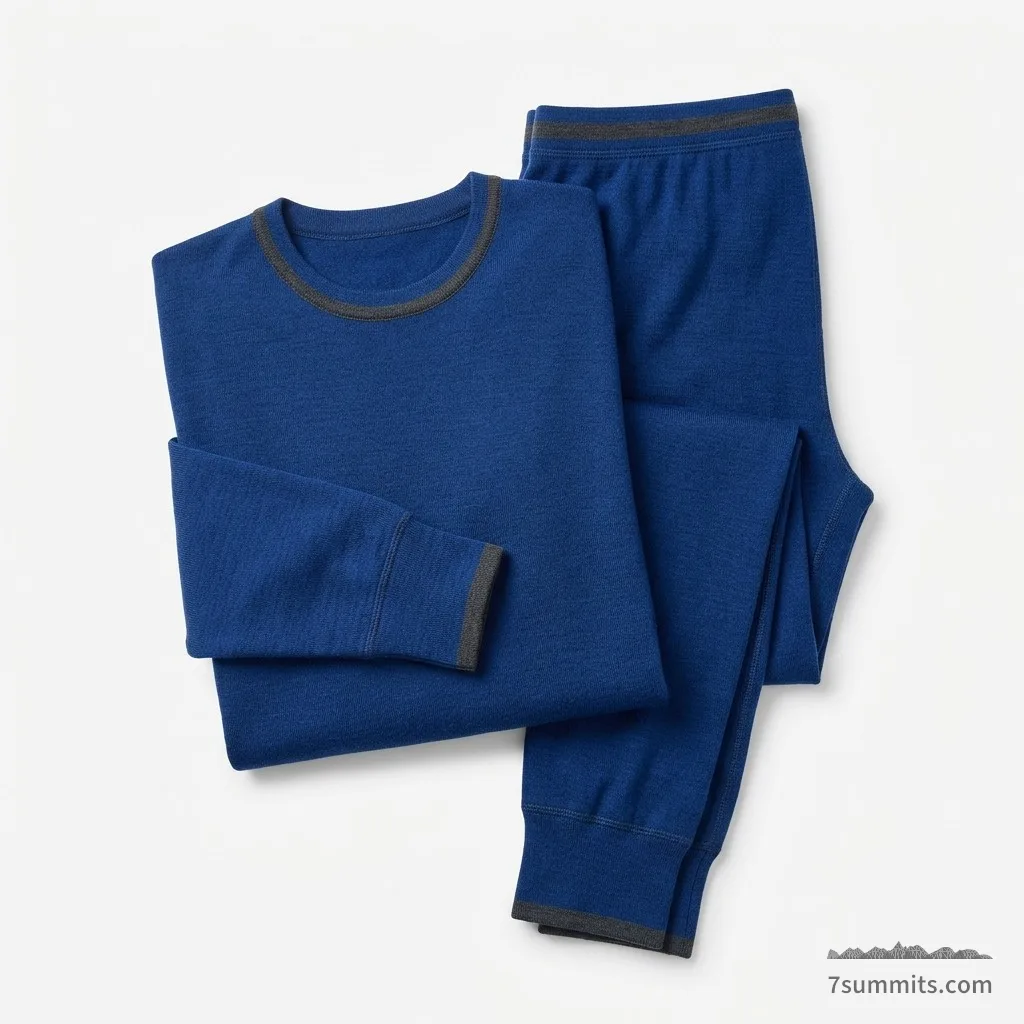 Base layers (top and bottom) | Light merino or synthetic top and bottom, never cotton; a spare set, because it rains |
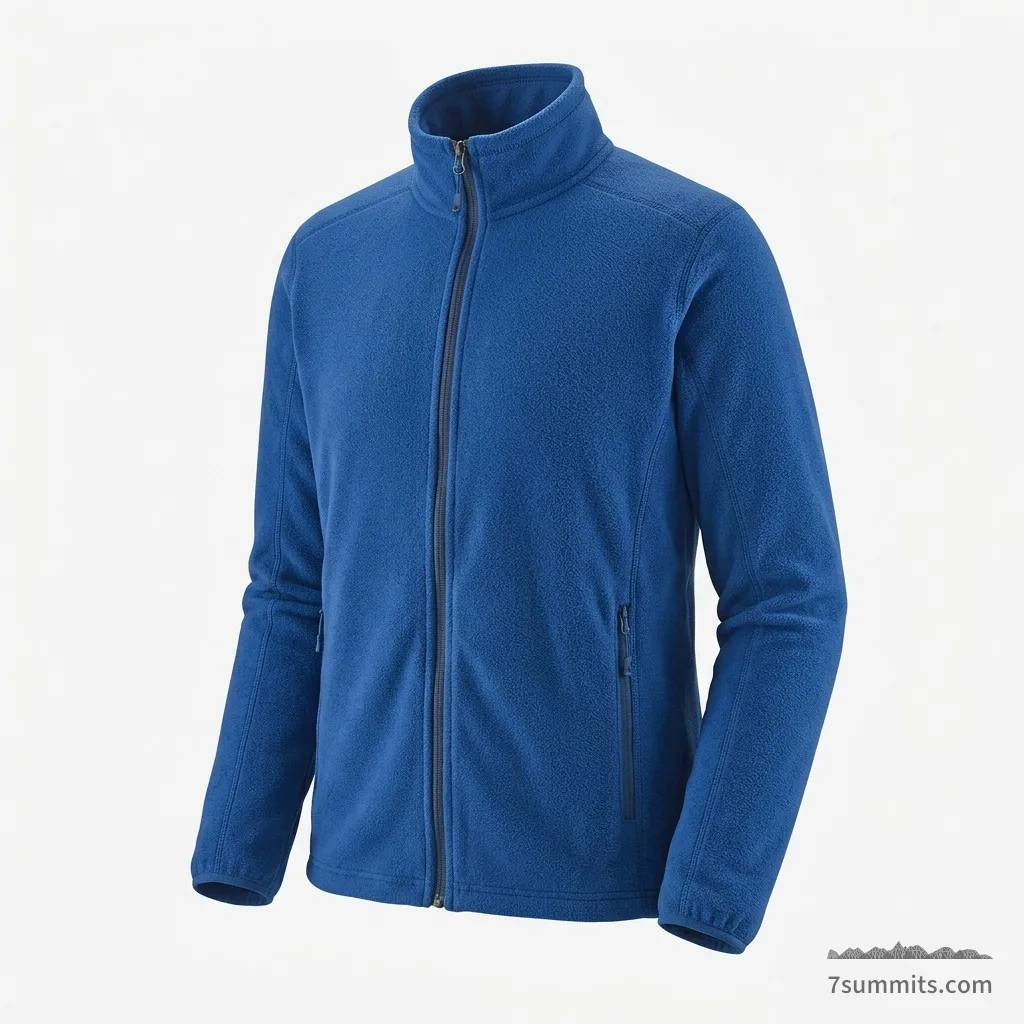 Mid-layers (fleece or light insulated top) | A light fleece or synthetic jacket to layer under the shell; synthetic dries faster (Berg) |
| Mid-layer trousers (softshell or fleece) | Stretchy softshell climbing trousers: the limestone shreds them |
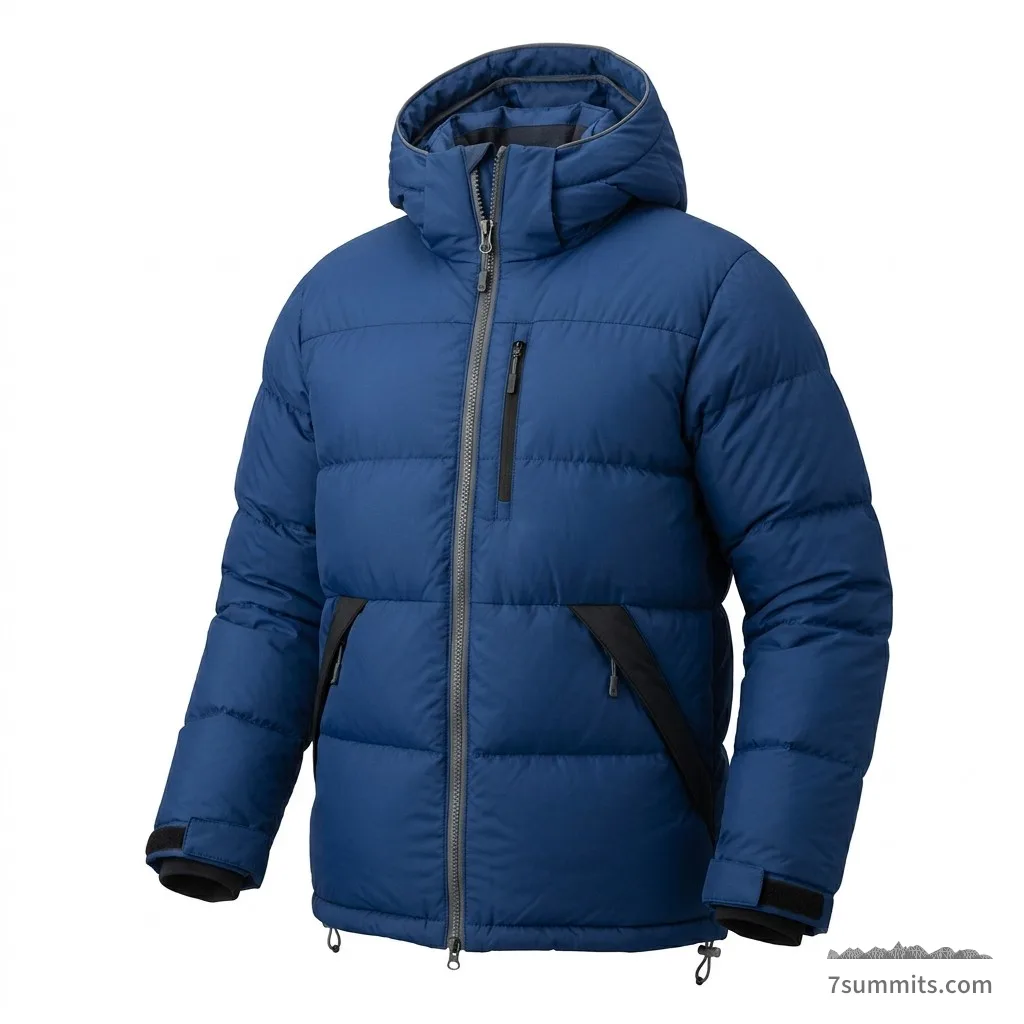 Insulated jacket (down or synthetic) | A hooded synthetic insulated jacket, medium weight, not an expedition parka; down only if you can keep it dry |
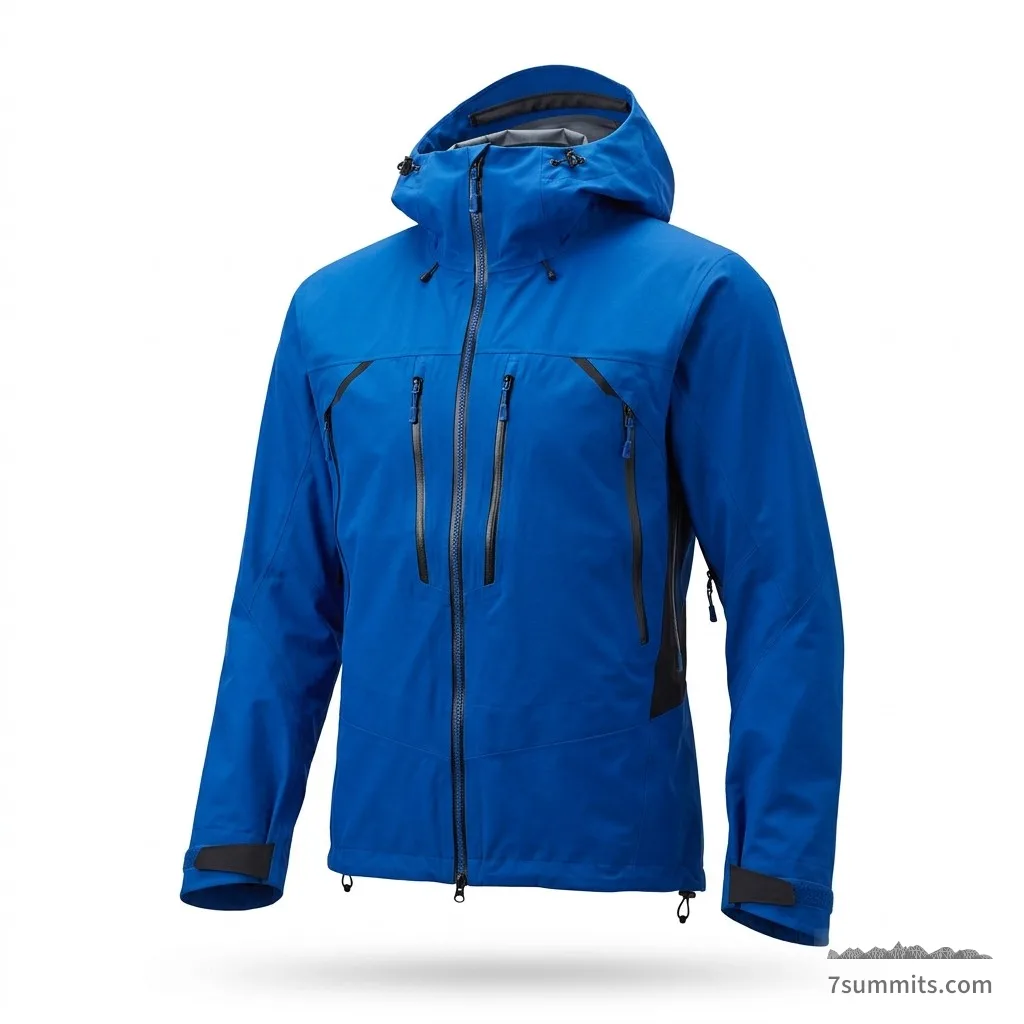 Hardshell jacket | Fully waterproof, with a hood that fits over the helmet: it rains or sleets most afternoons, summit day included |
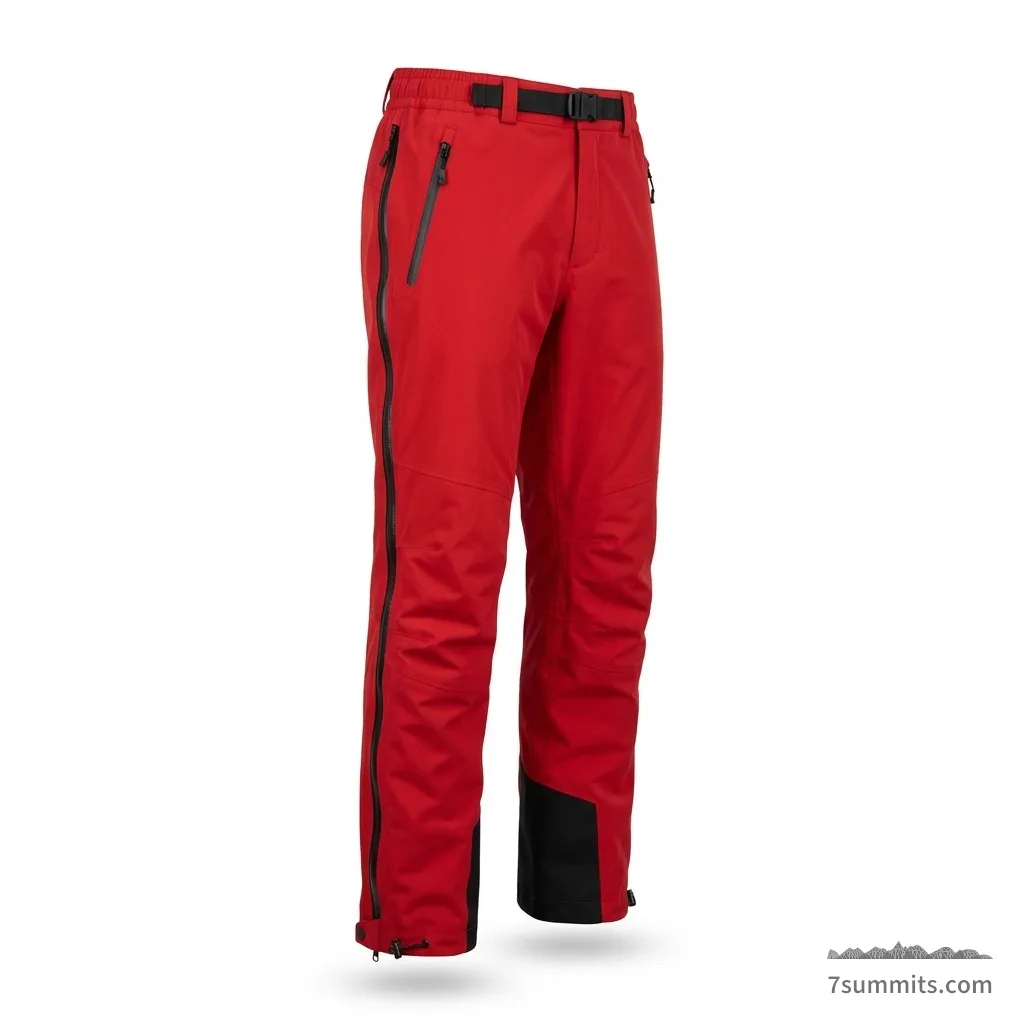 Hardshell trousers | Fully waterproof, with side zips; expect them to be torn on the rock |
| Trekking trousers | Light, quick-drying trousers for travel, the trek and base camp |
| Underwear | Merino or synthetic, never cotton |
| Town and base-camp clothes | Light tropical clothes for Bali and Timika: shorts, T-shirts, a swimsuit, one smarter shirt; they stay in the hotel bag |
| Head, hands & feet | |
|---|---|
| Mountaineering boots | The rock and summit day: a light single-layer mountaineering boot (B2–B3 class): waterproof, stiff enough to edge on limestone, sticky rubber, not insulated The rock, instead of boots: approach or rock shoes, worn a size up over neoprene or waterproof socks: only if you climb well on rock (Alpenglow, Berg)optional |
| Trekking boots or trail shoes | Jungle trek: light, waterproof trekking boots you have worn in: they will be wet for days; many trekkers walk in rubber boots instead Helicopter climbs: approach shoes or light hiking boots for base camp and the walk to the foot of the face |
| Warm socks | Wool or synthetic socks, several pairs; one pair kept dry in a bag for summit day: everything else will be wet |
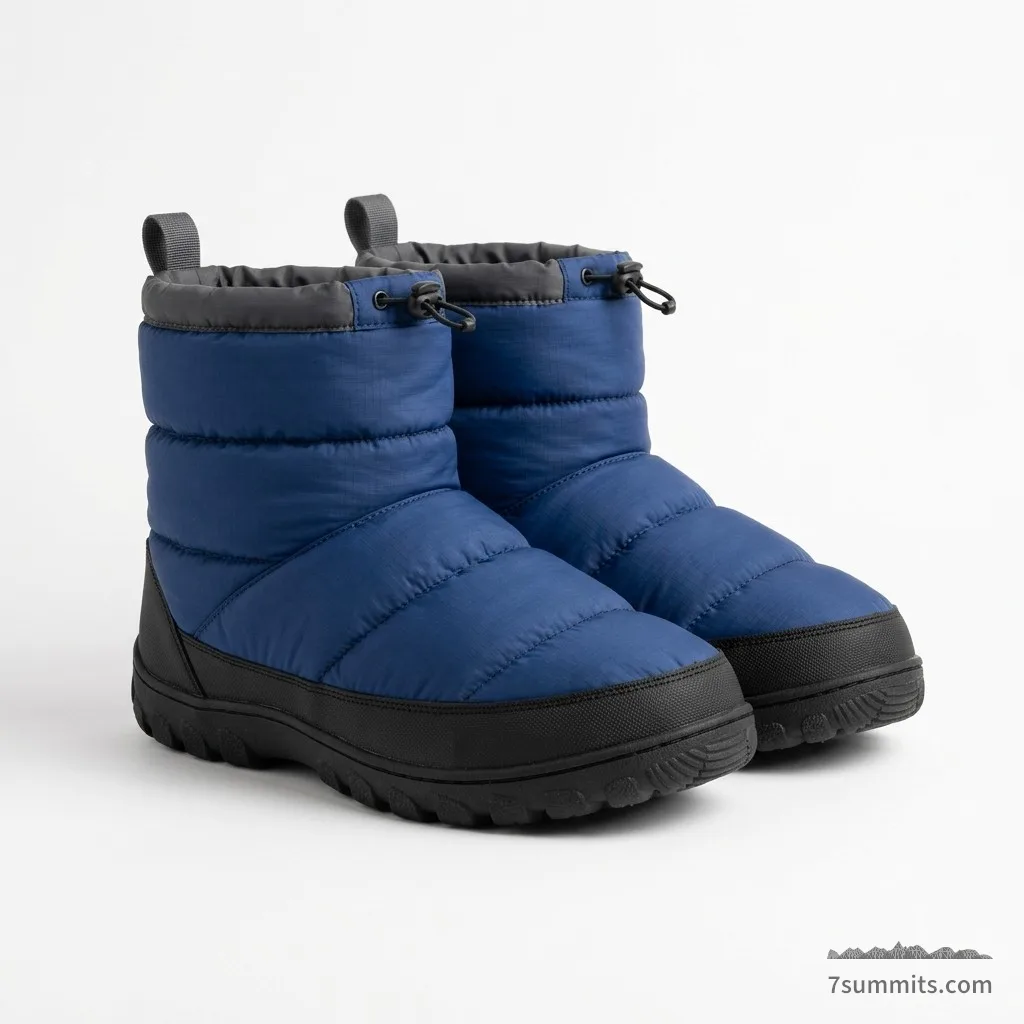 Camp shoes | Trainers, Crocs or sandals for base camp, the hotels and getting out of wet boots; down booties are optional |
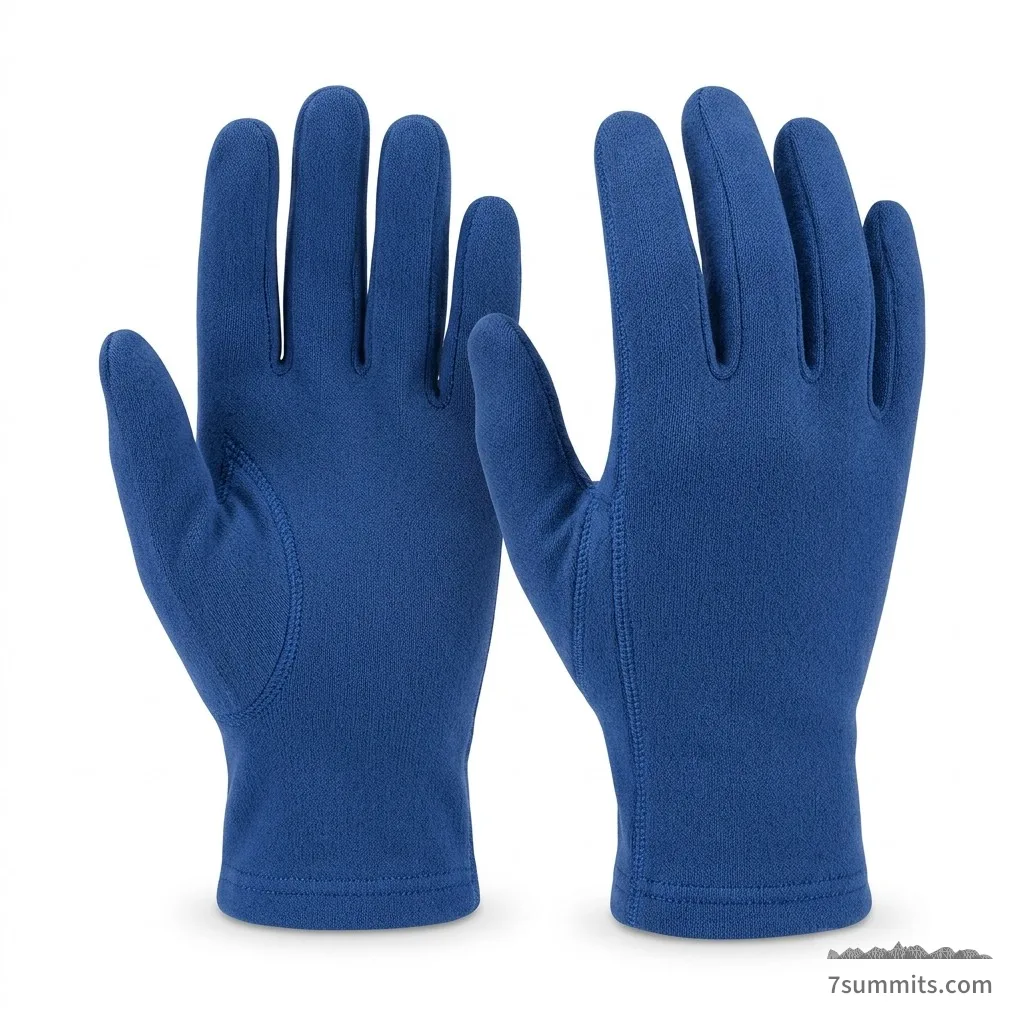 Liner gloves | Thin gloves for warm days and under the warm gloves |
| Warm gloves | Insulated, waterproof gloves for the cold, wet summit ridge, and a spare dry pair; rain soaks the first pair |
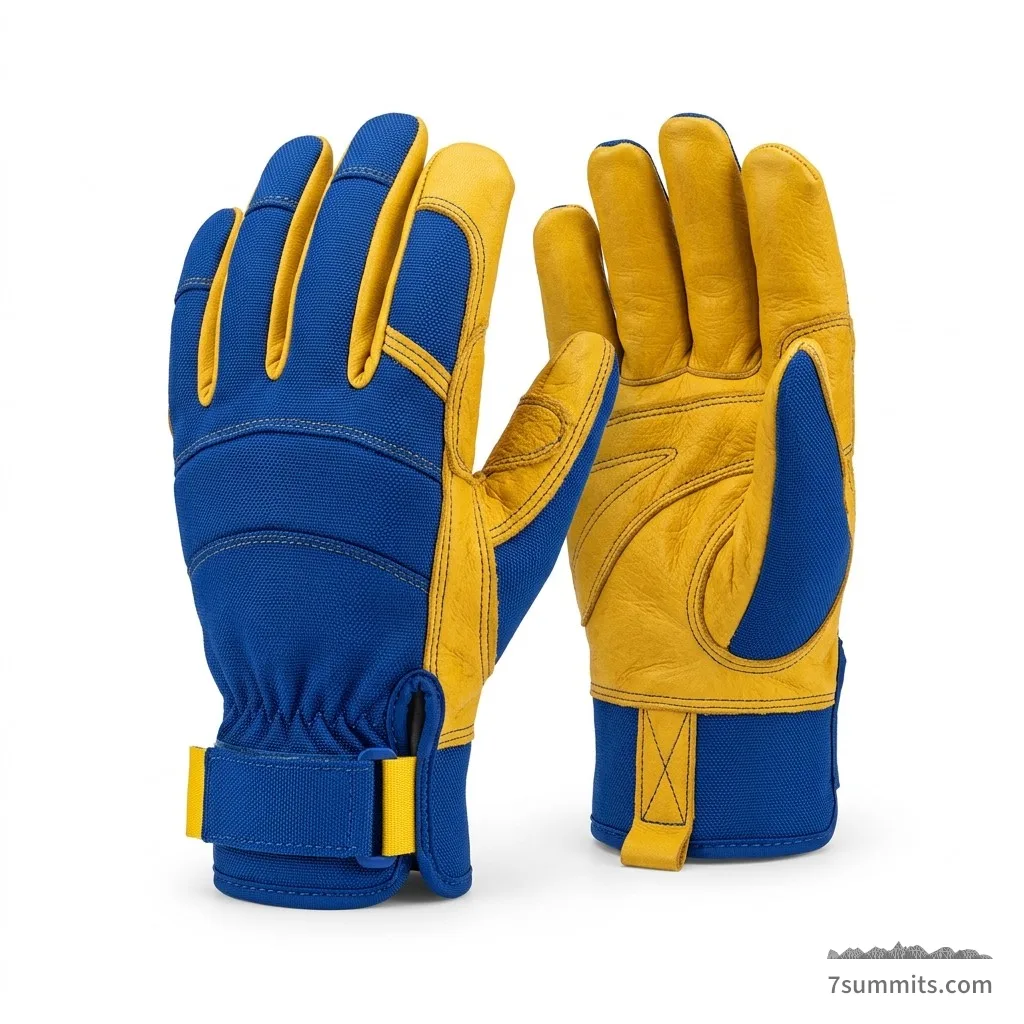 Leather-palmed work gloves (rock and fixed lines) | Leather or rubber-dipped work gloves for the fixed lines and the rock: the limestone is razor-sharp; bring more than one pair |
| Warm hat | A warm hat that covers the ears and fits under the helmet |
| Sun hat | A cap or sun hat with a brim |
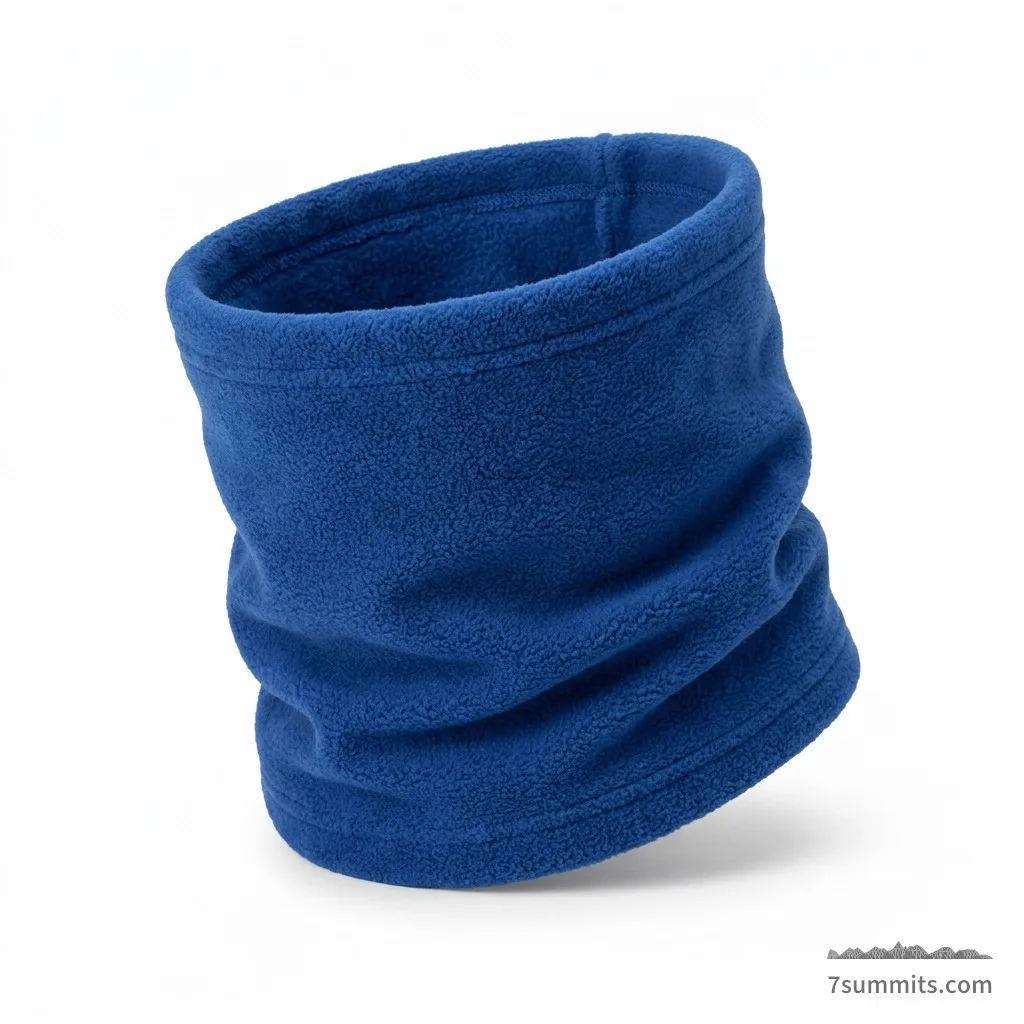 Neck gaiter or buff | A buff or neck gaiter: sun, sweat and wind, and it fits under the helmet |
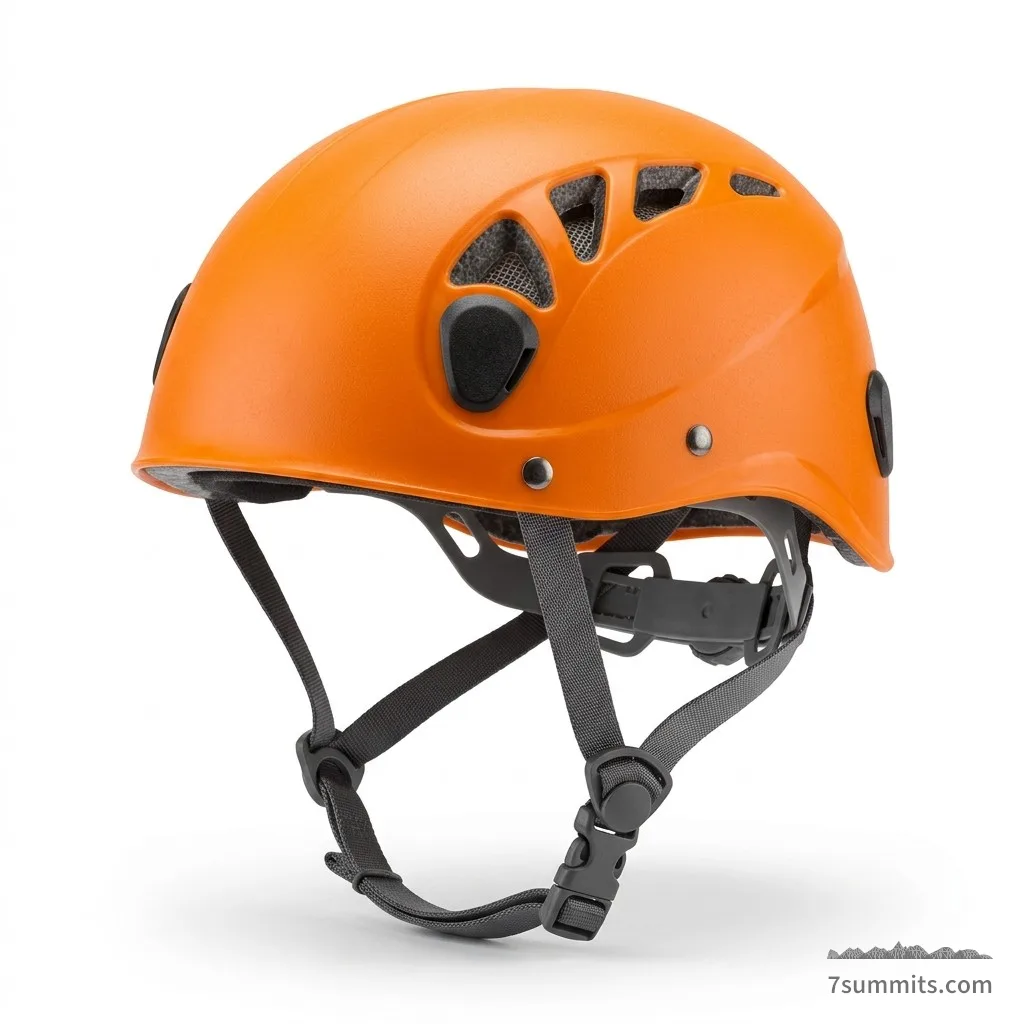 Climbing helmet | A climbing helmet that fits over the warm hat: there is loose rock in the gullies low on the route |
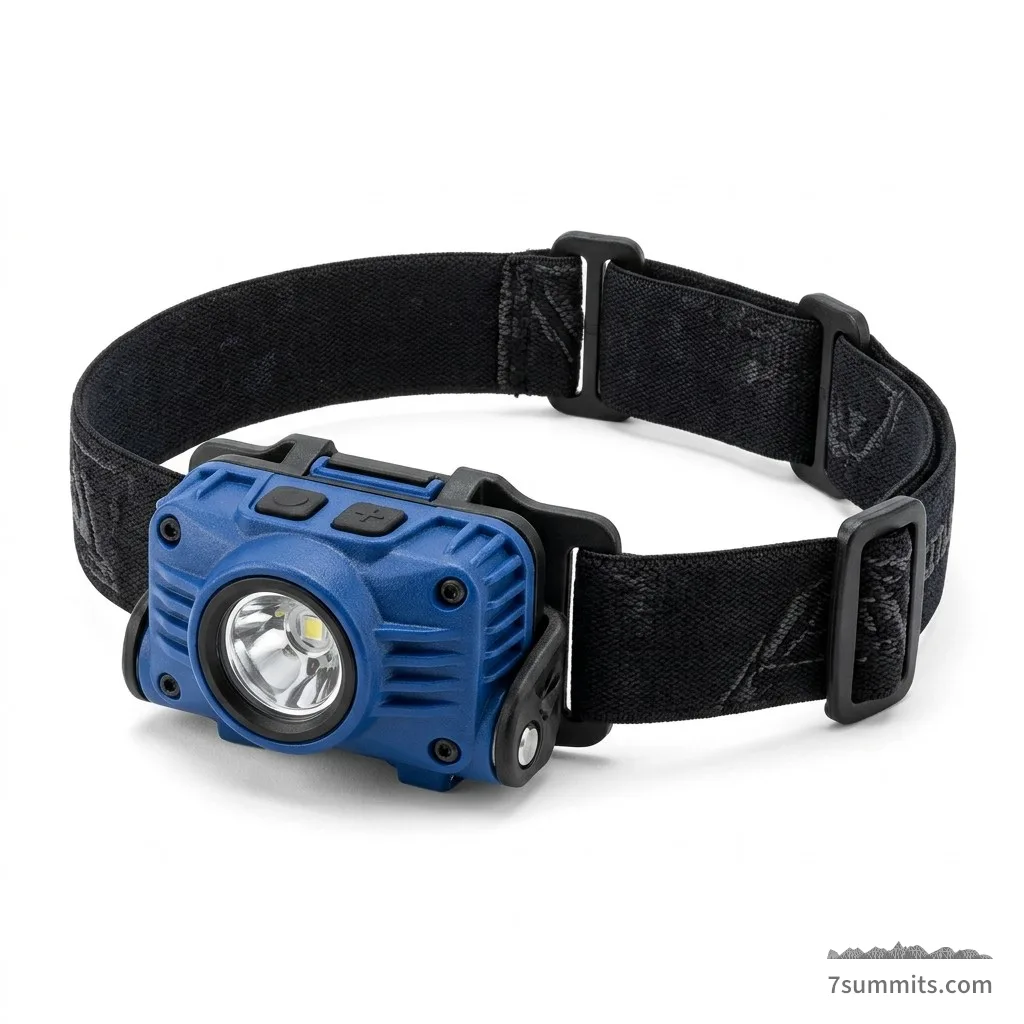 Headlamp (with spare batteries) | Summit day starts in the dark: a headlamp with spare batteries; there is nowhere to charge at base camp; a second light is optional |
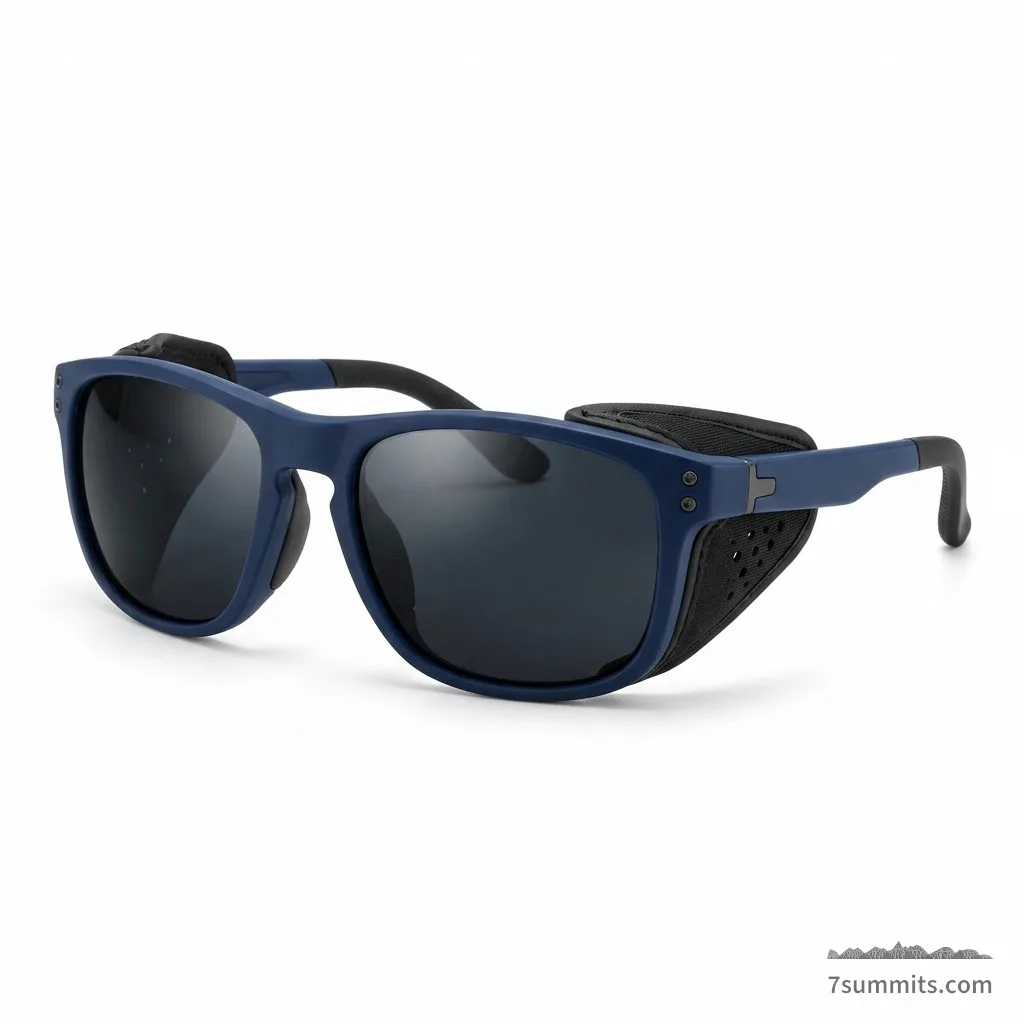 Glacier glasses | Good wrap-around sunglasses, category 3 or 4; a spare pair is optional. If you need glasses to see: prescription lenses, or spare glasses and contacts |
| Gear | |
|---|---|
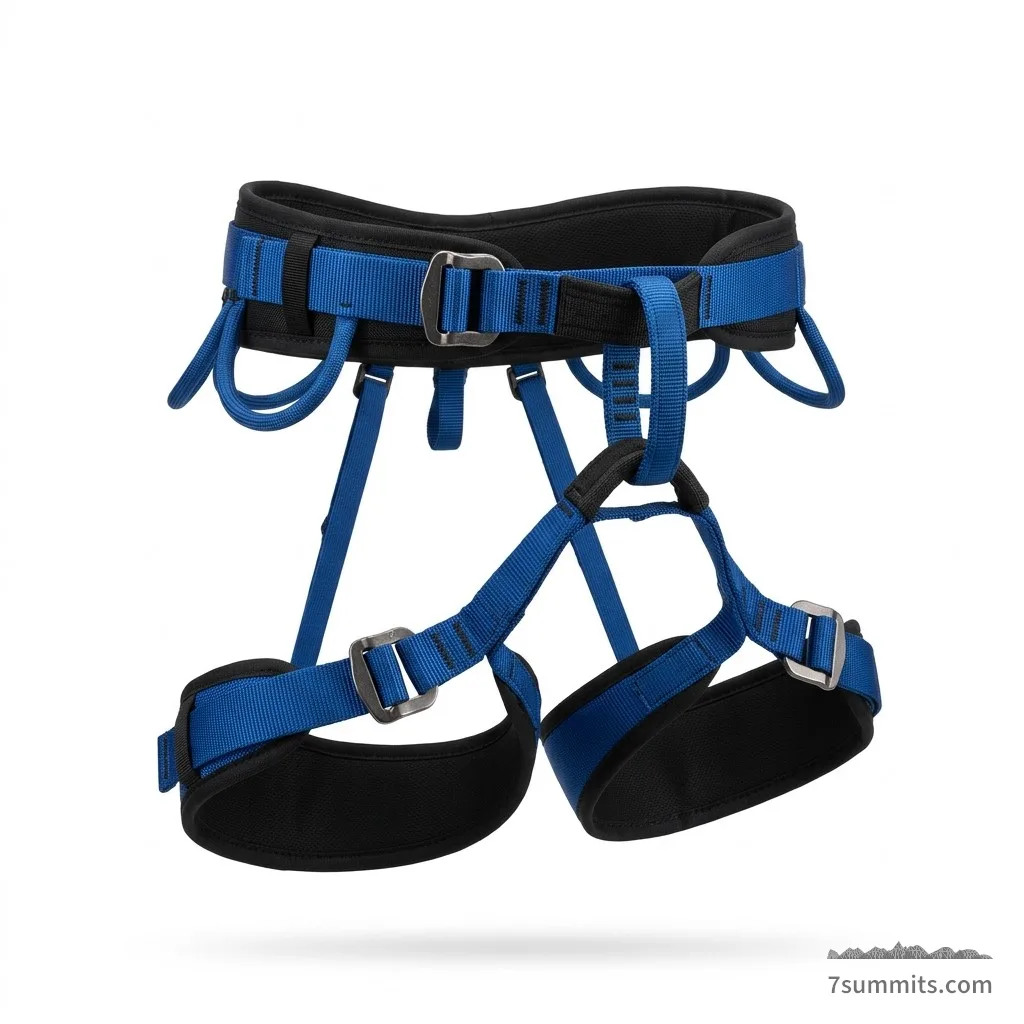 Climbing harness | An alpine harness with adjustable leg loops and a belay loop, that fits over your shell trousers |
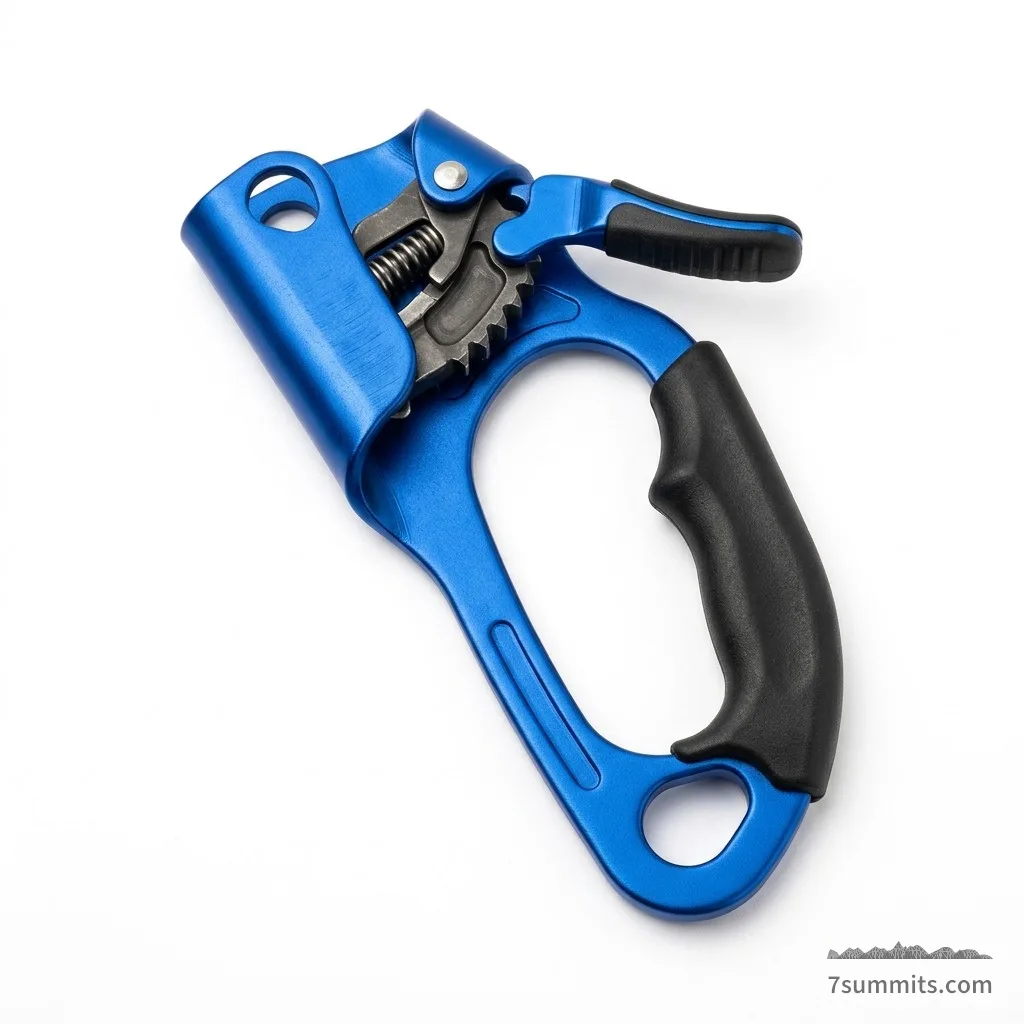 Ascender (jumar) | One handled ascender (jumar) for your strong hand; some lists add a second or a light rope clamp |
| Prusik loops and accessory cord | 6 mm accessory cord, about 5 to 9 m, to rig the ascender and a prusik backup |
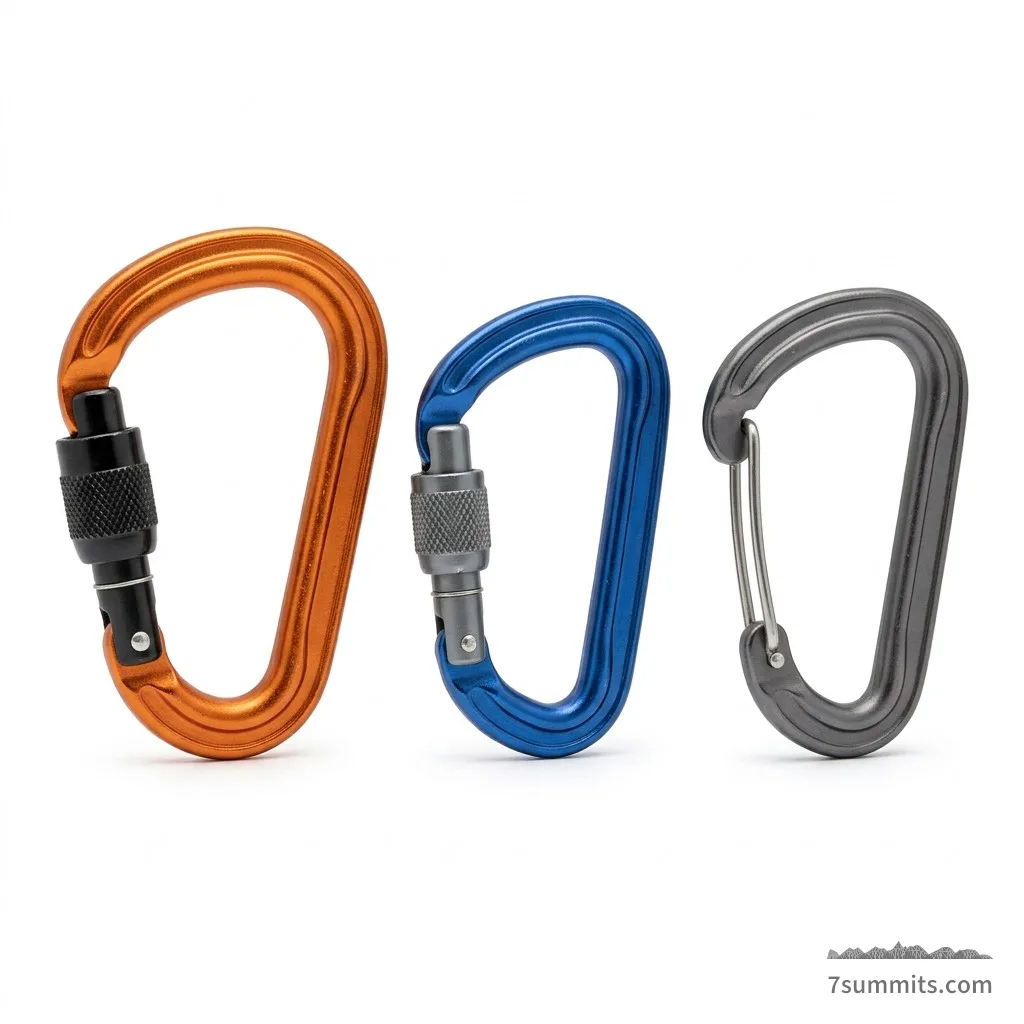 Carabiners (locking and non-locking) | Three to five locking carabiners (one a large pear-shaped HMS) and a few non-locking ones; a small pulley for the Tyrolean is optional |
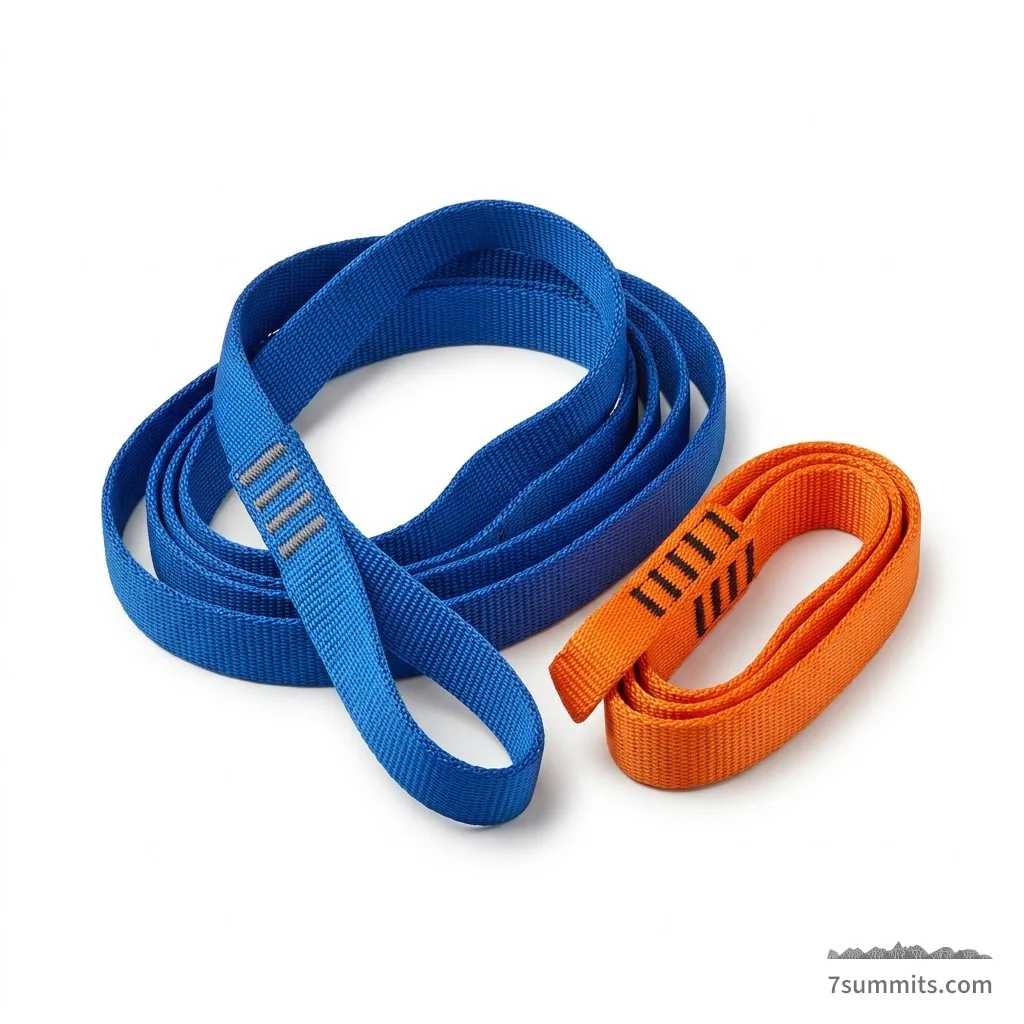 Slings and cowstails | Sewn slings (60 and 120 cm) and a cowstail for clipping into the fixed lines |
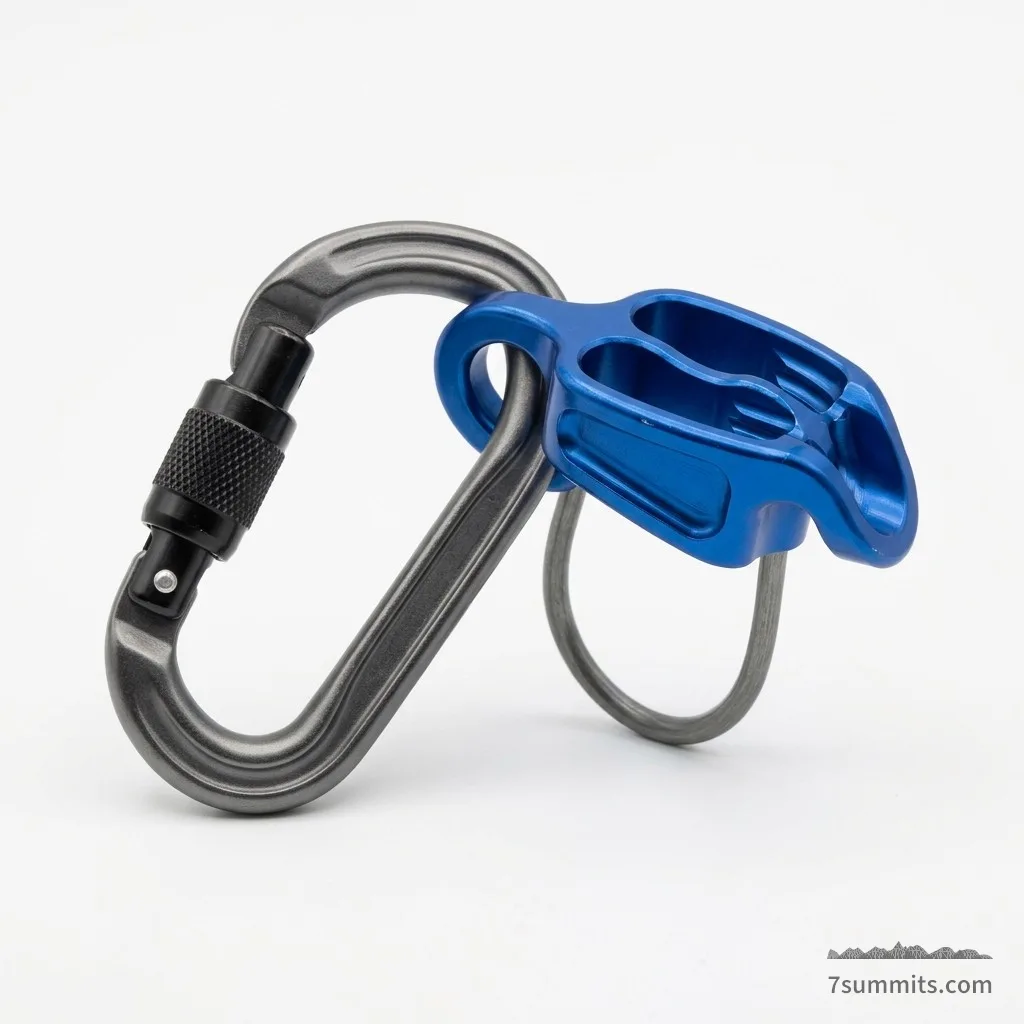 Belay or rappel device | A figure-8: the fixed lines are thick, old and often wet; a tube device works on some lines, so ask your operator |
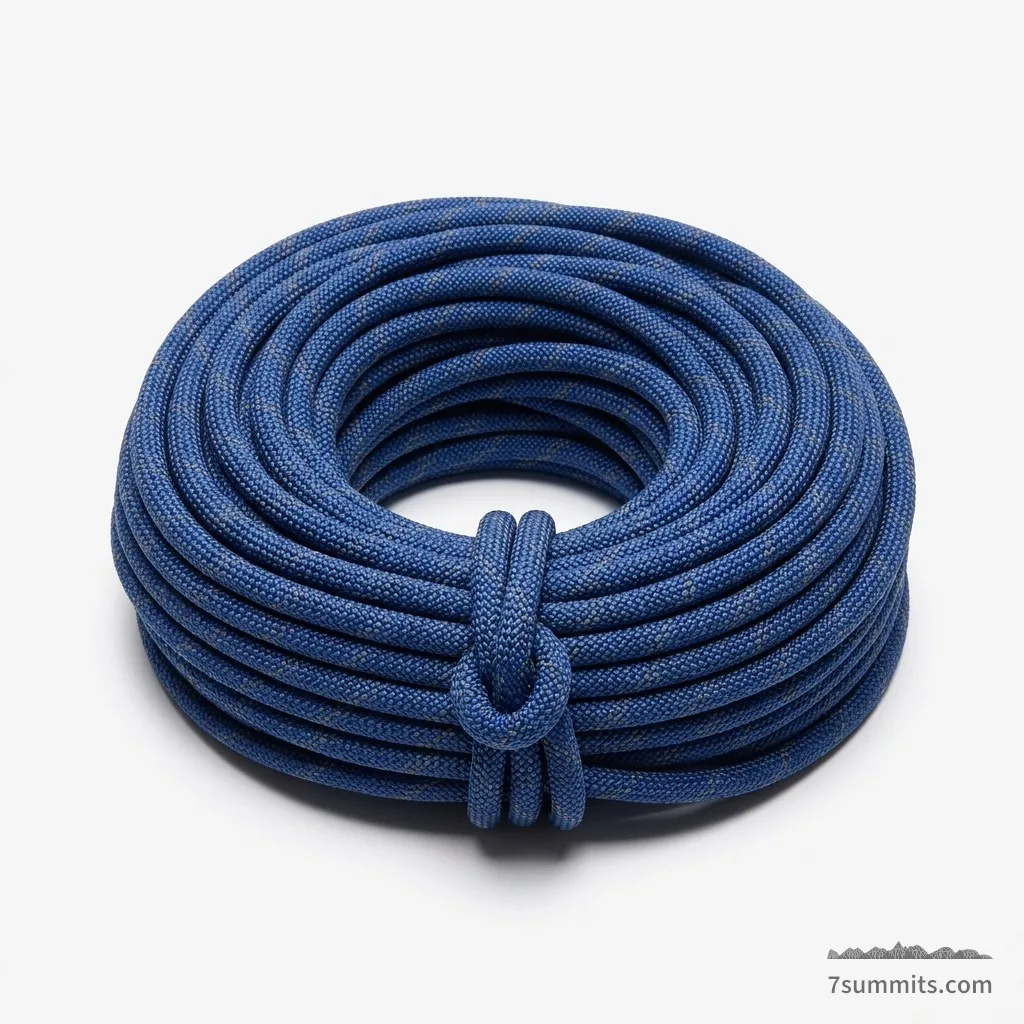 Rope (glacier travel, fixed-line spares) | Your operator's: the fixed lines and the Tyrolean ropes are the team's; you bring none (15 say so) |
| Trekking poles | Adjustable poles for the trek and the rough walk to the face; leave the baskets on: they help in mud (Berg) |
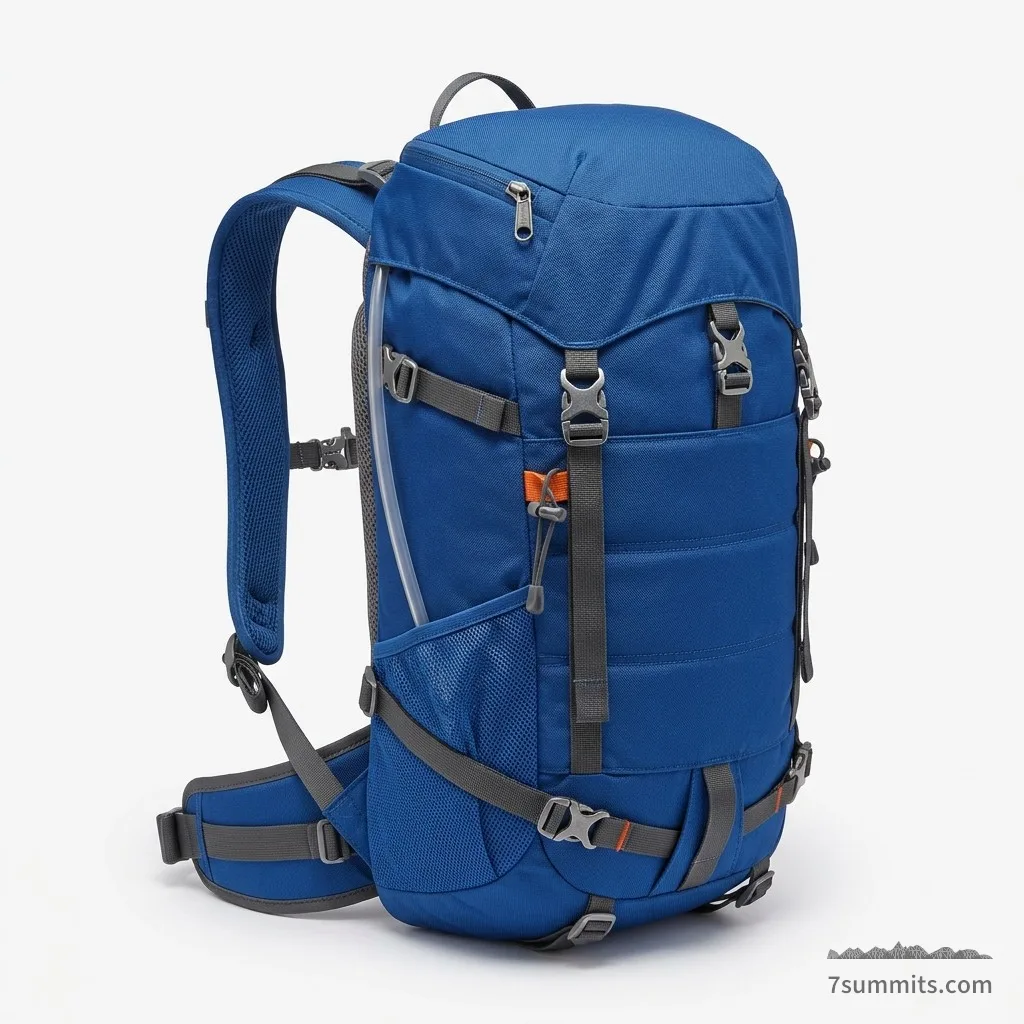 Daypack or summit pack | A light 30–40 L summit pack with a hip belt; it doubles as your carry-on |
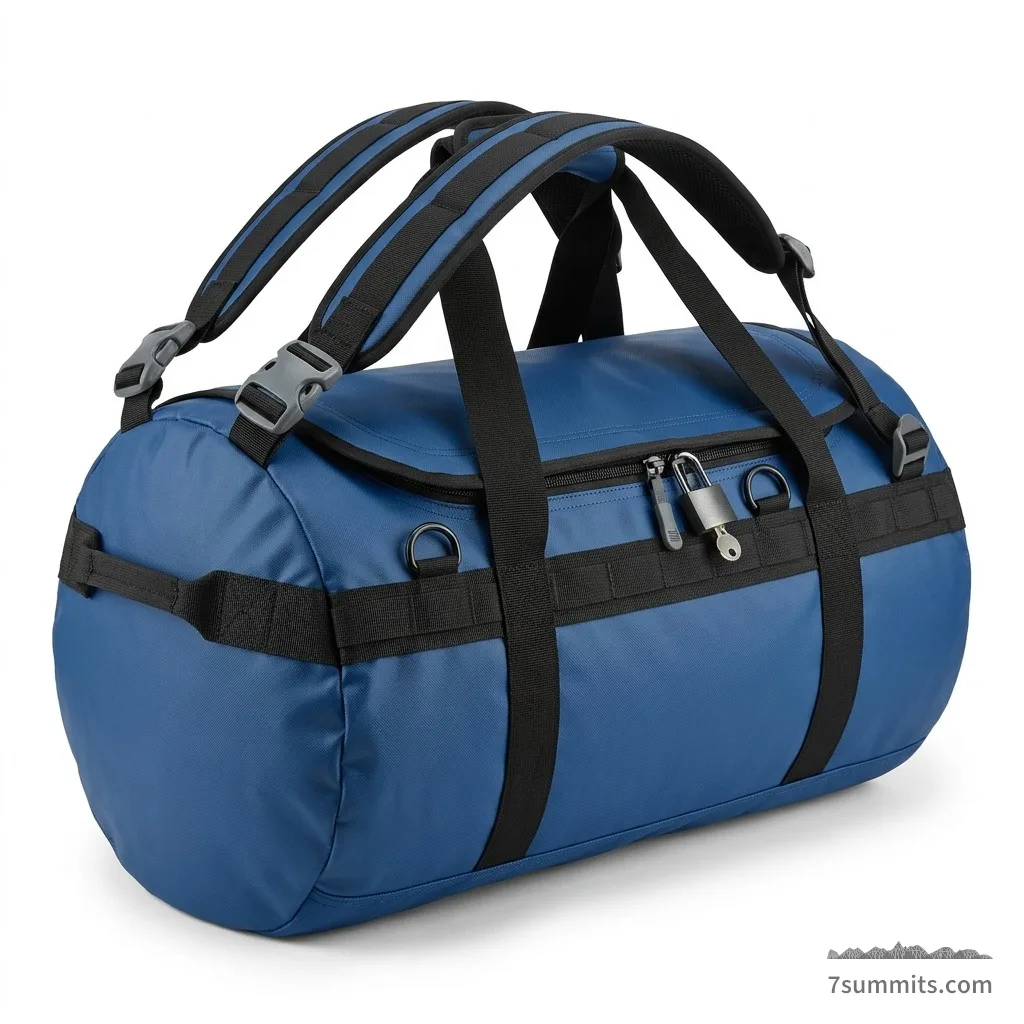 Expedition duffel (with cover and padlock) | To base camp: 120 L · waterproof and lockable; the helicopter allowance runs from 15 to 20 kg by operator, ask, stays in base camp The hotel in Bali or Timika: town clothes and clean shoes |
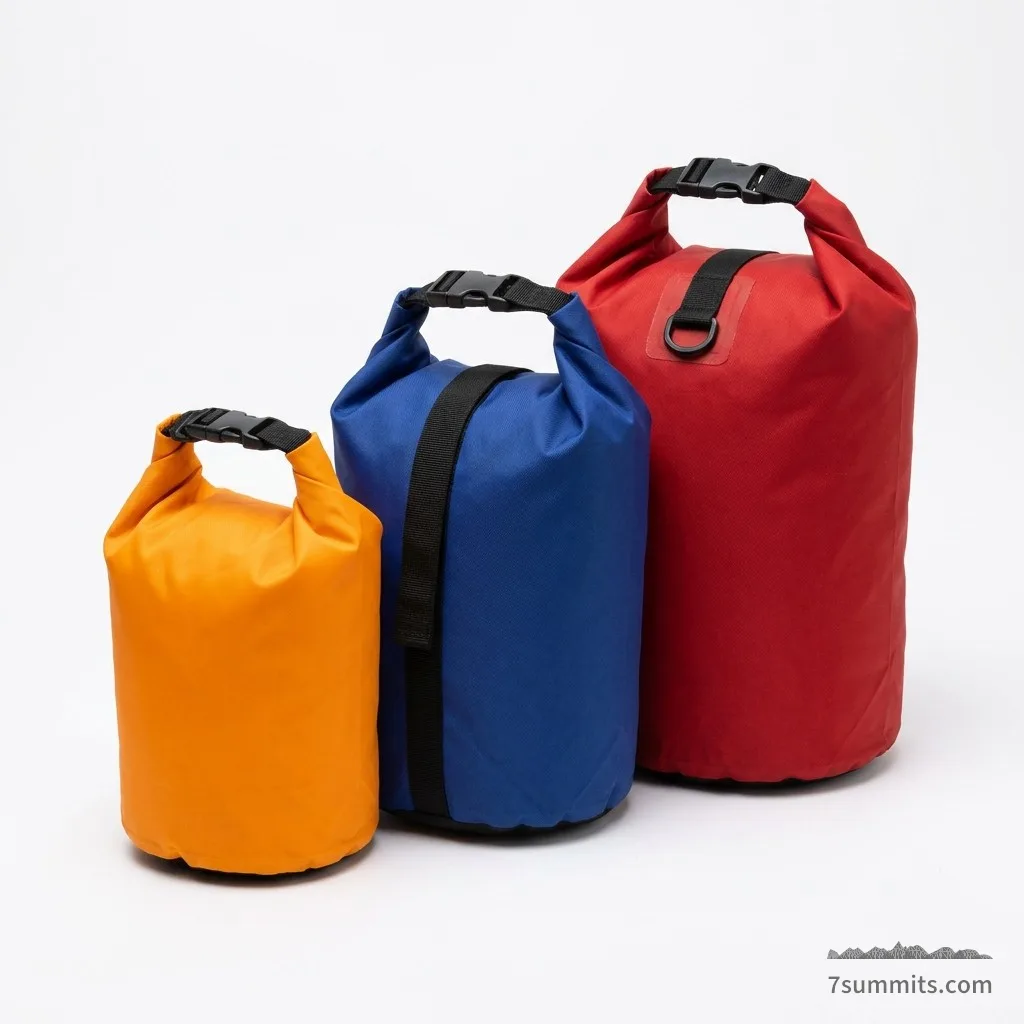 Dry bags, pack liner or rain cover | Everything in the pack and duffel in dry bags or heavy trash-compactor bags, and a rain cover for the pack: it will rain |
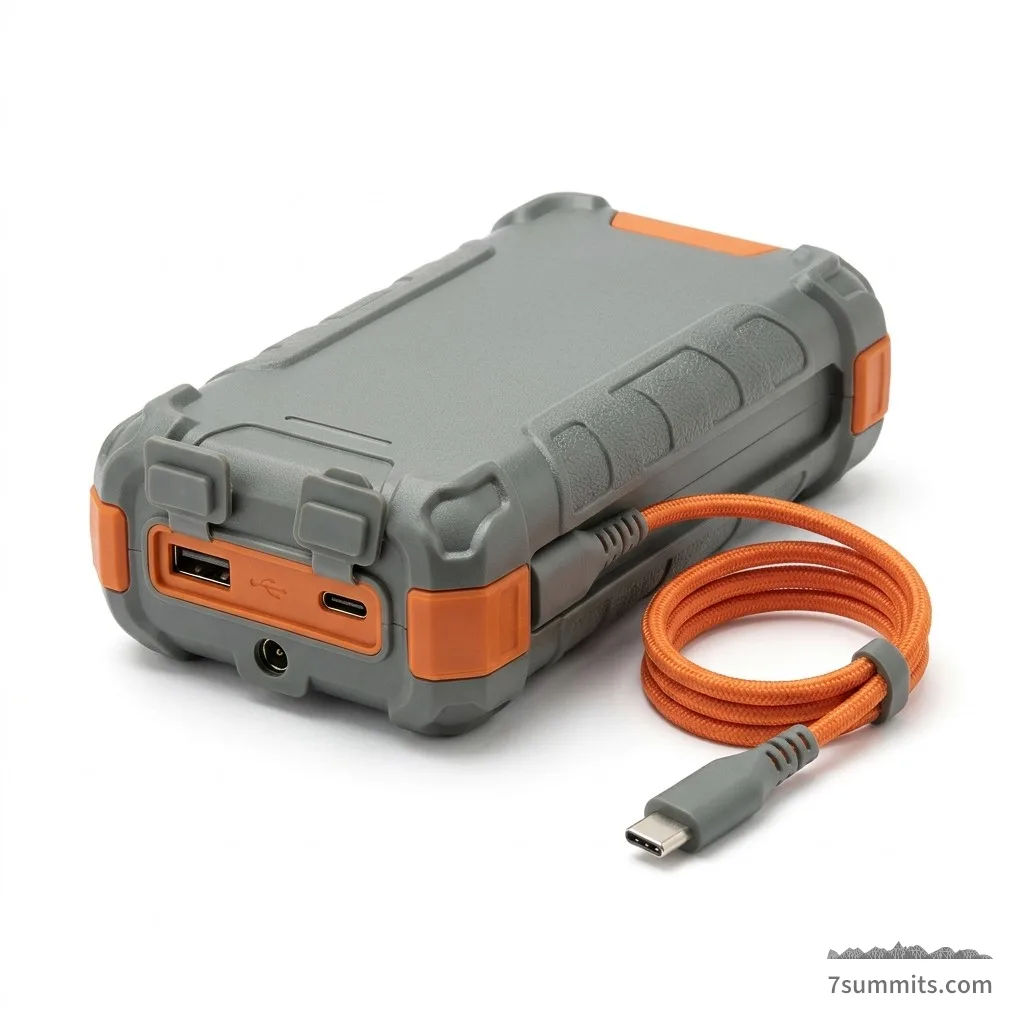 Power bank (or solar panel) | A power bank or small solar panel (base camp has little or no charging) and plug adapters (types C and F, 230 V) for Bali and Timika |
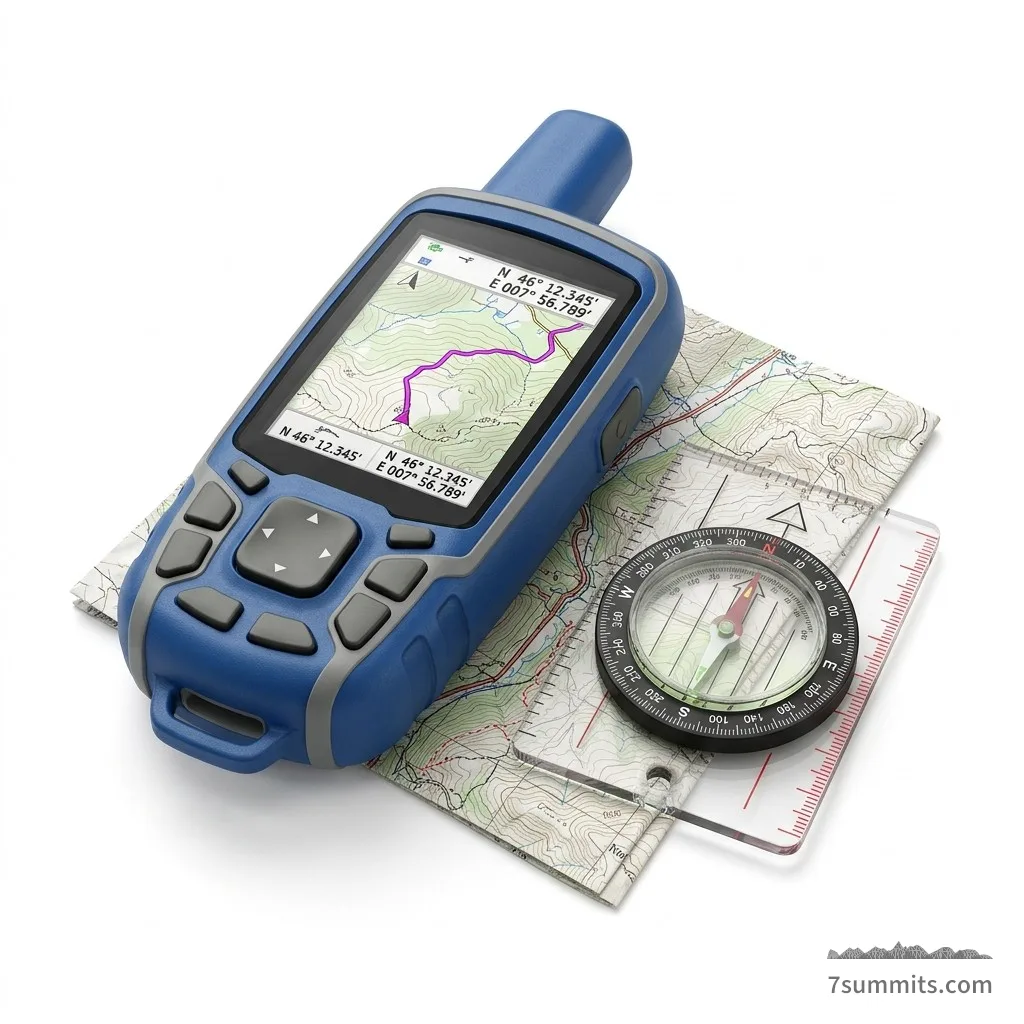 Map, compass, altimeter and GPS | An altimeter and a GPS you know how to use (a watch, a handheld, or a phone with offline maps): in fog, a storm or when you are lost you must find the way back to base camp yourself |
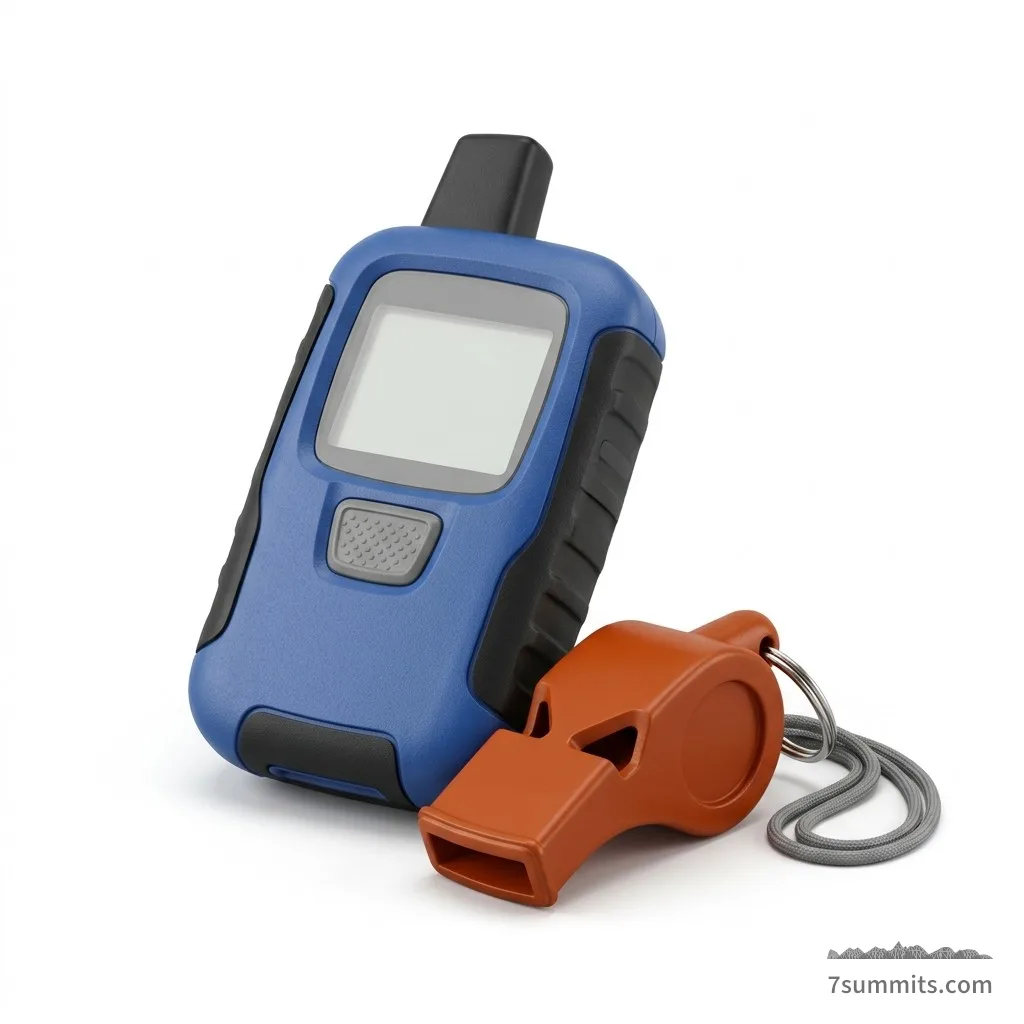 Phone, PLB or satellite messenger, signal mirror | Your own way to call for help: a satellite messenger or PLB; Thuraya covers the region best, Iridium also works. Do not count on the operator's satellite phone being where you are |
| Passport, visa, tickets, certificates and money | Passport valid six months past the trip, the Indonesian visa (on arrival for most), passport photos and a copy (your operator needs them for the permits) the insurance certificate, and US$400–1,500 in small bills ⚖Every climber needs the park's entry permit, the SIMAKSI (Surat Izin Memasuki Kawasan Konservasi), issued by Lorentz National Park. Your operator applies for it, and for any travel permit for Papua (surat jalan) it names, with the passport copy and photos it asks you for. SourceBalai Taman Nasional Lorentz, Surat Edaran SE.391/T.27/TU/KSA.04.01/B/07/2026 — as reported by Mounture.com, mounture.com ("seluruh pendaki juga diwajibkan memiliki Surat Izin Memasuki Kawasan Konservasi (SIMAKSI) yang diterbitkan oleh Balai Taman Nasional Lorentz"); the surat jalan and the photos: Papua Explorer and Alpine Ascents' own pages |
| Travel and rescue insurance | Required by most operators: medical and evacuation cover that names helicopter rescue and climbing; several also require cancellation cover |
| Camp | |
|---|---|
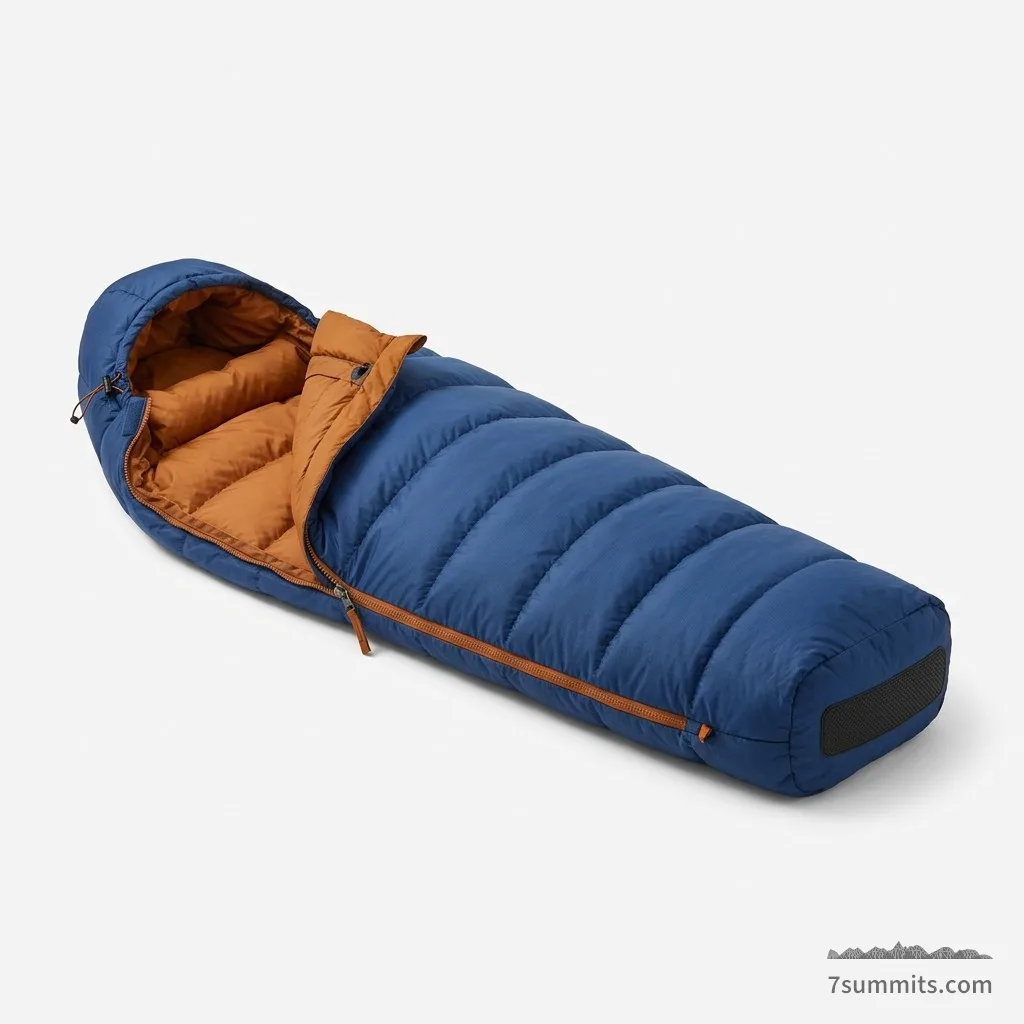 Sleeping bag | One bag: −20 to −10 °C comfort, synthetic fill highly recommended; base camp is wet for days, stays in base camp |
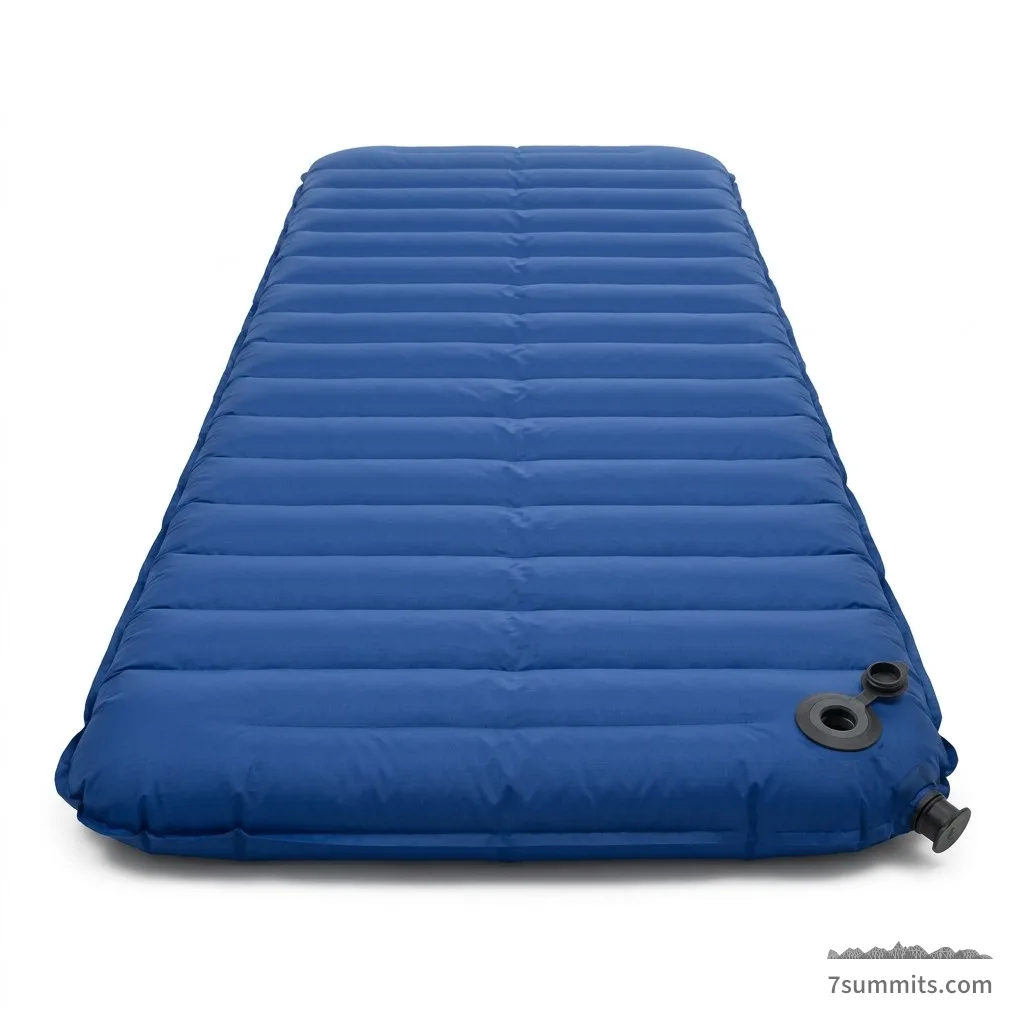 Insulated sleeping pad | Full-length inflatable, on top of the foam mat, and a patch kit |
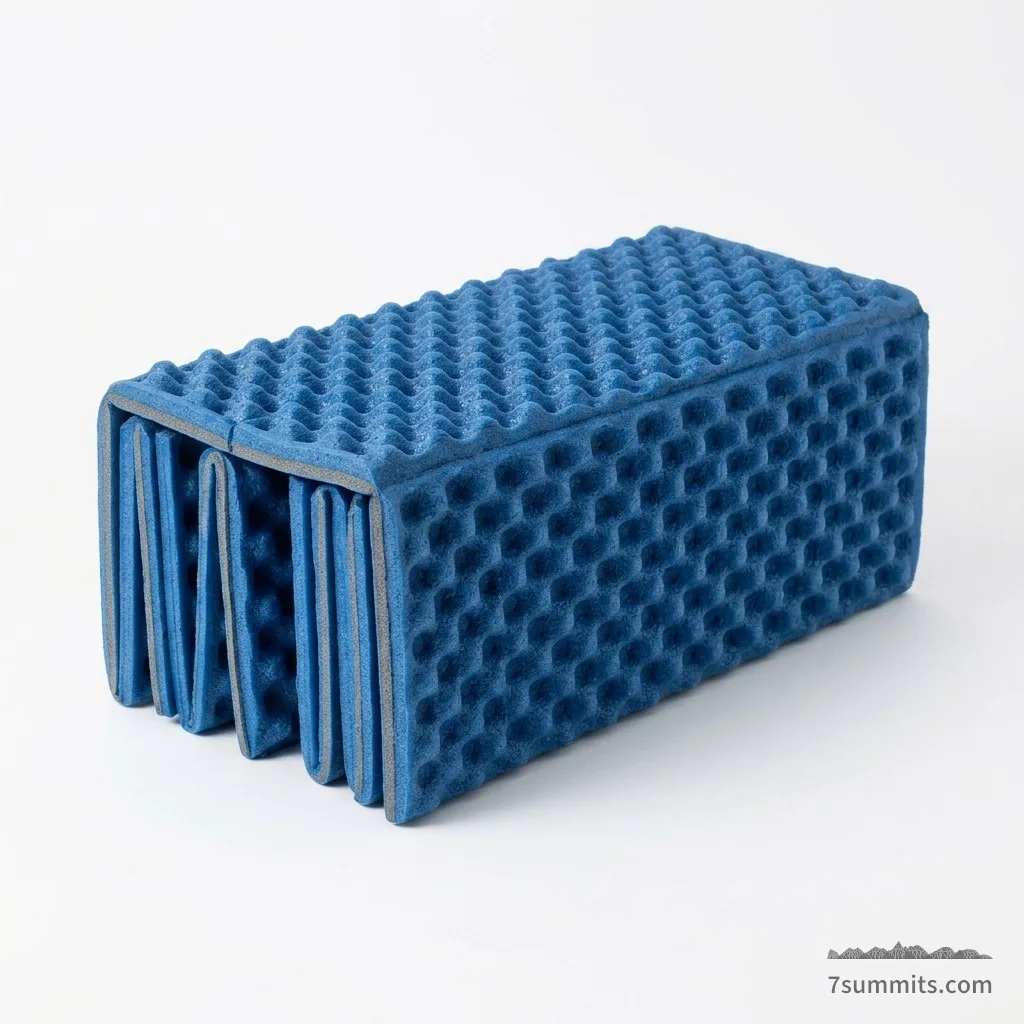 Closed-cell foam mat (second mat) | Under the inflatable: insulation from the wet, rocky ground, and the backup if it punctures; it doubles as a sit mat |
| Tent (with snow stakes where the ground is snow) | Your operator's at base camp (24 say so): one per person at some, two sharing at others; on the jungle trek, the operator's tents at every camp |
| Water bottles or bladder (total capacity, with insulating covers) | Two 1 L wide-mouth bottles; a bladder works on the trek |
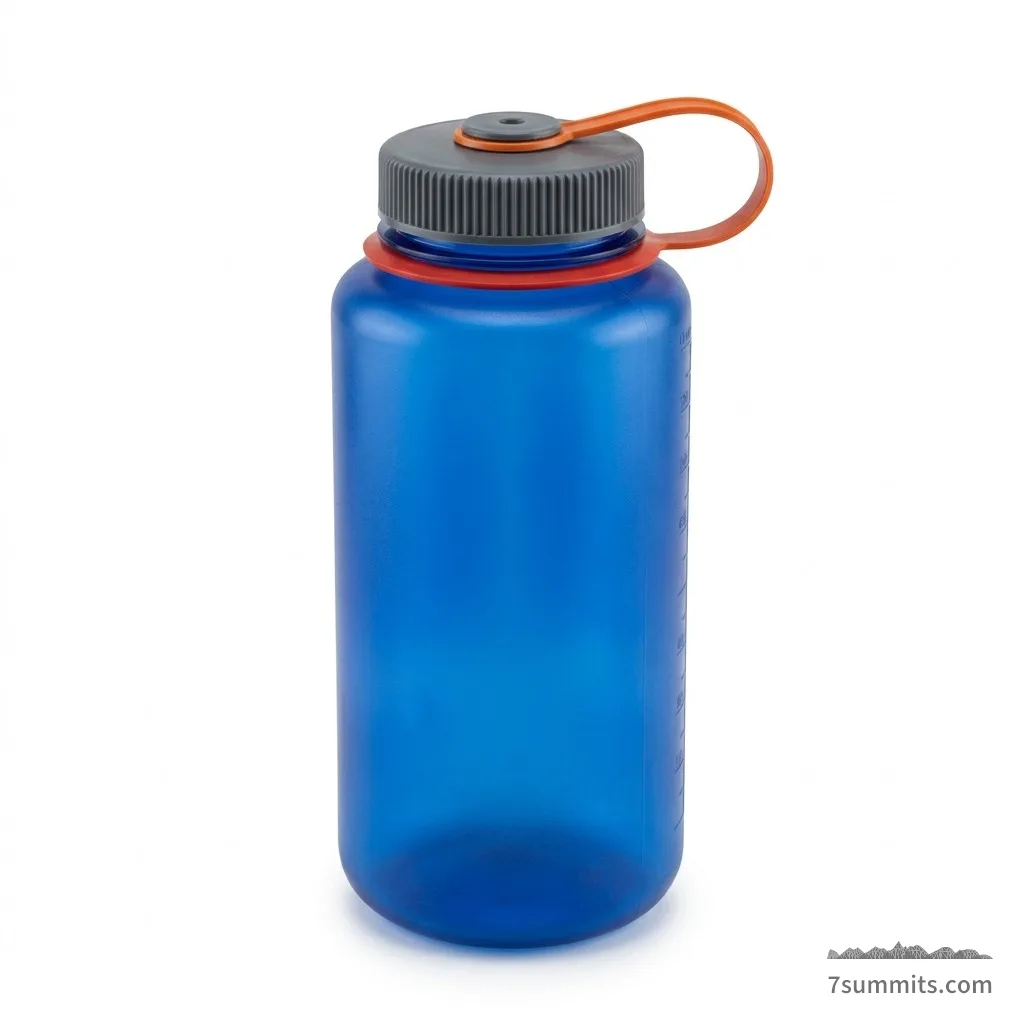 Pee bottle | 1 L or more, wide-mouth, clearly marked; a funnel for women, for nights in the tent in the rain |
| Water treatment | Tablets, a filter or a UV pen for streams on the trek and for travel; the team boils base-camp water |
| Stove fuel | Your operator's |
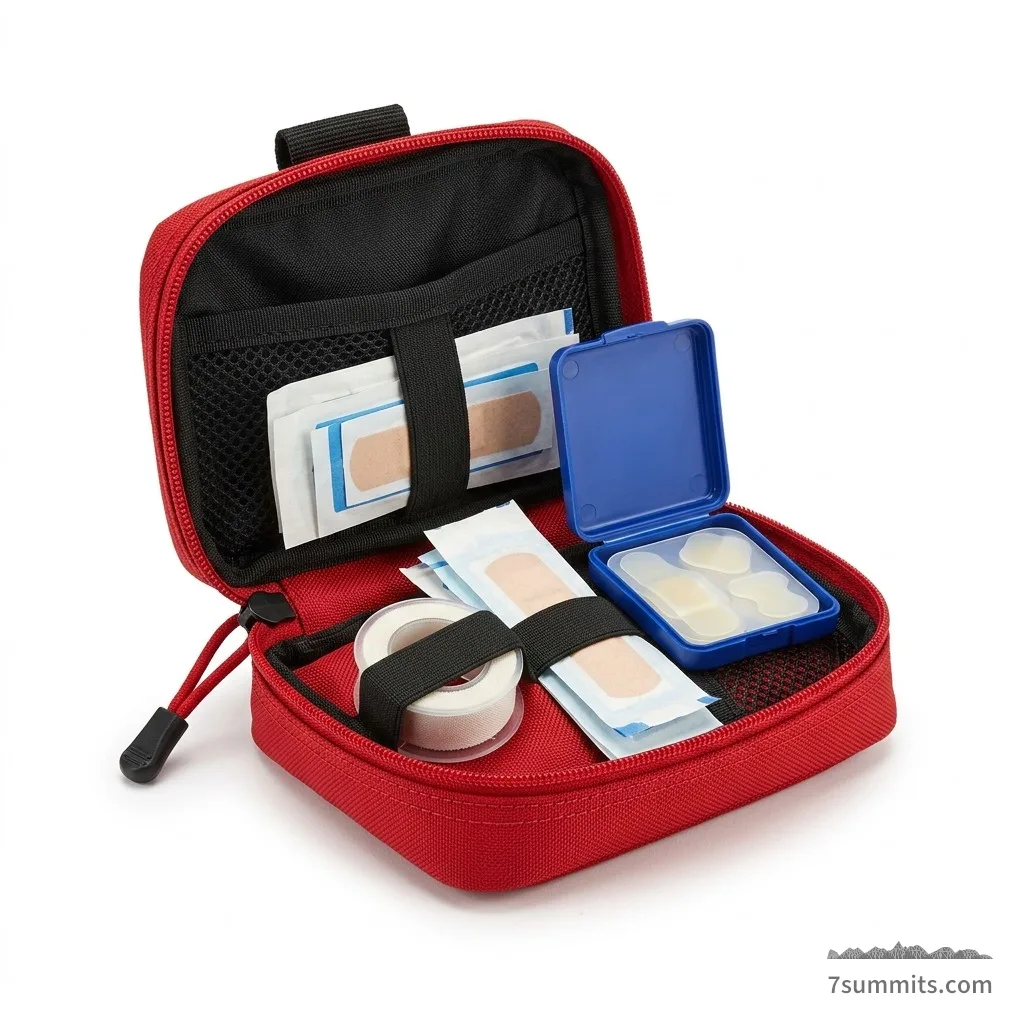 First-aid kit (with blister and dental repair) | A personal kit you can treat yourself with: blister care, tape, painkillers, anti-diarrhoea, your altitude medication, whatever the guides also carry |
| Personal medication | Consult your doctor. |
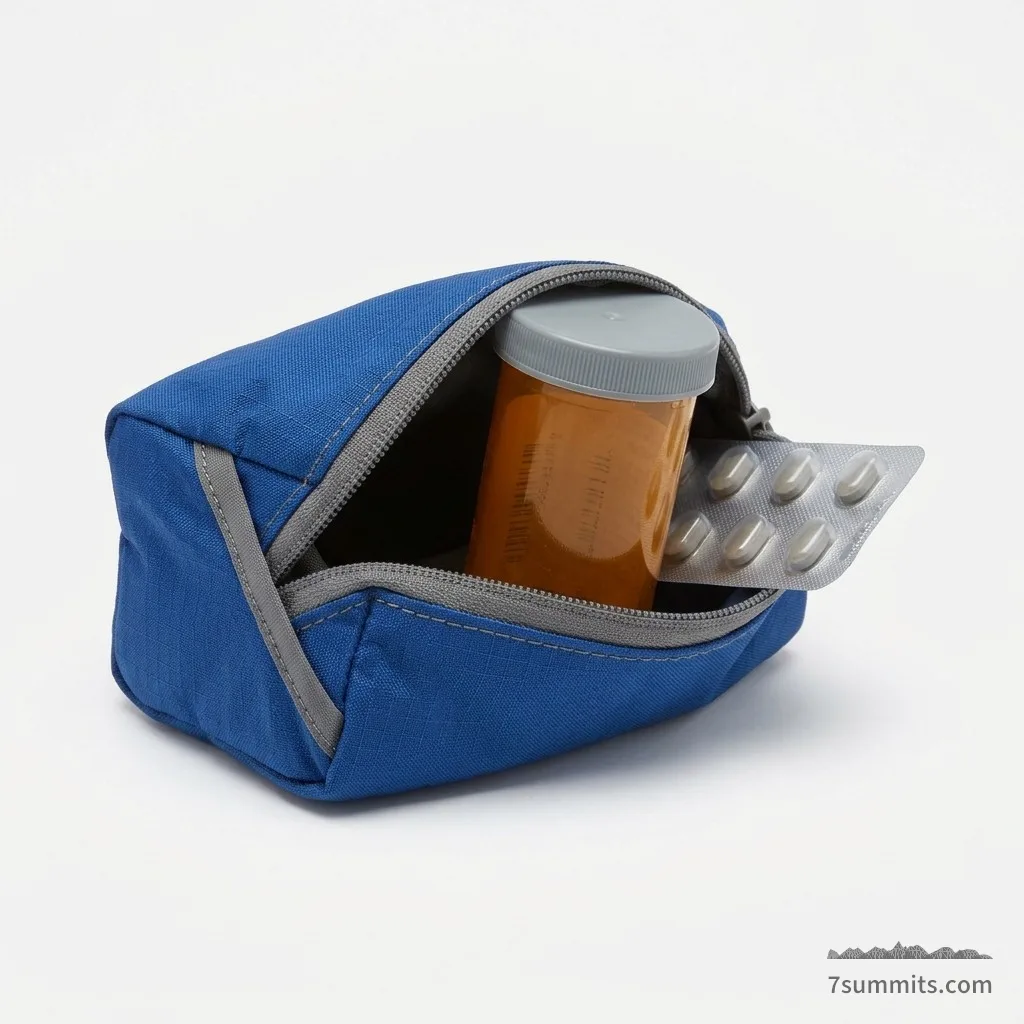 Altitude and travel medication (consult your doctor) | Consult your doctor. |
| Sunscreen and lip balm | High-factor sunscreen and lip balm with SPF |
| Insect repellent | For the jungle trek and Timika |
| Wash kit, wipes, toilet paper and rubbish bags | Wet wipes, hand sanitiser, toilet paper in a plastic bag, a small towel; rubbish bags: what you bring into the park comes out again ⚖Lorentz National Park requires every climber and every operator to follow its climbing procedure and its "Zero Waste" principle (Zero Waste and Zero Accident). The procedure itself is not published; carry your rubbish back out. SourceBalai Taman Nasional Lorentz, Surat Edaran SE.391/T.27/TU/KSA.04.01/B/07/2026 (July 2026) and Keputusan Kepala Balai SK.33/T.27/TU/KSA.04.01/09/2025 (the climbing SOP, September 2025) — as reported by Mounture.com, mounture.com ("seluruh aktivitas pendakian wajib mengedepankan prinsip Zero Waste dan Zero Accident") and mounture.com |
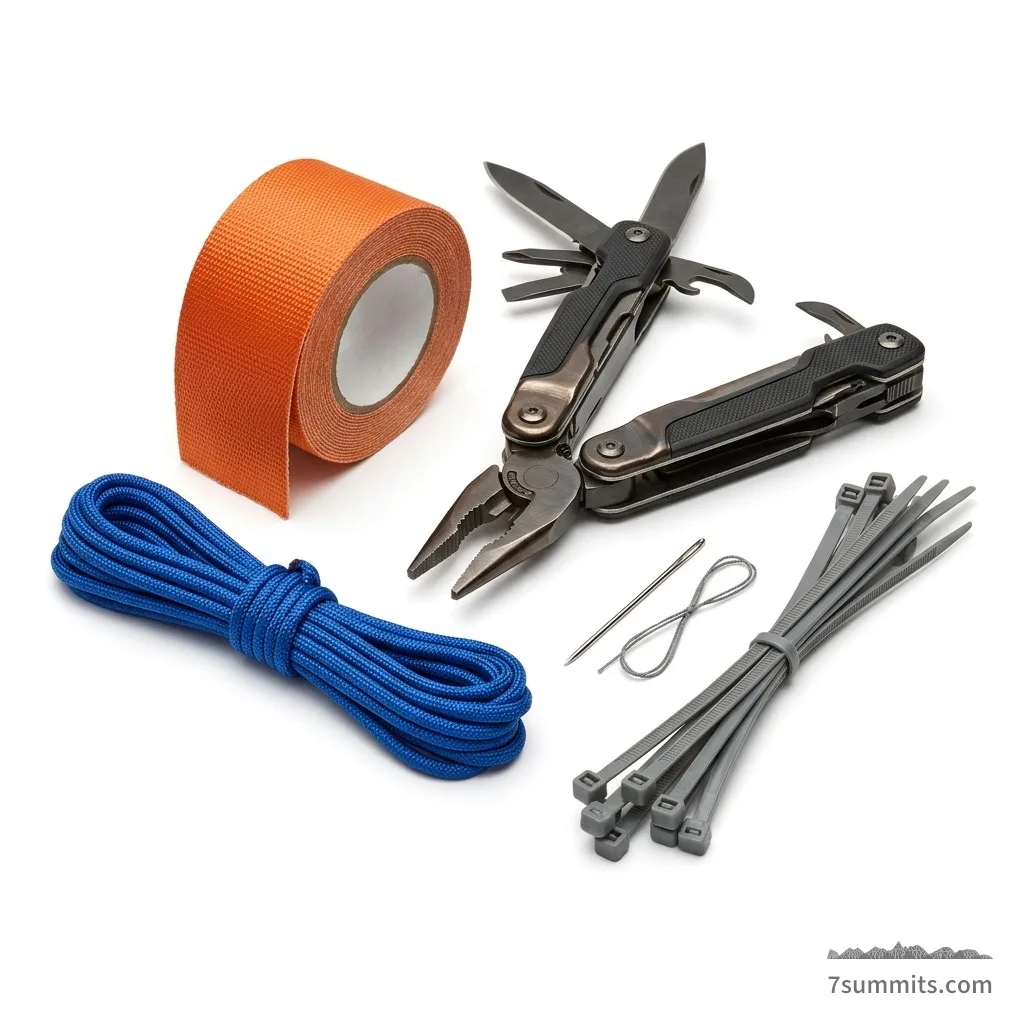 Repair kit and spares | Tape, a needle and thread, a small knife, a mat patch kit, spare laces |
| Umbrella or rain poncho | A small sturdy umbrella or a rain poncho for base camp and the trek: it rains a lot |
Optional
| Clothing | |
|---|---|
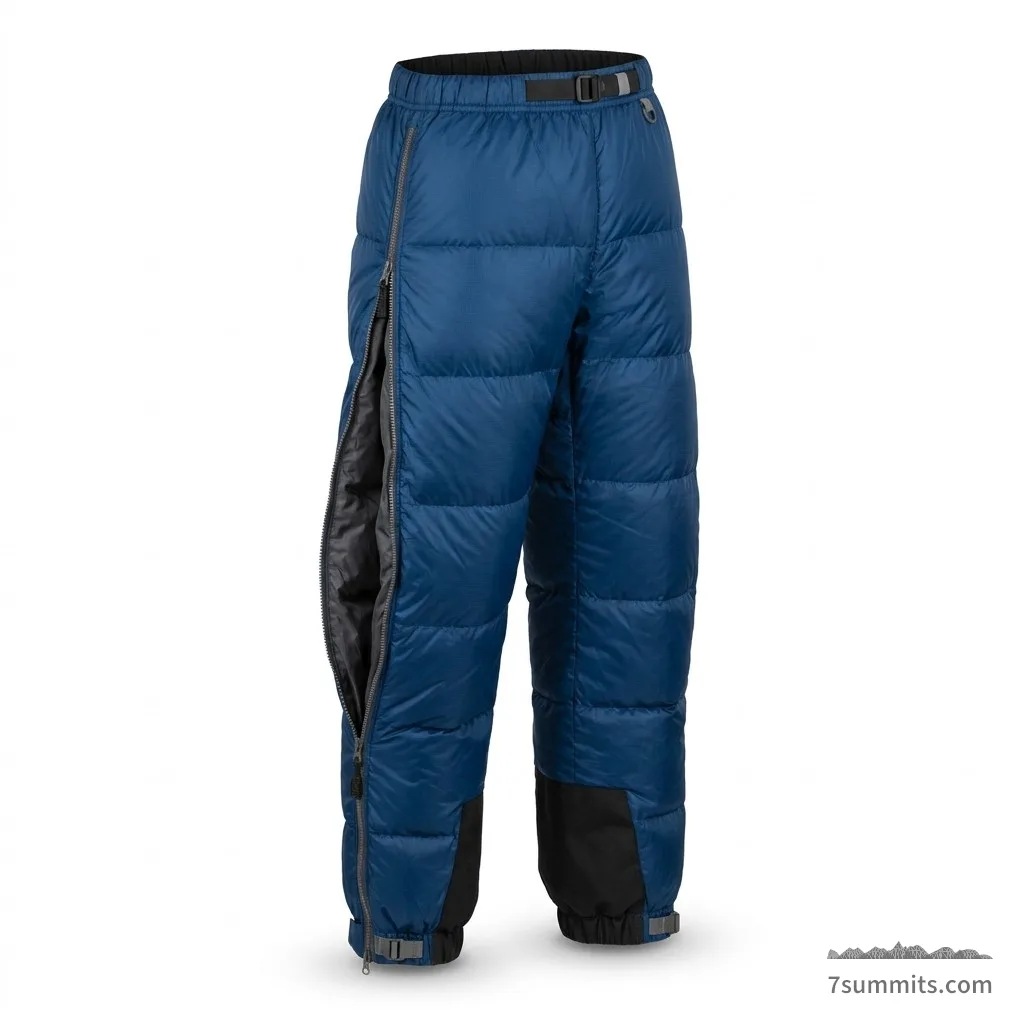 Insulated trousers or bibs | Synthetic insulated trousers for cold evenings at base camp |
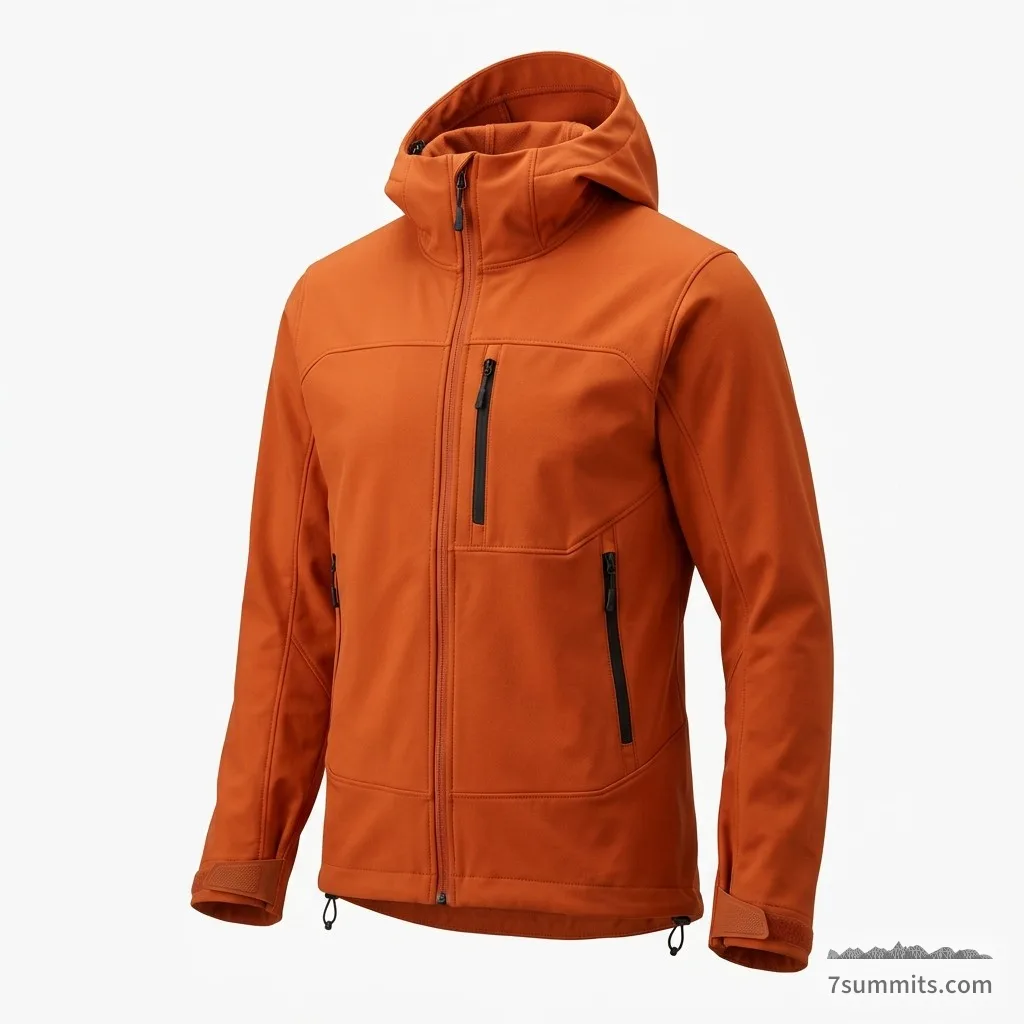 Softshell jacket | A windproof softshell for dry days and base camp; the waterproof shell does the work in the rain |
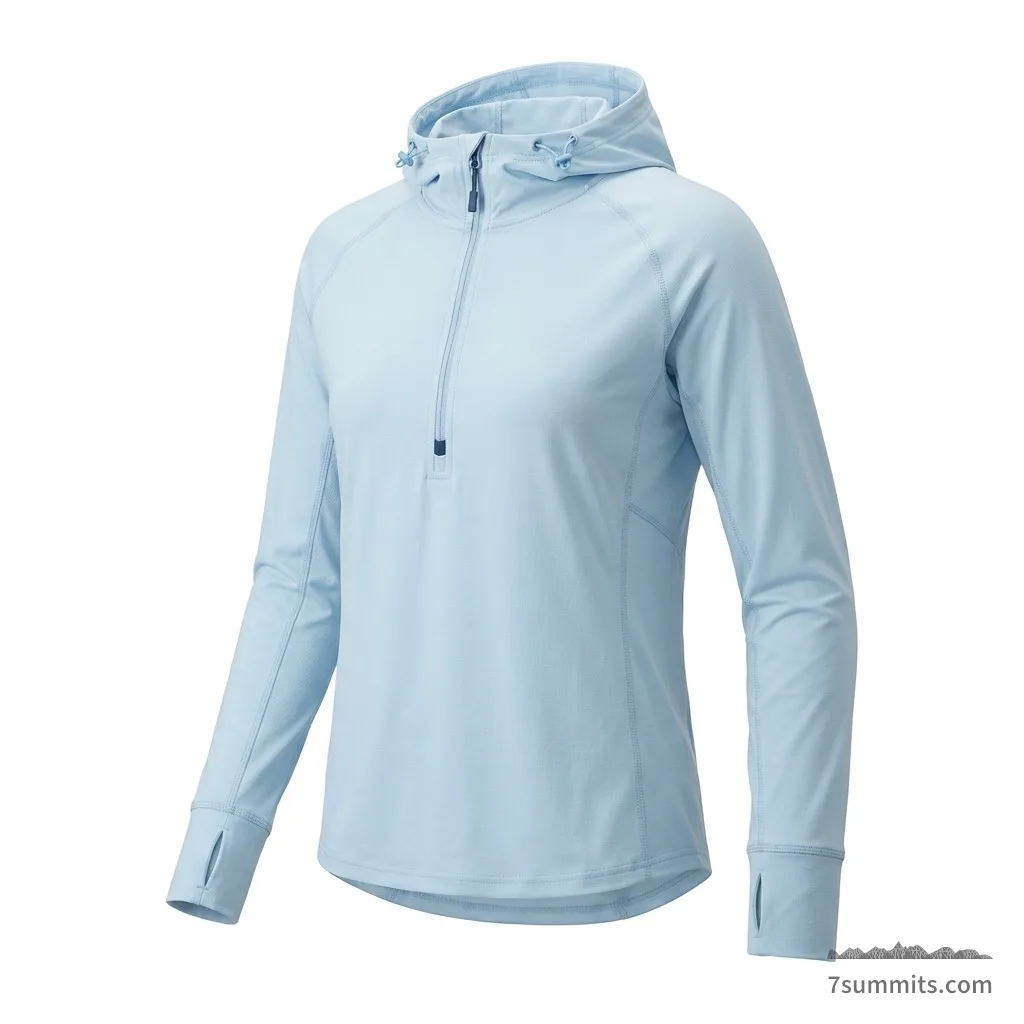 Sun shirt (light, long-sleeved) | A light long-sleeved sun shirt or hoody for sunny mornings, the trek and the tropics |
| Head, hands & feet | |
|---|---|
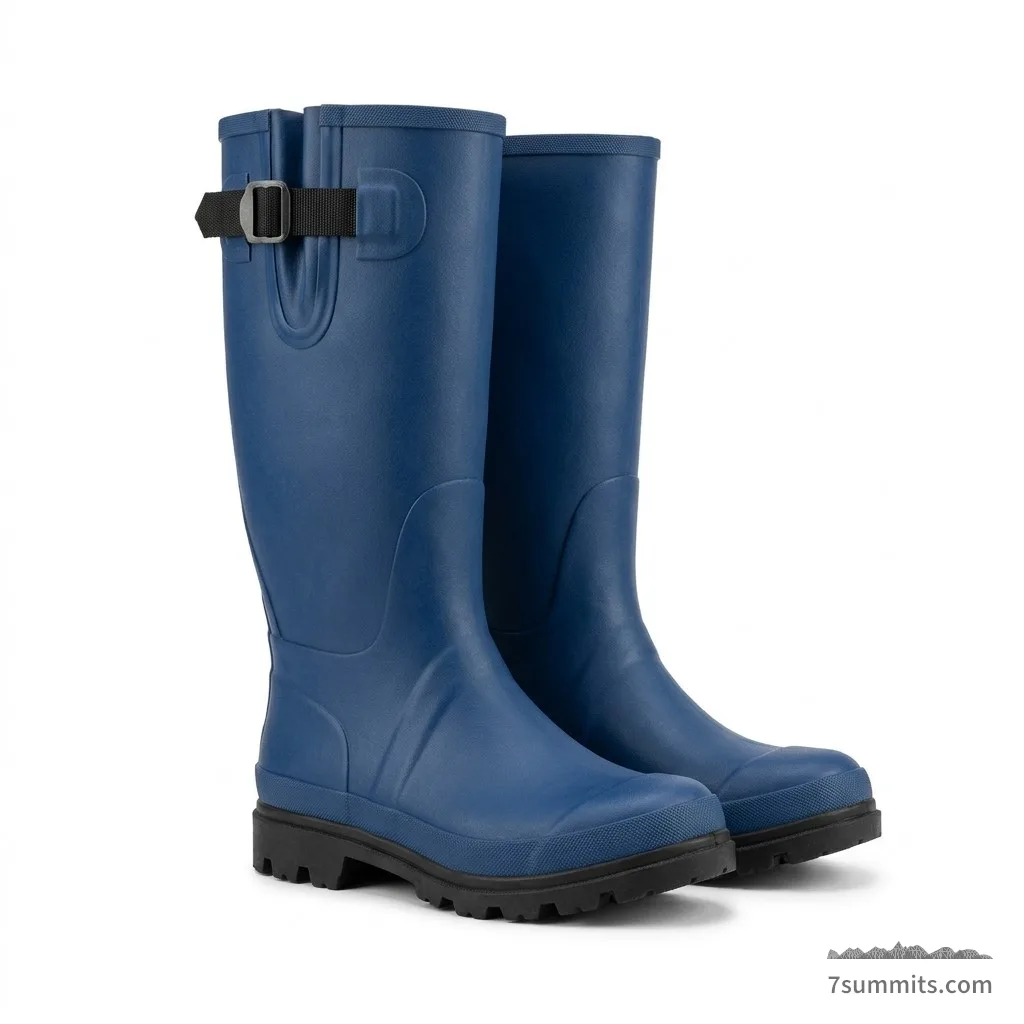 Rubber boots (for mud) | Jungle trek: knee-high rubber boots with a treaded sole: needed: the trail is deep mud for days (Berg, AMICAL, Furtenbach) Helicopter climbs: base camp is often wet and boggy: Madison, IMG and Adventure Alternative ask for themoptional |
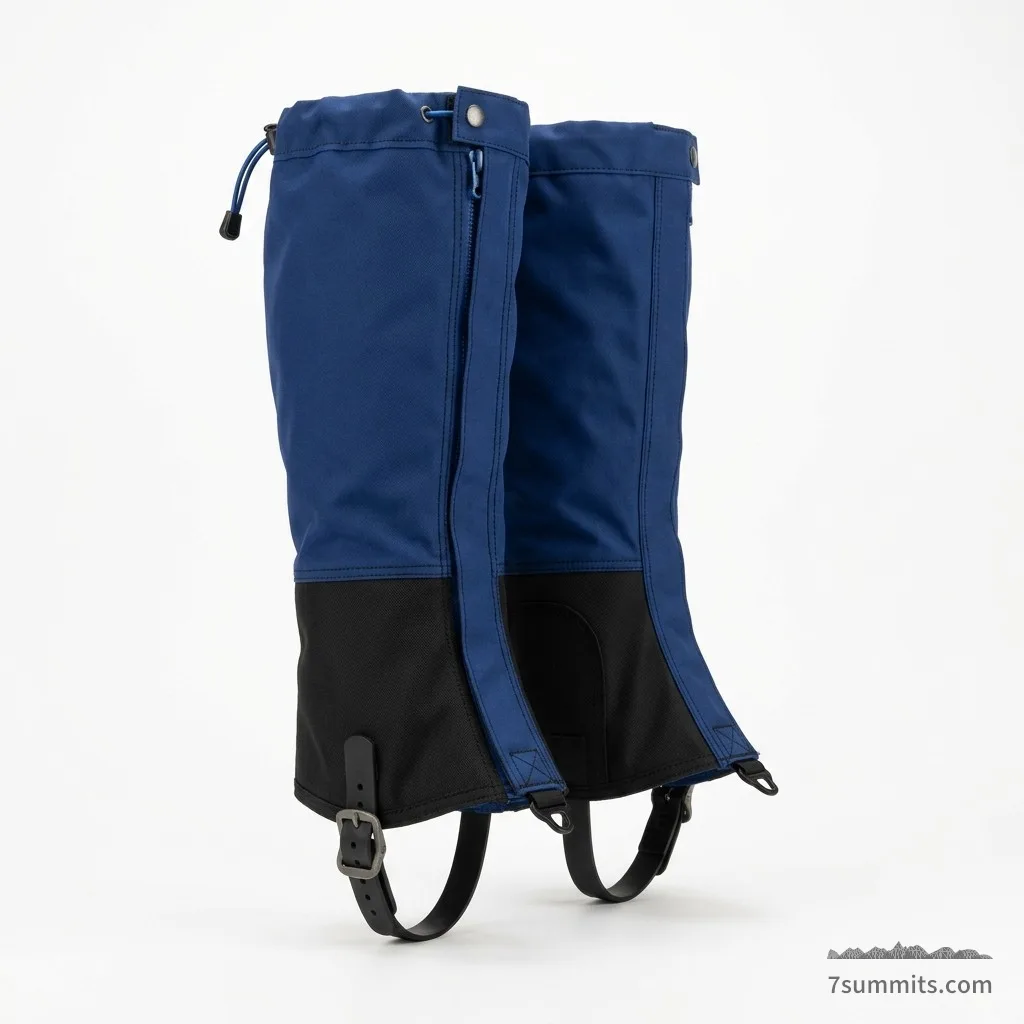 Gaiters | Short gaiters keep mud and grit out of the boots on the trek; they will not keep the rain out |
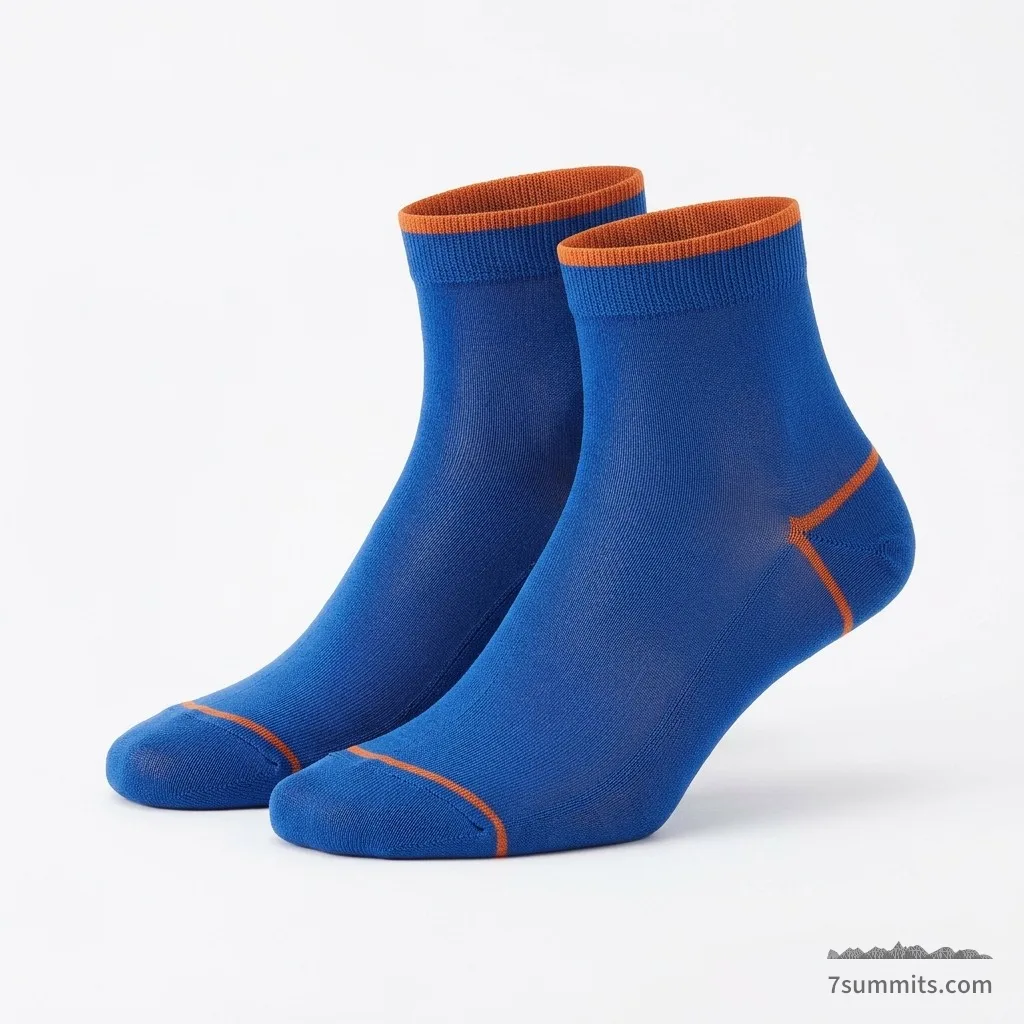 Liner socks (or vapour-barrier socks) | Thin liners under the warm socks; waterproof or neoprene socks keep feet warm when the boots are soaked (Berg, AMICAL) |
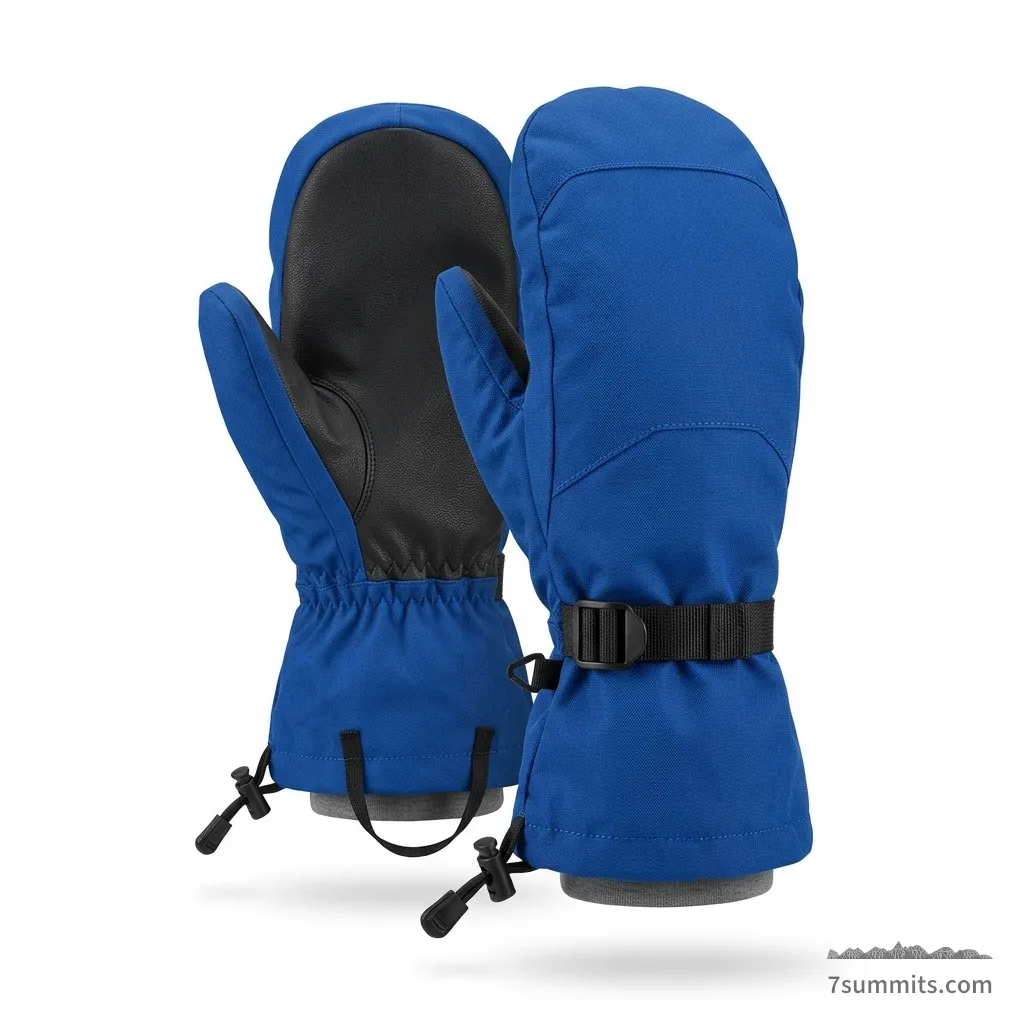 Shell over-mitts | A waterproof over-glove, if your warm gloves are not waterproof |
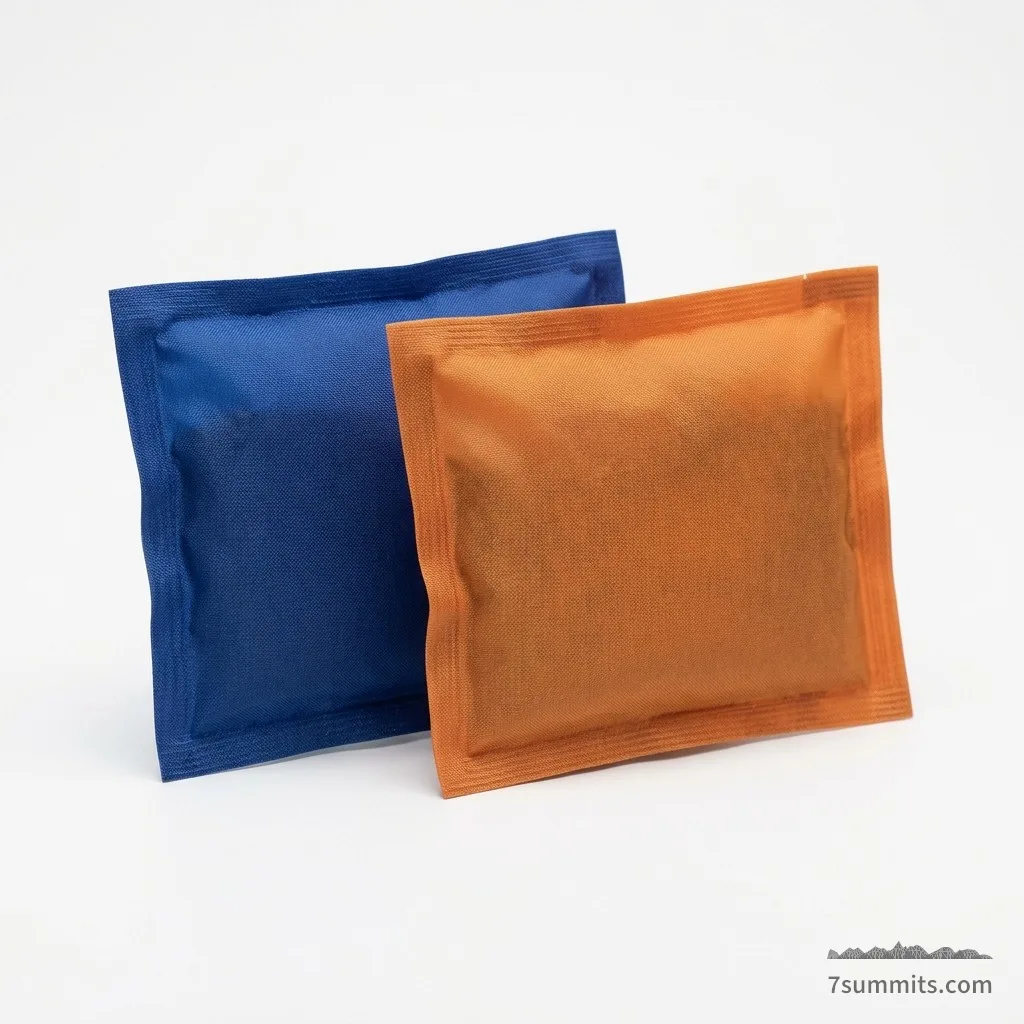 Chemical hand warmers | Chemical warmers for a cold, wet summit day |
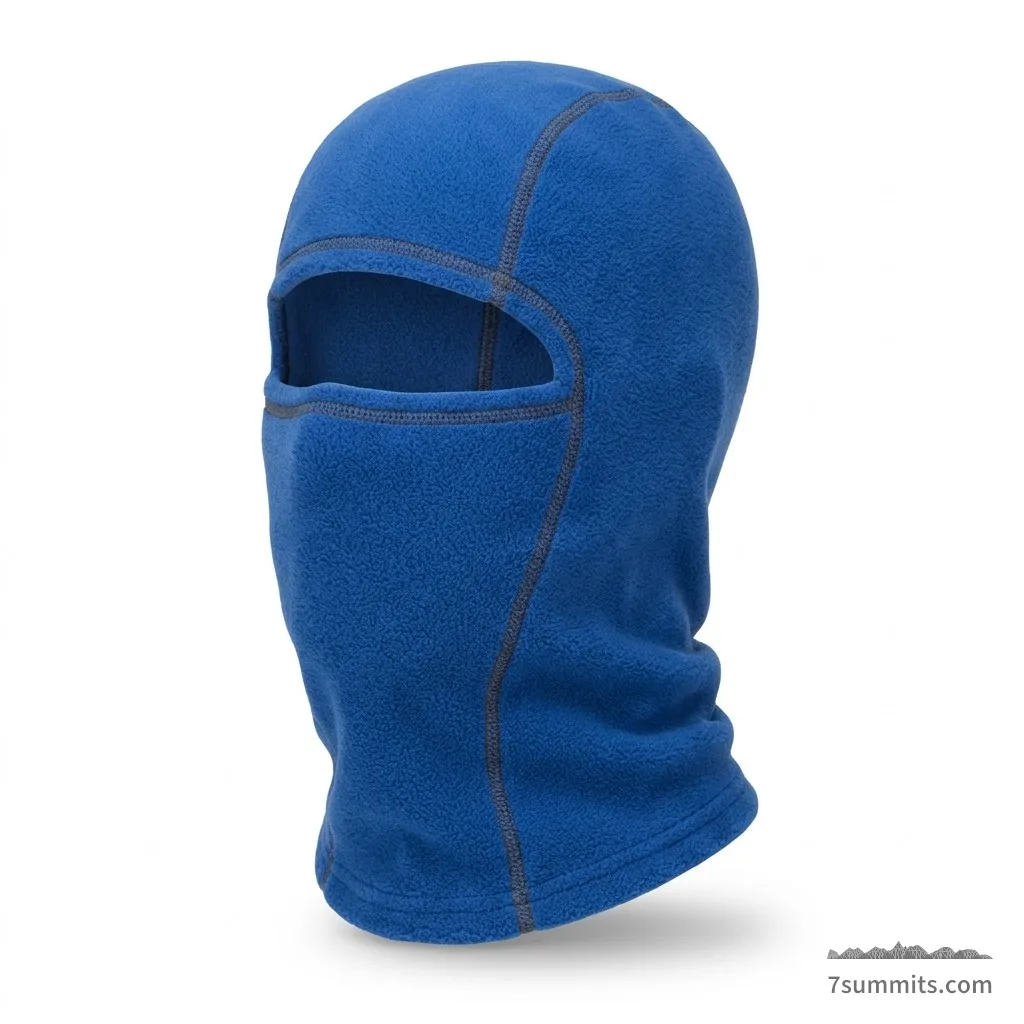 Balaclava or face mask | For wind on the summit ridge; a buff does most of the job |
| Gear | |
|---|---|
| Crampons | Ask your operator: one list asks for 12-point steel crampons, for snow or ice on the summit ridge; the other lists do not |
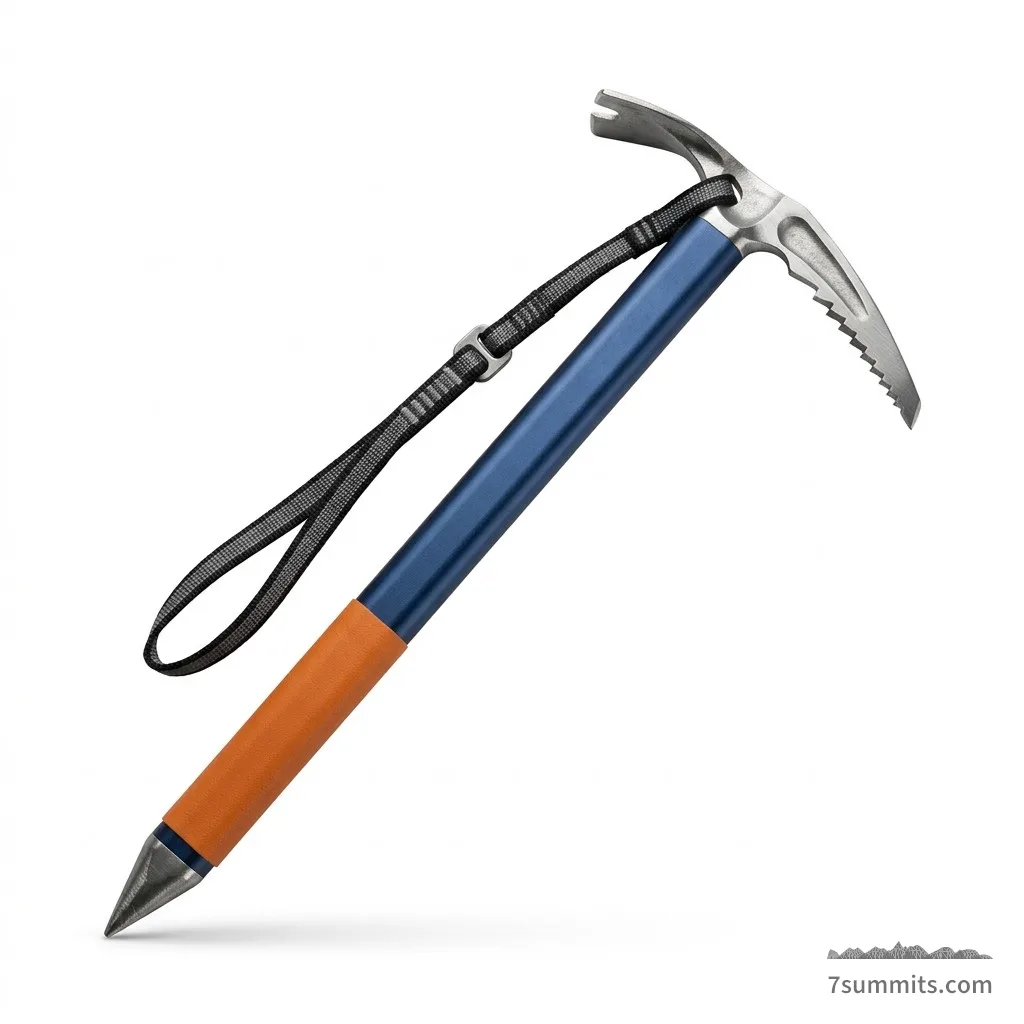 Ice axe | Ask your operator: one list asks for a light axe with a leash; the other lists do not |
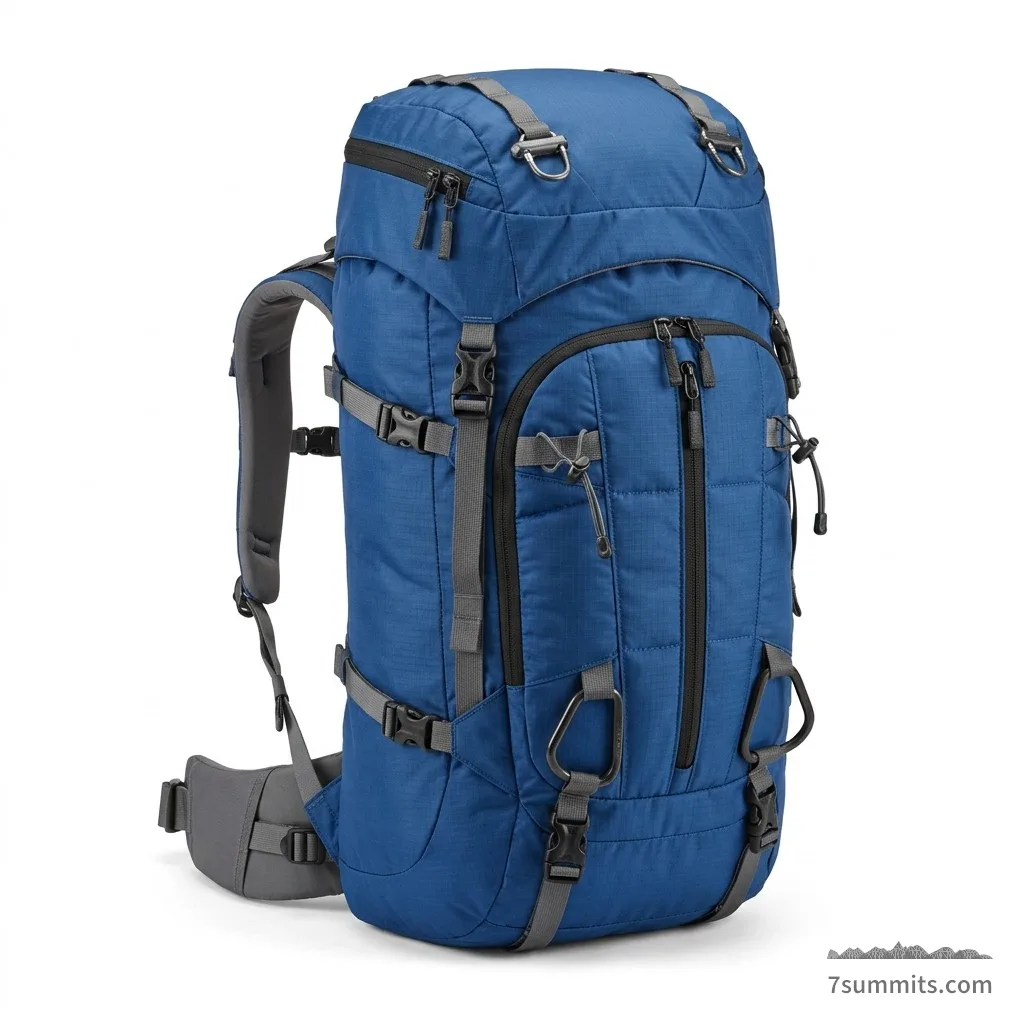 Expedition backpack | Jungle trek: a 45–60 L pack with a rain cover: you carry 10–12 kg, the porters the duffel (Ndeso, AMICAL) Helicopter climbs: not needed: the duffel flies to base camp and the summit pack does the restoptional |
| Two-way radios | Your operator's; an independent team brings its own |
| Camp | |
|---|---|
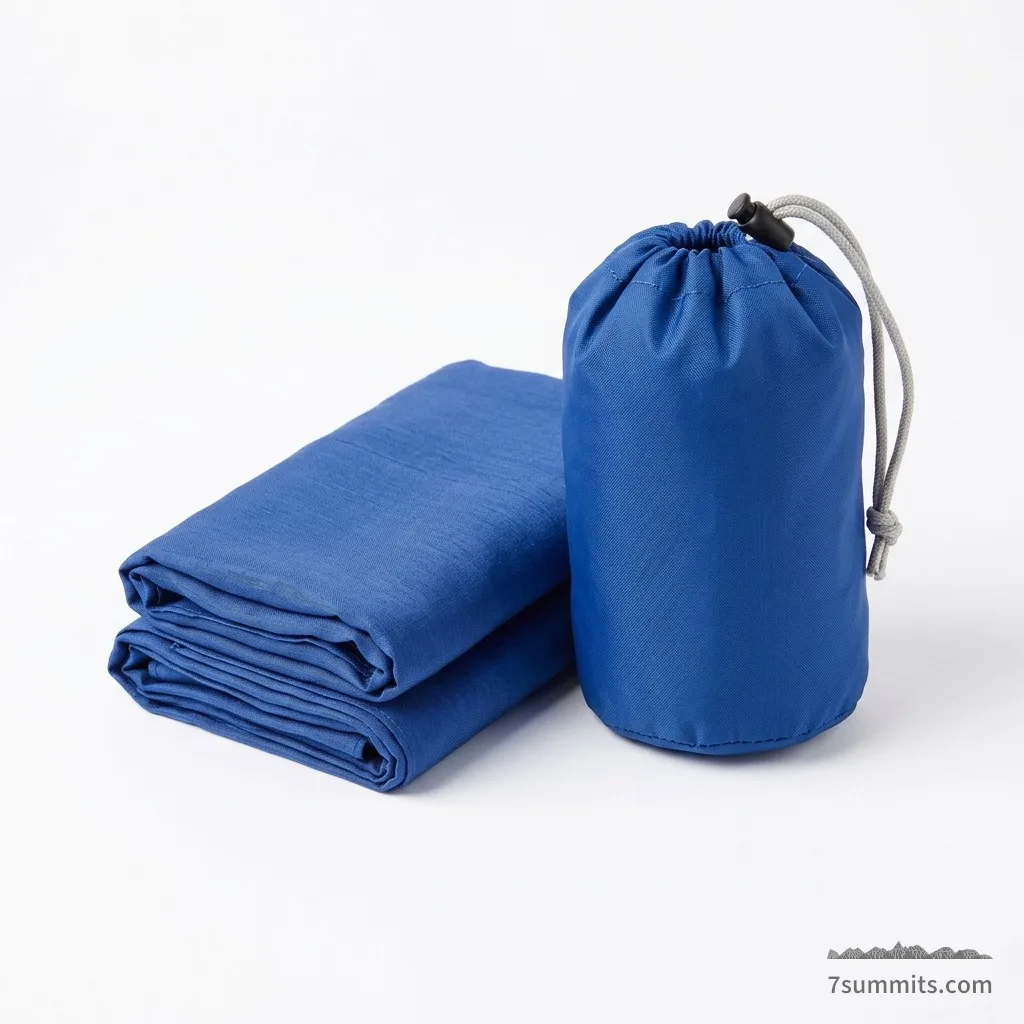 Sleeping-bag liner (thermal or vapour-barrier) | Silk or fleece: keeps the bag clean and adds a little warmth |
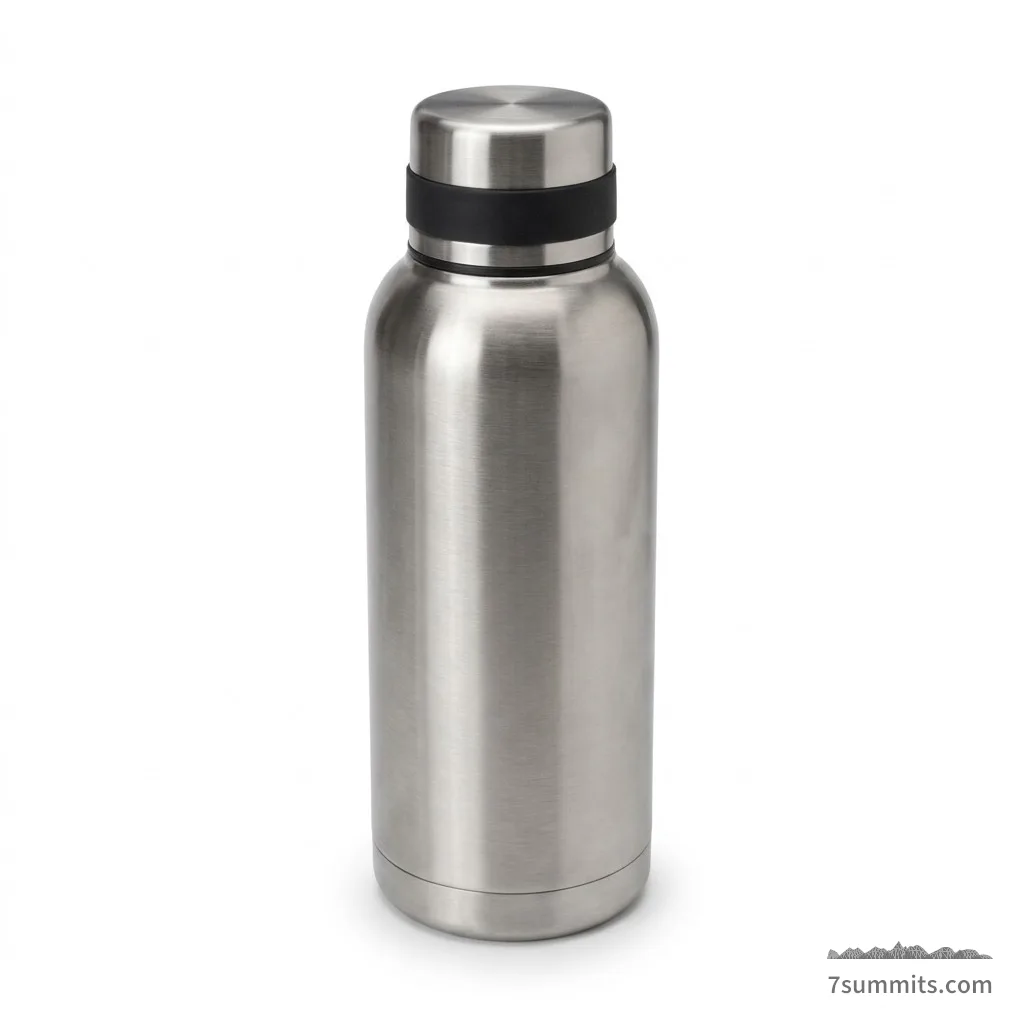 Insulated flask | A small flask for hot tea on summit day |
| Pots, cup, bowl and spoon | Your own mug, bowl and spoon, if your operator does not supply them, ask |
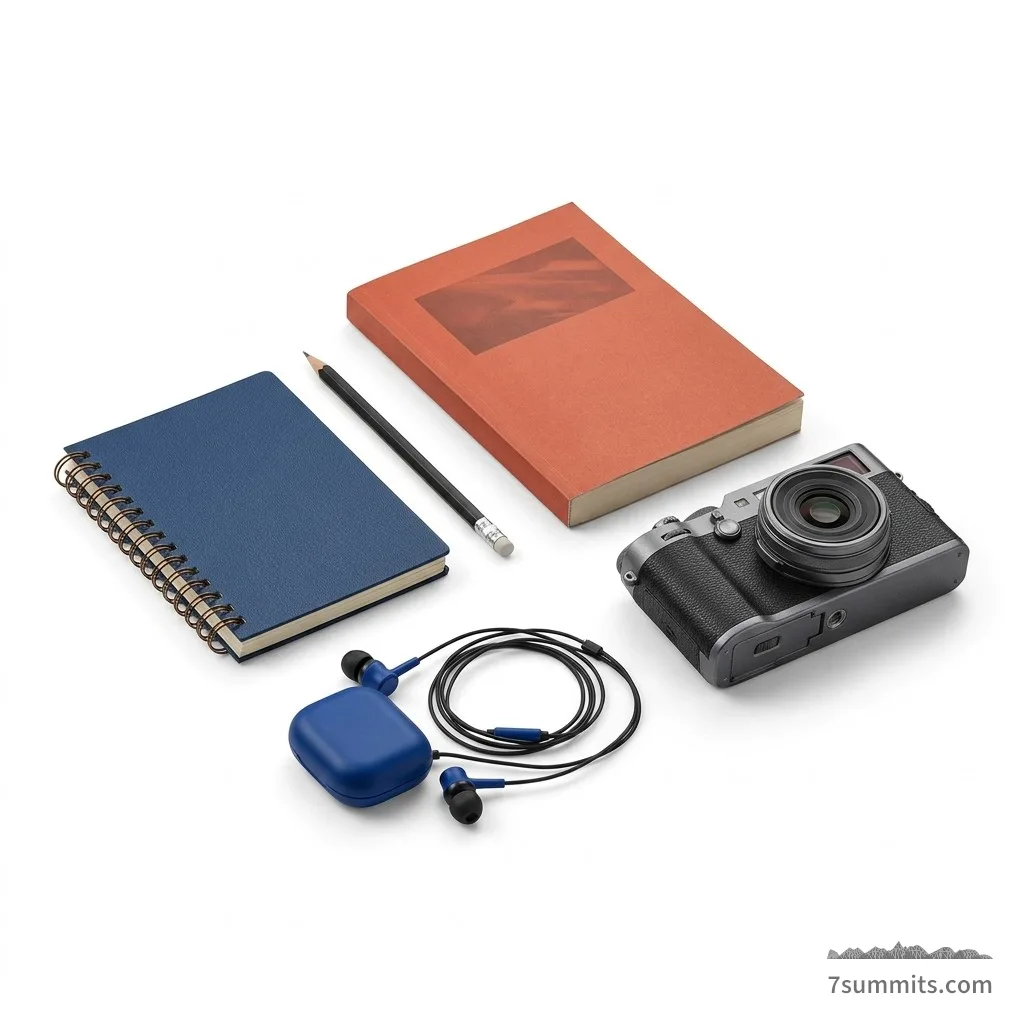 Camera, book, cards, notebook | Camera, a book or an e-reader, cards: weather can keep you in Timika or at base camp for days |
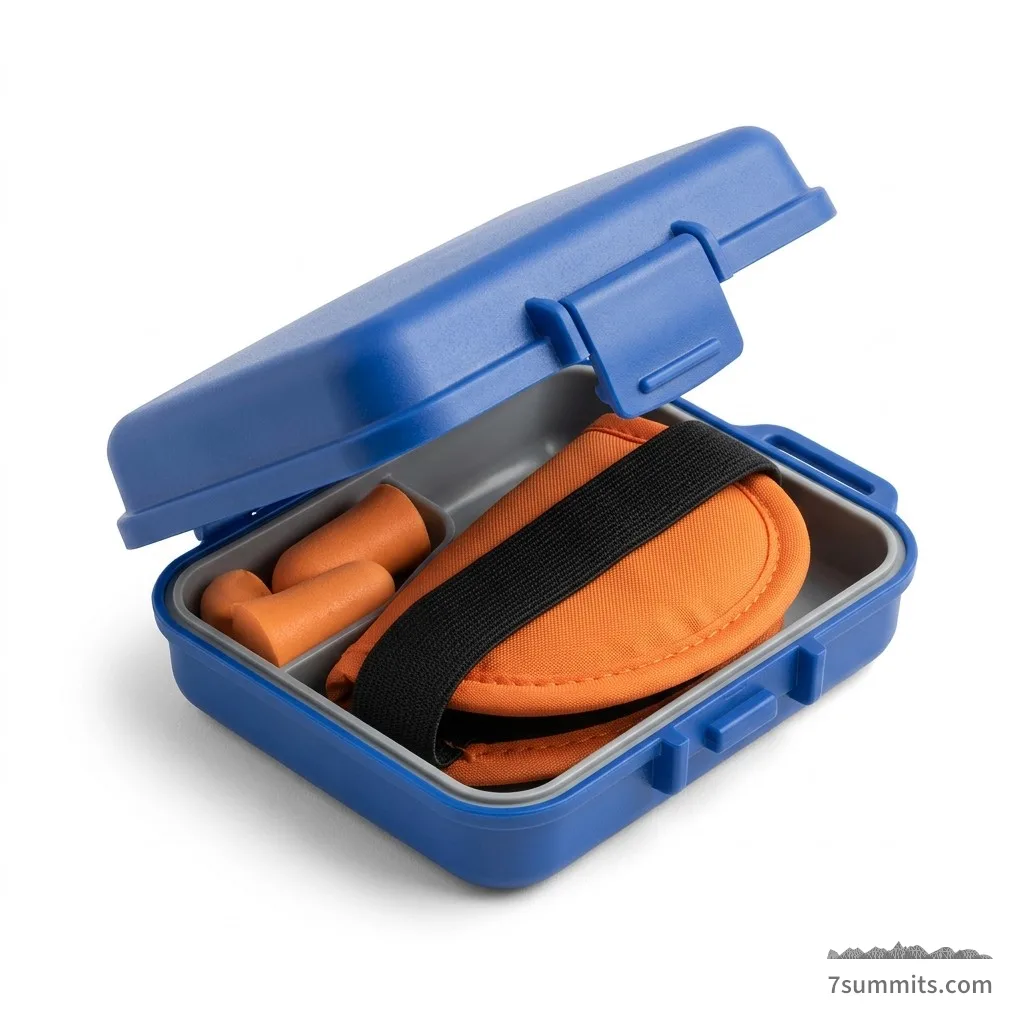 Earplugs and eye mask | For rain on the tent, wind and snoring |
Team equipment
On a guided climb your operator brings these; an independent team brings its own.
| Camp | |
|---|---|
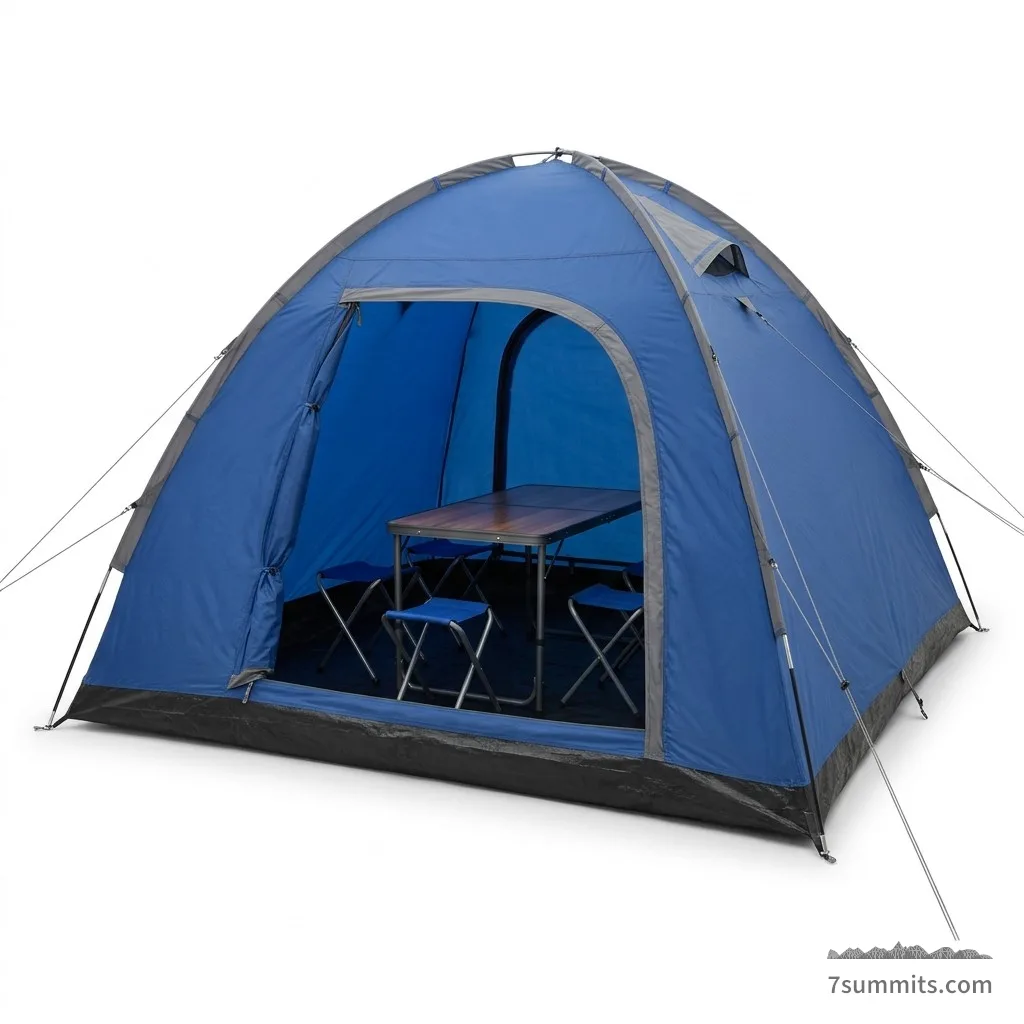 Kitchen or mess tent | Your operator's dining tent at base camp, with tables and chairs (9 say so) |
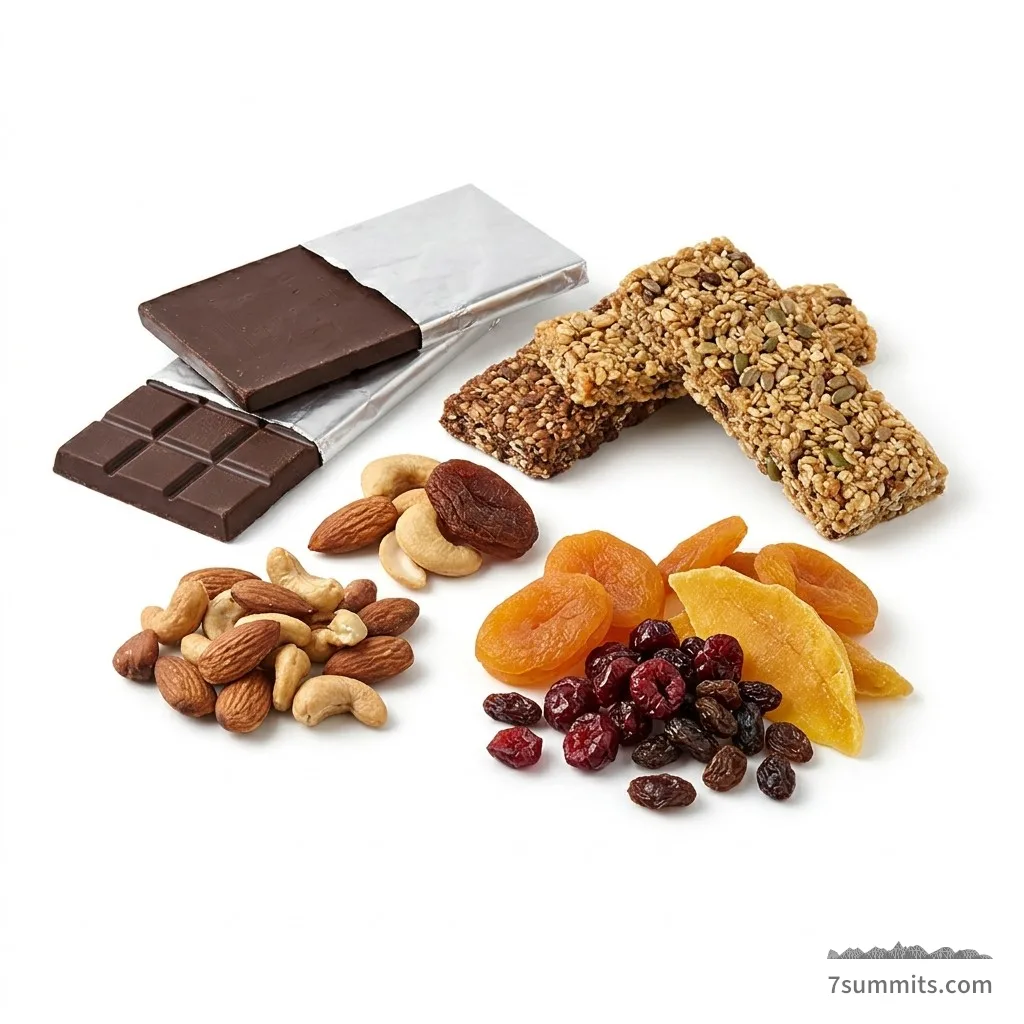 Food and snacks | Meals are the operator's at base camp and on the trek; most meals in Bali and Timika are yours (18 say so): bring your summit-day snacks |
| Stove (with lighters and matches) | Your operator's |