








The full Denali gear list, personal and team items, item by item.
Written from the kit lists expedition operators and climbers use today. Standard is what you need; optional is what some climbers add. No quantities: how many is yours to decide.
Sign in to tick what you already own. · Every item, explained
Standard
| Clothing | |
|---|---|
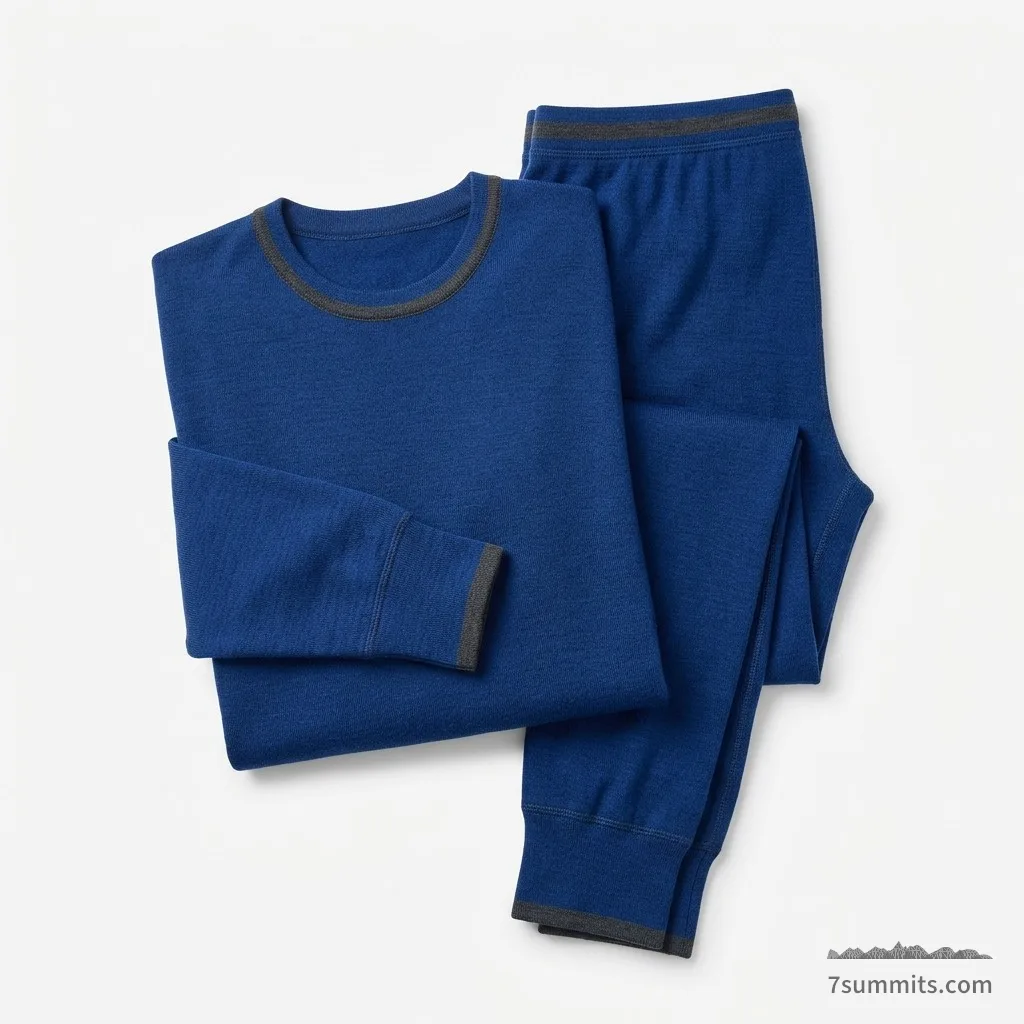 Base layers (top and bottom) | Merino or synthetic top and bottom, never cotton; a light and a heavier set |
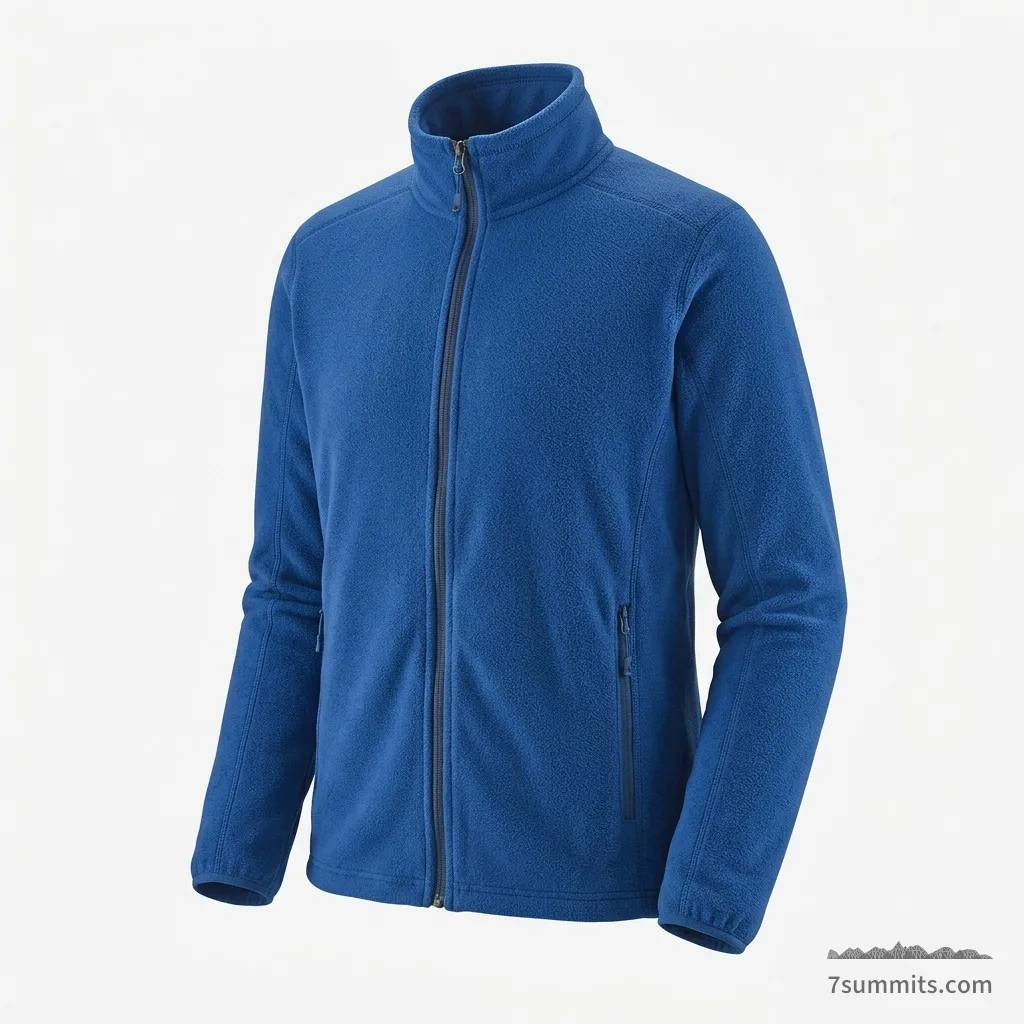 Mid-layers (fleece or light insulated top) | Fleece or a light synthetic jacket (a vest works too) to layer under the shells |
| Mid-layer trousers (softshell or fleece) | Softshell or fleece trousers for the climbing days |
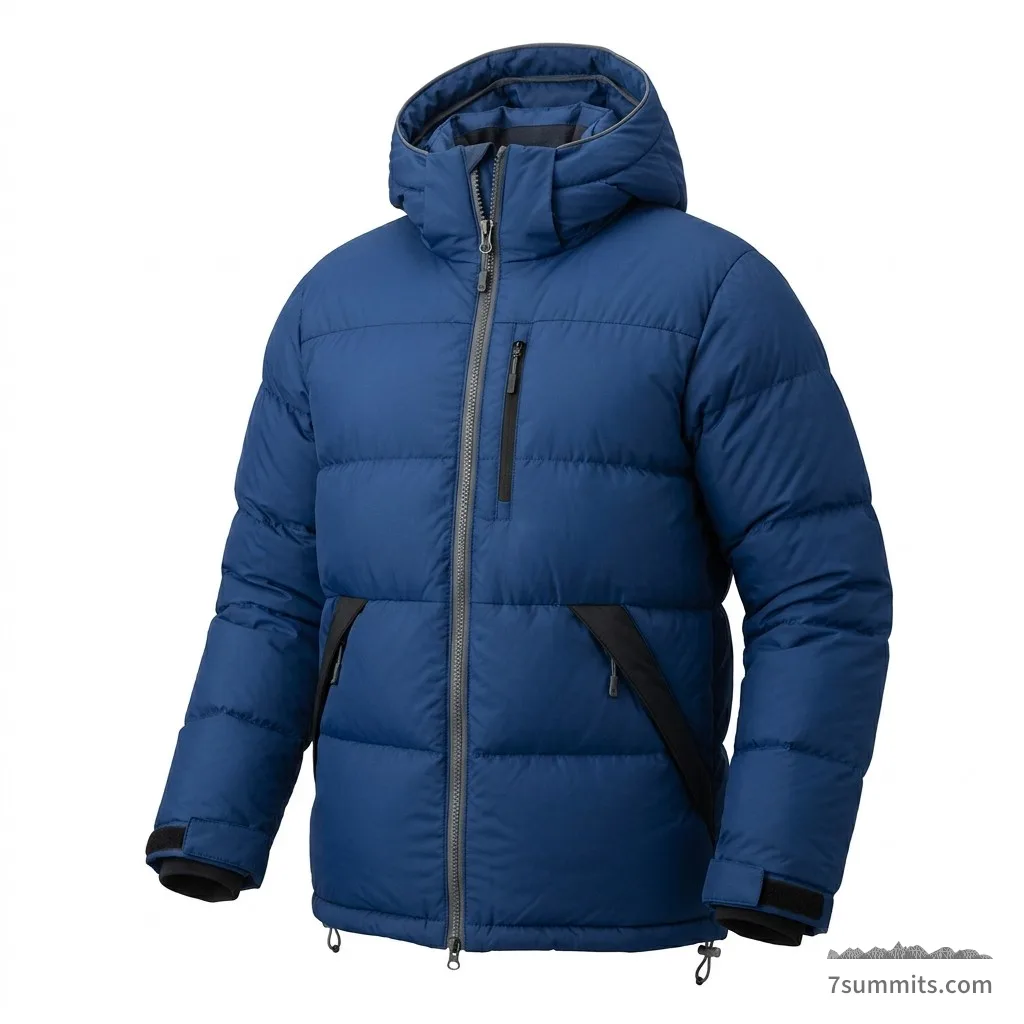 Insulated jacket (down or synthetic) | Hooded expedition down parka, 800 fill or more, big enough to go over every other layer: on Denali it does the job of the down suit |
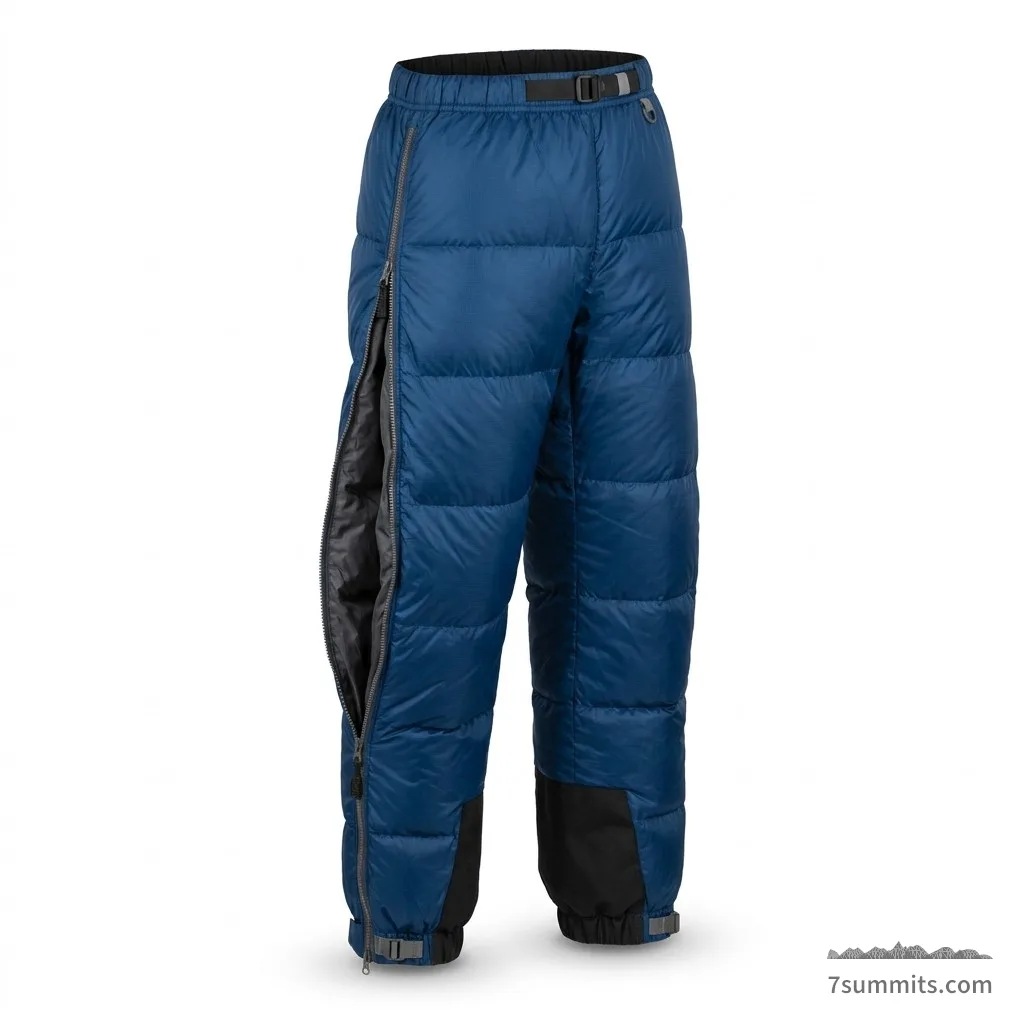 Insulated trousers or bibs | Down or synthetic trousers with full-length side zips, for camp and summit day |
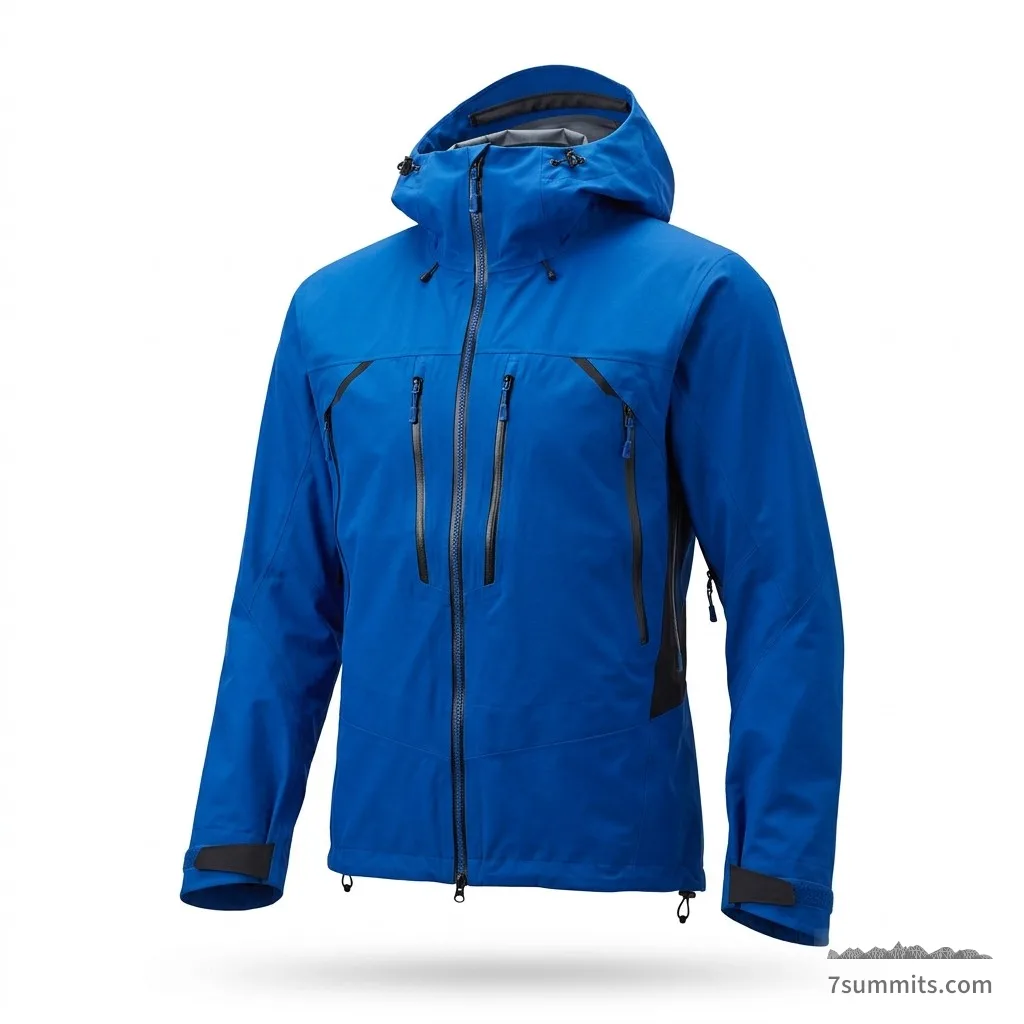 Hardshell jacket | Windproof and waterproof, with a hood that fits over the helmet; rain is rare, wind is not |
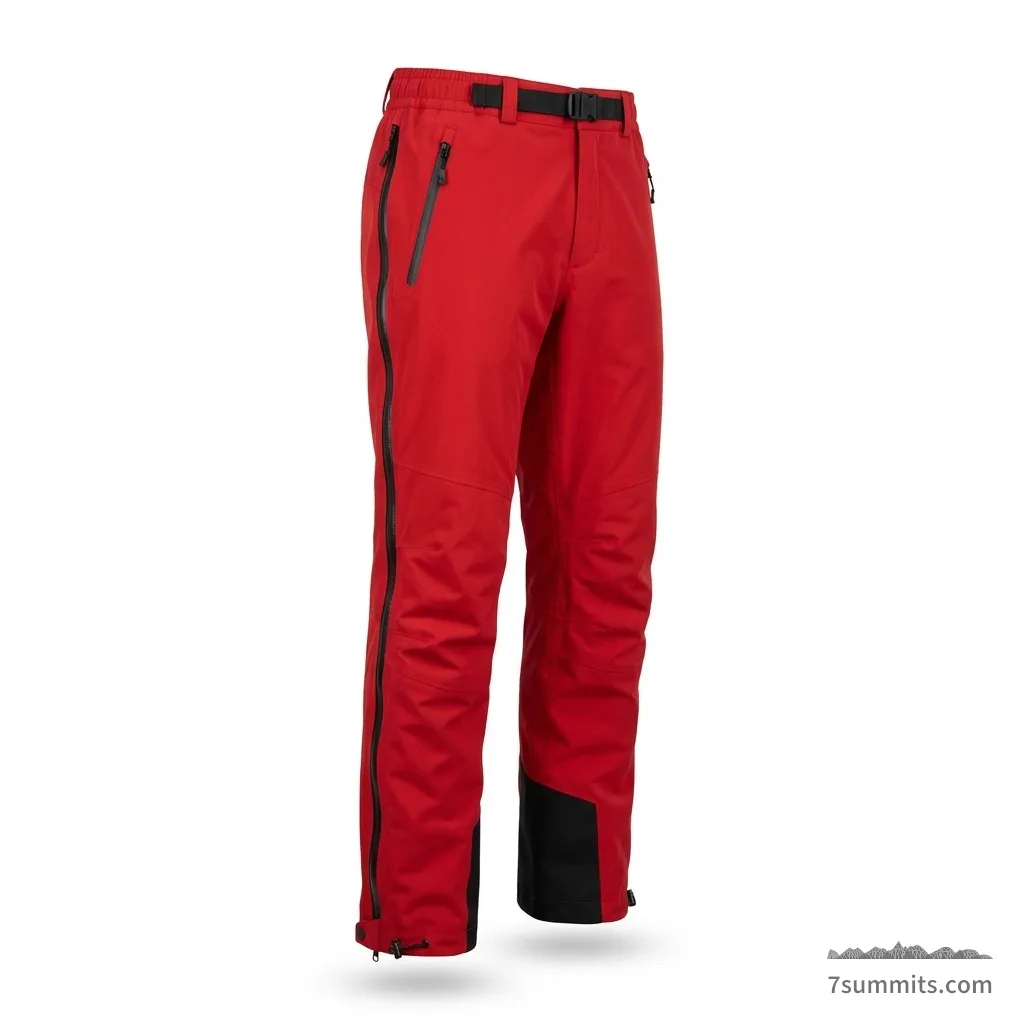 Hardshell trousers | Windproof and waterproof, full-length side zips so they go on over boots and crampons |
| Underwear | Merino or synthetic, never cotton |
| Town and base-camp clothes | Clean clothes for Anchorage and Talkeetna; they stay in the Talkeetna bag |
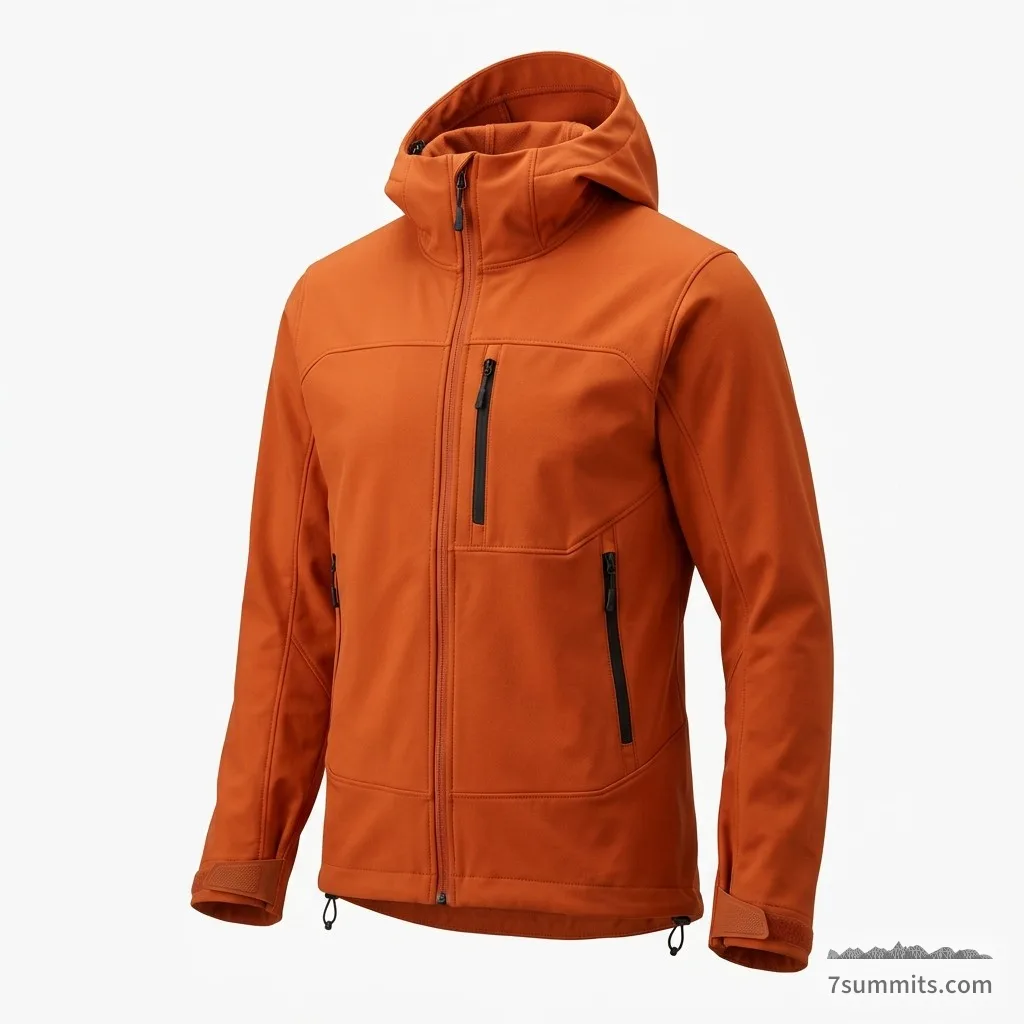 Softshell jacket | A windproof softshell for the lower glacier and windy days |
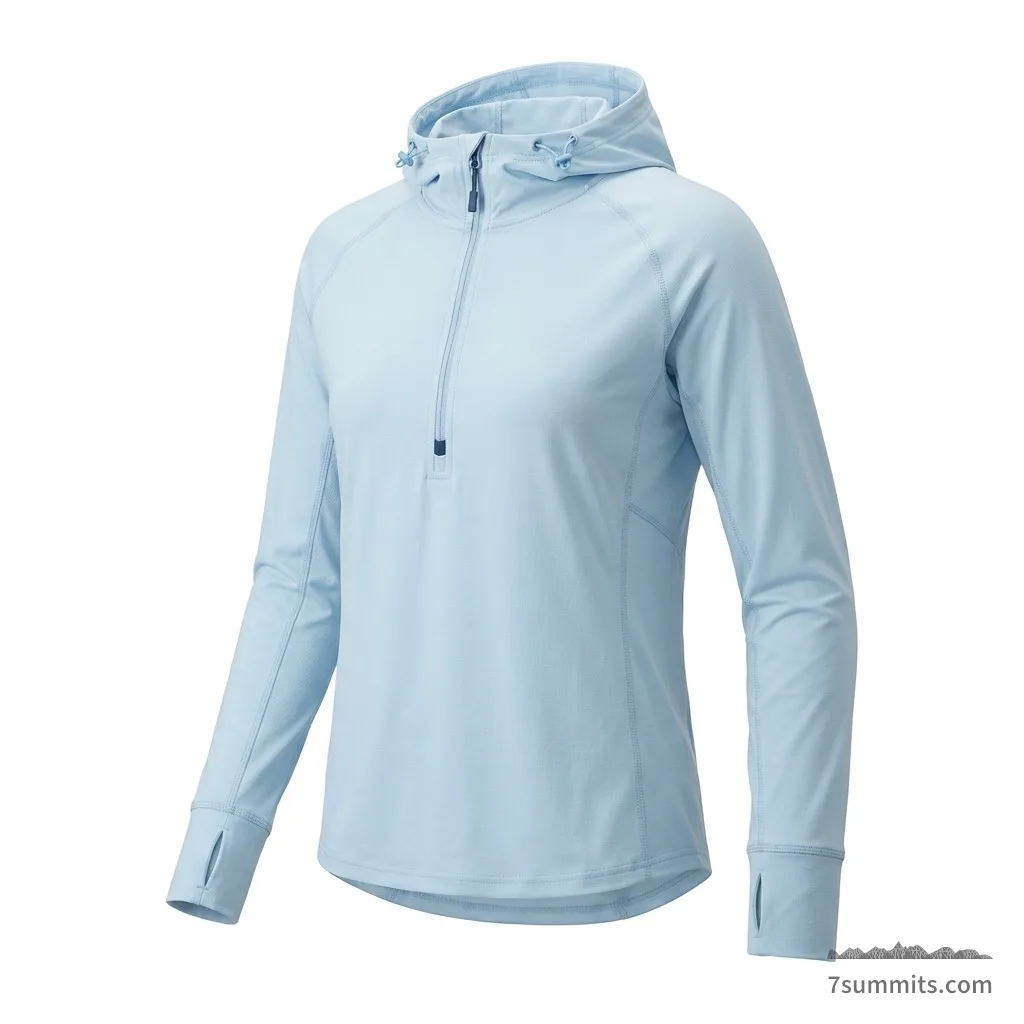 Sun shirt (light, long-sleeved) | A light long-sleeved sun hoody for hot glacier days |
| Head, hands & feet | |
|---|---|
| Mountaineering boots | Double boots (6000 m class) with insulated overboots on the upper mountain, or an 8000 m boot with a built-in gaiter if you run cold |
| Warm socks | Heavy wool or synthetic mountaineering socks; one pair kept dry for summit day |
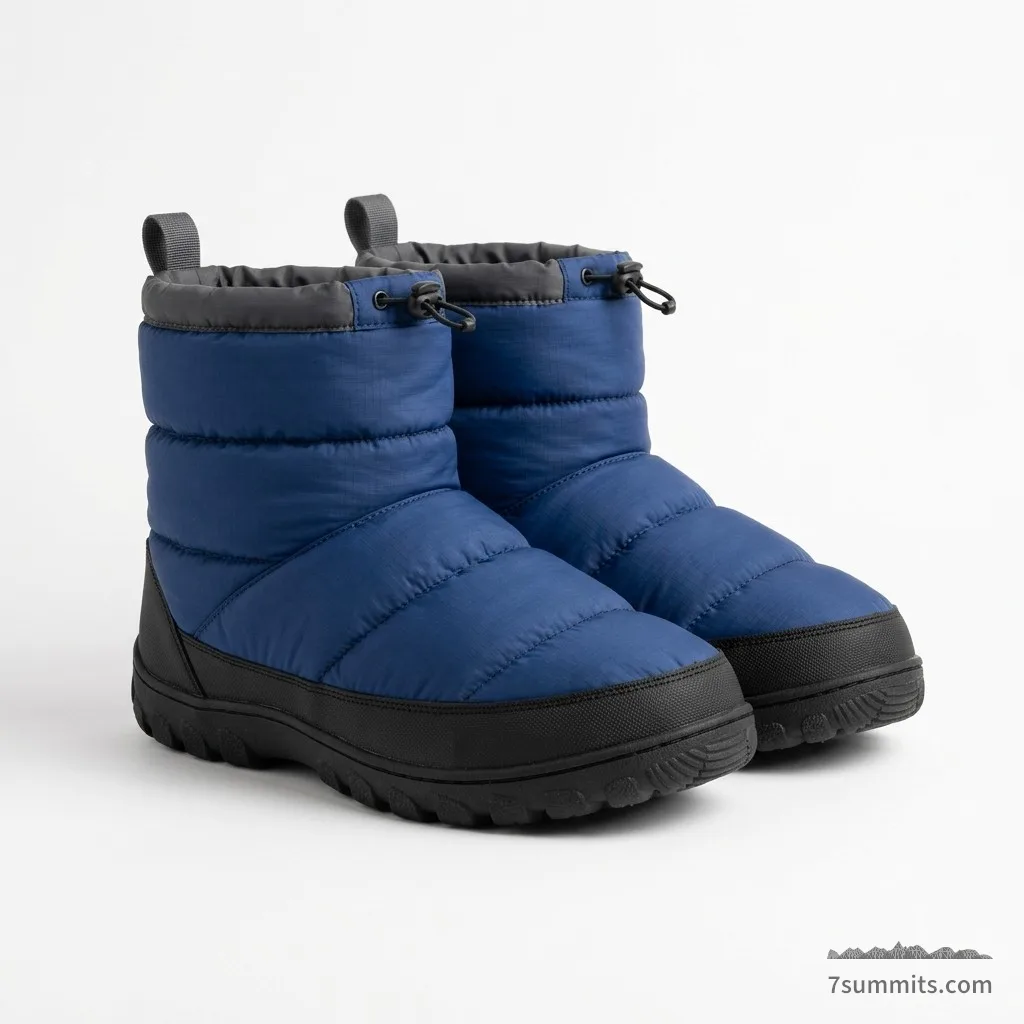 Camp shoes | Insulated down booties for the tent and camp, and for inside the sleeping bag |
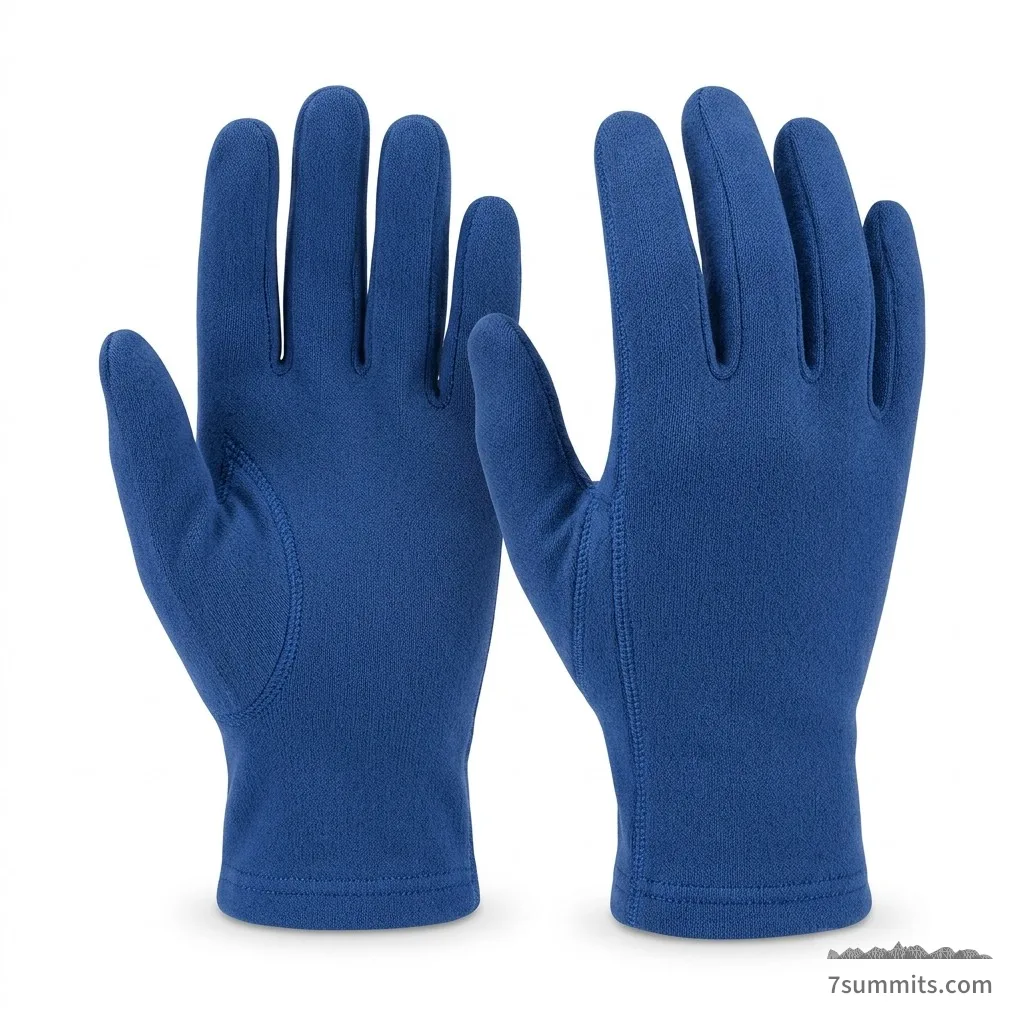 Liner gloves | Thin gloves you can work in; take a spare pair |
| Warm gloves | Insulated gloves with a leather palm for the fixed lines and camp work |
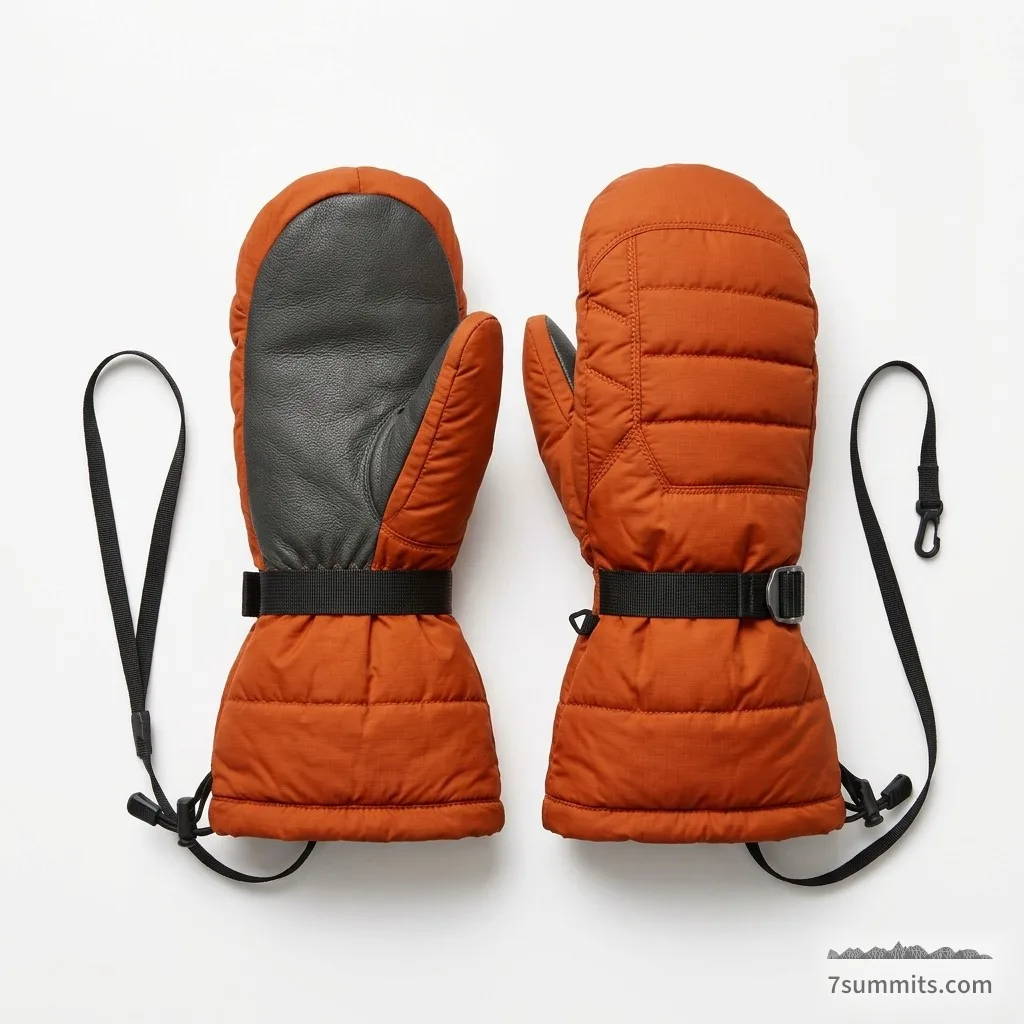 Expedition mitts | Summit day and the upper mountain: down or synthetic expedition mitts, big enough to go over the liners |
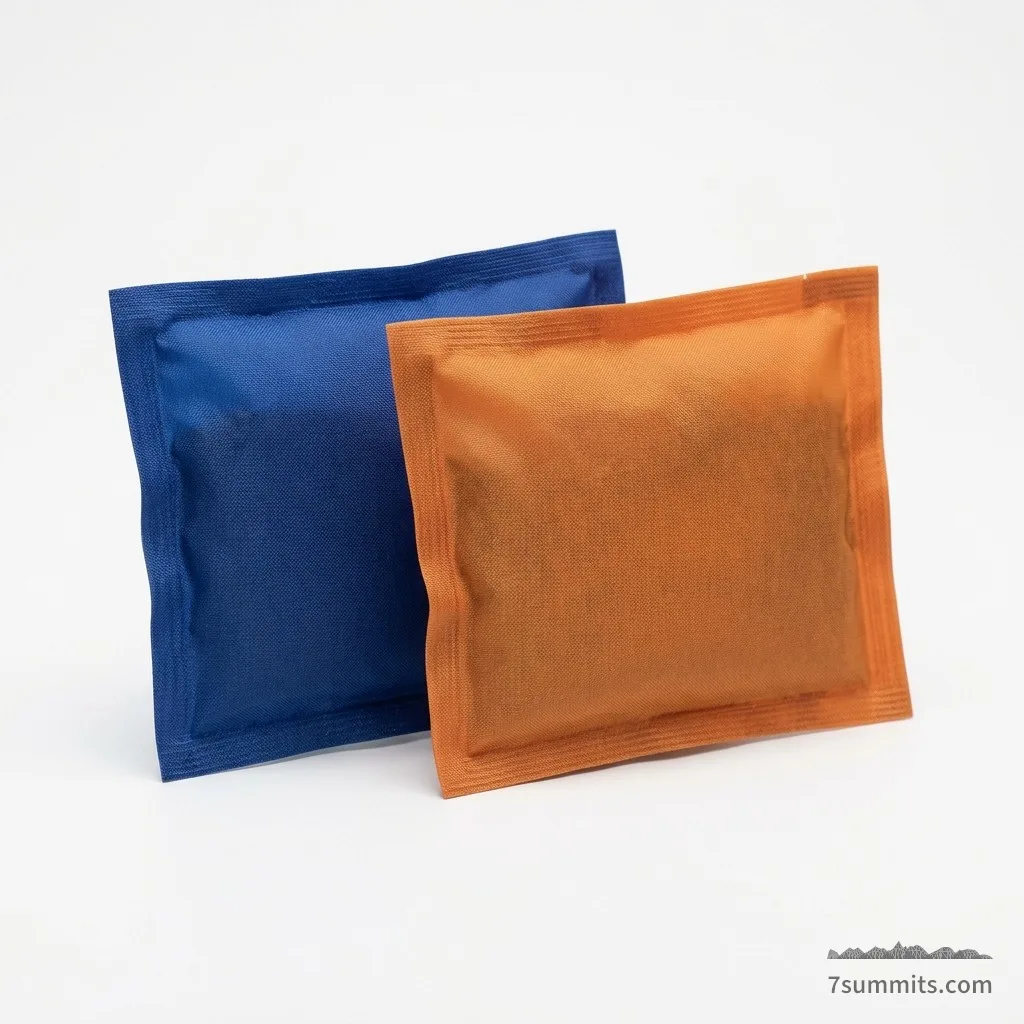 Chemical hand warmers | Chemical warmers for summit day, in the mitts and the boots |
| Warm hat | Warm hat that fits under the helmet; most people sleep in it |
| Sun hat | Sun hat with a brim or neck flap: the glacier reflects the sun from below |
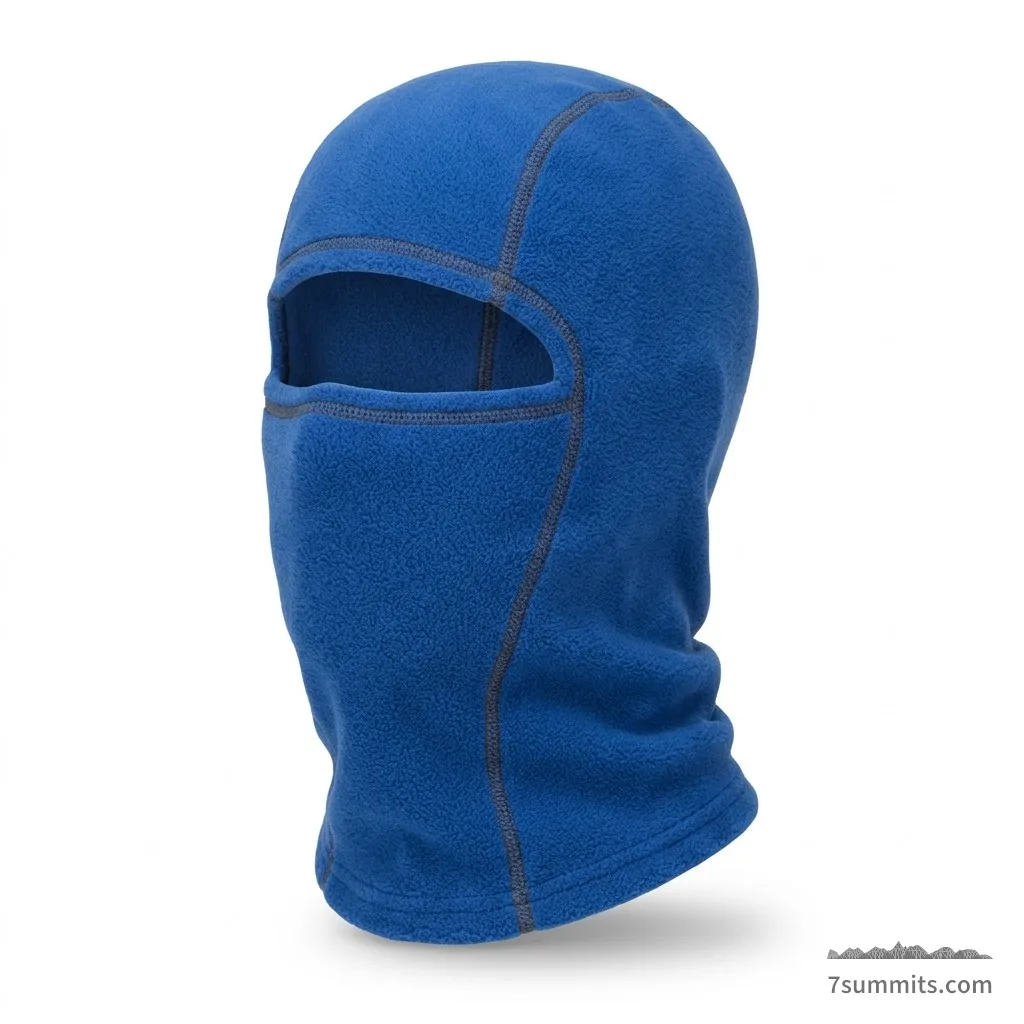 Balaclava or face mask | Balaclava or neoprene face mask for wind and summit day |
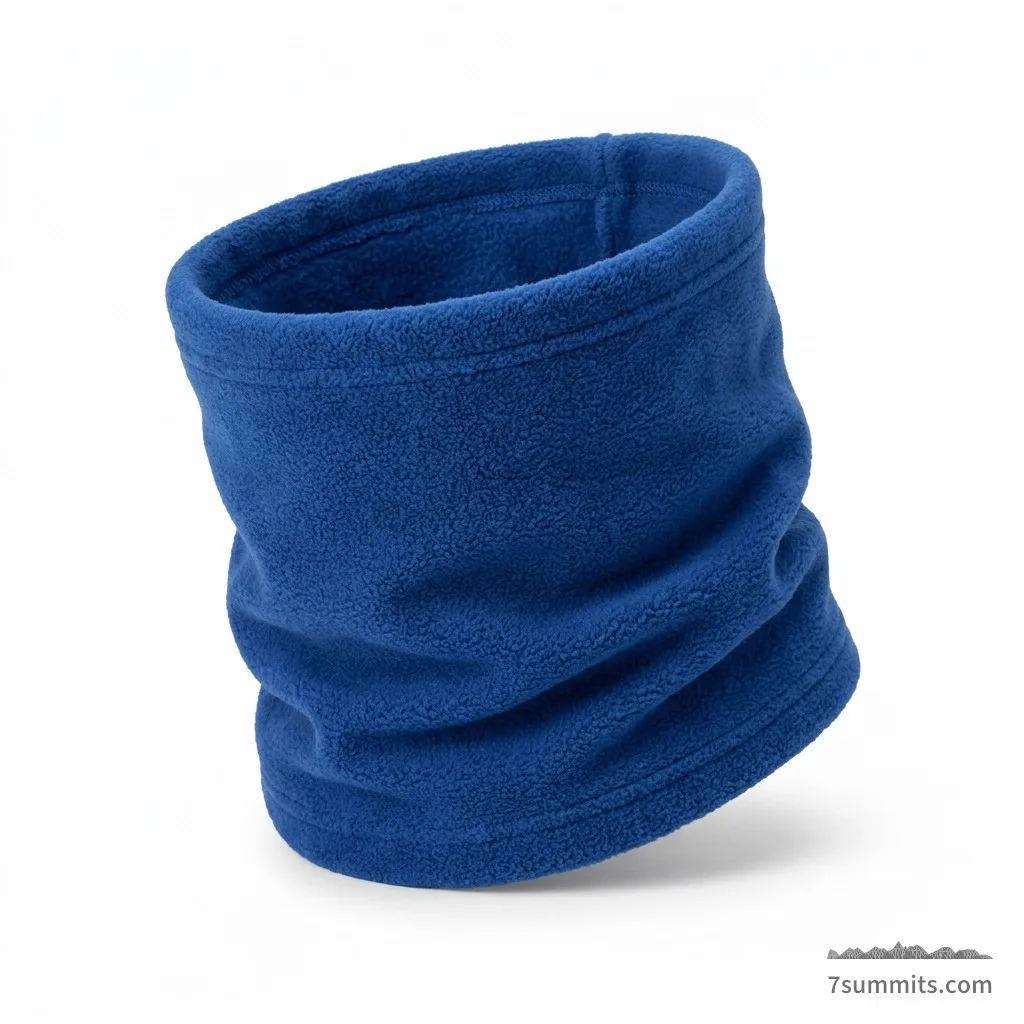 Neck gaiter or buff | Buff or neck gaiter, against sun on the glacier and wind higher up |
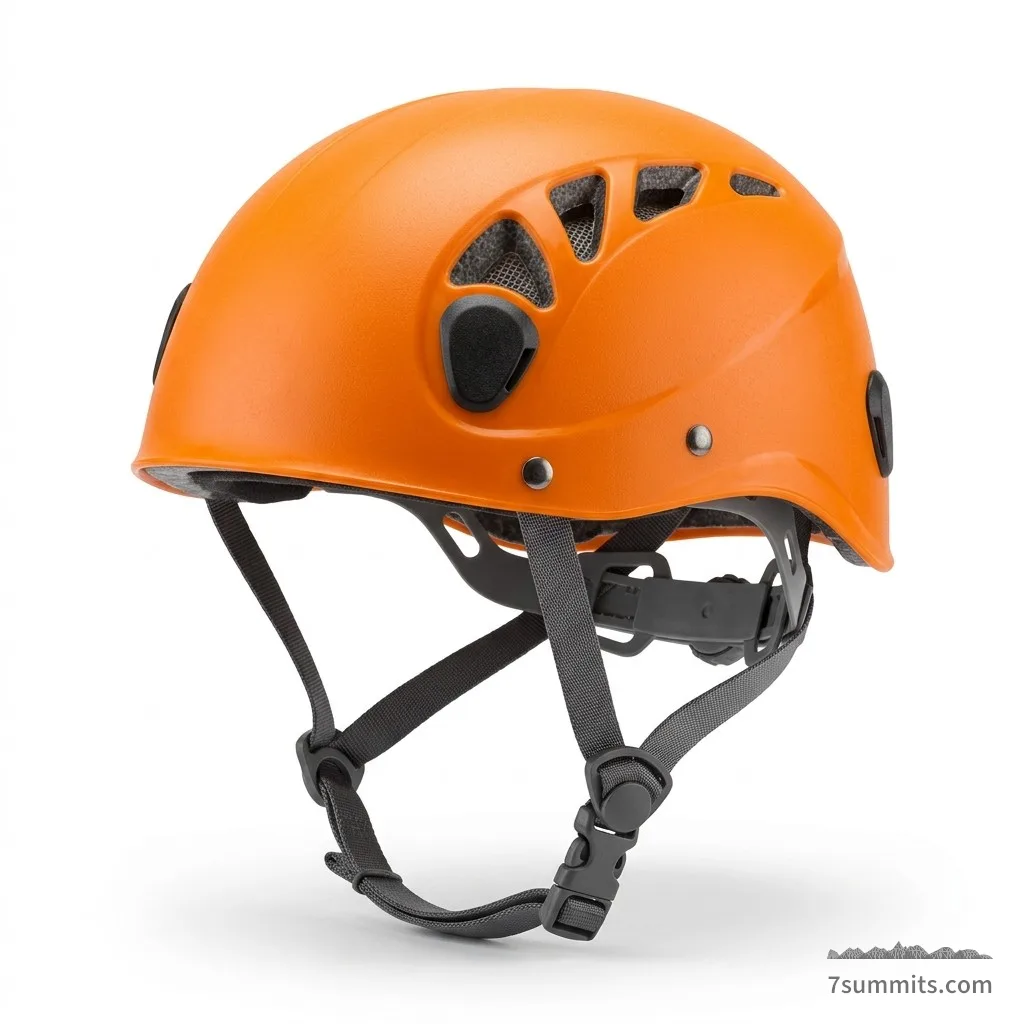 Climbing helmet | For the fixed lines and the ridge above 14,000 ft; check it fits over the warm hat |
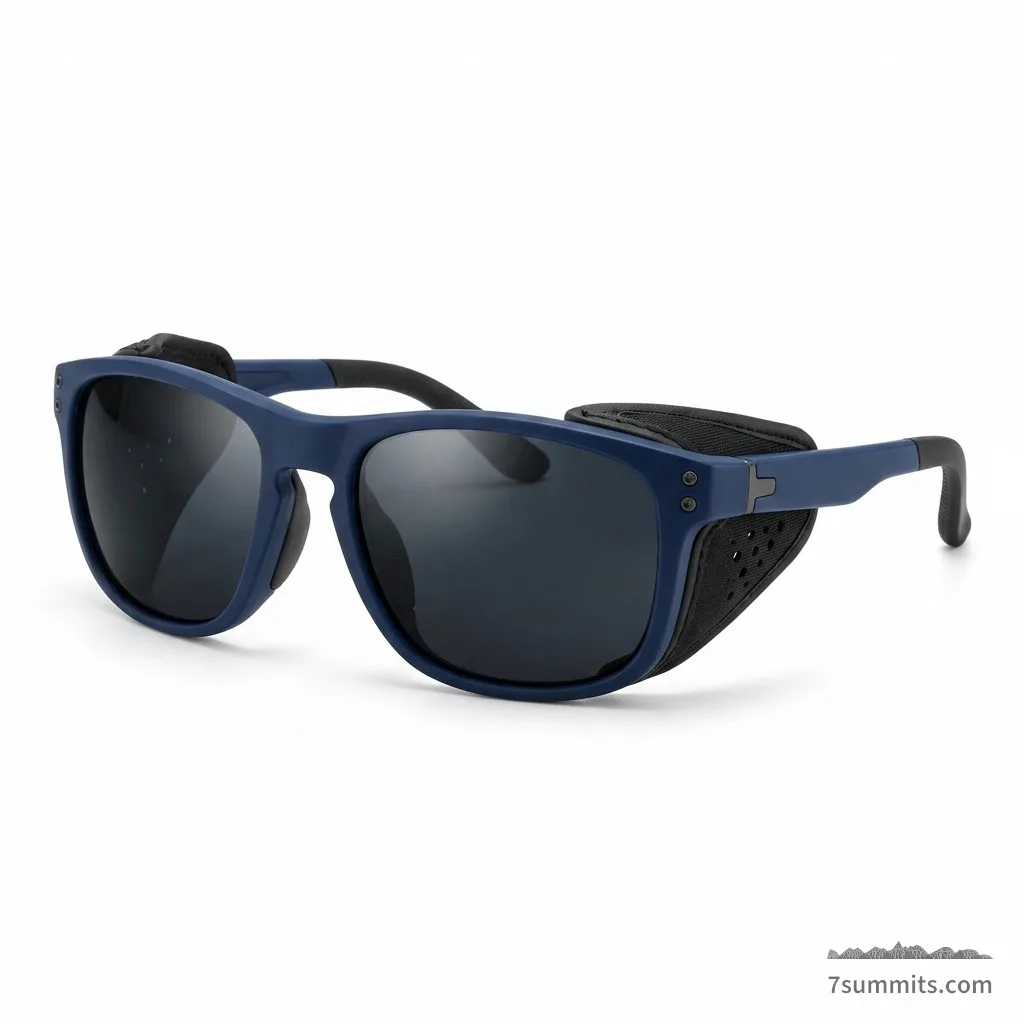 Glacier glasses | Filter category 4 with side shields and a nose guard (built in or clip-on); if you need glasses to see: prescription lenses, or spare glasses and contacts |
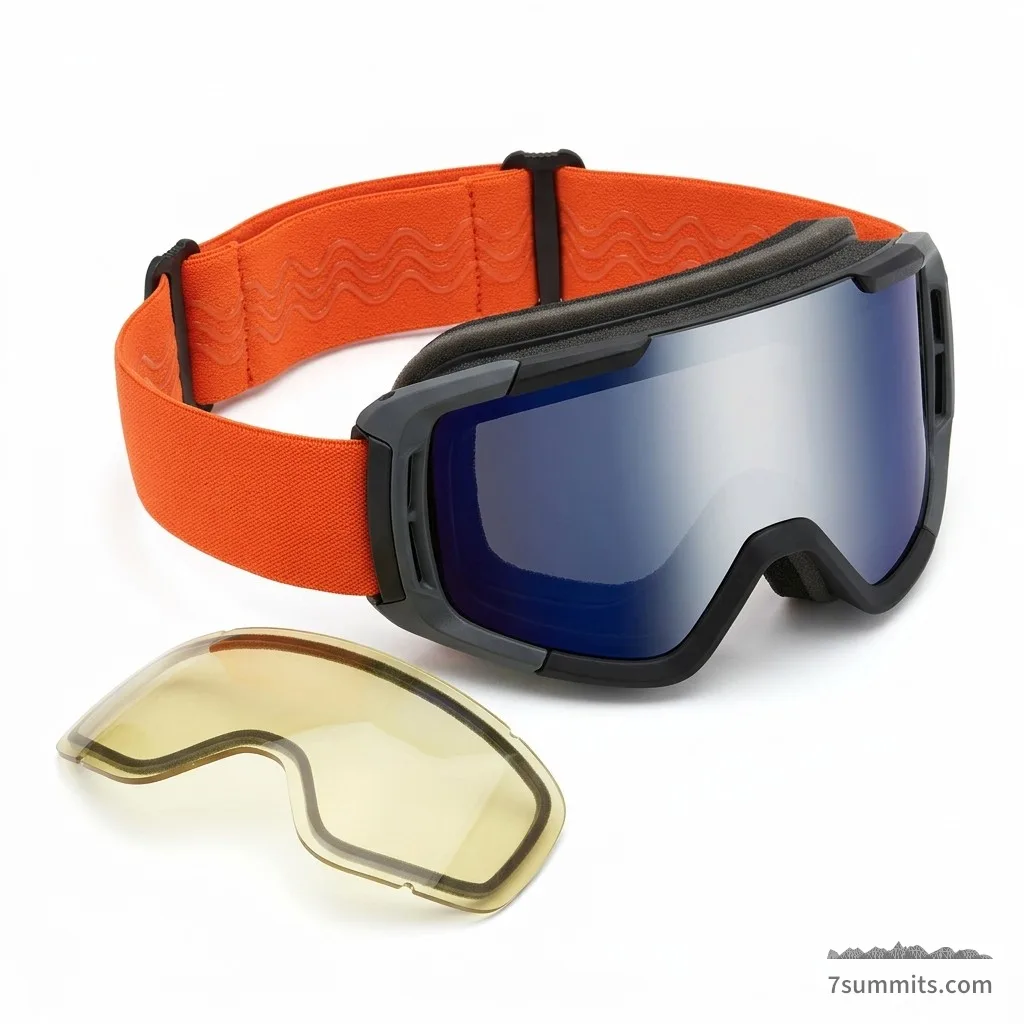 Goggles (with a spare lens) | Ski goggles for storms and wind on the upper mountain |
| Gear | |
|---|---|
| Crampons | 12-point steel crampons fitted to your boots, and over the overboots if you wear them |
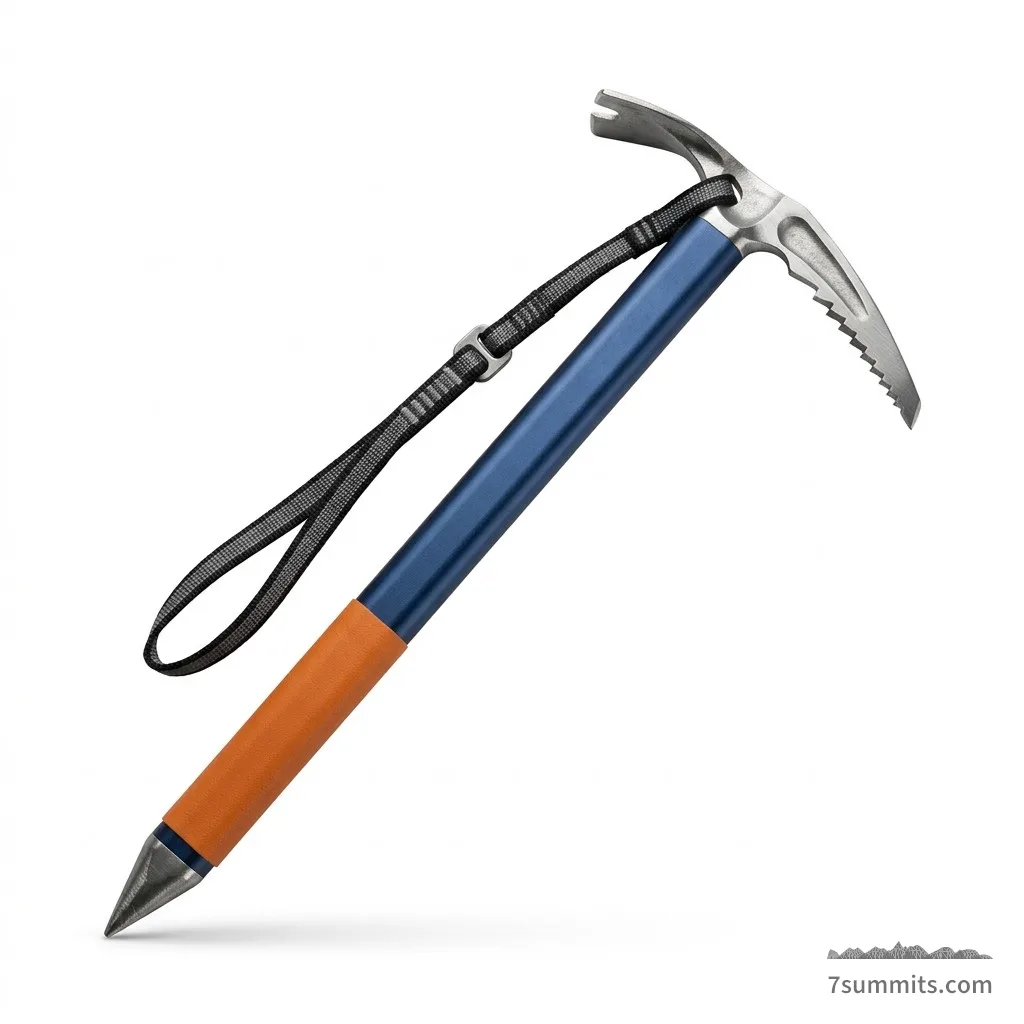 Ice axe | General mountaineering axe with a leash to the harness, not the wrist |
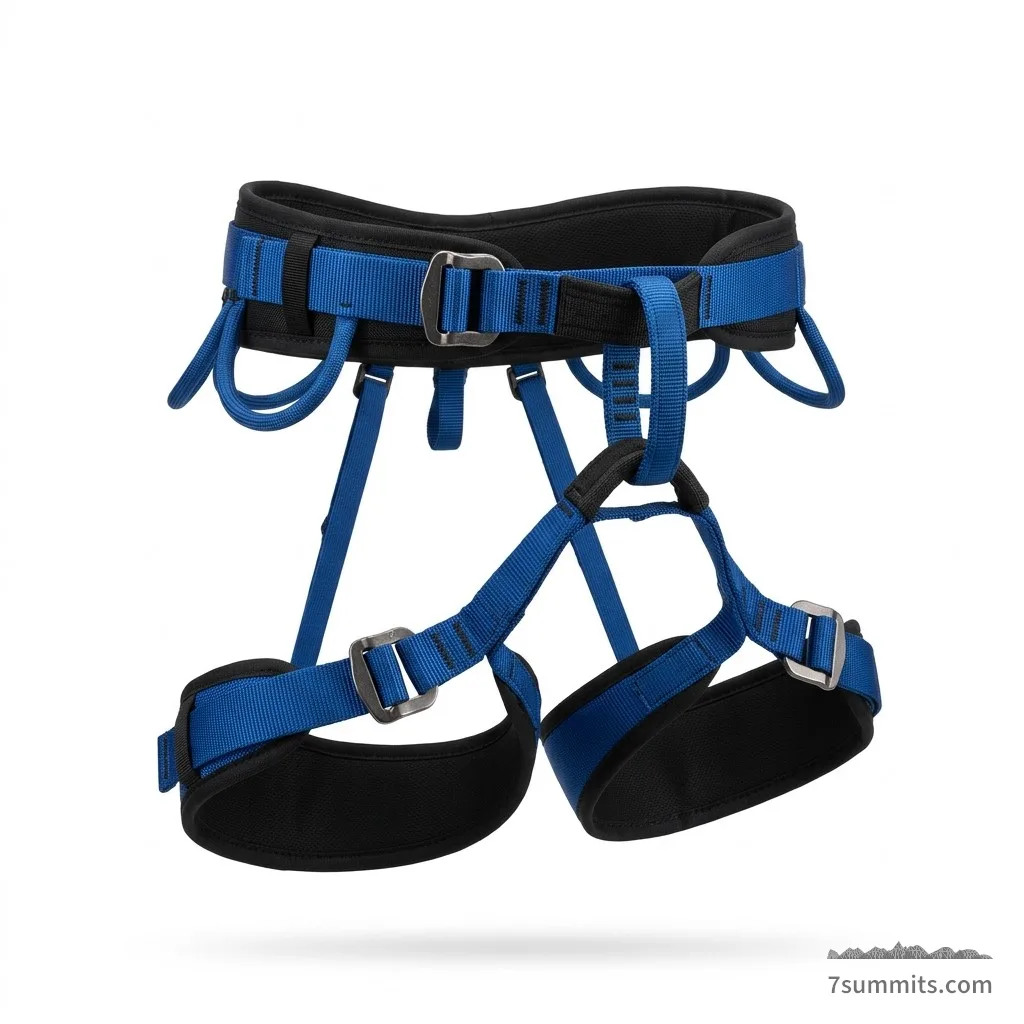 Climbing harness | Alpine harness with adjustable leg loops that goes on over insulated trousers |
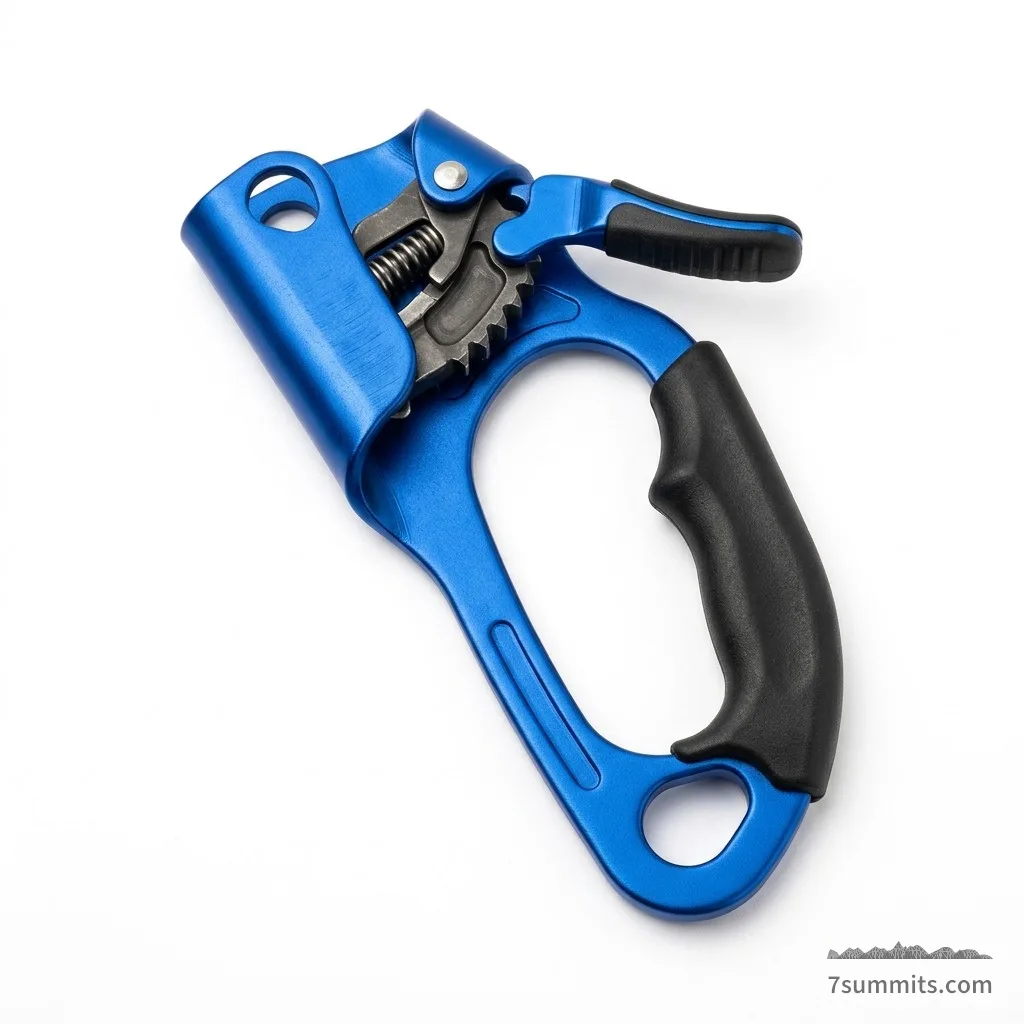 Ascender (jumar) | One handled ascender for the fixed lines on the headwall; 3 operators supply it |
| Prusik loops and accessory cord | 6 mm cord for prusik loops: crevasse self-rescue on the glacier |
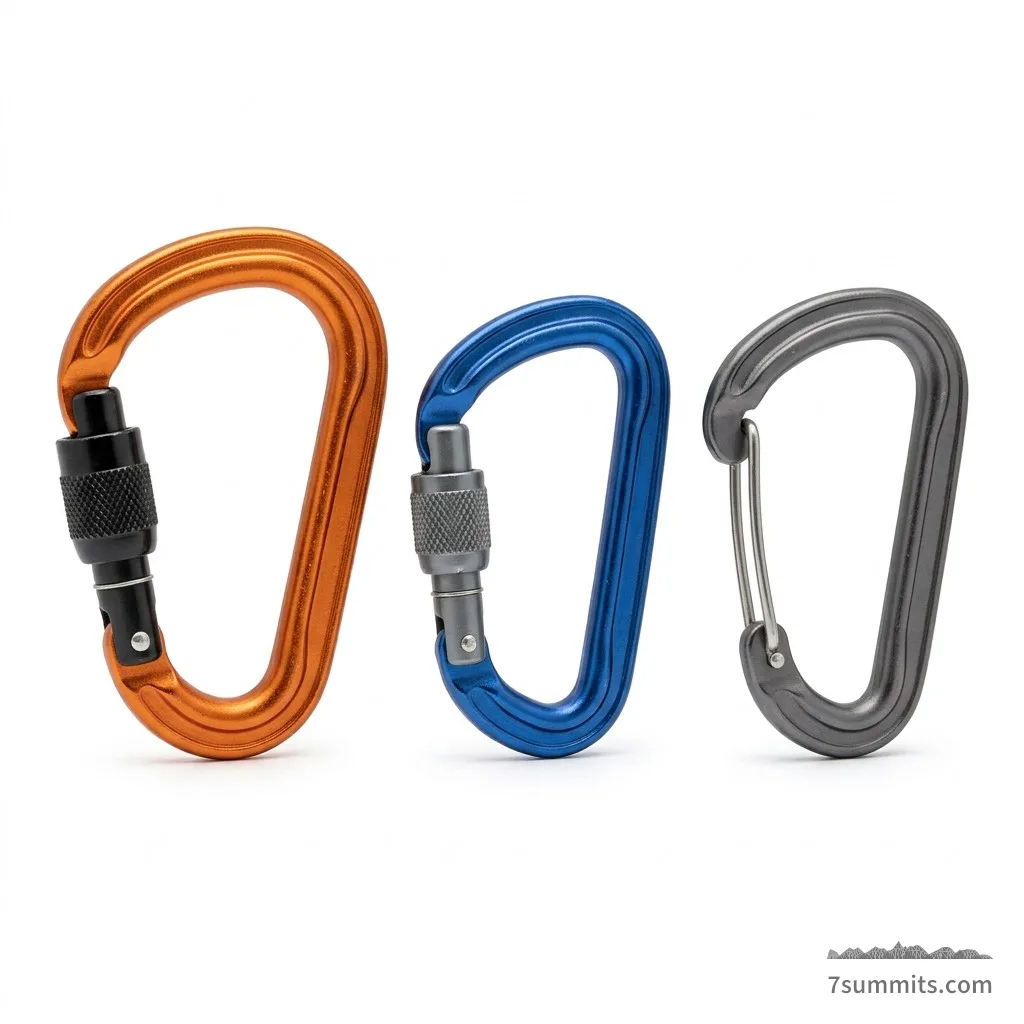 Carabiners (locking and non-locking) | Locking and non-locking, large enough to clip wearing mitts |
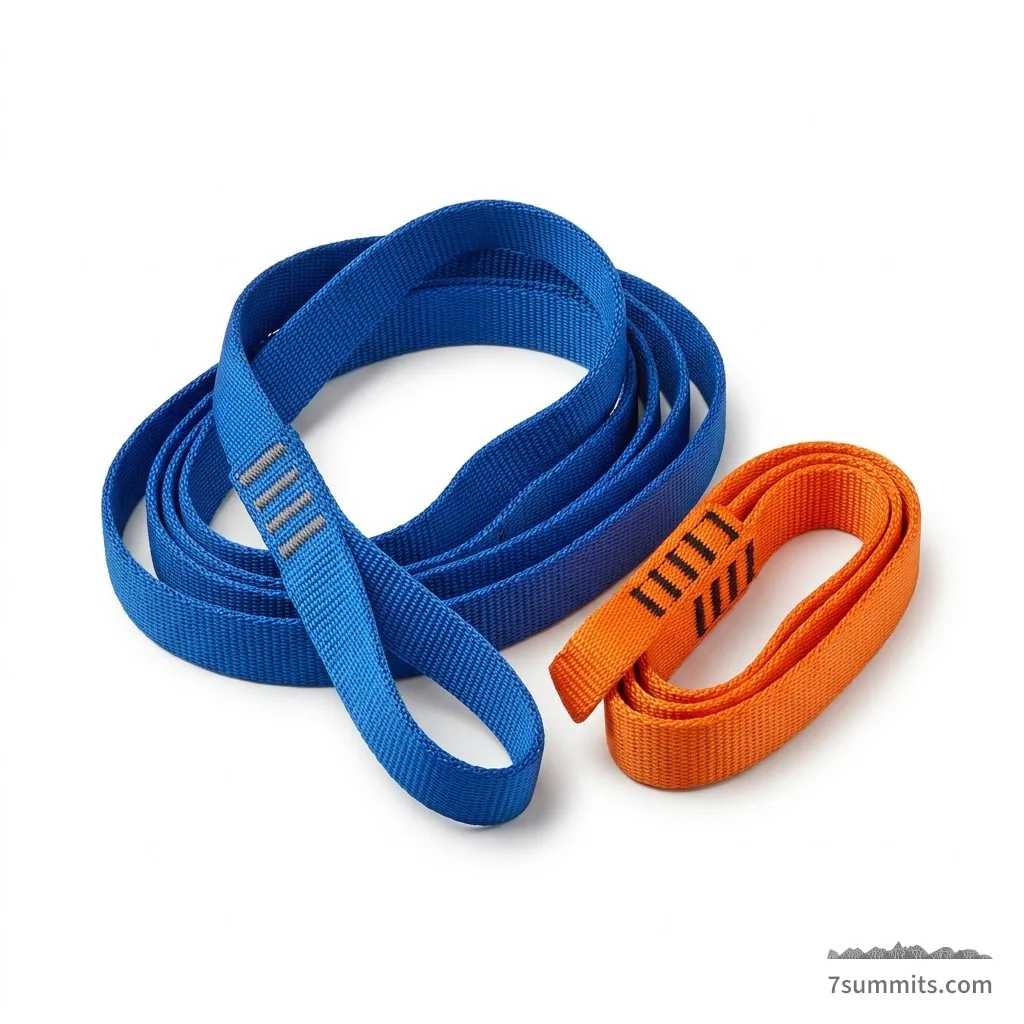 Slings and cowstails | Sewn slings for the glacier rig and a cowstail for the fixed lines |
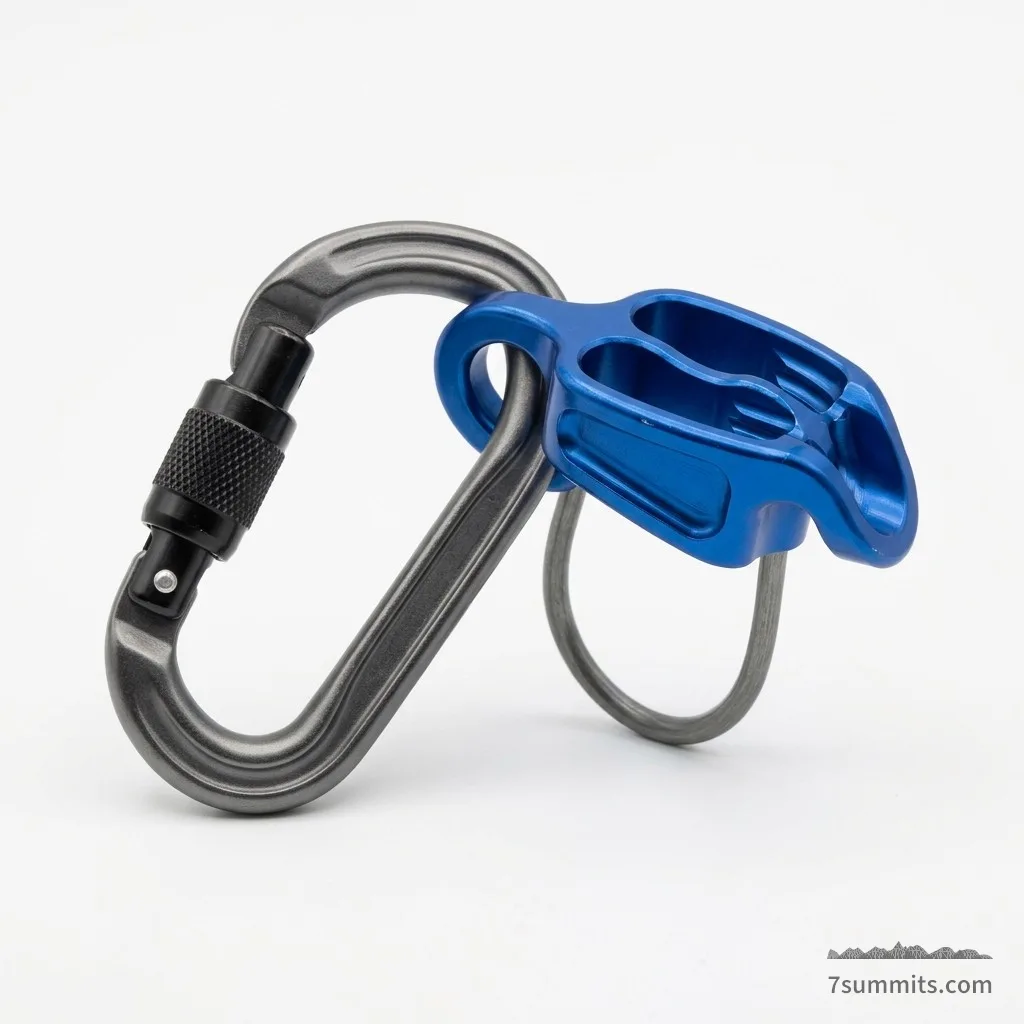 Belay or rappel device | Required: a tube or figure-8 device for crevasse rescue and rope work |
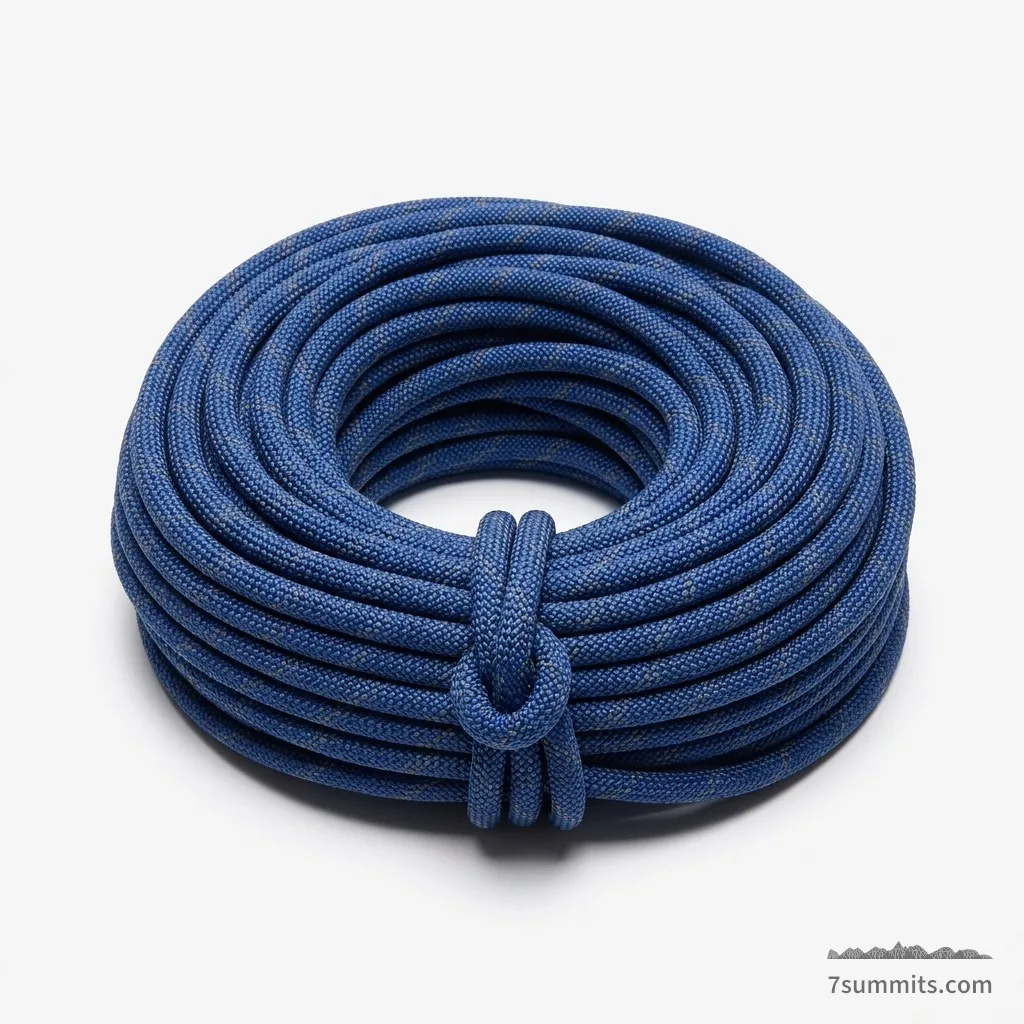 Rope (glacier travel, fixed-line spares) | The glacier ropes are the team's; you bring none |
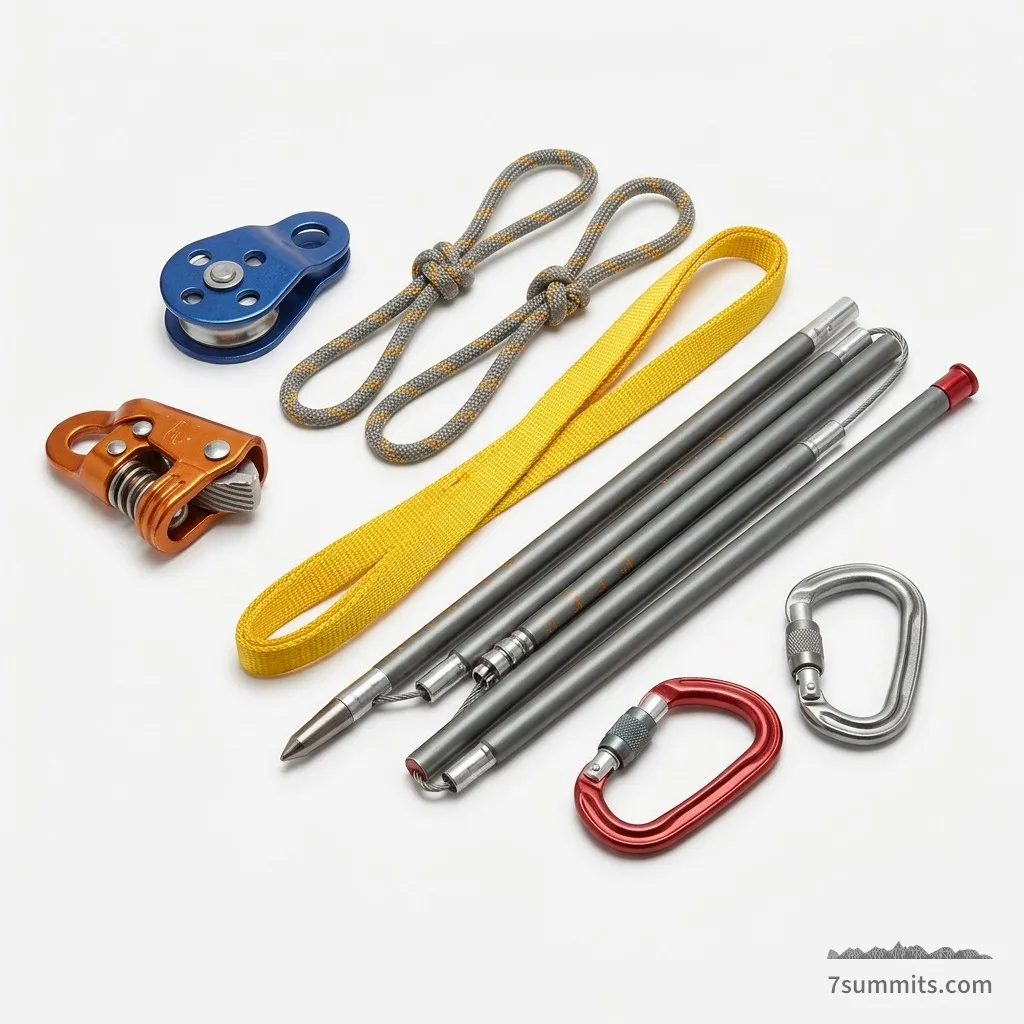 Crevasse rescue kit (pulley, prusiks, probe) | Pulleys, pickets and rescue gear are the team's; your part is the prusik cord, slings and carabiners |
| Snowshoes or skis | Snowshoes or skis for the lower glacier: one or the other, never neither; skis only if you ski well. Several operators supply or rent snowshoes, sent ahead to a higher camp |
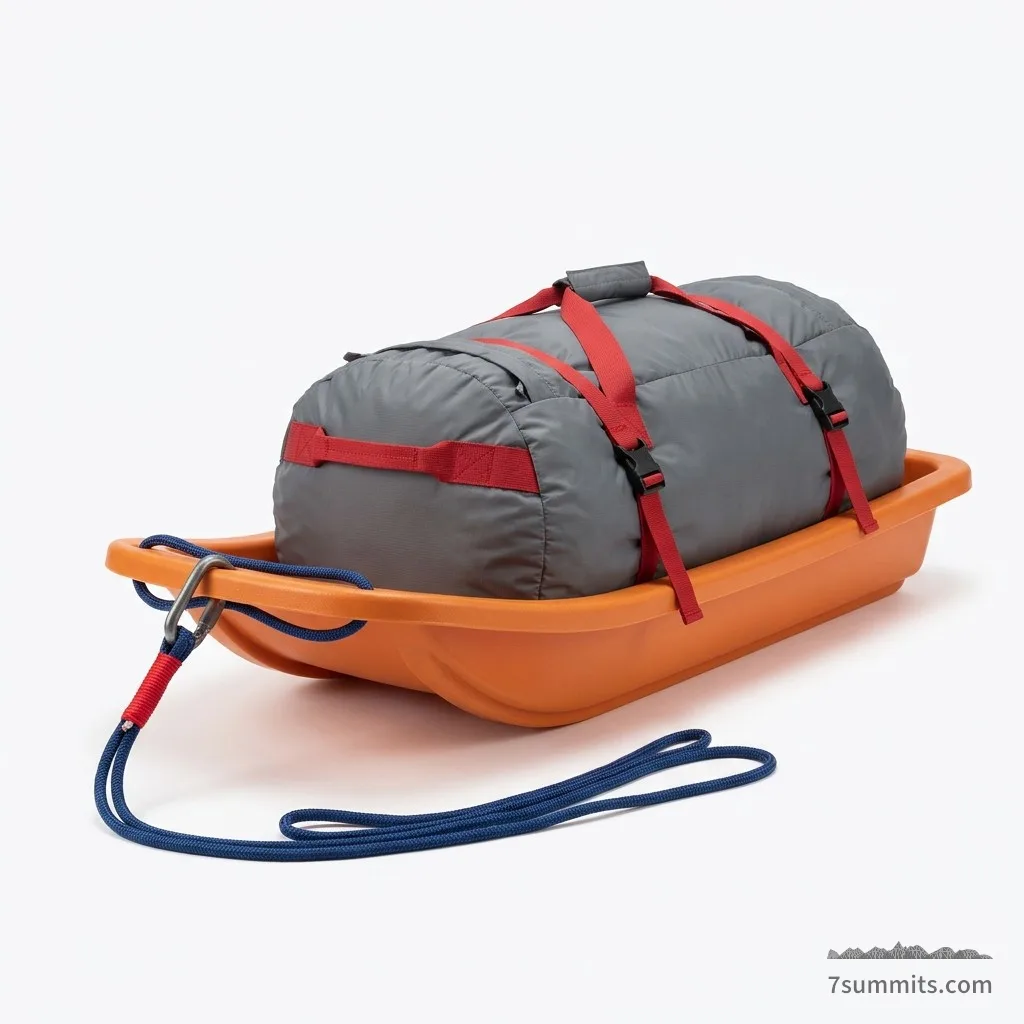 Sled | Your operator's sled (16 say so) for the lower glacier; you rig and pull your own load |
| Trekking poles | Adjustable poles, used with the snowshoes on the glacier |
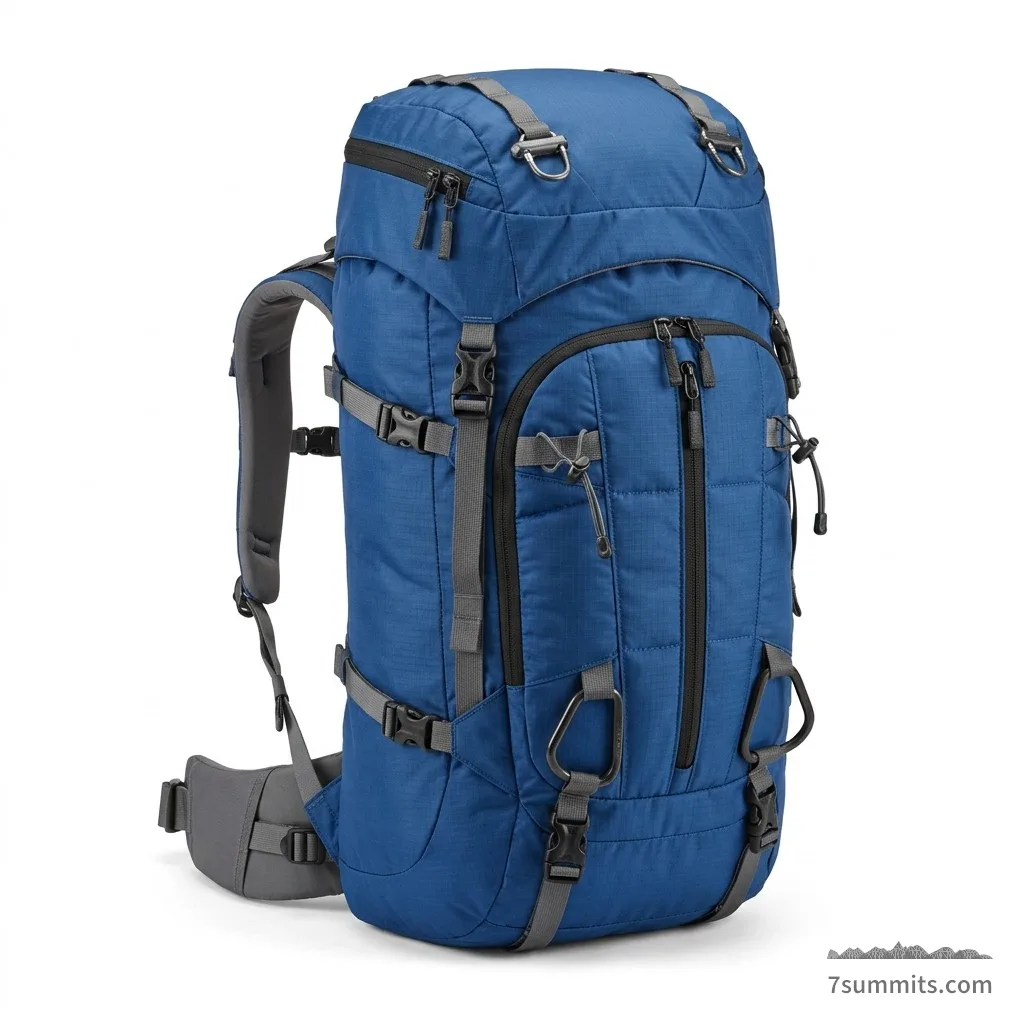 Expedition backpack | At least 80 L; 100 L is common: above the sleds everything goes in it |
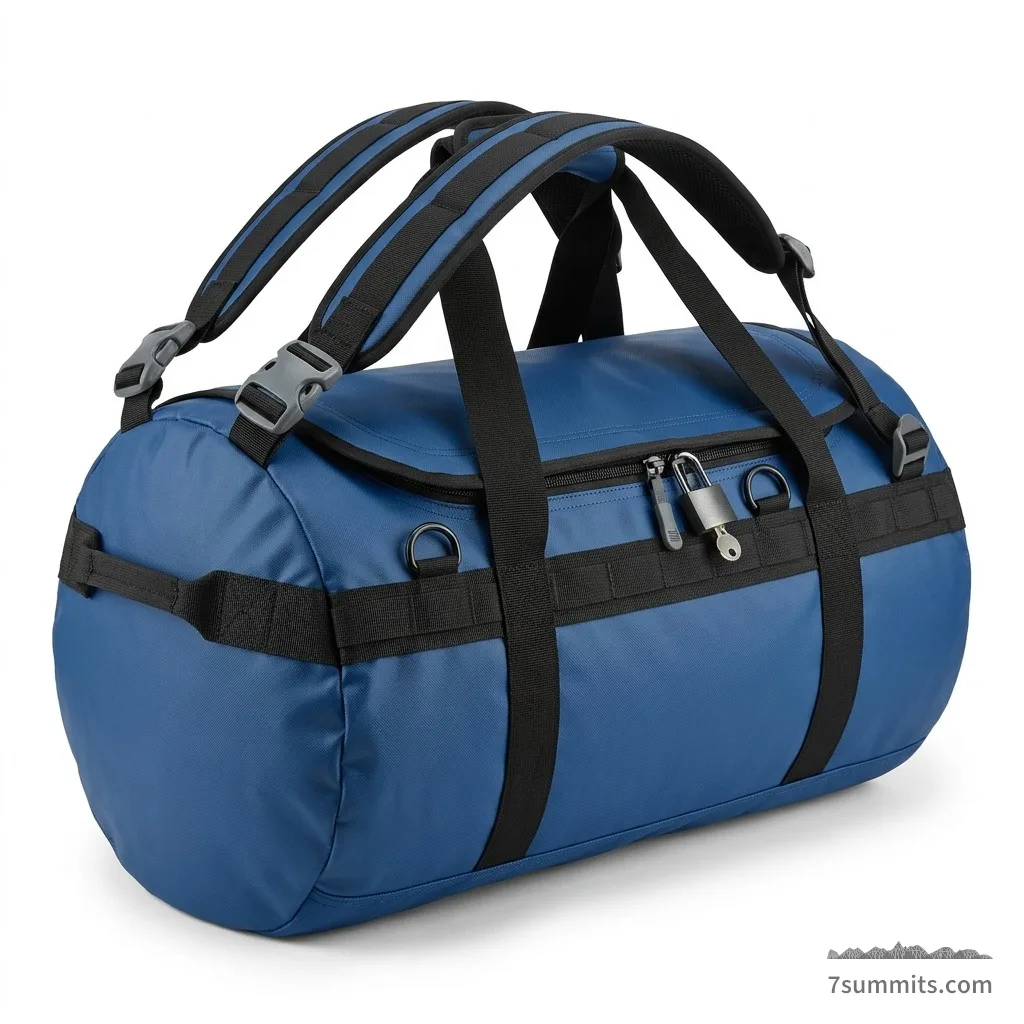 Expedition duffel (with cover and padlock) | On the glacier: a large expedition duffel (120 L or more) lashed into your sled · Talkeetna: a small bag with town clothes On the glacier: one large duffel lashed into the sled, you carry it Talkeetna: a small bag with town clothes, stays in base camp |
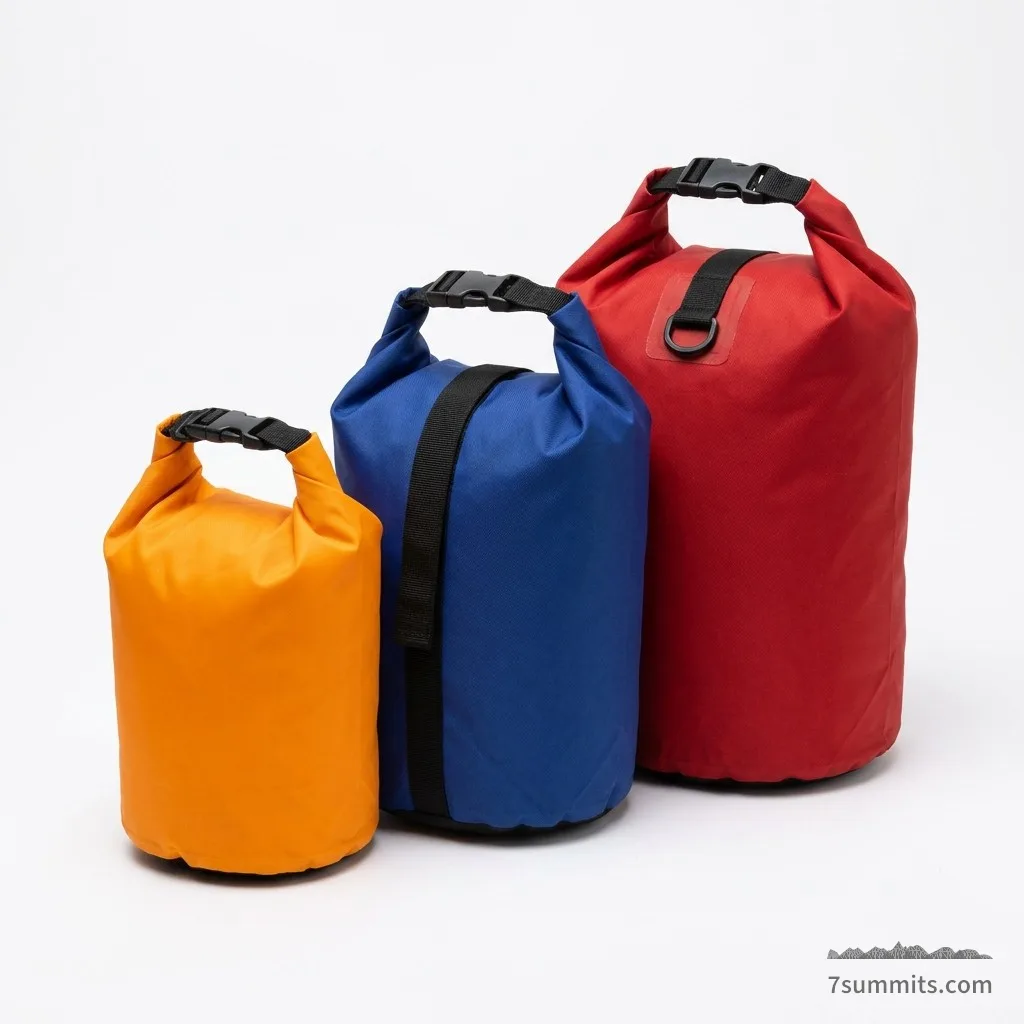 Dry bags, pack liner or rain cover | Dry bags (preferably lockable) for the caches, plus stuff sacks to organise the sled; heavy rubbish bags as liners |
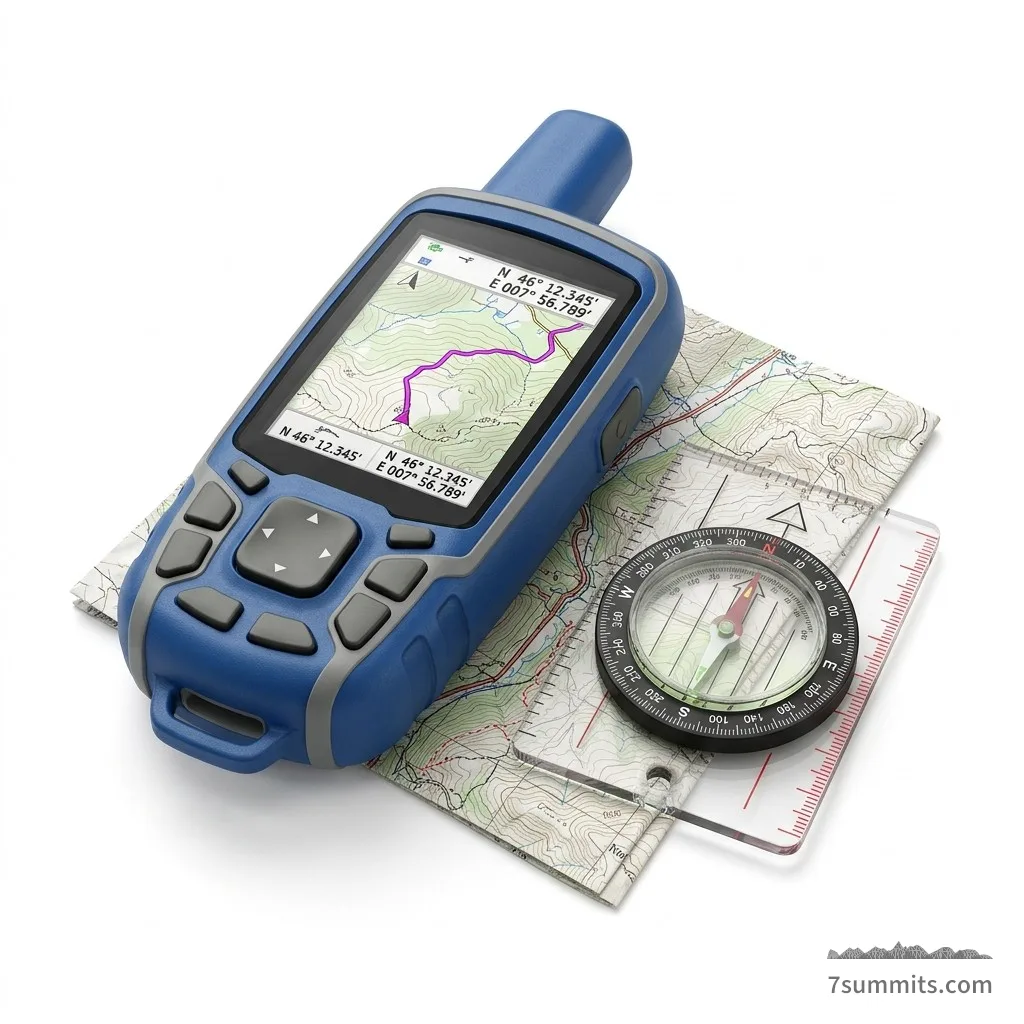 Map, compass, altimeter and GPS | An altimeter and a GPS you know how to use (a watch, a handheld, or a phone with offline maps): in a whiteout, a storm or when you are lost you must find the way yourself, and a waypoint finds a cache that snow has buried overnight, or that you simply forgot (the NPS wands and tag are required as well) |
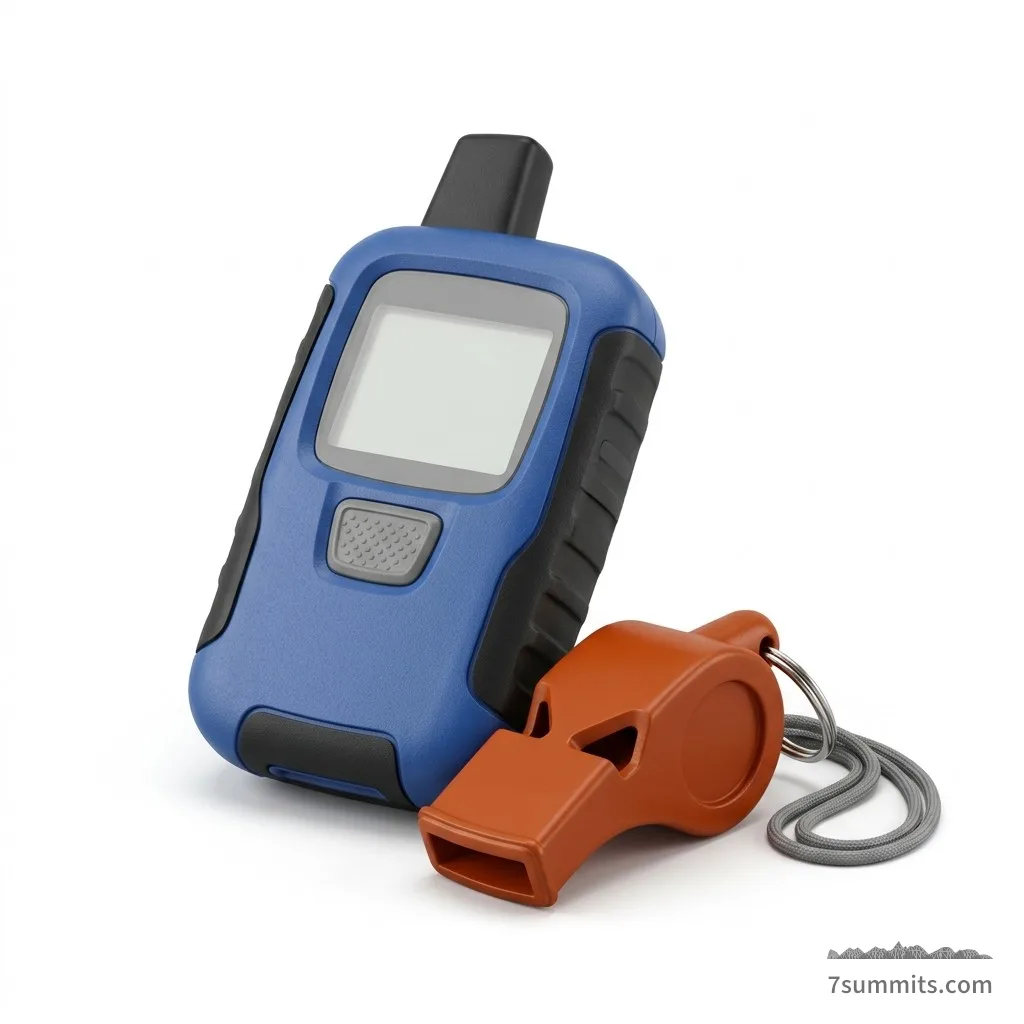 Phone, PLB or satellite messenger, signal mirror | Your own way to call for help: a satellite messenger (inReach) or a PLB; an FRS radio reaches the rangers on channel 1 at 7,200 and 14,200 ft. Do not count on the guides' radio being where you are |
| Passport, visa, tickets, certificates and money | Passport, a US visa or ESTA, the insurance certificate, cash and cards |
| Travel and rescue insurance | Cover for climbing to 6,190 m, rescue and evacuation; check the policy names the altitude |
| Camp | |
|---|---|
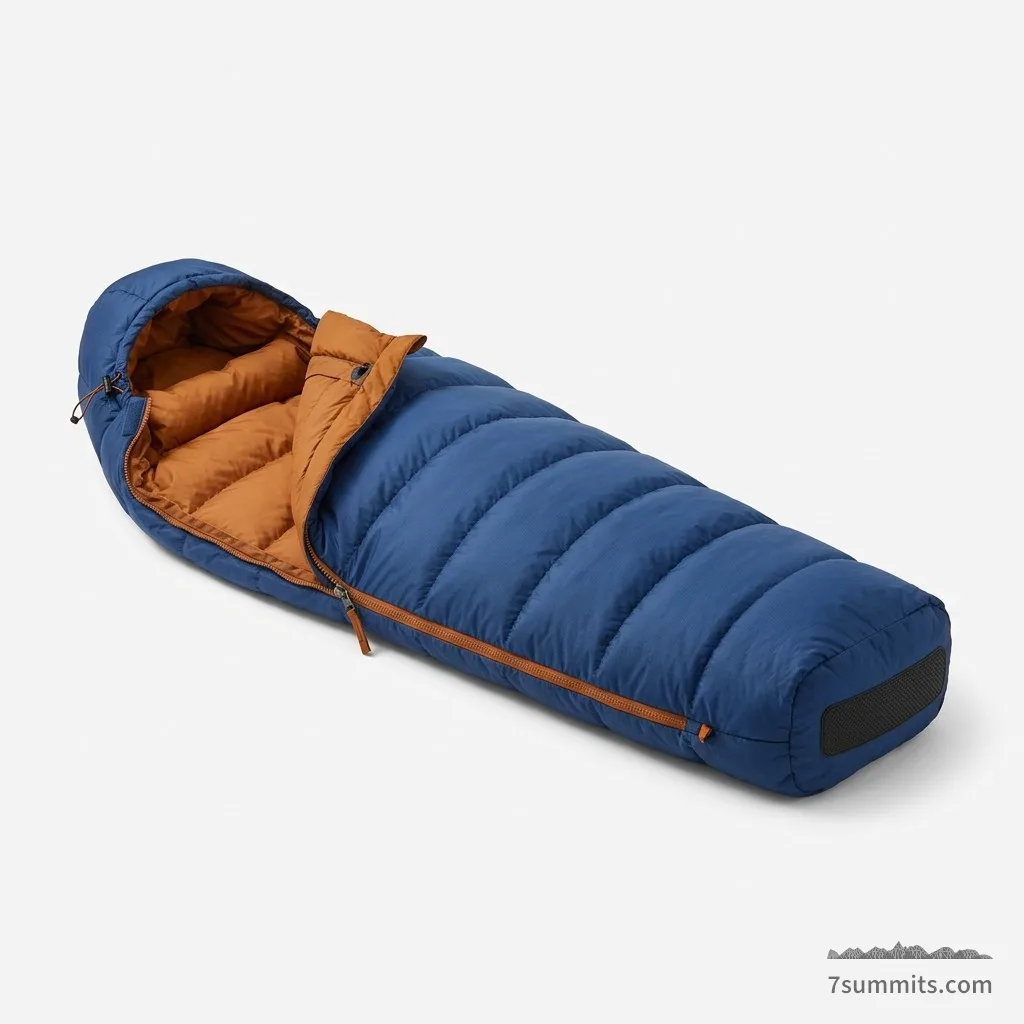 Sleeping bag | One bag for the whole climb: −30 to −20 °C comfort · −30 °C and colder for a May start or if you sleep cold, you carry it |
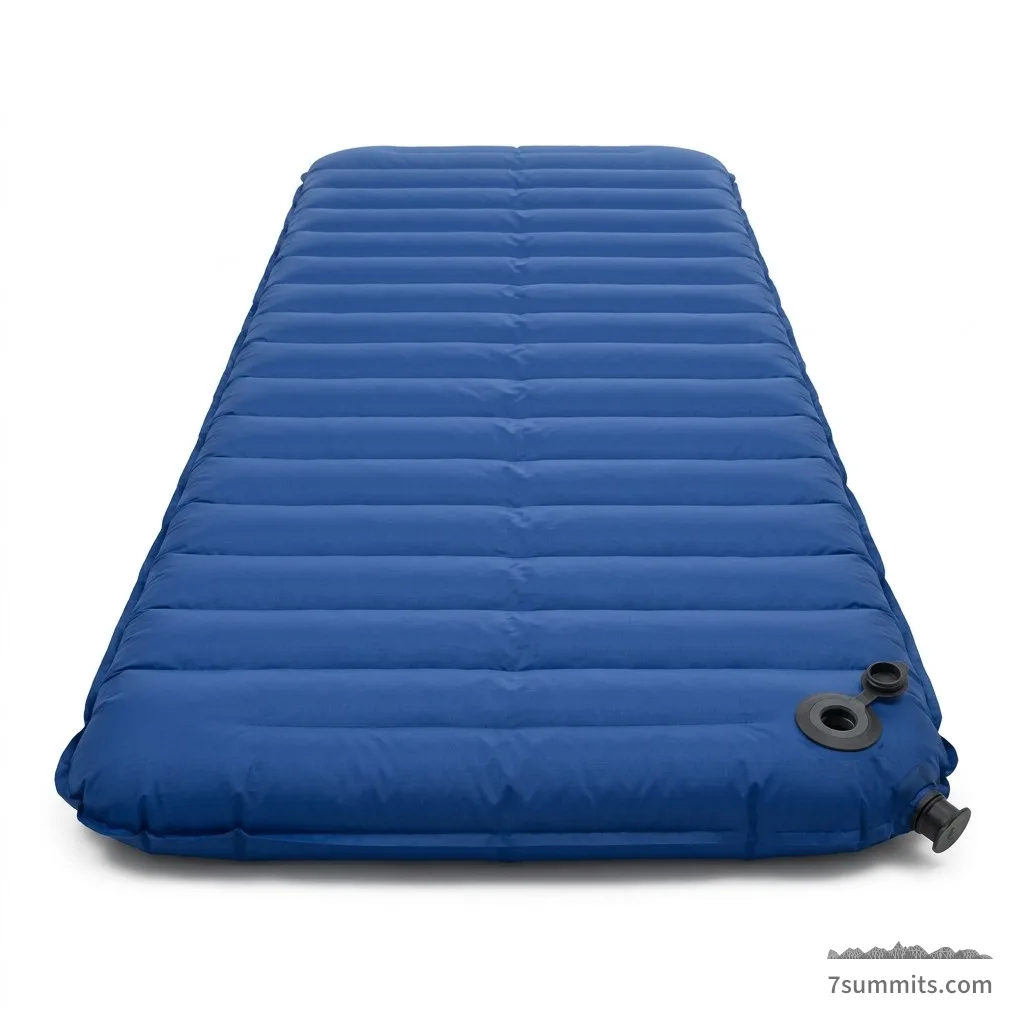 Insulated sleeping pad | Full-length inflatable with a high R-value, on top of the foam mat, you carry it |
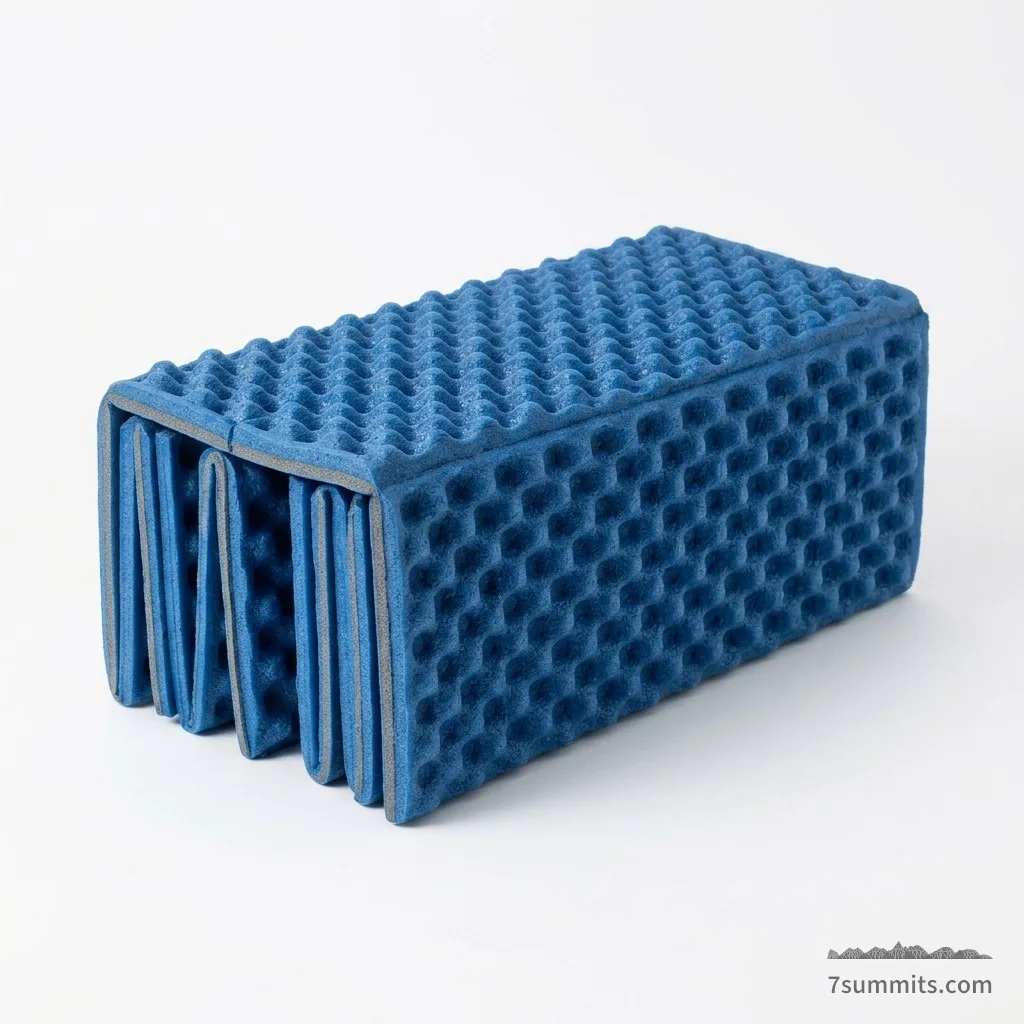 Closed-cell foam mat (second mat) | Full-length closed-cell foam under the inflatable every night: you sleep on snow for three weeks, you carry it |
| Tent (with snow stakes where the ground is snow) | Your operator's (24 say so); the team hauls them on the sleds |
| Water bottles or bladder (total capacity, with insulating covers) | Two 1 L wide-mouth bottles with insulated covers; no bladder: the hose freezes |
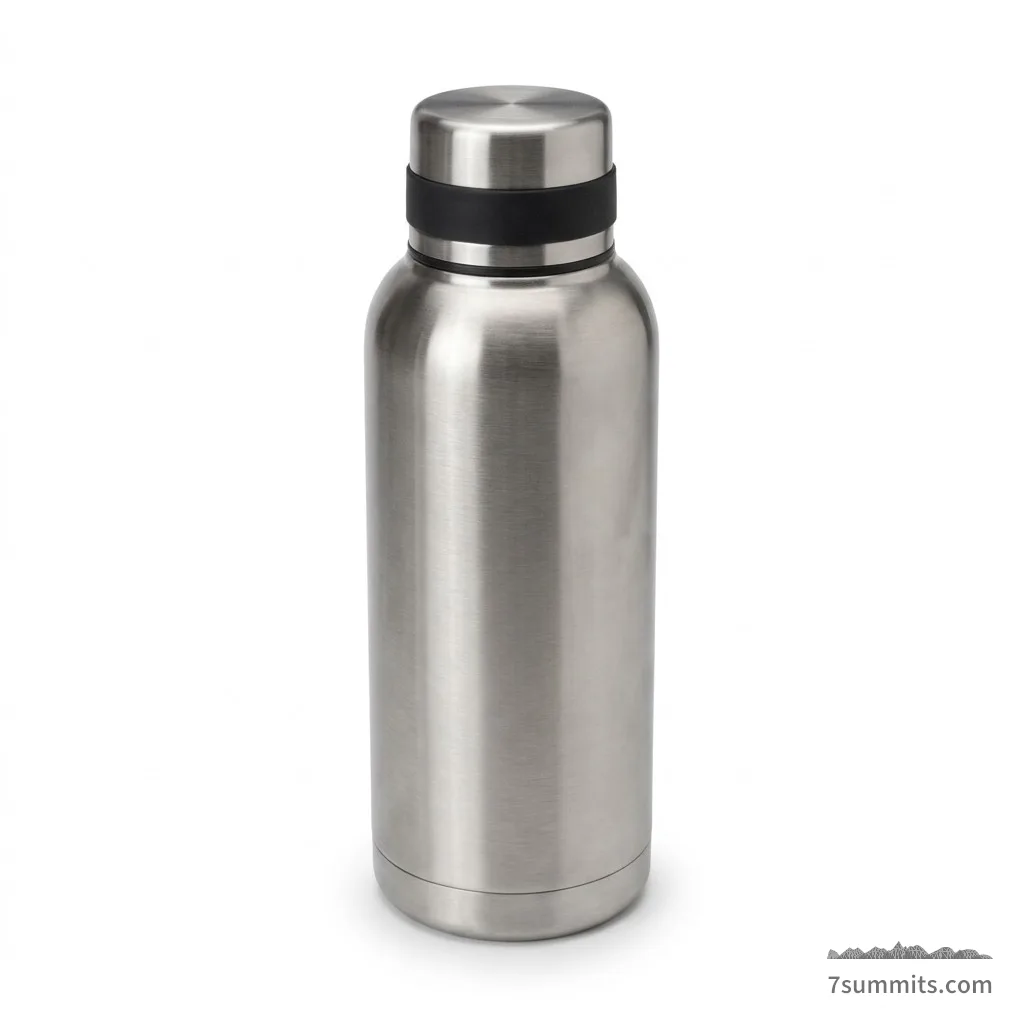 Insulated flask | 1 L vacuum flask for summit day |
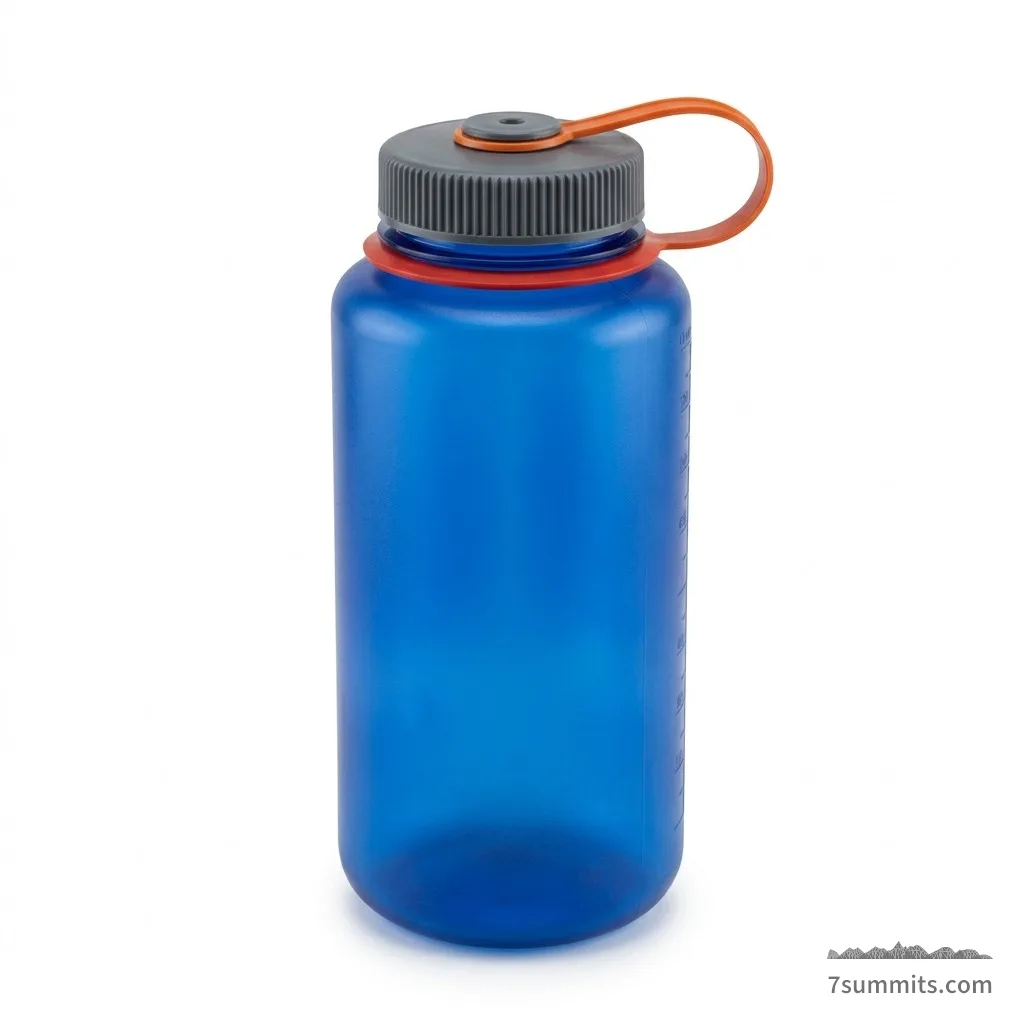 Pee bottle | 1 L or more, wide-mouth, clearly marked; a funnel for women |
| Stove fuel | Your operator's ⚖Fuel cans and cartridges must be carried off the mountain unless another party takes them over; be ready to show them back at base camp or name who has them. Everything brought into the park must be brought out. |
| Pots, cup, bowl and spoon | Your own insulated mug, bowl and spoon |
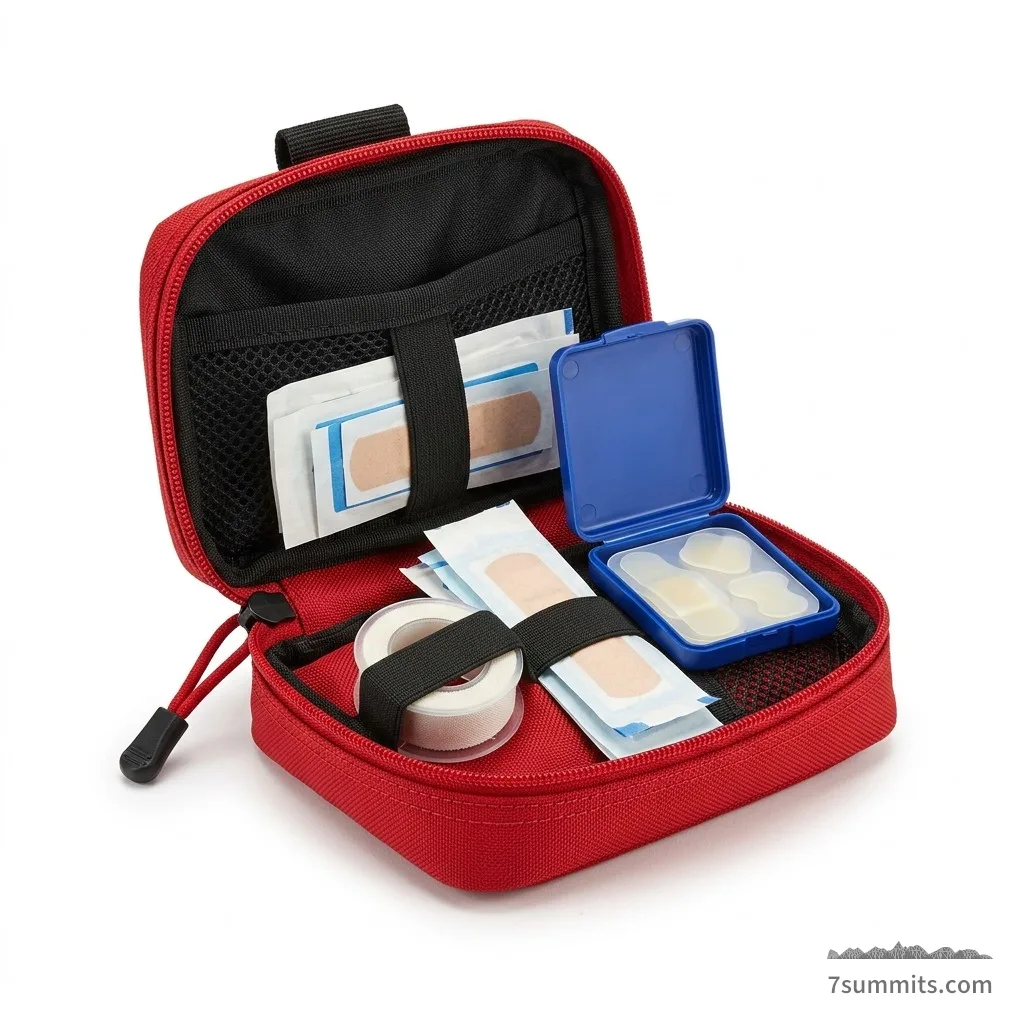 First-aid kit (with blister and dental repair) | A personal kit you can treat yourself with: blister care, painkillers, your altitude medication, whatever the guides also carry |
| Personal medication | Consult your doctor. |
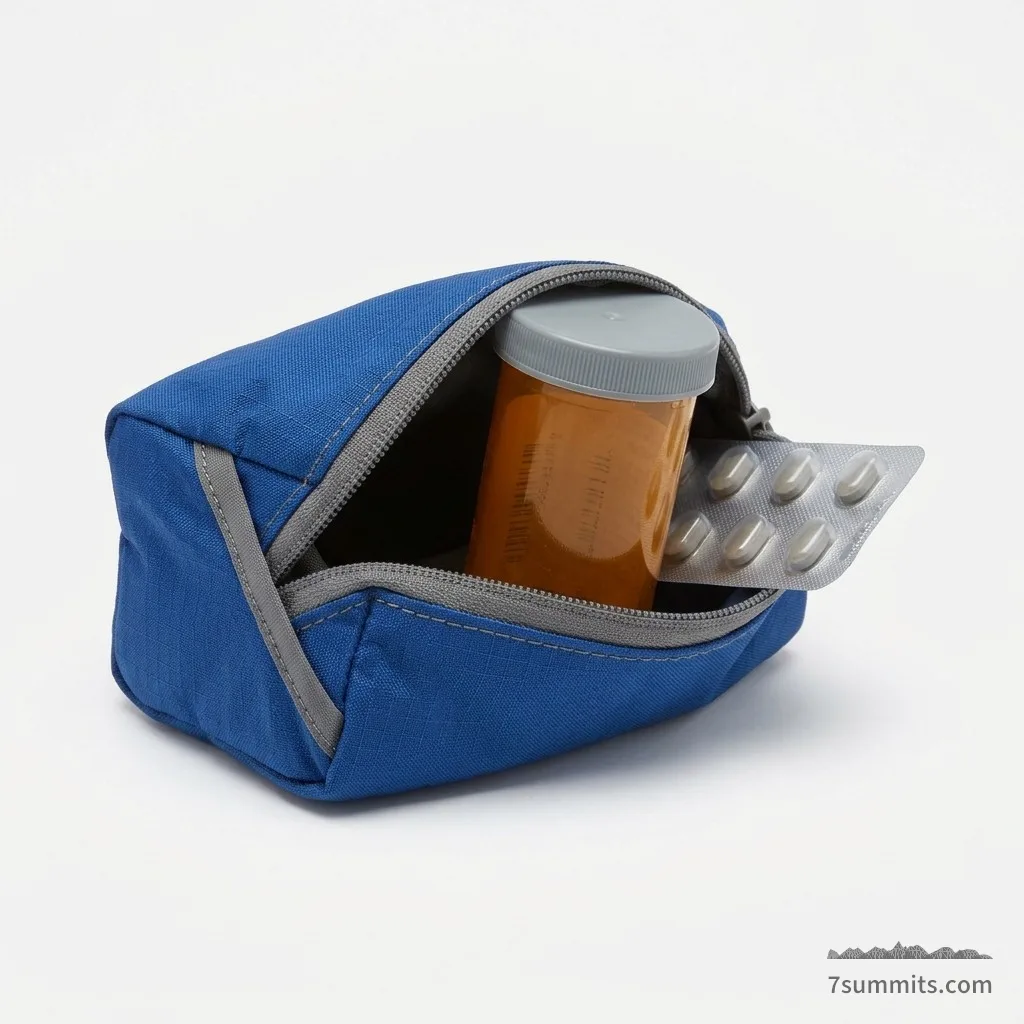 Altitude and travel medication (consult your doctor) | Consult your doctor. |
| Sunscreen and lip balm | SPF 50 sunscreen and lip balm with SPF; the snow reflects it back at you |
| Wash kit, wipes, toilet paper and rubbish bags | Wet wipes, hand sanitiser, toilet paper, a small towel, moisturiser; human waste goes in the team's Clean Mountain Can ⚖On the West Buttress solid human waste goes in a Clean Mountain Can: below Camp 4 (14,200 ft) it is carried off the mountain, at 14,200 ft and above it is carried off or put in the one crevasse the rangers mark at 14,200 ft; each party must reach Camp 4 with at least one CMC. The NPS issues the CMC and the compostable bags free at check-in; a lost CMC costs US$150. "No Can, No Climb." |
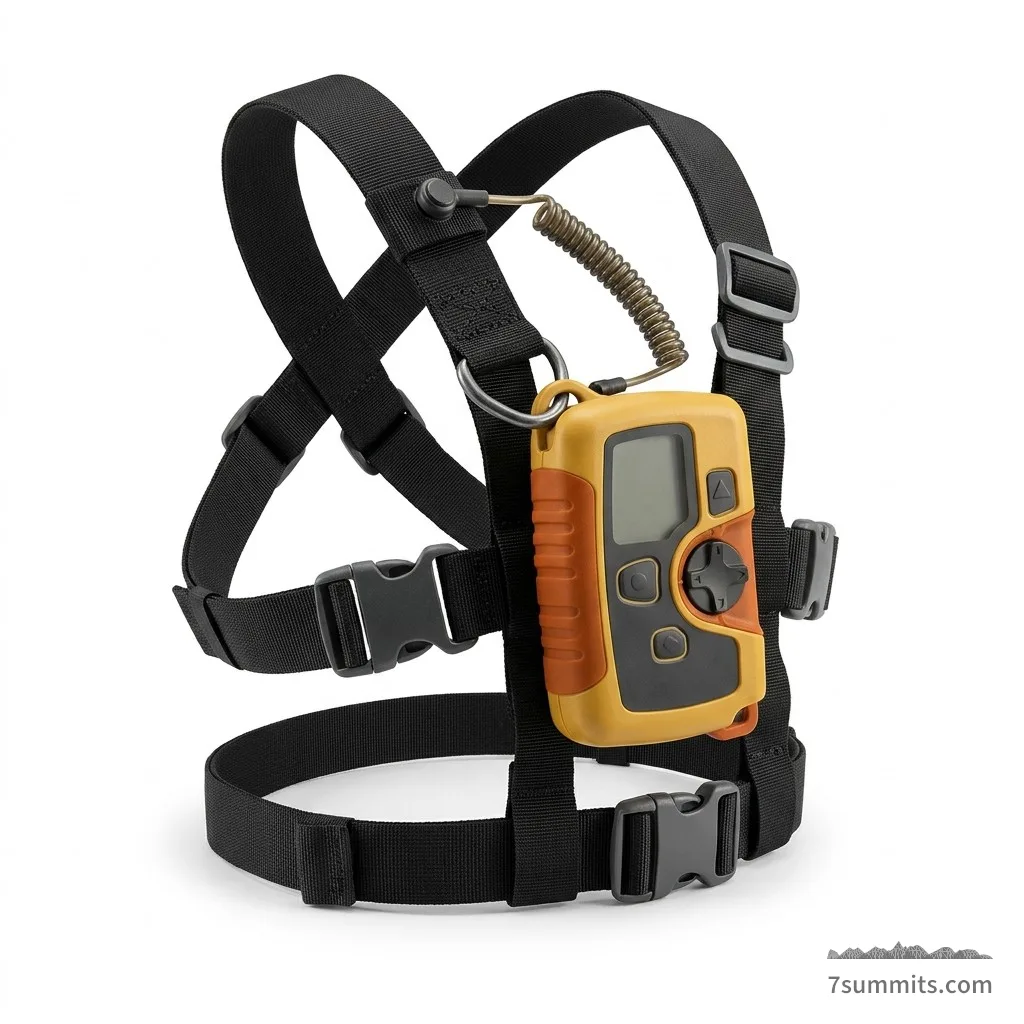 Avalanche transceiver | A modern three-antenna transceiver with fresh batteries; some operators rent or supply one |
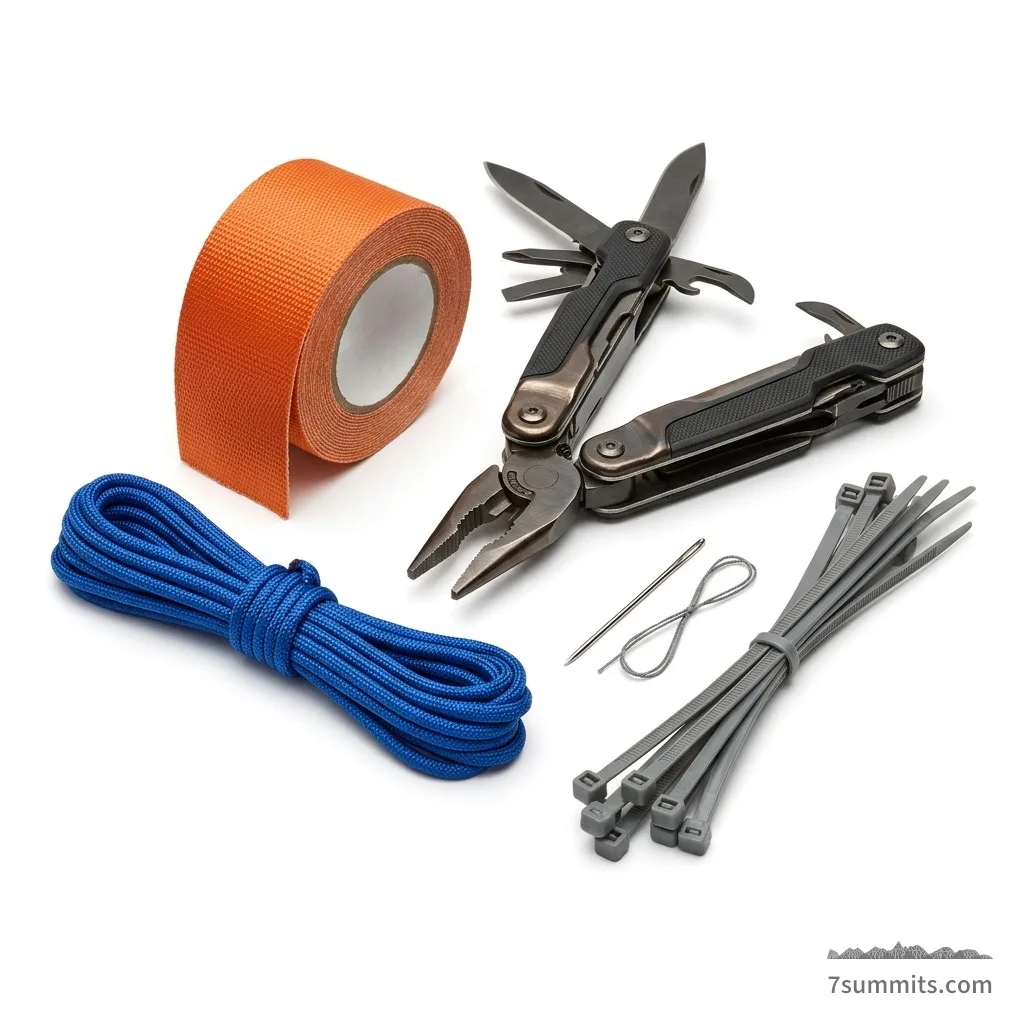 Repair kit and spares | Tape, a needle, a knife, a mat patch kit, spare crampon parts |
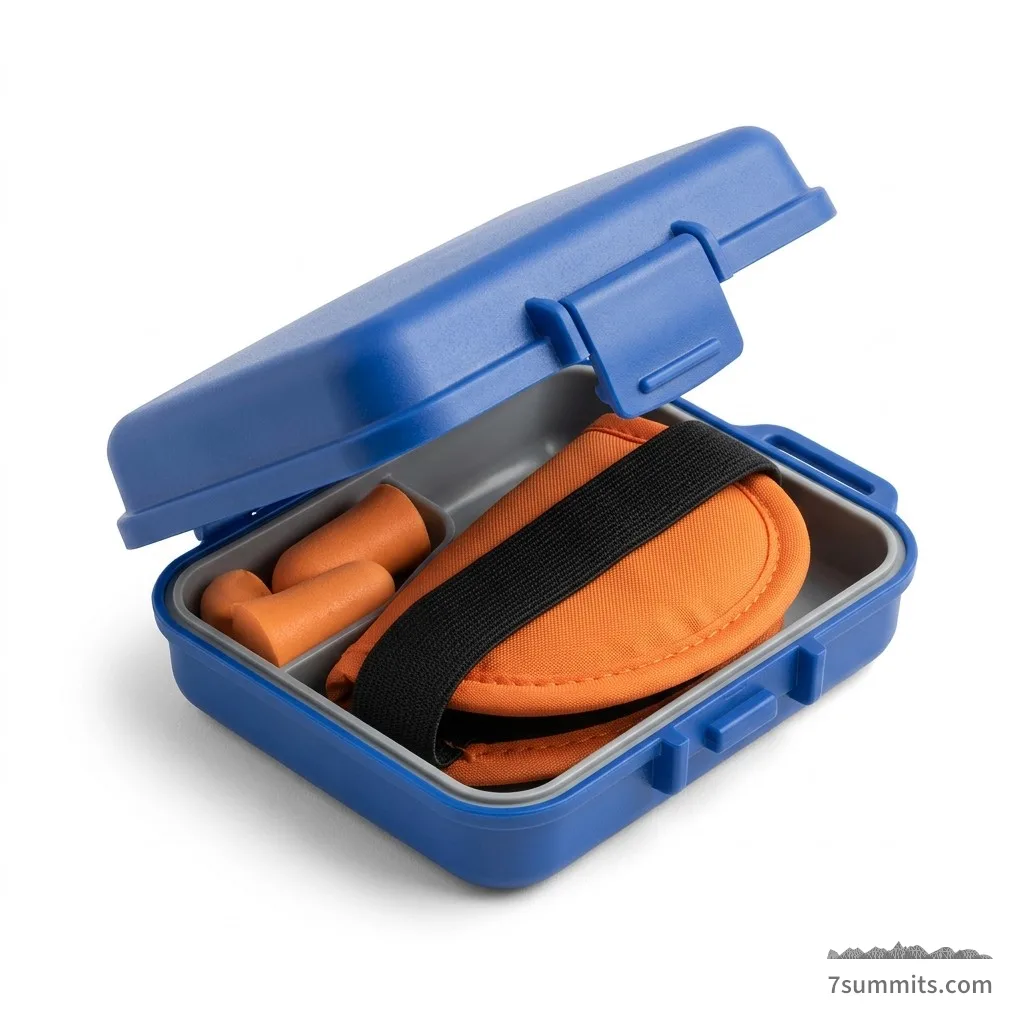 Earplugs and eye mask | An eye mask for the 24-hour daylight, earplugs for wind and snoring |
Optional
| Clothing | |
|---|---|
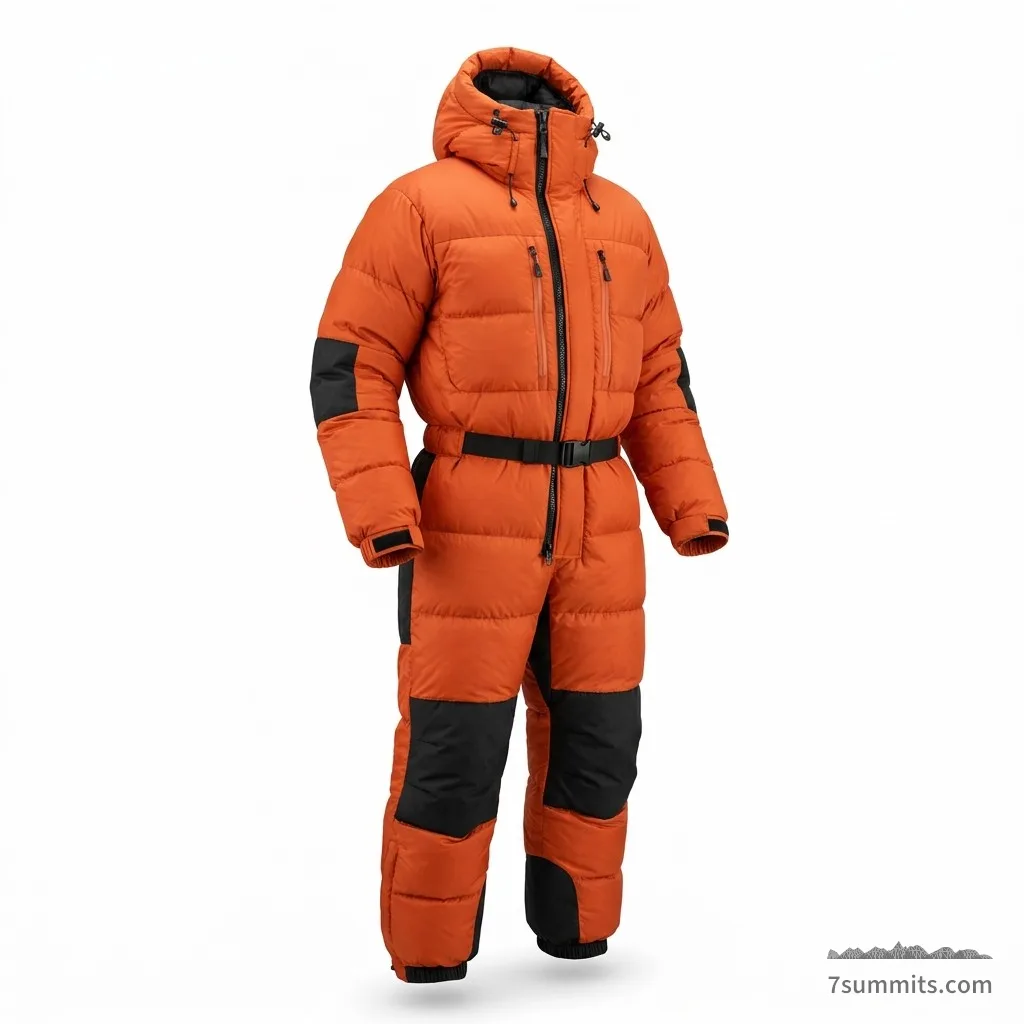 Down suit | Only if you run very cold; almost everyone climbs in a parka and insulated trousers |
| Trekking trousers | Light trousers for travel and the days in Talkeetna |
| Head, hands & feet | |
|---|---|
| Trekking boots or trail shoes | Light shoes for travel and town days; they stay in Talkeetna: there is no walk in, you fly onto the glacier |
| Insulated overboots | Over a double boot on the upper mountain and summit day; not needed with an 8000 m boot, which has the gaiter built in |
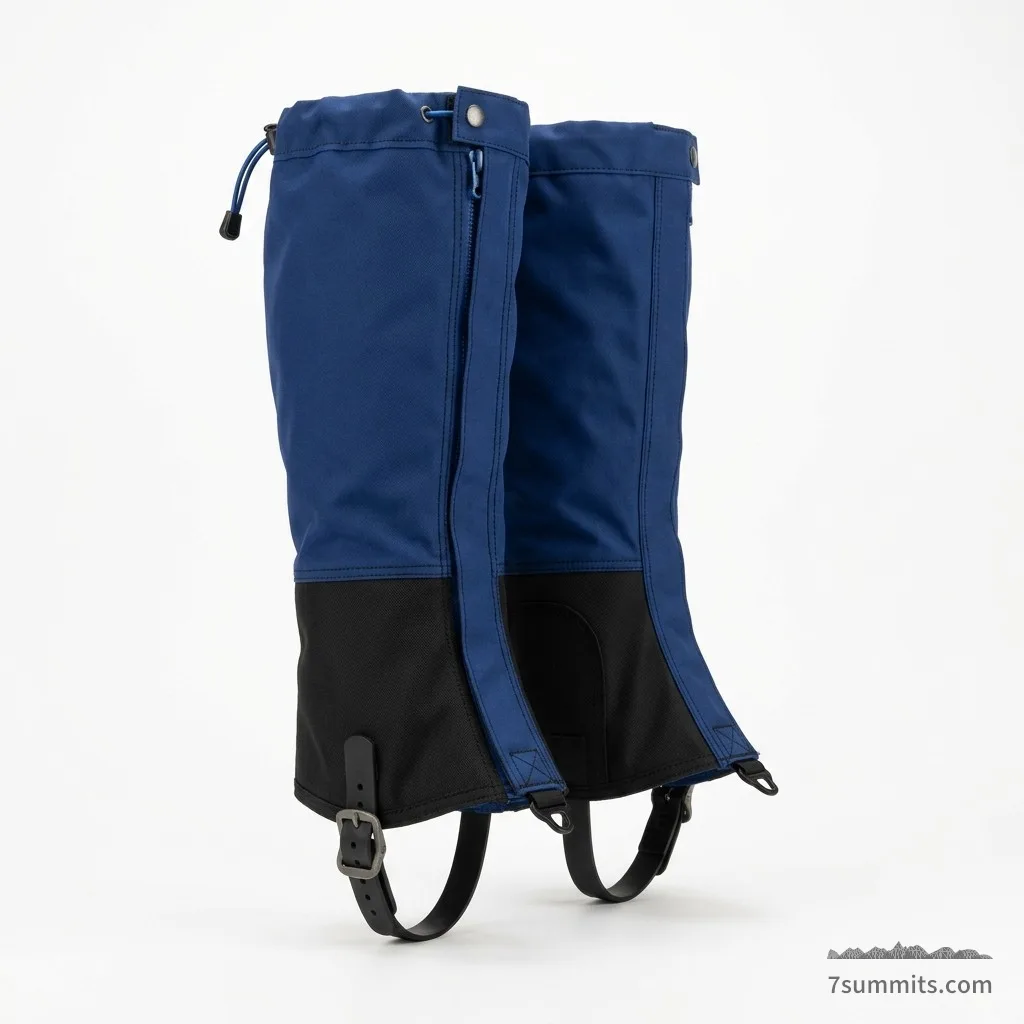 Gaiters | Only if your boots have no built-in gaiter and you wear no overboots |
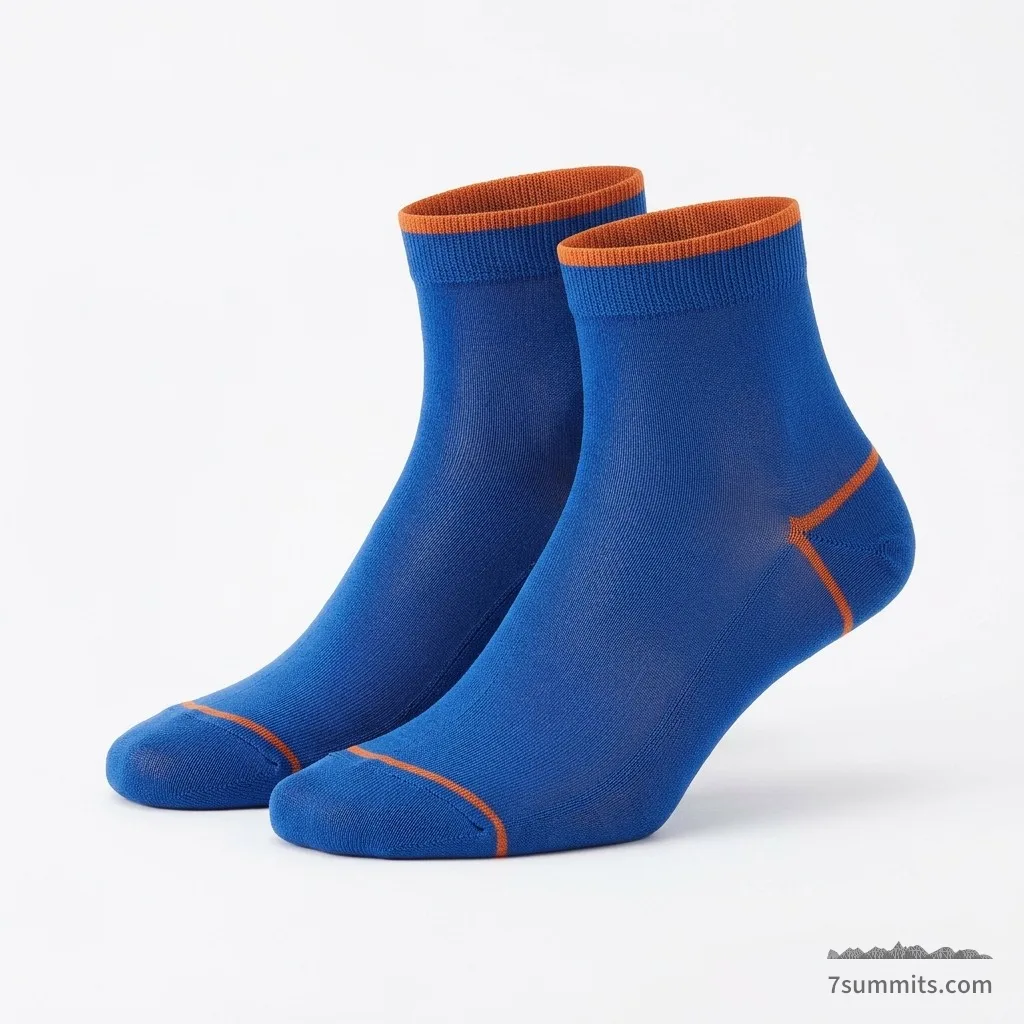 Liner socks (or vapour-barrier socks) | Thin liners under the warm socks, or vapour-barrier socks if your feet run cold |
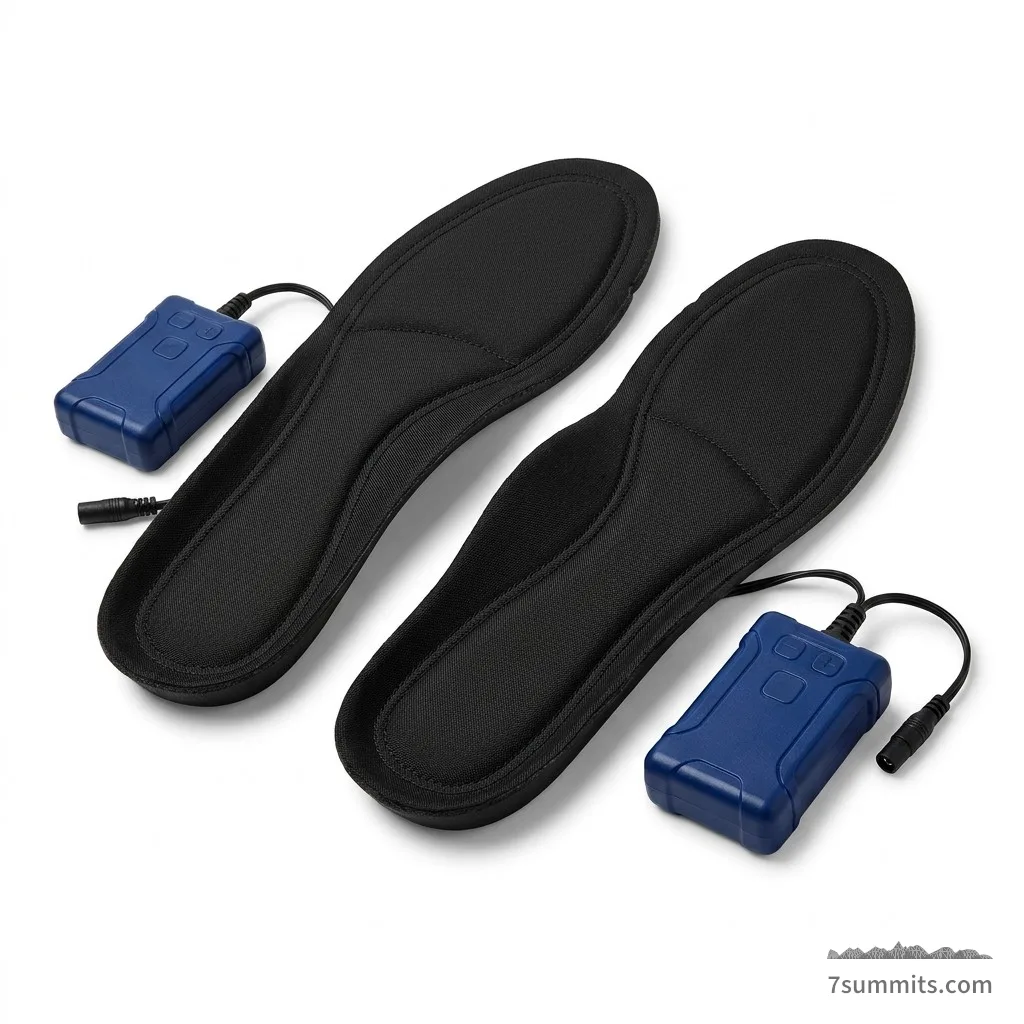 Heated socks, gloves or insoles (battery) | If your feet or hands run cold; carry the batteries warm |
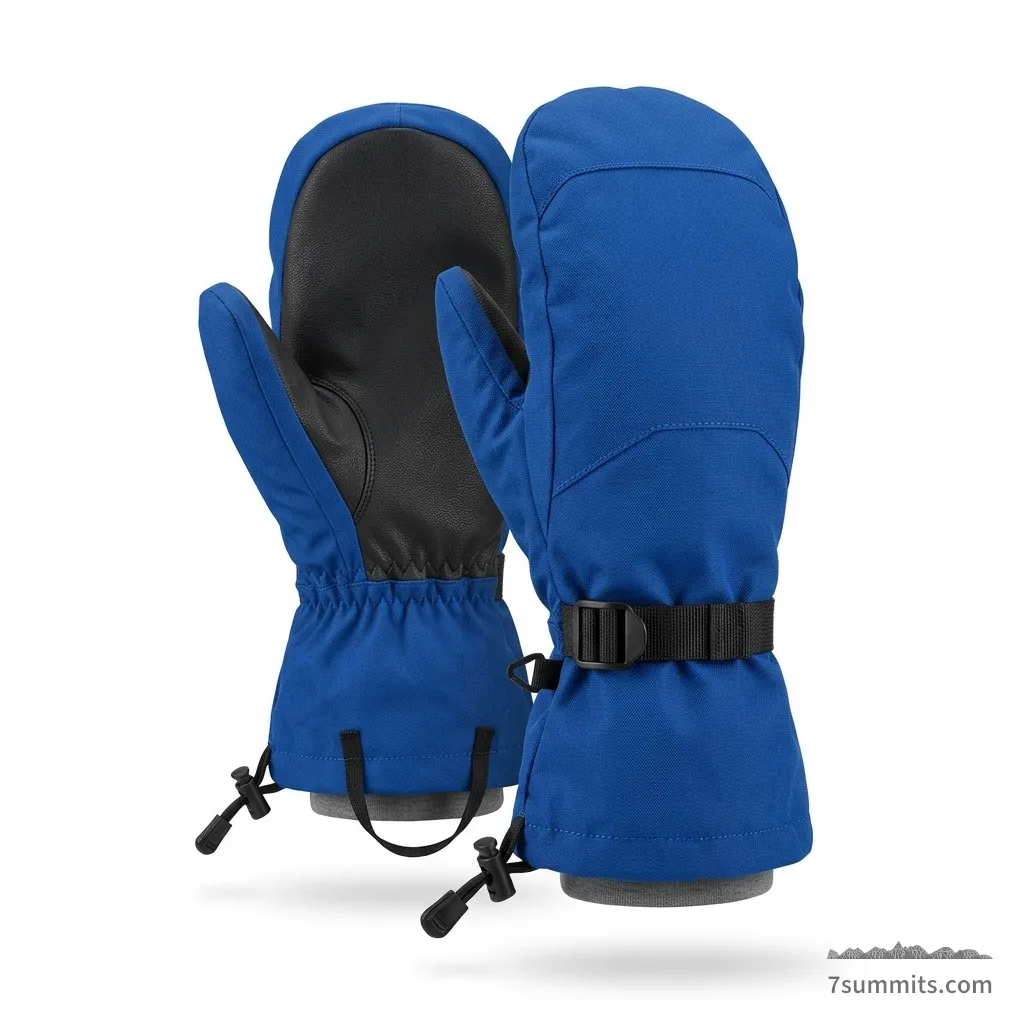 Shell over-mitts | Shell mitts over the warm gloves; the expedition mitts already have a shell |
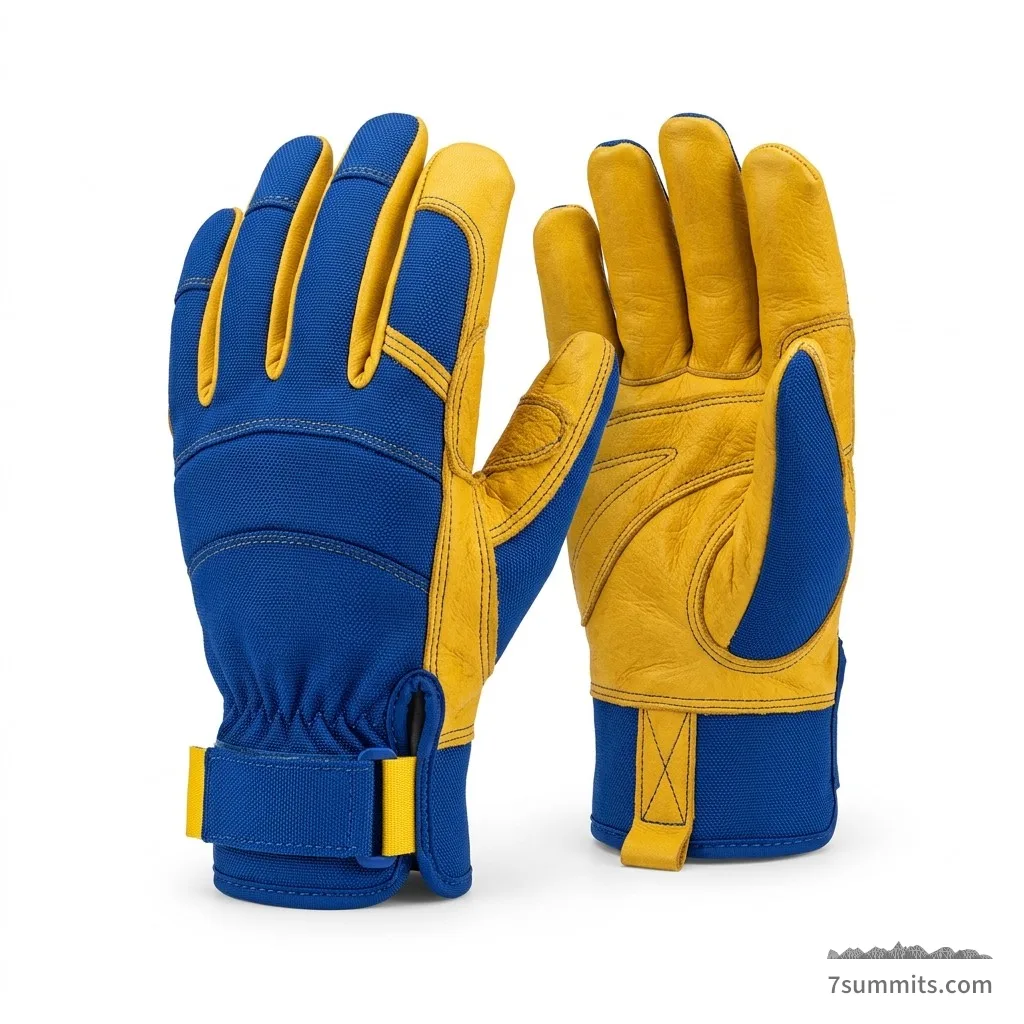 Leather-palmed work gloves (rock and fixed lines) | Durable insulated leather gloves for sled and camp work save the good gloves |
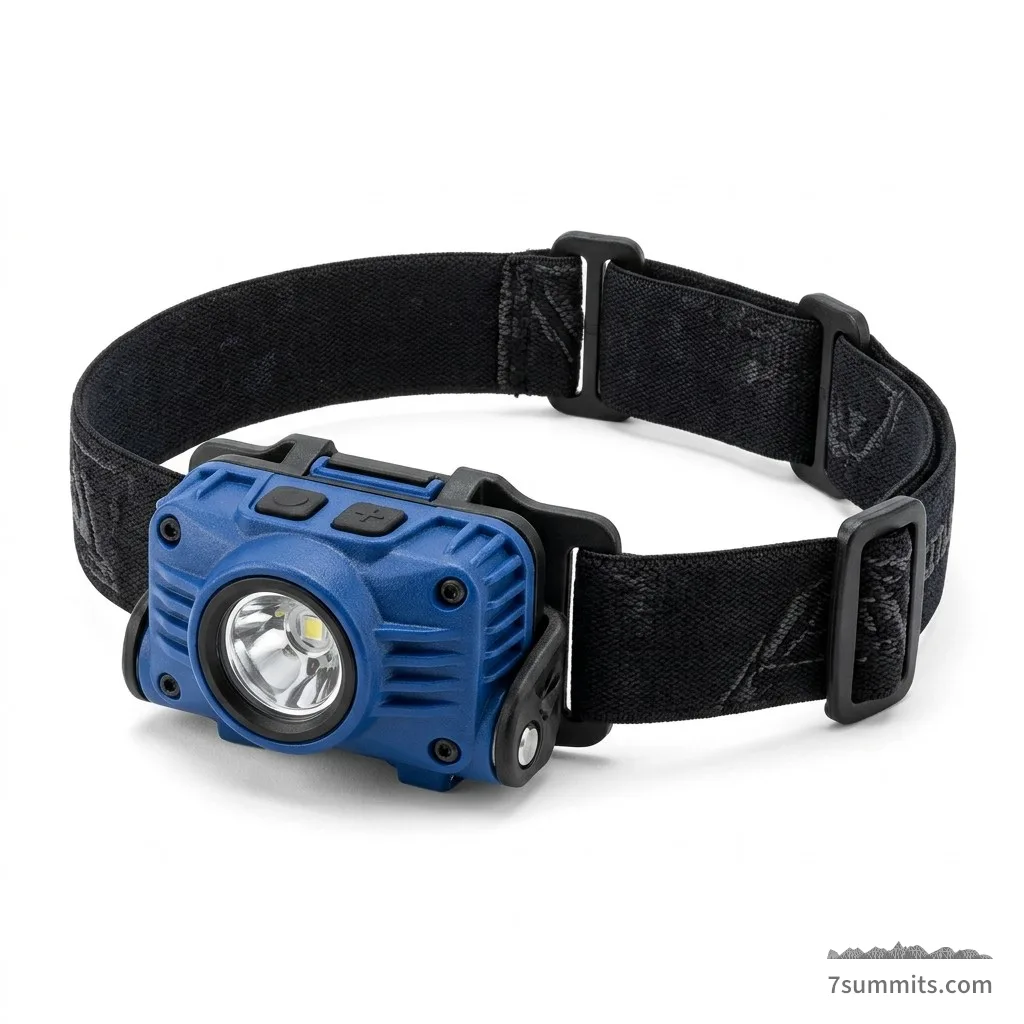 Headlamp (with spare batteries) | Recommended: a light headlamp for camp and inside the tent or igloo, and for the dark hours of an early-season climb |
| Gear | |
|---|---|
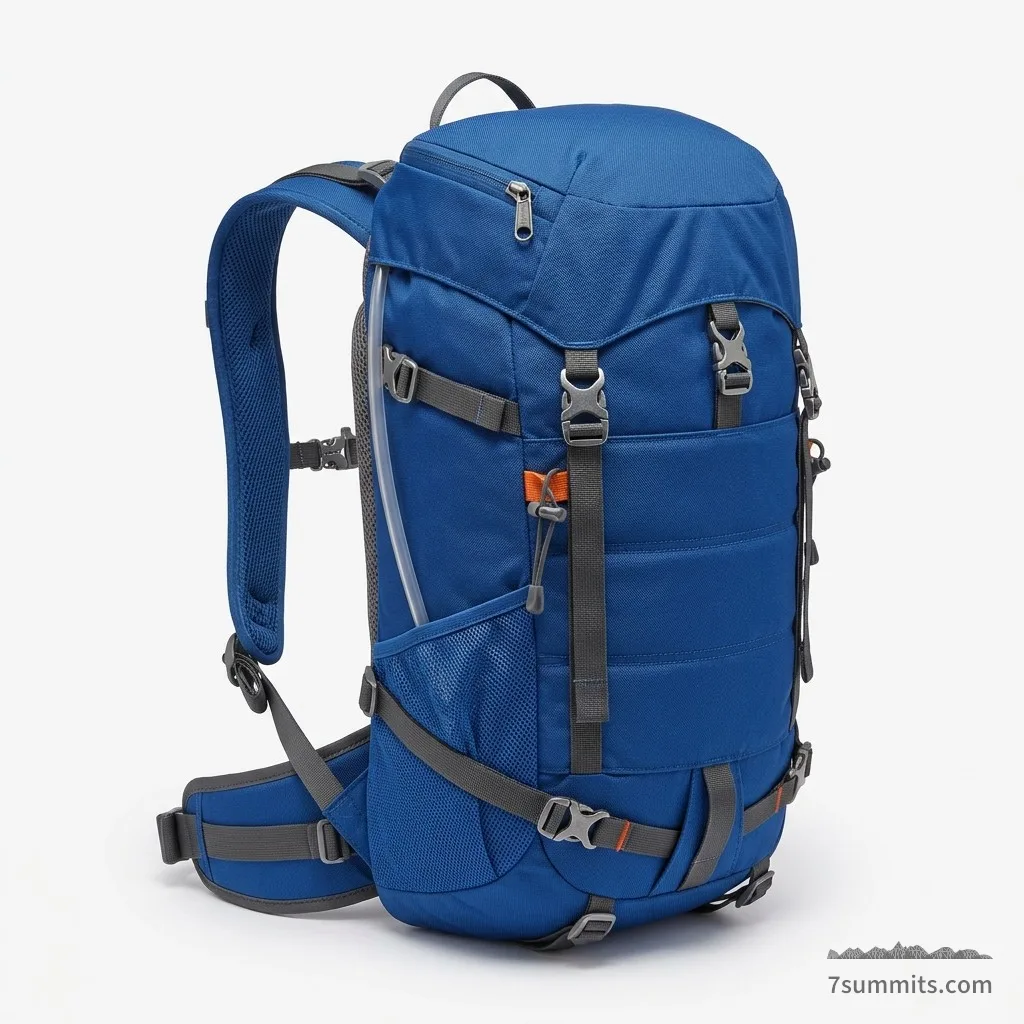 Daypack or summit pack | Not used on the mountain: summit day uses the big pack; a small bag for flights |
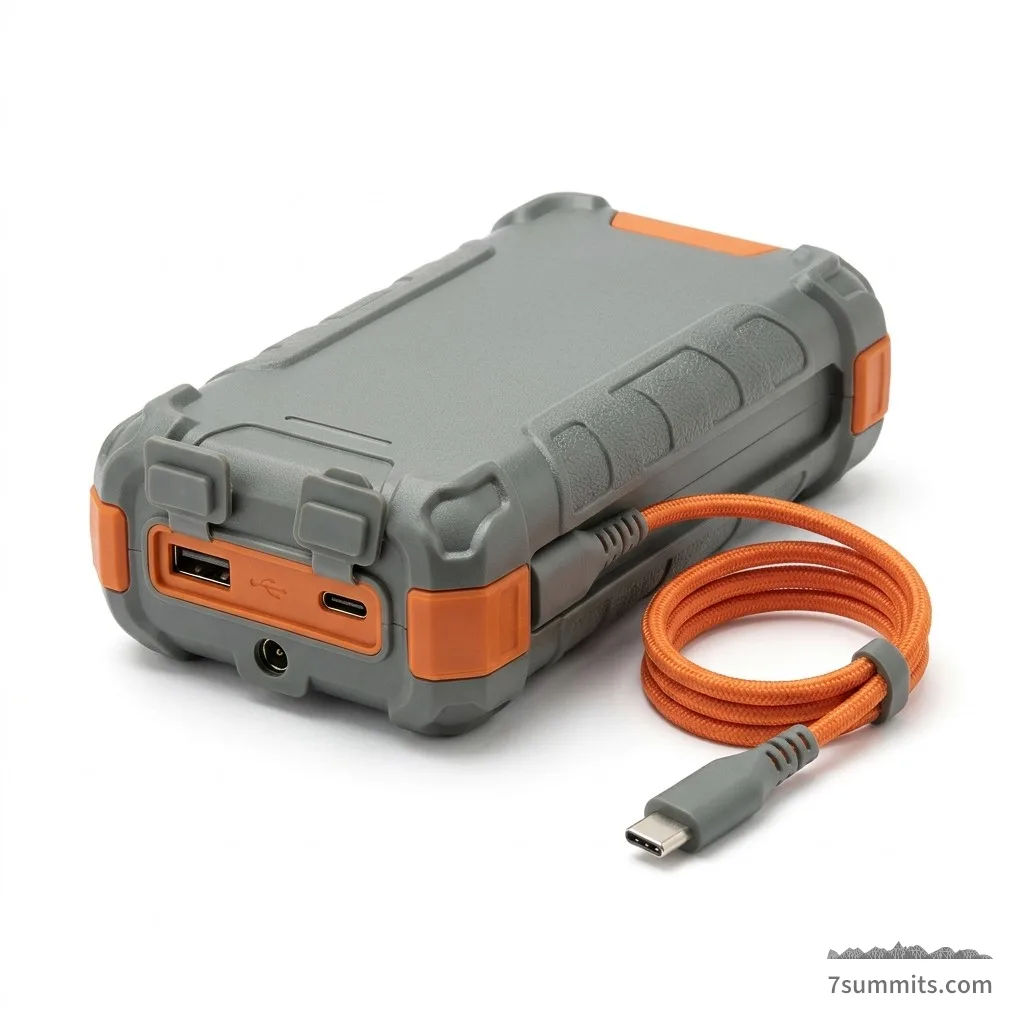 Power bank (or solar panel) | A power bank or small solar panel; there is no charging on the mountain |
| Two-way radios | Your operator's; an independent team brings its own: FRS channel 1 is monitored by the rangers at 7,200 and 14,200 ft |
| Camp | |
|---|---|
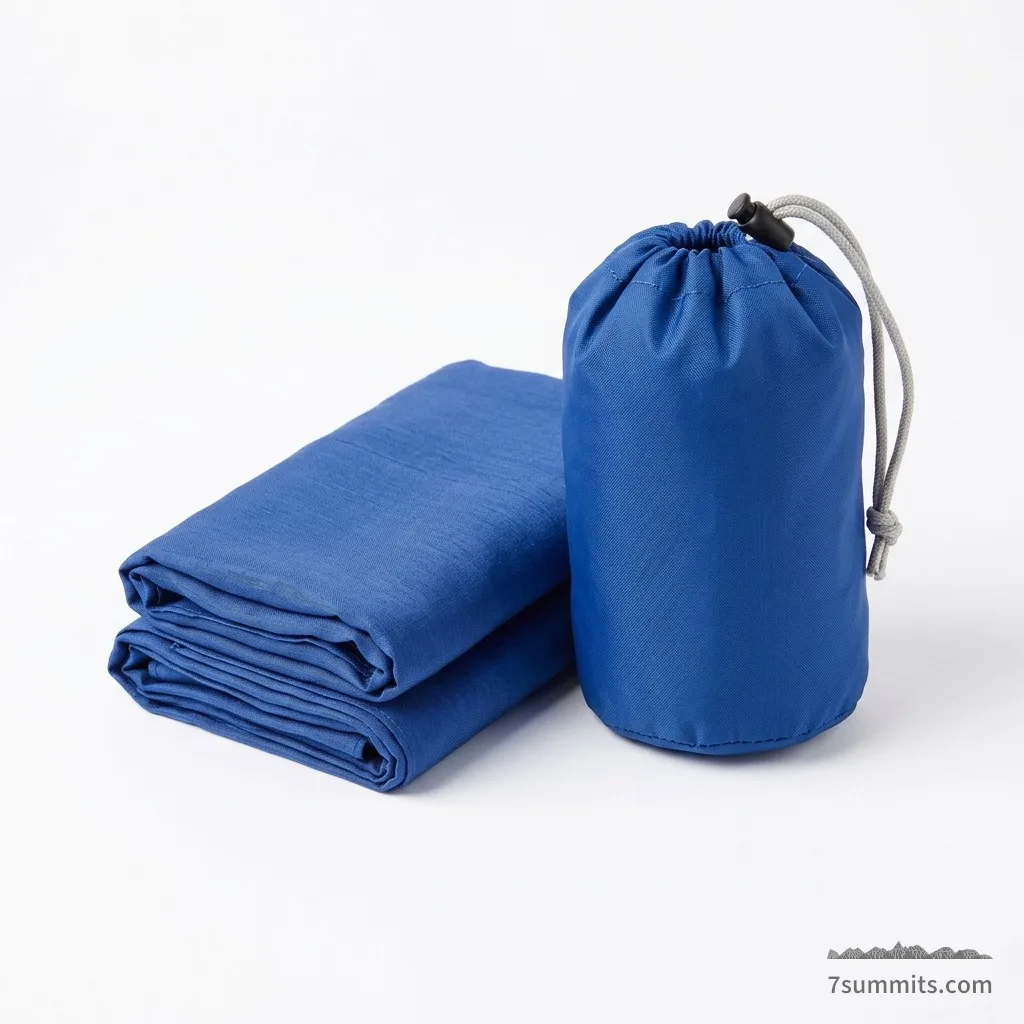 Sleeping-bag liner (thermal or vapour-barrier) | Silk or fleece: keeps the bag clean and adds a little warmth |
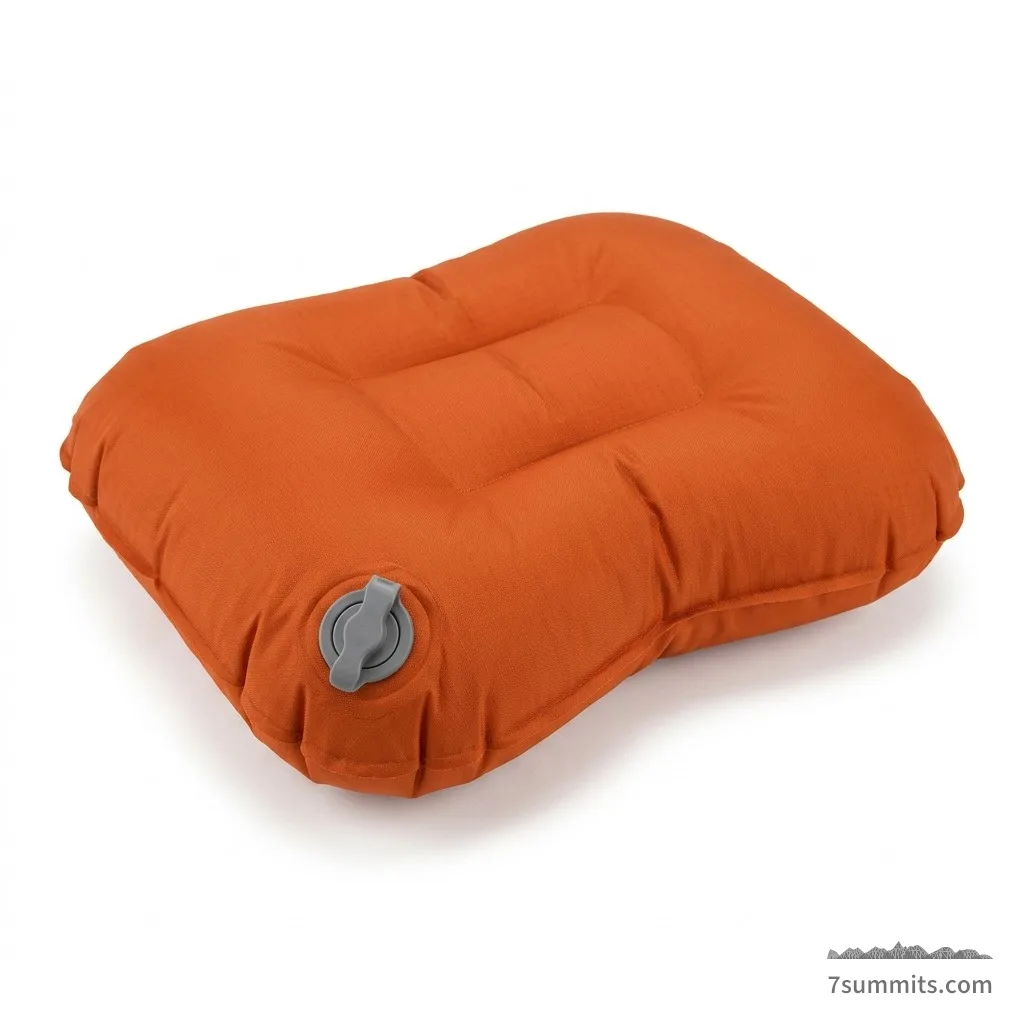 Pillow | Inflatable, or a pillowcase you stuff with the down jacket |
| Insect repellent | For Anchorage and Talkeetna only |
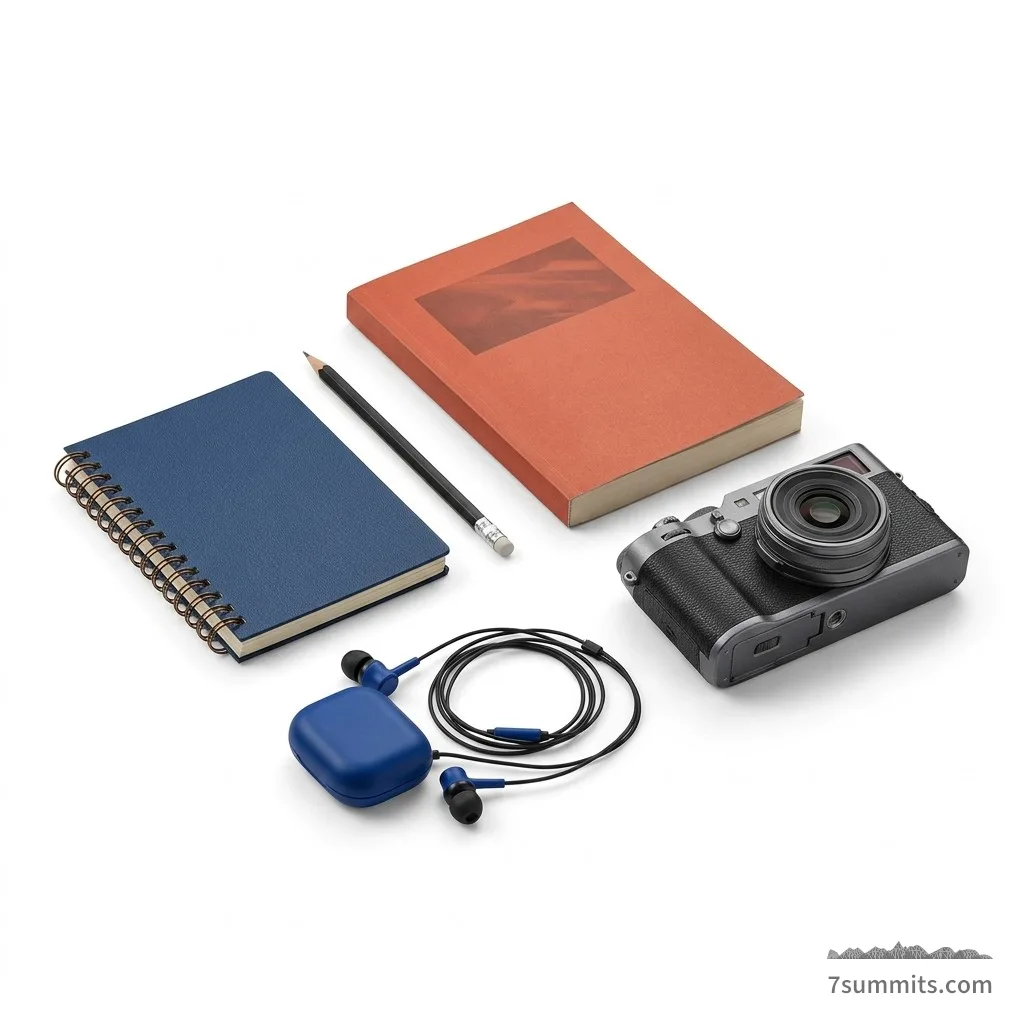 Camera, book, cards, notebook | Camera, a book, cards; storm days in the tent are long |
Team equipment
On a guided climb your operator brings these; an independent team brings its own.
| Gear | |
|---|---|
| Snow and ice protection | The team's pickets and ice screws |
| Route wands | The team's, to mark the route and the caches ⚖Every cache is buried under at least 1 m of snow and marked with 5 to 6 ft (1.5 to 2 m) wands carrying the NPS cache tag issued at the orientation (expedition name, permit number, return date); an untagged cache is removed. Abandoning wands is not allowed: flag yours so you can take them down. The NPS advises 40 to 50 wands for a West Buttress team. |
| Camp | |
|---|---|
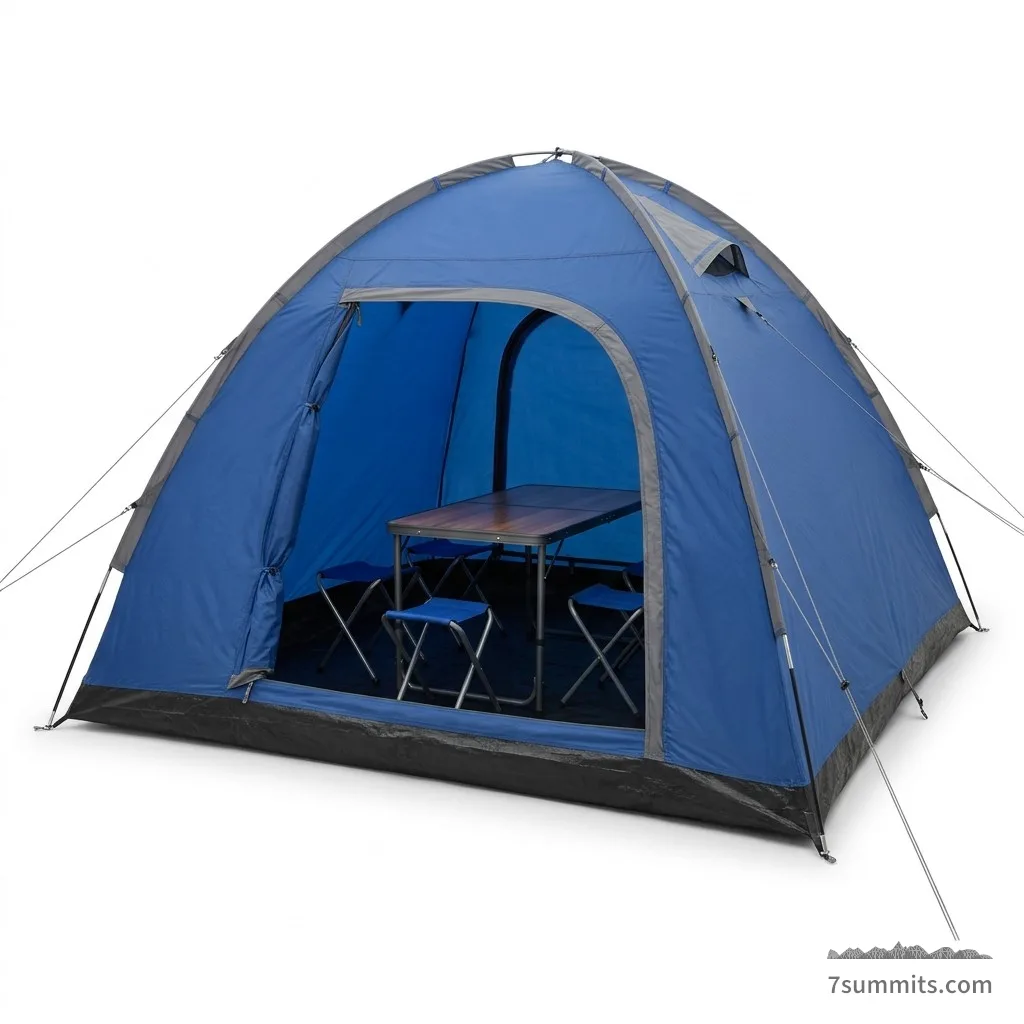 Kitchen or mess tent | Your operator's, where it has one (4 say so) |
| Snow shovel and snow saw | Group shovels and snow saws are the team's; everyone digs |
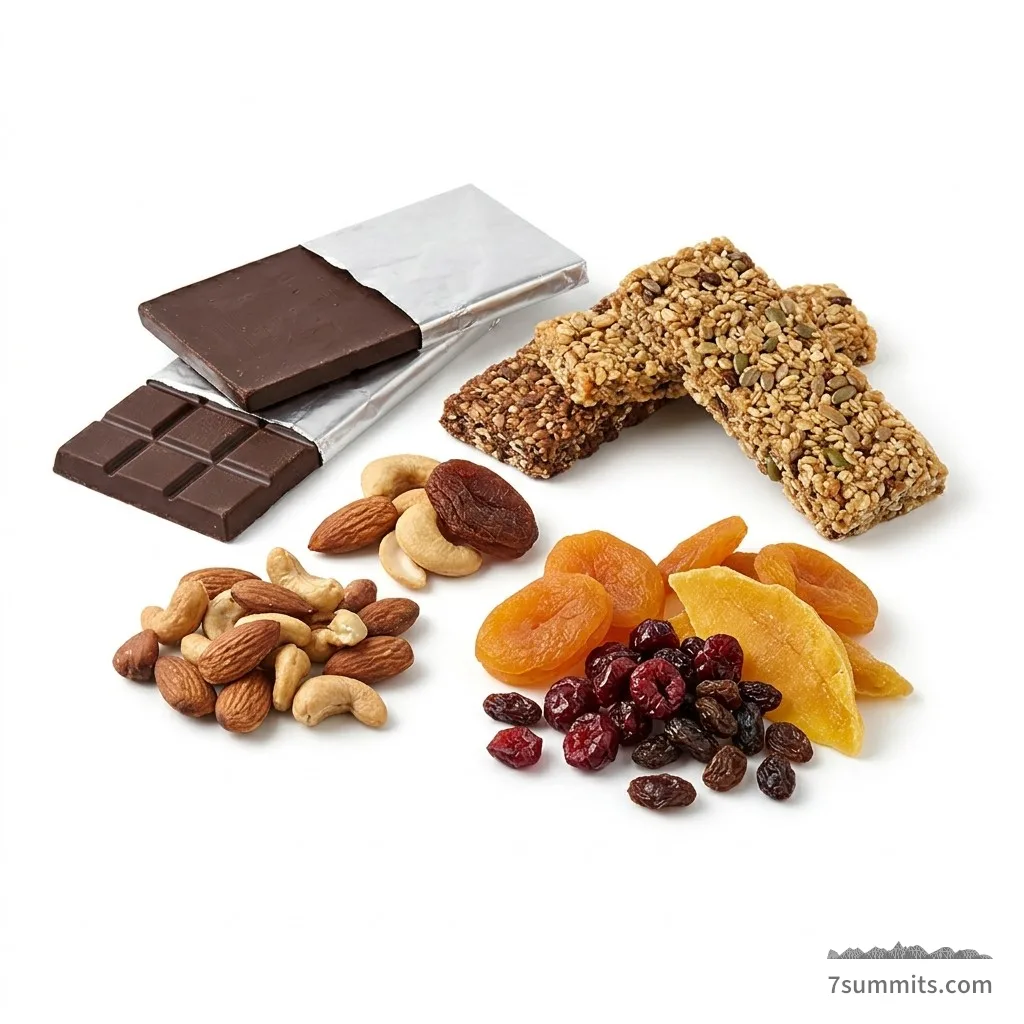 Food and snacks | Meals are the operator's, but on some climbs lunches and snacks are yours (10 say not included), check yours; bring what you crave |
| Stove (with lighters and matches) | Your operator's |