








The full Kilimanjaro gear list, item by item, with a box to tick as you pack.
Written from the kit lists expedition operators and climbers use today. Standard is what you need; optional is what some climbers add. No quantities: how many is yours to decide.
Sign in to tick what you already own. · Every item, explained
Standard
| Clothing | |
|---|---|
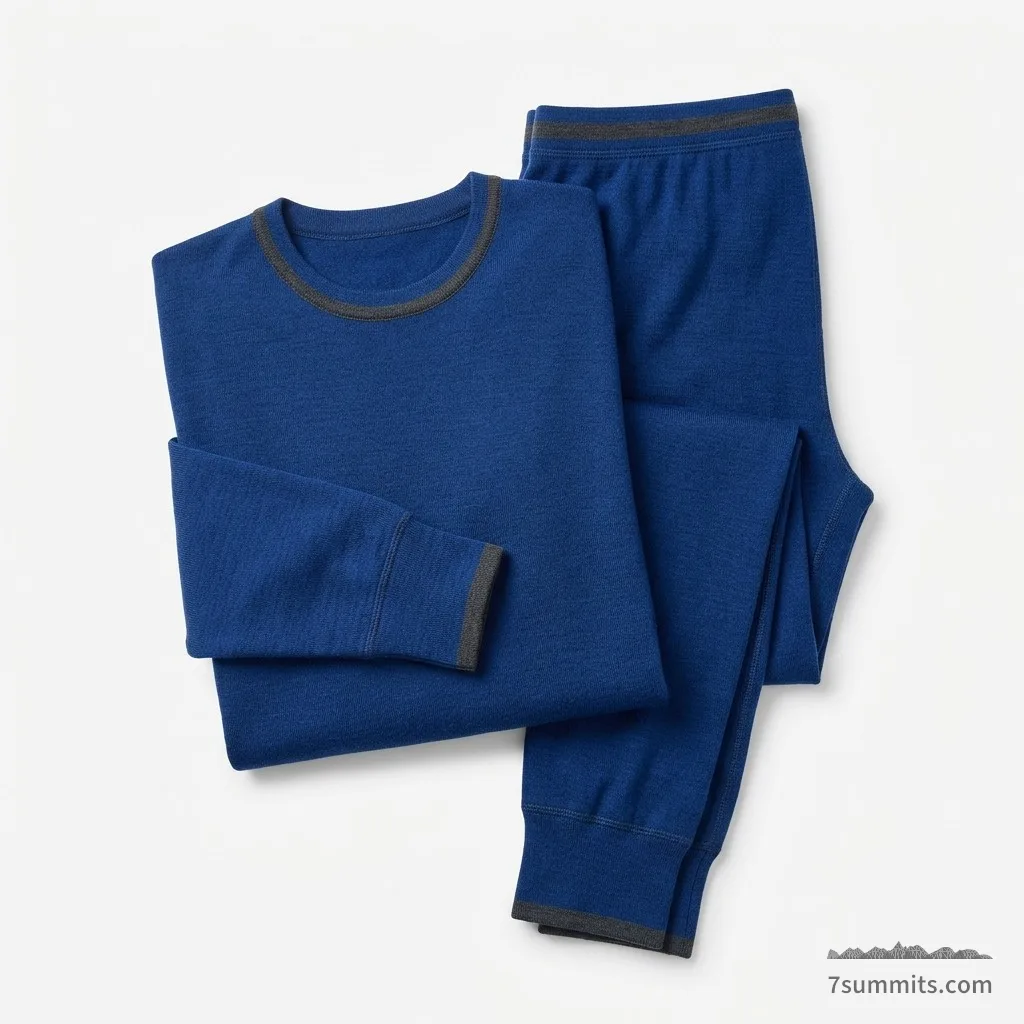 Base layers (top and bottom) | Merino or synthetic top and bottom, never cotton; a warmer set for summit night |
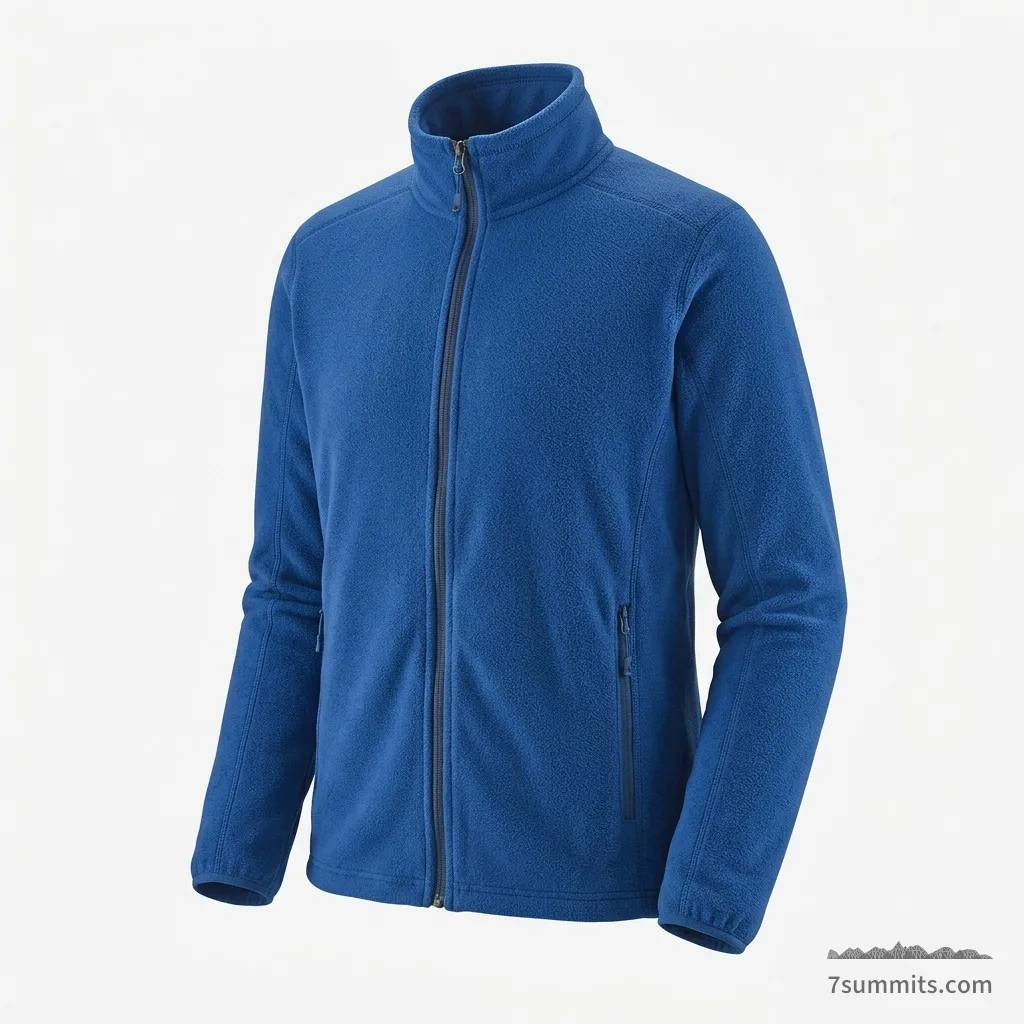 Mid-layers (fleece or light insulated top) | A fleece or light insulated jacket (a vest works too) under the shell |
| Mid-layer trousers (softshell or fleece) | Fleece or softshell trousers for the cold camps and summit night |
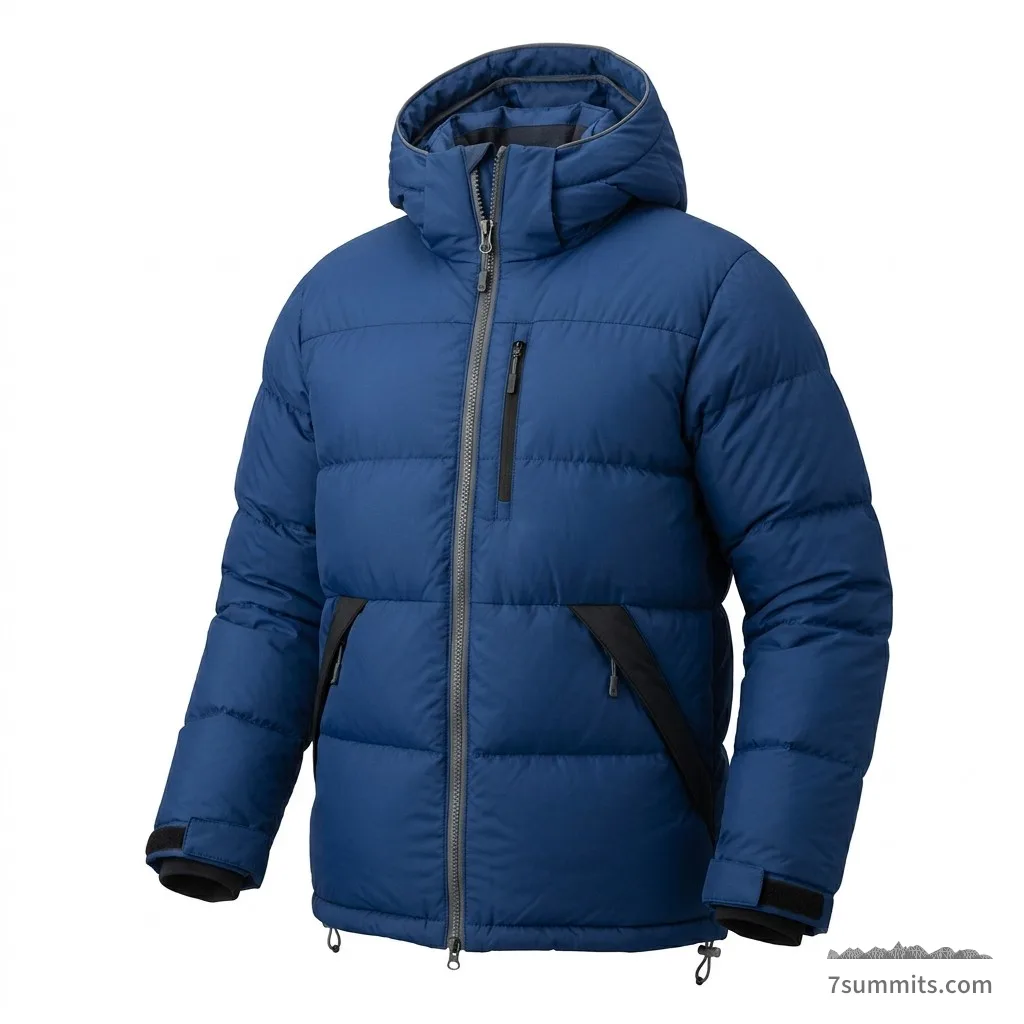 Insulated jacket (down or synthetic) | A warm down or synthetic jacket with a hood, for the high camps and summit night |
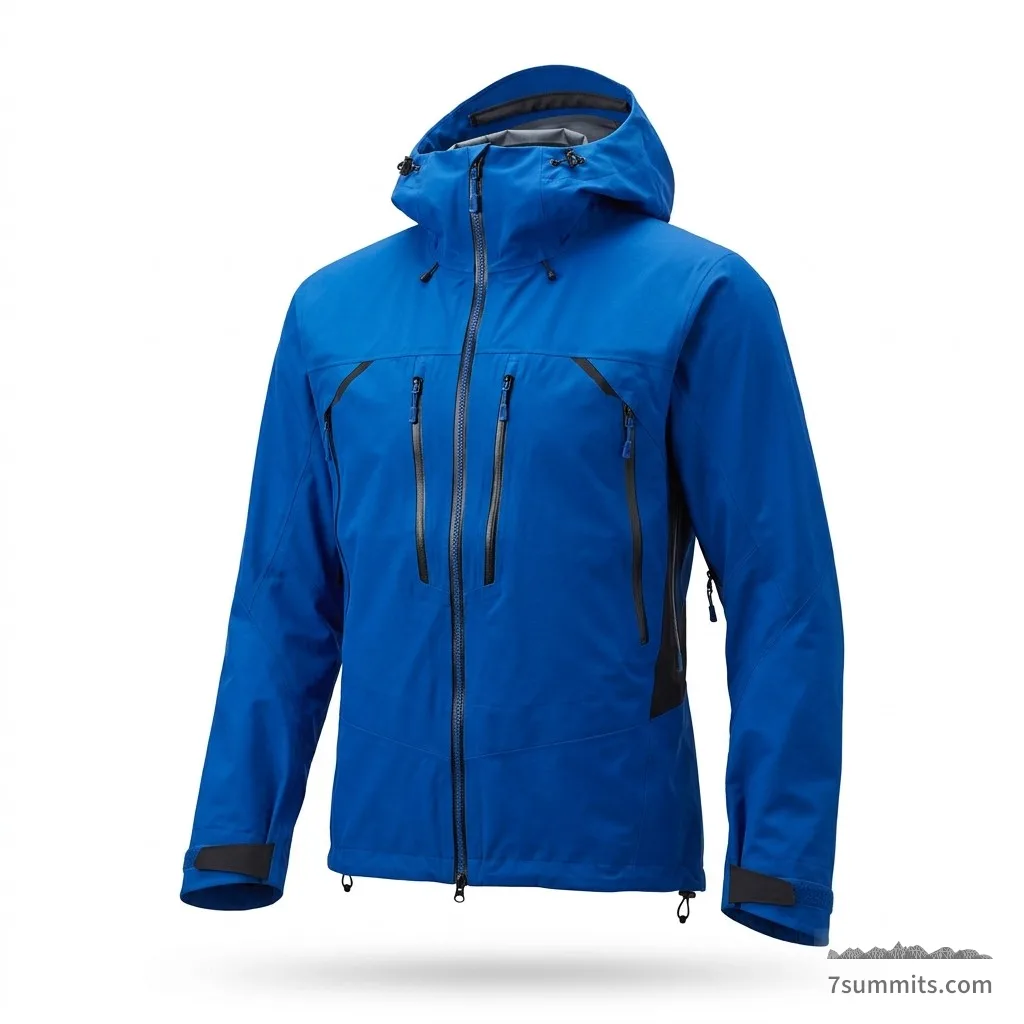 Hardshell jacket | Waterproof and windproof, with a hood: rain in the forest, wind on summit night |
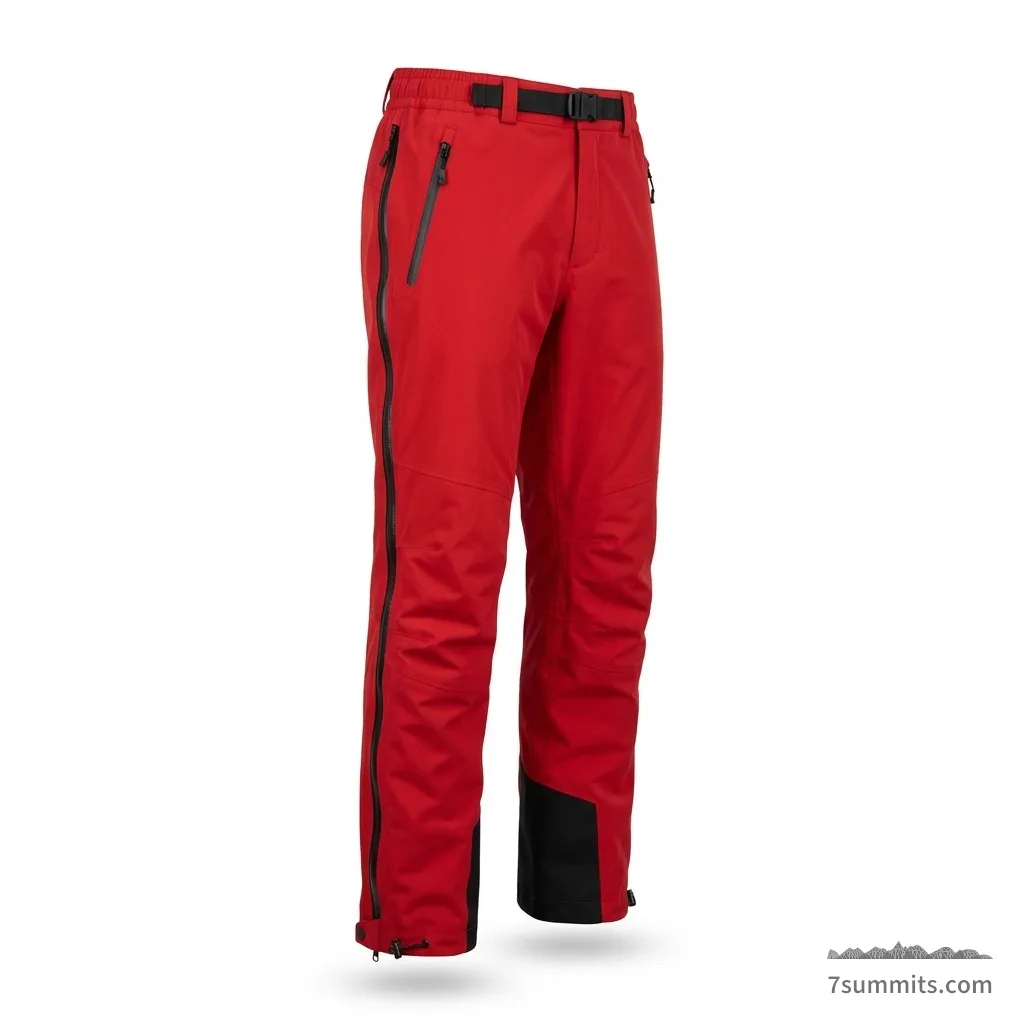 Hardshell trousers | Waterproof and windproof, side zips to pull on over boots |
| Trekking trousers | Light trekking trousers (zip-offs work); shorts for the first and last day |
| Underwear | Merino or synthetic |
| Town and base-camp clothes | Clean clothes for the hotel and any safari; they stay in the hotel bag |
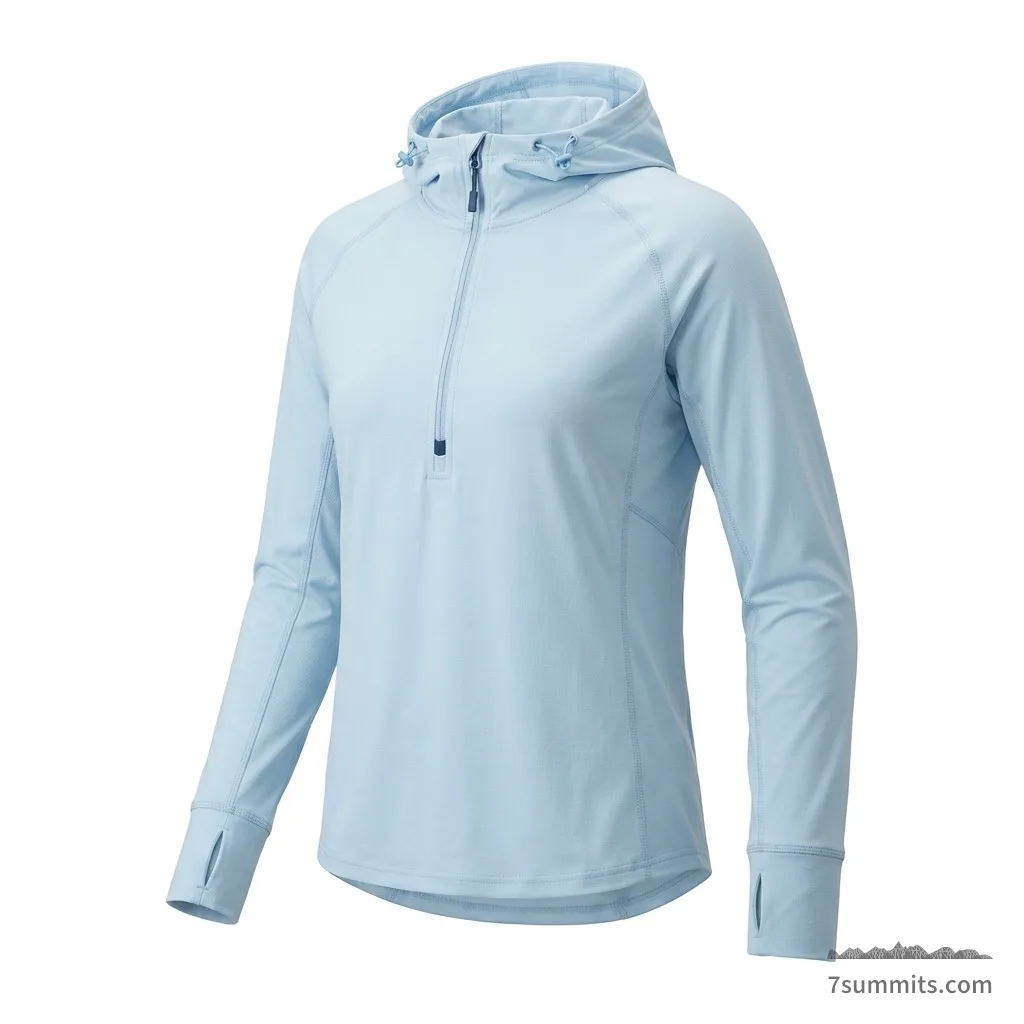 Sun shirt (light, long-sleeved) | T-shirts and a light long-sleeved shirt for the warm lower days |
| Head, hands & feet | |
|---|---|
| Trekking boots or trail shoes | Waterproof trekking boots with ankle support, worn in, warm enough for summit night (−10 to −20 °C with wind) |
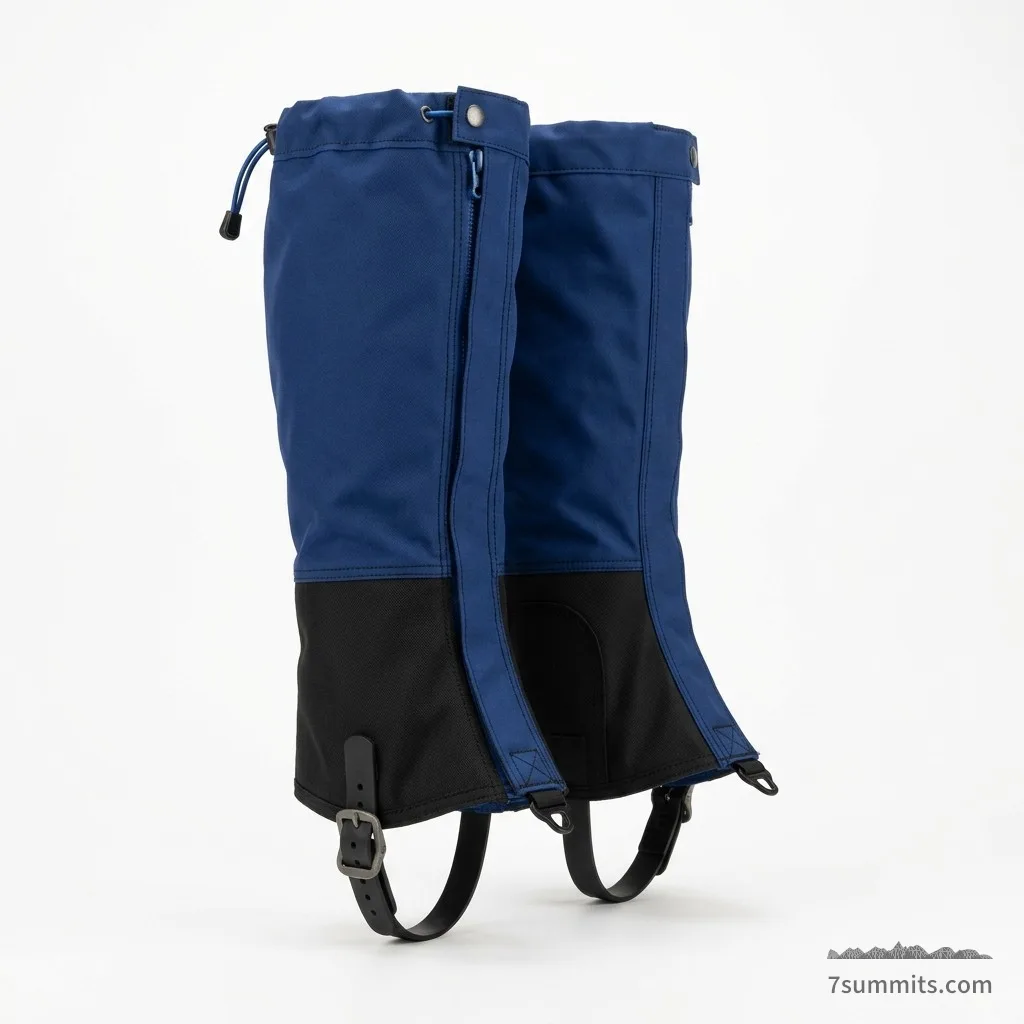 Gaiters | Short gaiters: mud in the rainforest, scree on the summit descent |
| Warm socks | Wool or synthetic trekking socks; one warm pair kept dry for summit night |
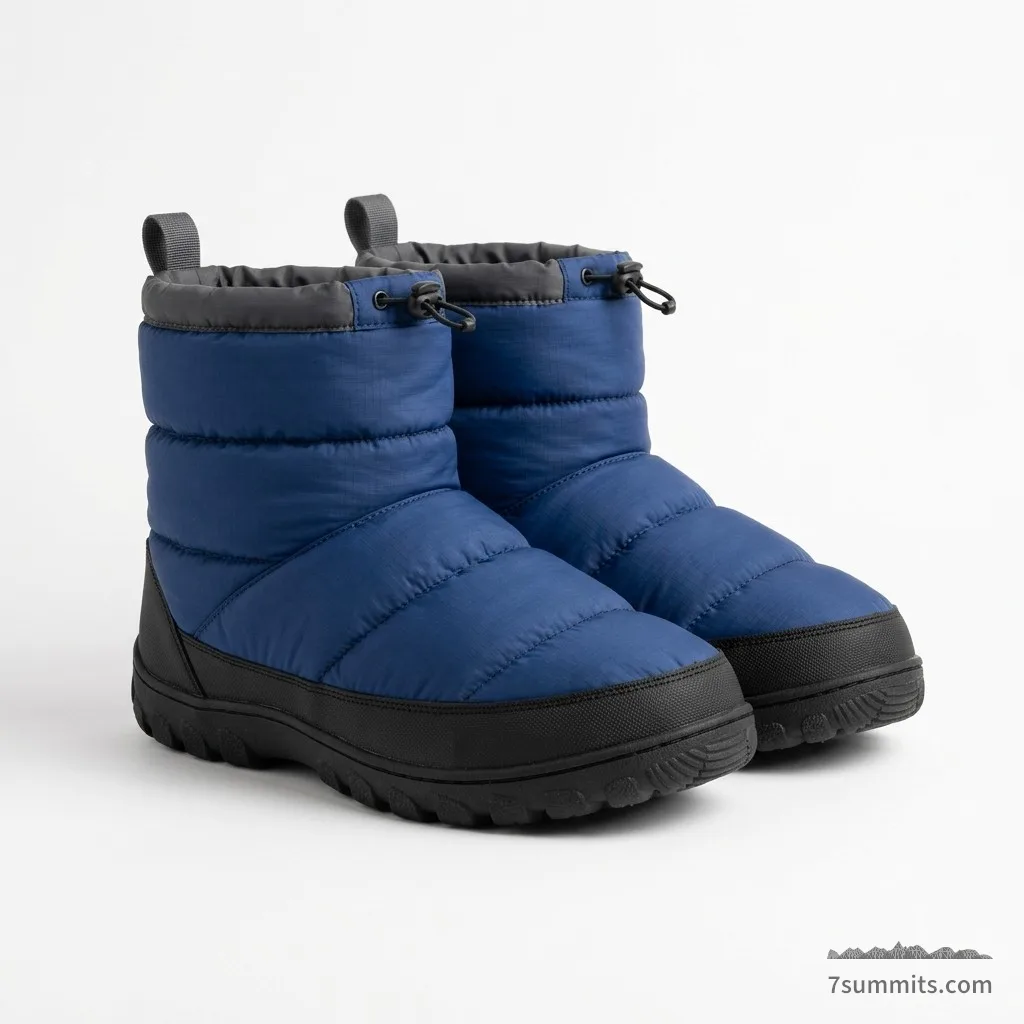 Camp shoes | Trainers or sandals for camp and the hotel |
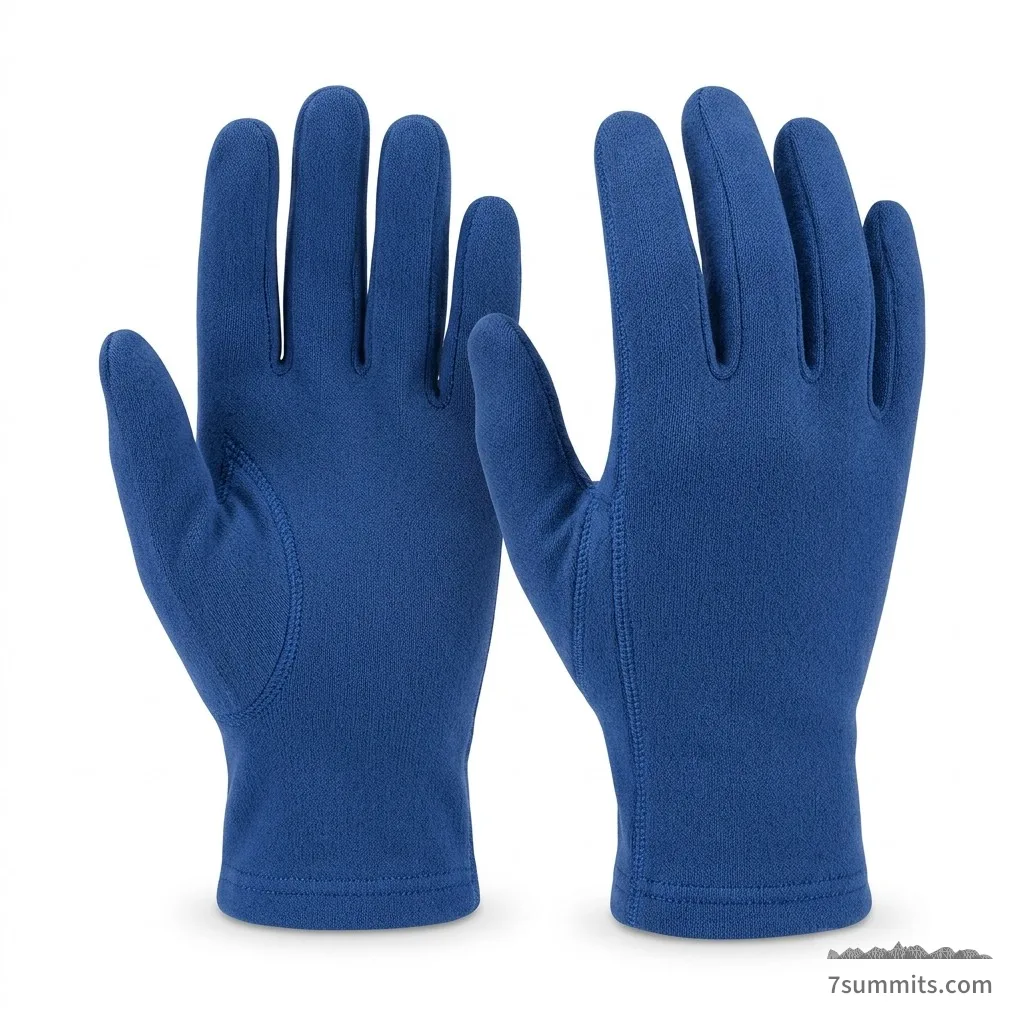 Liner gloves | Thin gloves for the cold mornings and under the mitts |
| Warm gloves | Insulated, waterproof gloves |
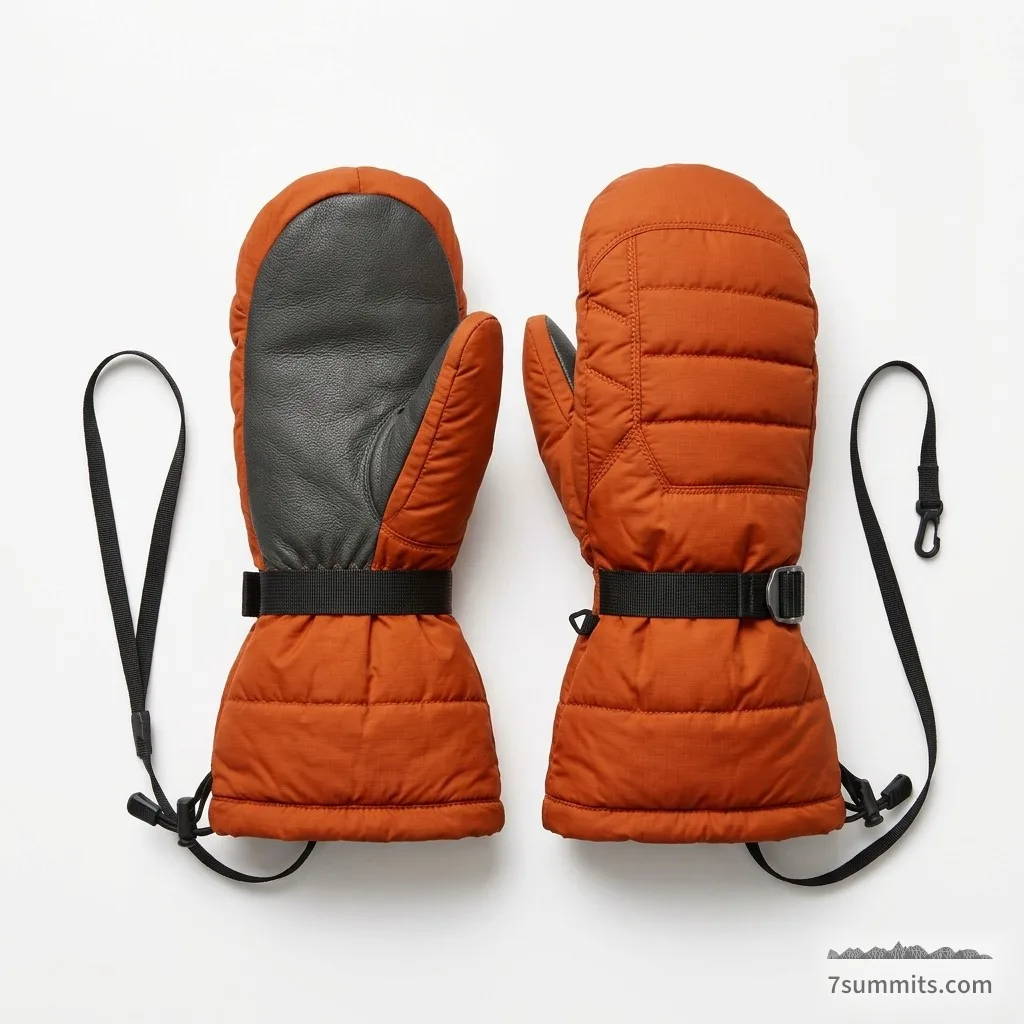 Expedition mitts | Summit night: warm mitts (or very warm ski gloves) that go over the liners |
| Warm hat | Warm hat that covers the ears |
| Sun hat | Sun hat with a brim or neck flap: the equatorial sun burns fast above the forest |
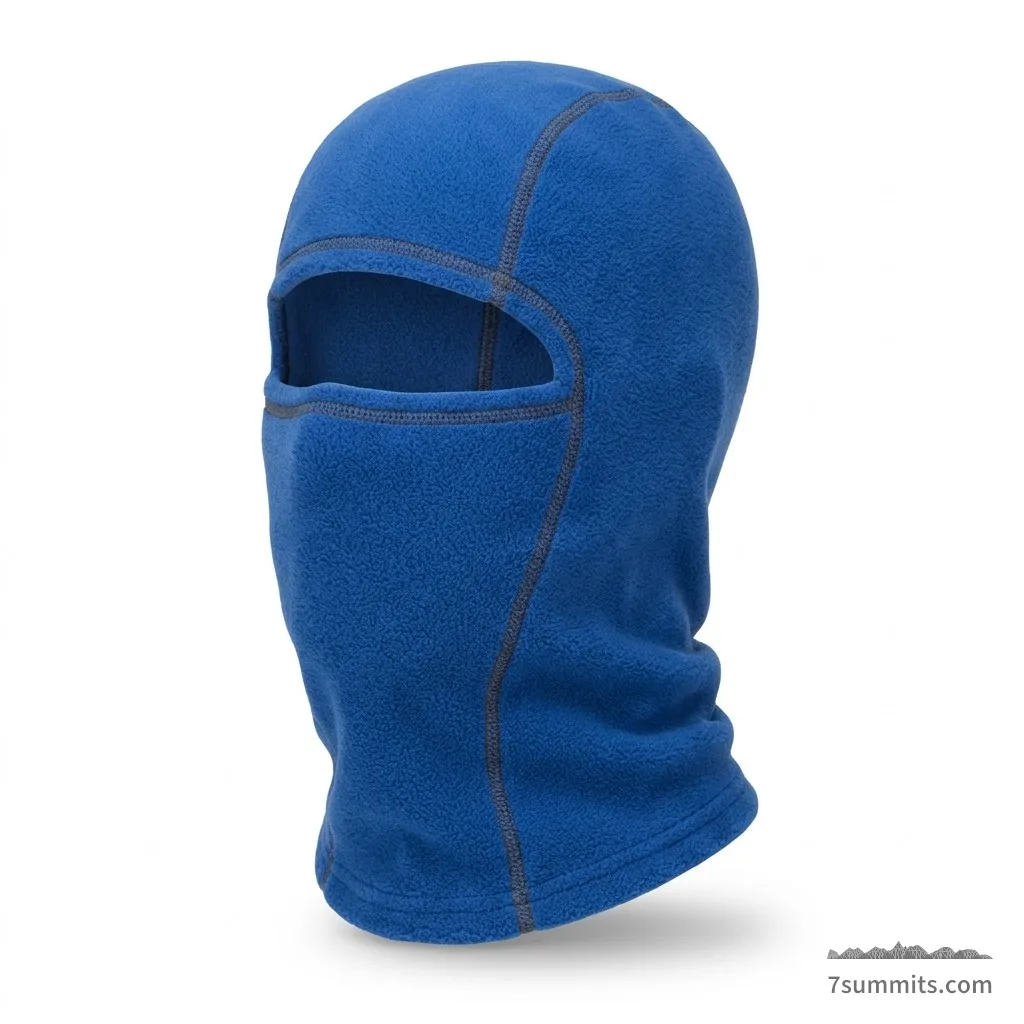 Balaclava or face mask | Balaclava or face mask for the wind on summit night |
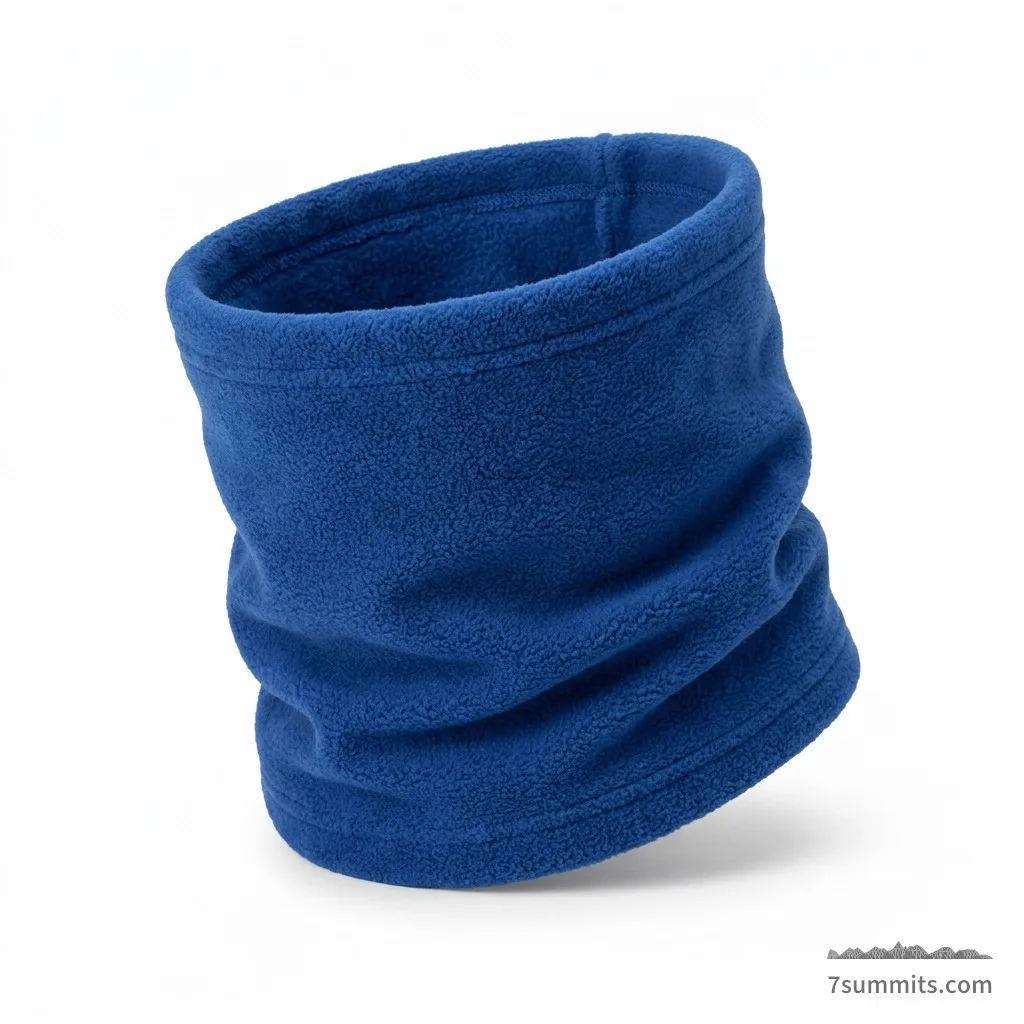 Neck gaiter or buff | Buff or neck gaiter, against dust and wind |
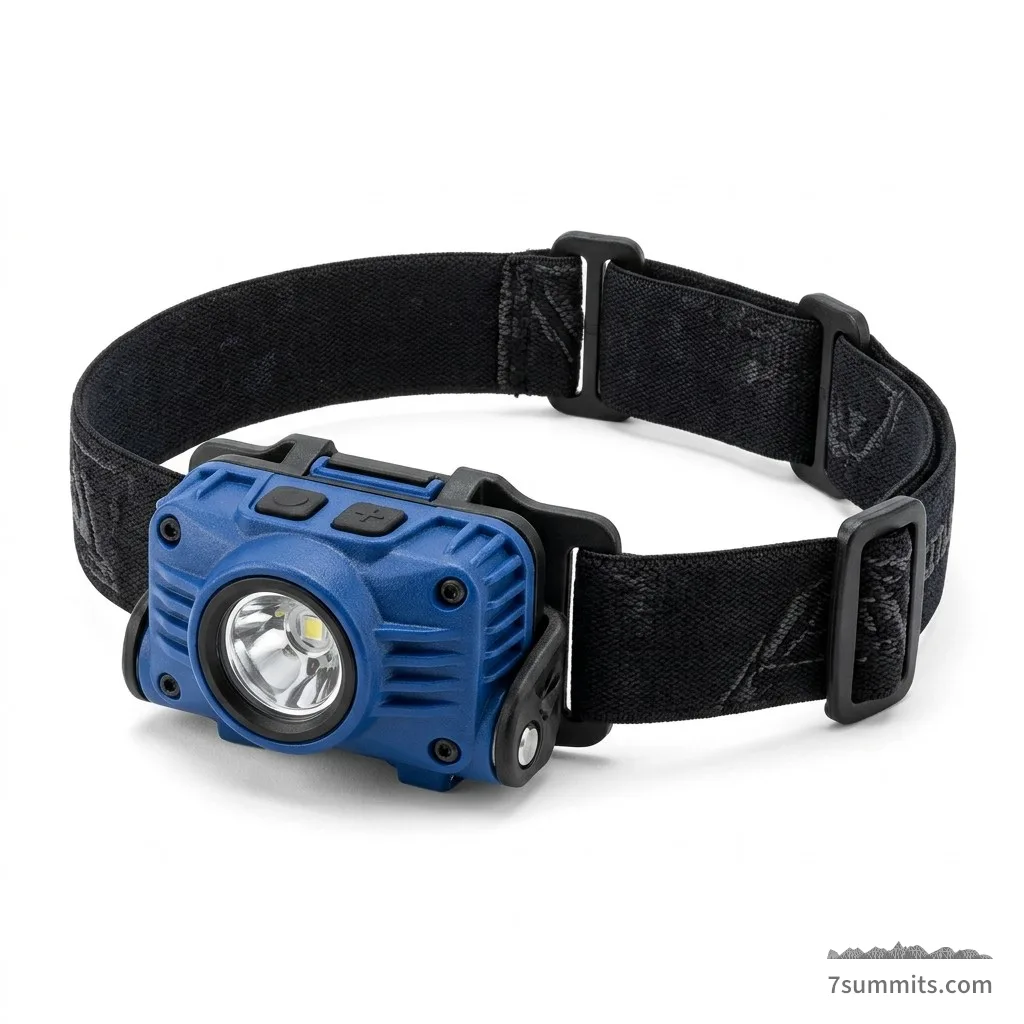 Headlamp (with spare batteries) | Headlamp with spare batteries kept warm: summit night starts around midnight |
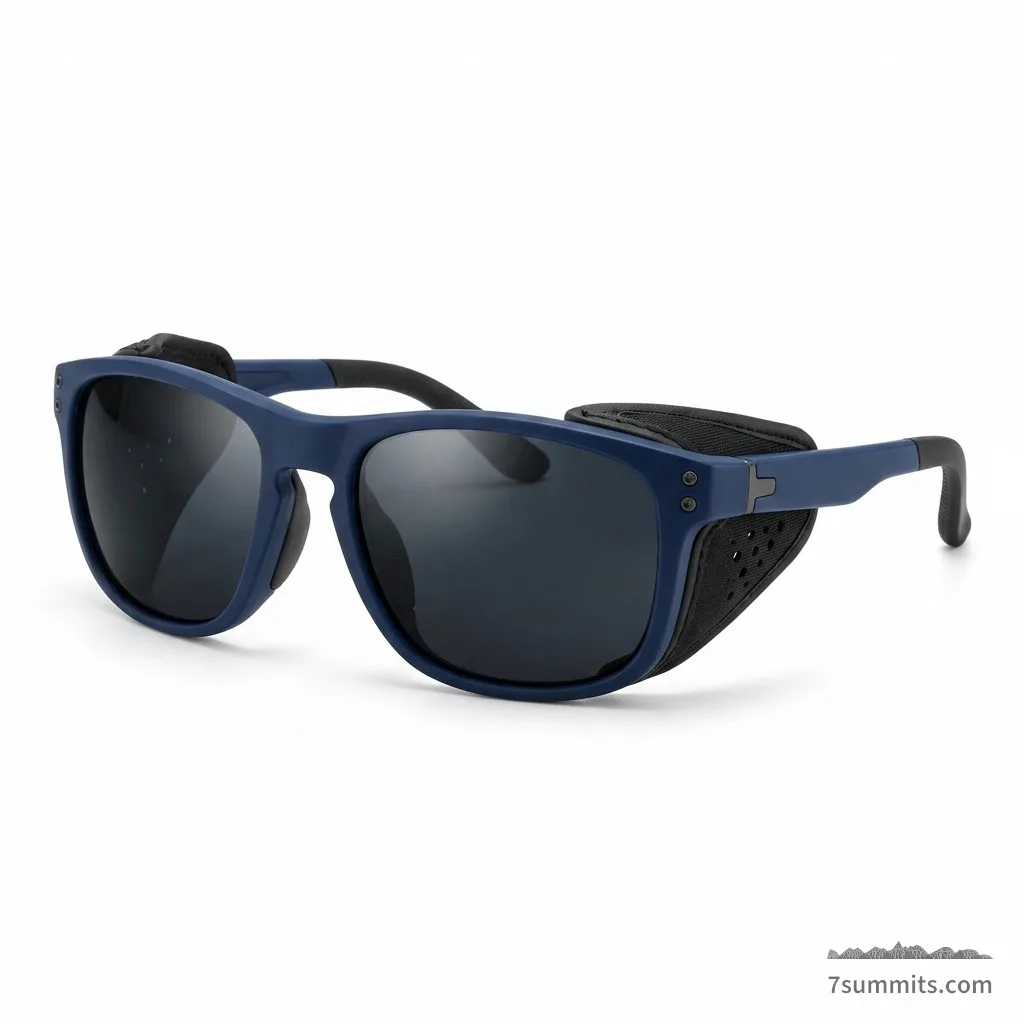 Glacier glasses | Good wrap-around sunglasses with UV protection, category 3 or 4; a spare pair is optional. If you need glasses to see: prescription lenses, or spare glasses; contacts suffer in the dust |
| Gear | |
|---|---|
| Trekking poles | Adjustable poles for the long descents; most operators rent them |
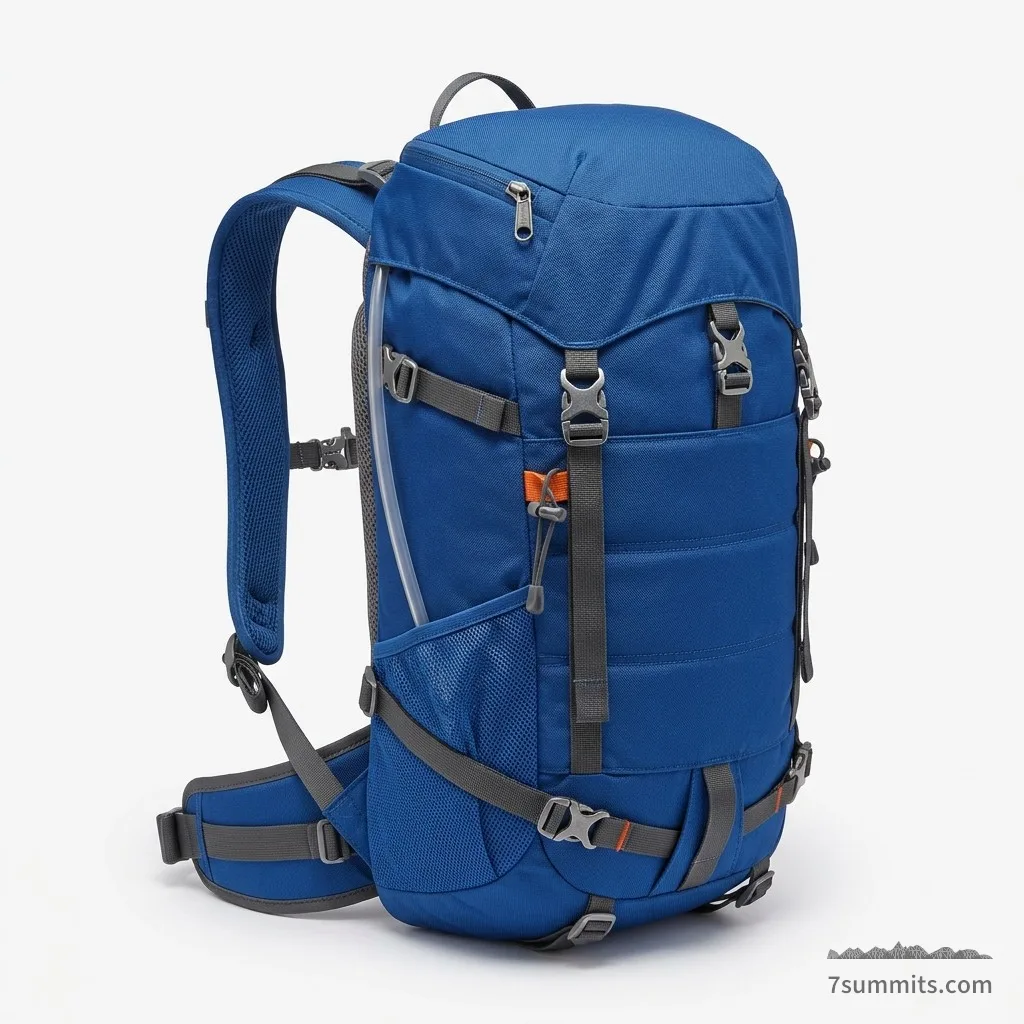 Daypack or summit pack | 35 to 45 L with a rain cover: water, layers, snacks and the day's kit; porters carry the rest |
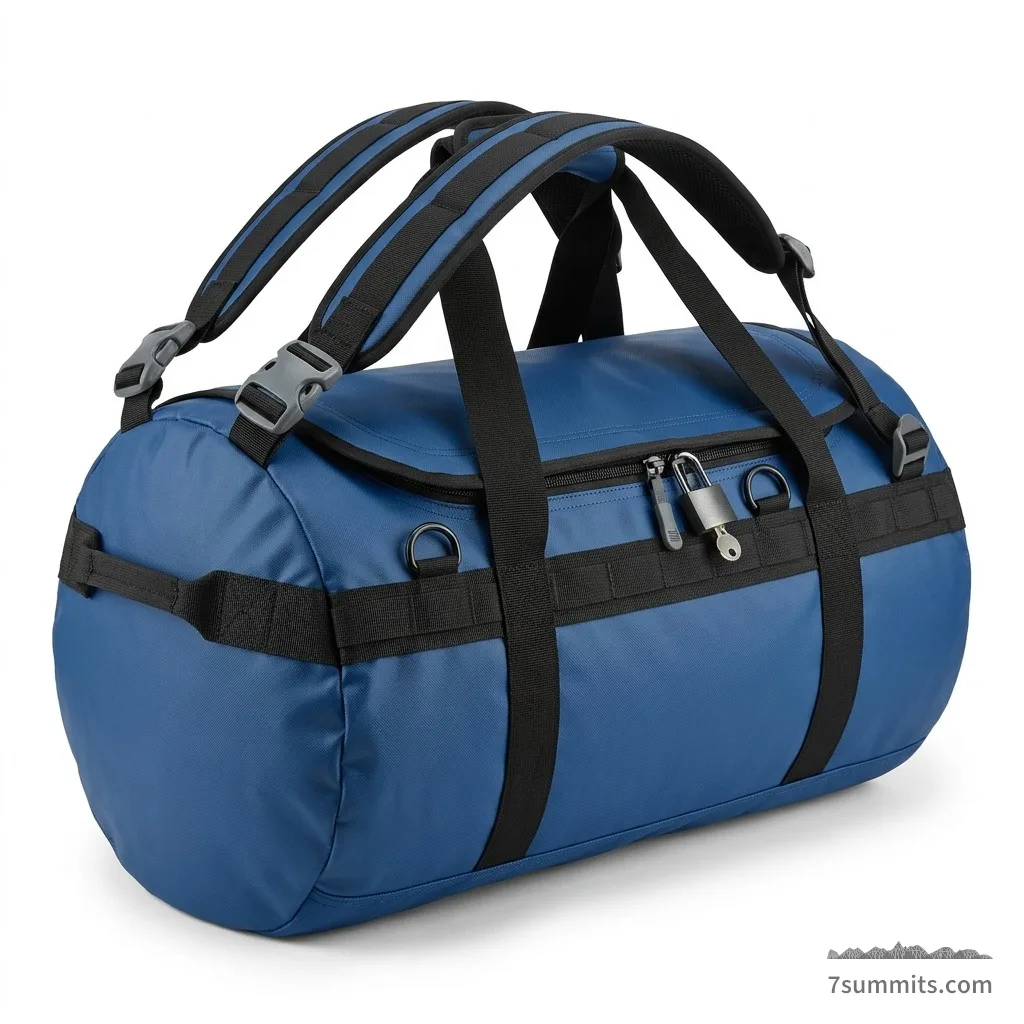 Expedition duffel (with cover and padlock) | On the mountain: 90 L · soft, waterproof or with a liner, lockable; the weight a porter carries for you is capped, 15 kg at most operators (12 to 20 kg): excess needs an extra porter, you carry it The hotel in Moshi or Arusha: town and safari clothes |
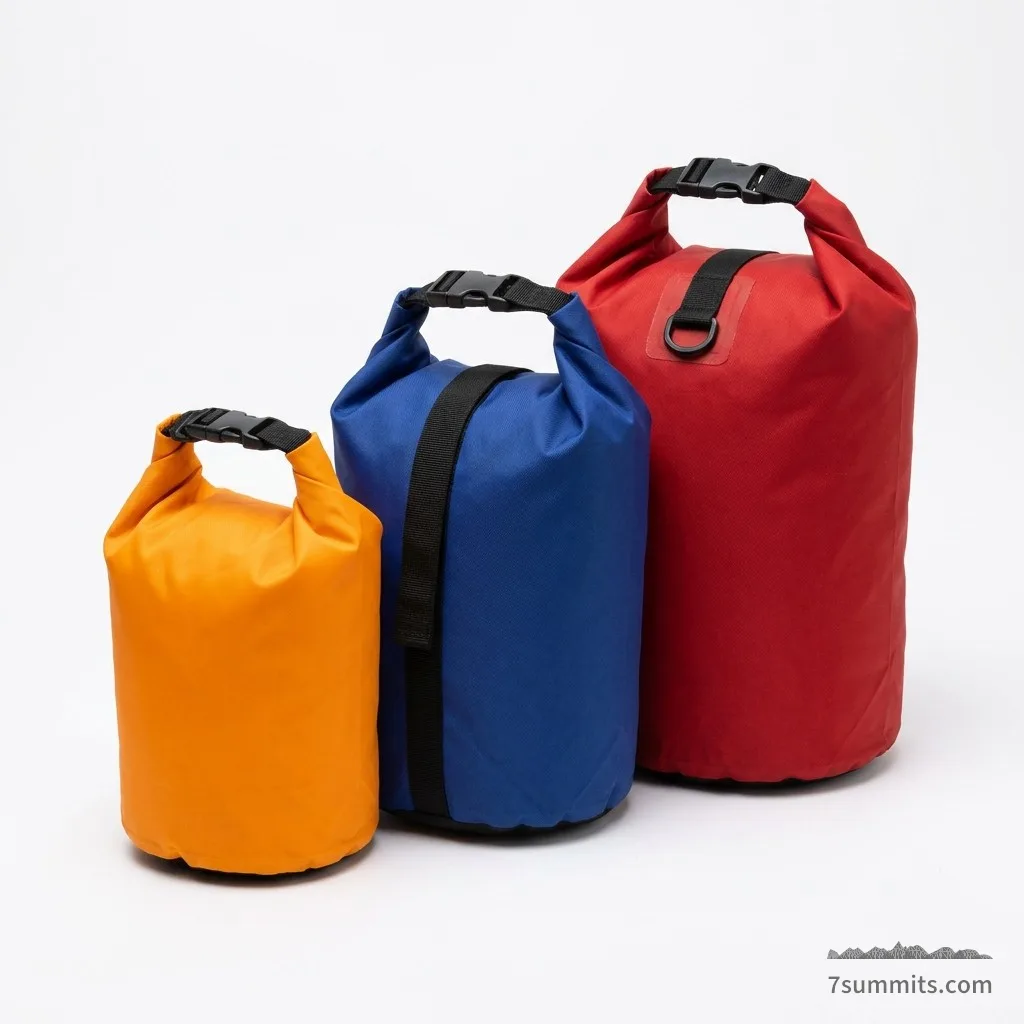 Dry bags, pack liner or rain cover | Dry bags or a waterproof liner inside the duffel and the daypack, and stuff sacks to sort the kit: never plastic carrier bags (banned in Tanzania); zip-lock bags for toiletries only ⚖Plastic carrier bags of any thickness are banned in mainland Tanzania, and taken from you at the airport. Zip-lock bags that carry your toiletries are allowed, because they leave the country with you. SourceEnvironmental Management (Prohibition of Plastic Carrier Bags and Plastic Bottle Cap Seals) Regulations, 2022 (GN 291 of 2022, which revoked GN 394 of 2019), reg. 5 and 9 — vpo.go.tz (read from the Internet Archive copy of 2024-04-19); Vice President's Office, "Notice to travellers planning to visit Tanzania" — us.tzembassy.go.tz |
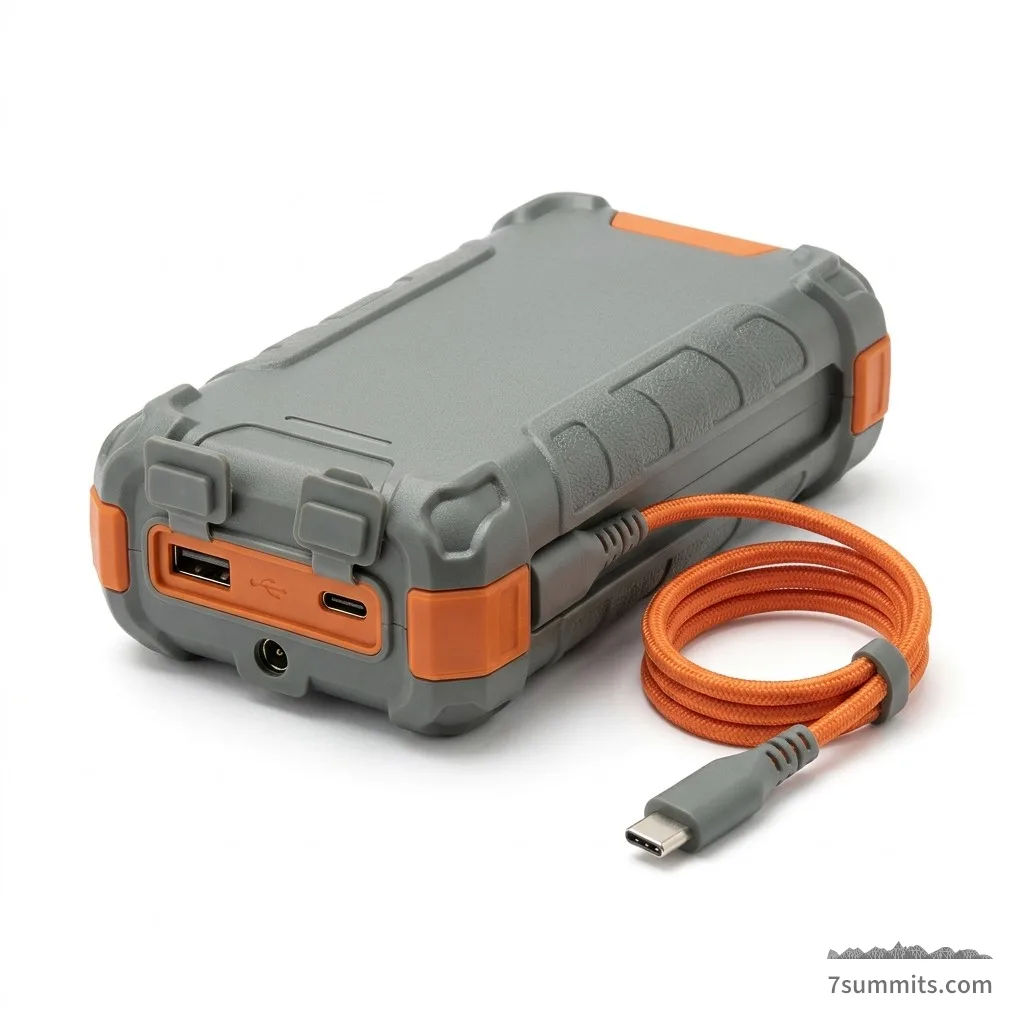 Power bank (or solar panel) | A power bank (or a small solar panel) and your cables: there is no mains power on the mountain; a plug adapter (types D and G) for the hotel |
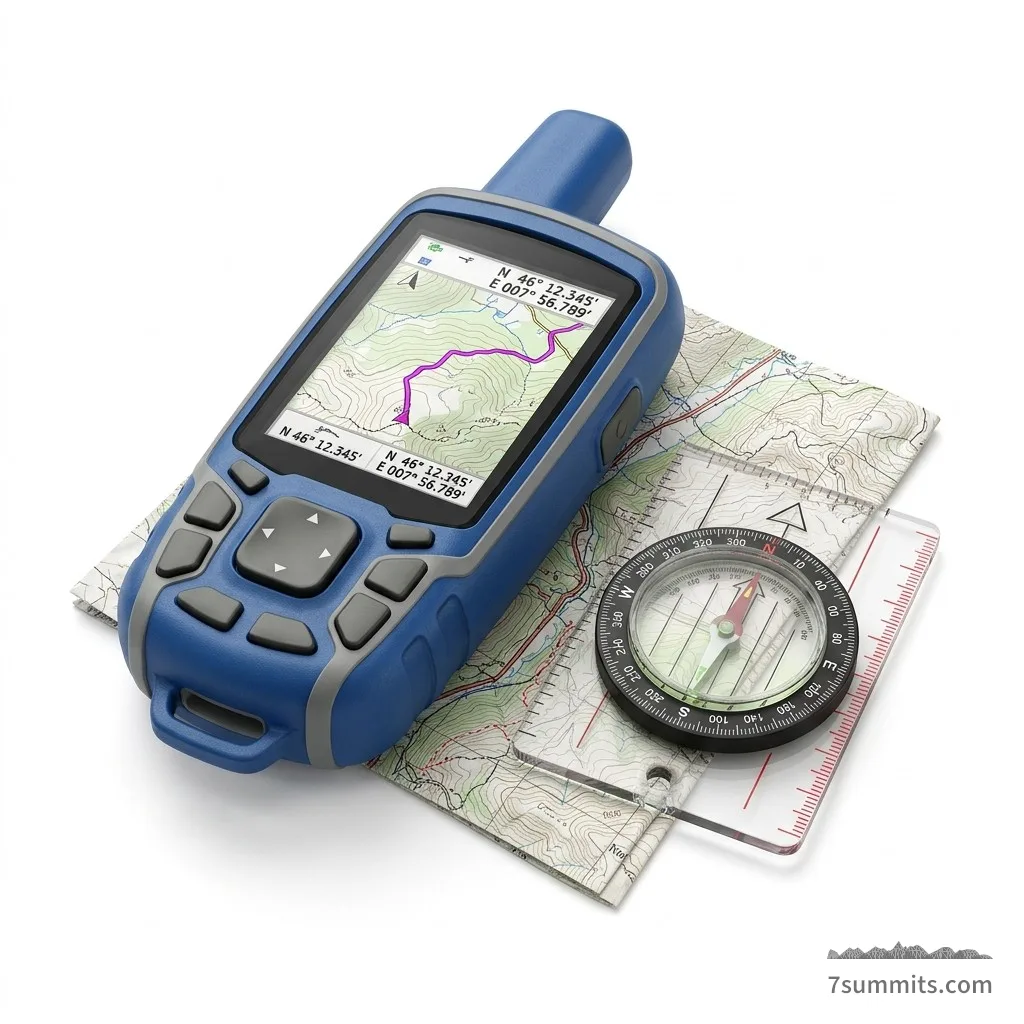 Map, compass, altimeter and GPS | An altimeter and a GPS you know how to use (a watch, a handheld, or a phone with offline maps): in cloud, a storm or when you are lost you must find the way back to camp yourself |
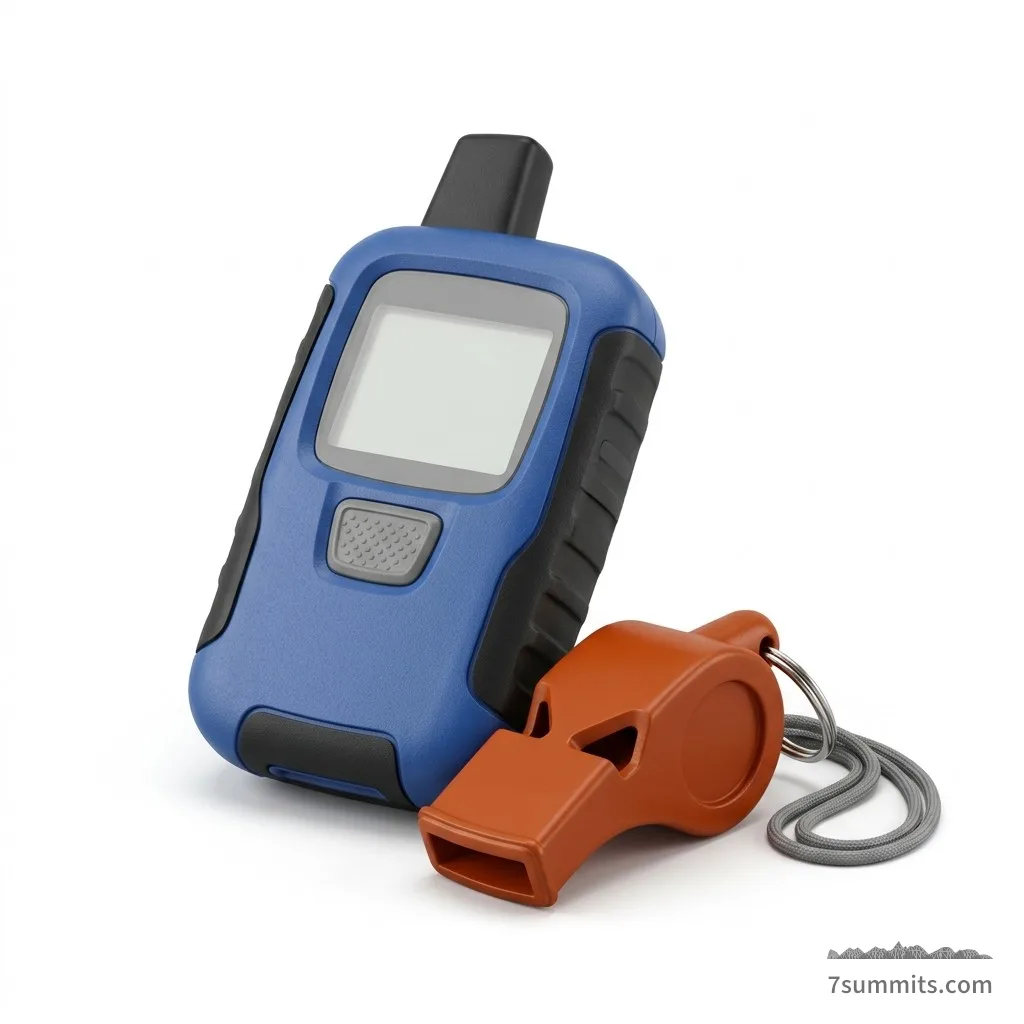 Phone, PLB or satellite messenger, signal mirror | Your own way to call for help: a charged phone (coverage is patchy) and a satellite messenger or PLB; do not count on a guide's phone being where you are ⚖Every climbing group must carry a mobile phone that can call for help if the group runs into trouble. SourceMountains National Parks Regulations, 2003 (Government Notice No. 191 of 25 July 2003, National Parks Ordinance Cap. 412) — tanzaniaparks.go.tz — reg. 16 |
| Passport, visa, tickets, certificates and money | Passport (six months valid), Tanzanian visa, flight tickets, insurance certificate, US dollars in cash for tips |
| Travel and rescue insurance | Travel, medical and evacuation cover, including helicopter rescue, for trekking to 6,000 m: many operators require it |
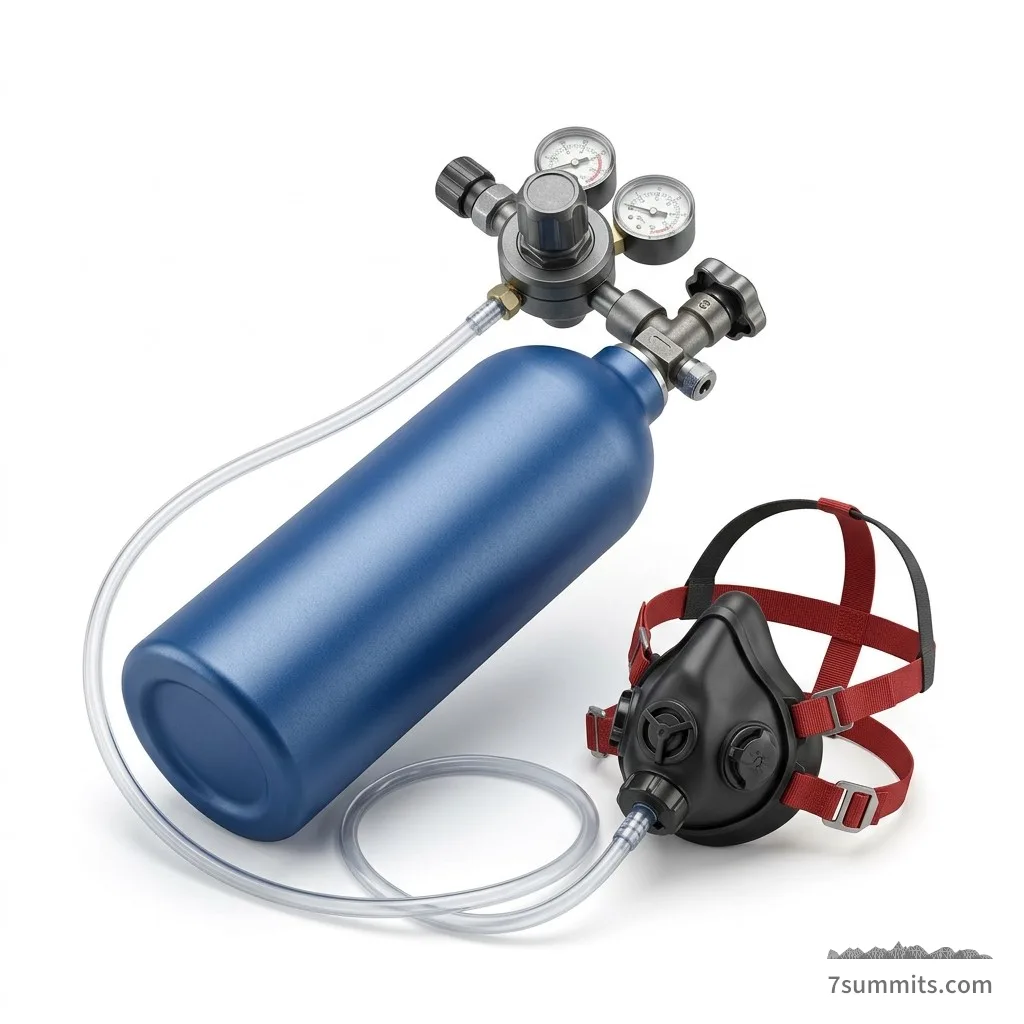 Oxygen (bottles, mask and regulator) | Emergency oxygen is your operator's (45 say they carry it, a few charge for it), ask. Nobody climbs Kilimanjaro on oxygen |
| Camp | |
|---|---|
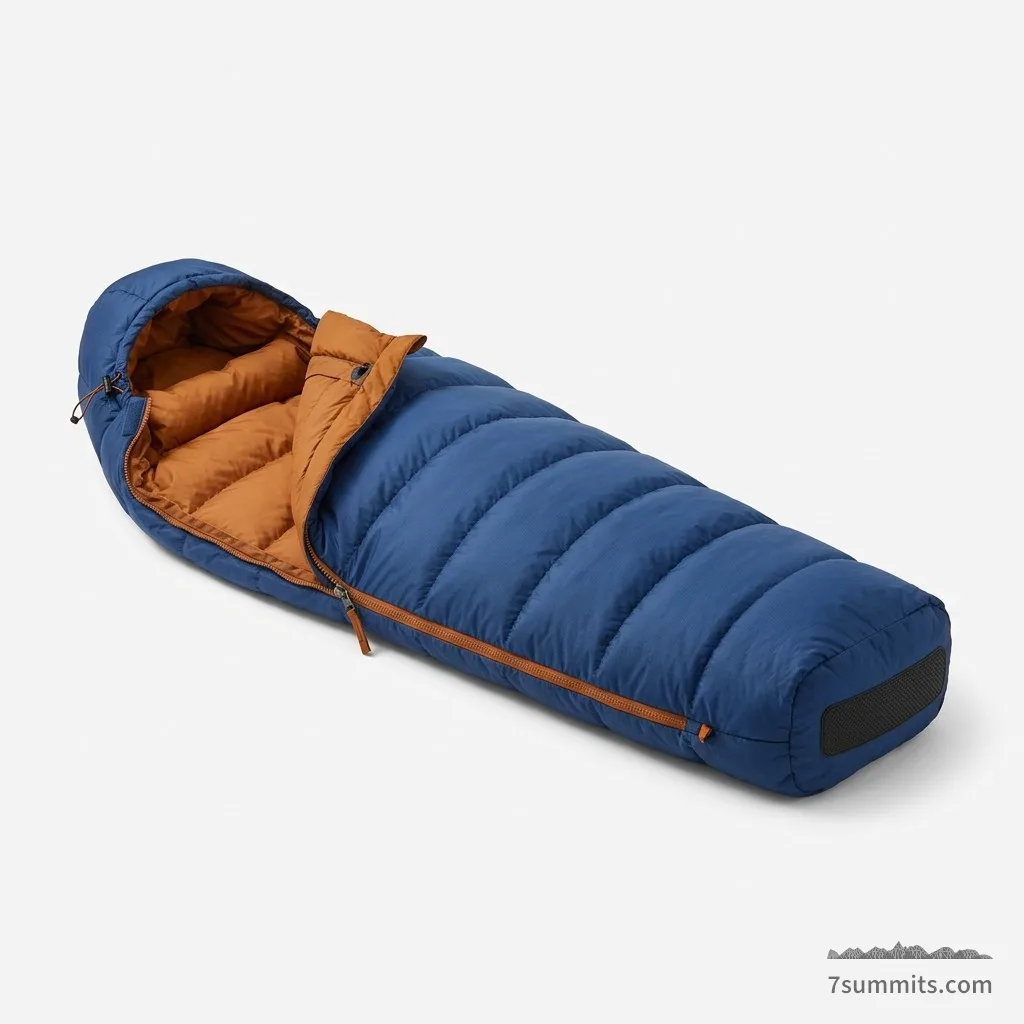 Sleeping bag | One bag: −20 to −10 °C comfort; the high camps drop well below freezing; most operators hire one out in Moshi or Arusha, you carry it |
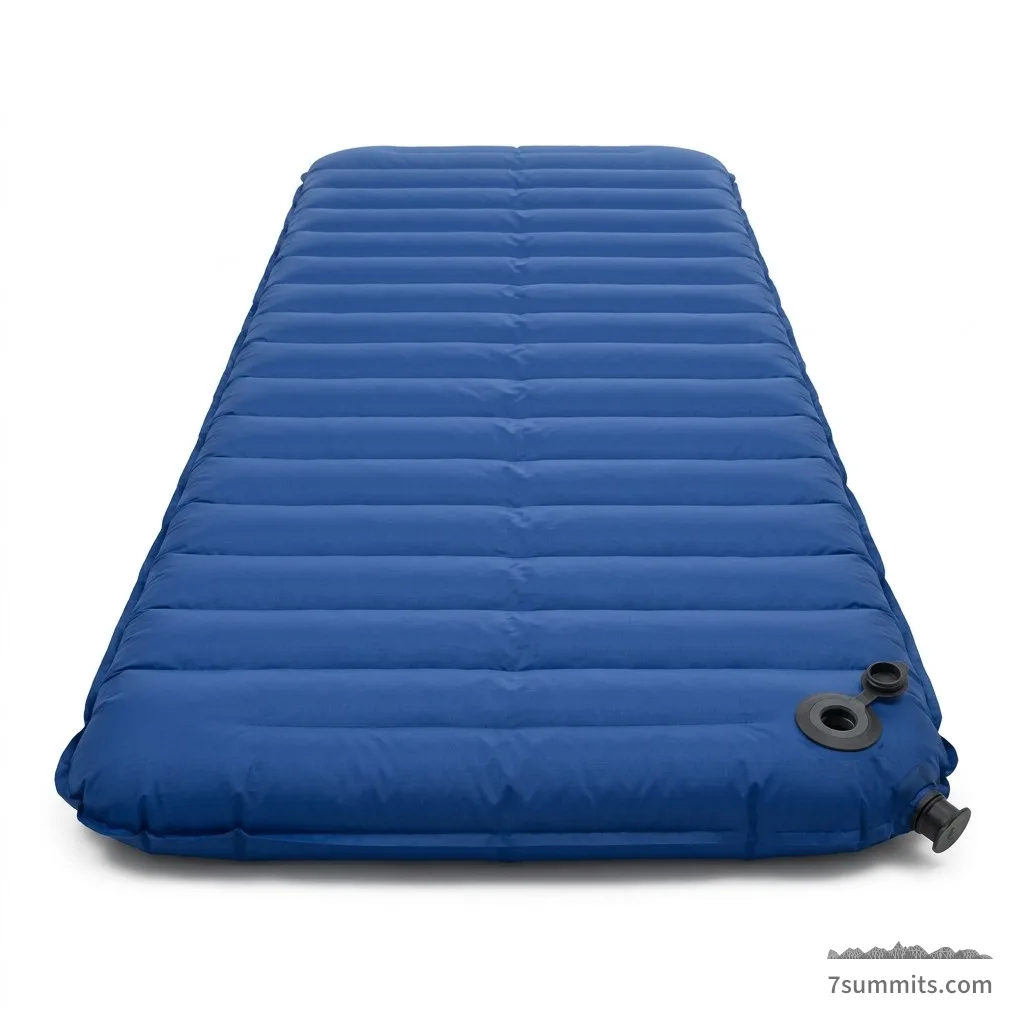 Insulated sleeping pad | Most operators supply a foam mattress in the tent (ask how thick); bring an inflatable one if you want more comfort · Marangu huts: the park's mattresses |
| Tent (with snow stakes where the ground is snow) | Your operator's sleeping tents at every camp (75 say so): two sharing at most, a single tent is usually an extra · Marangu: huts, no tent |
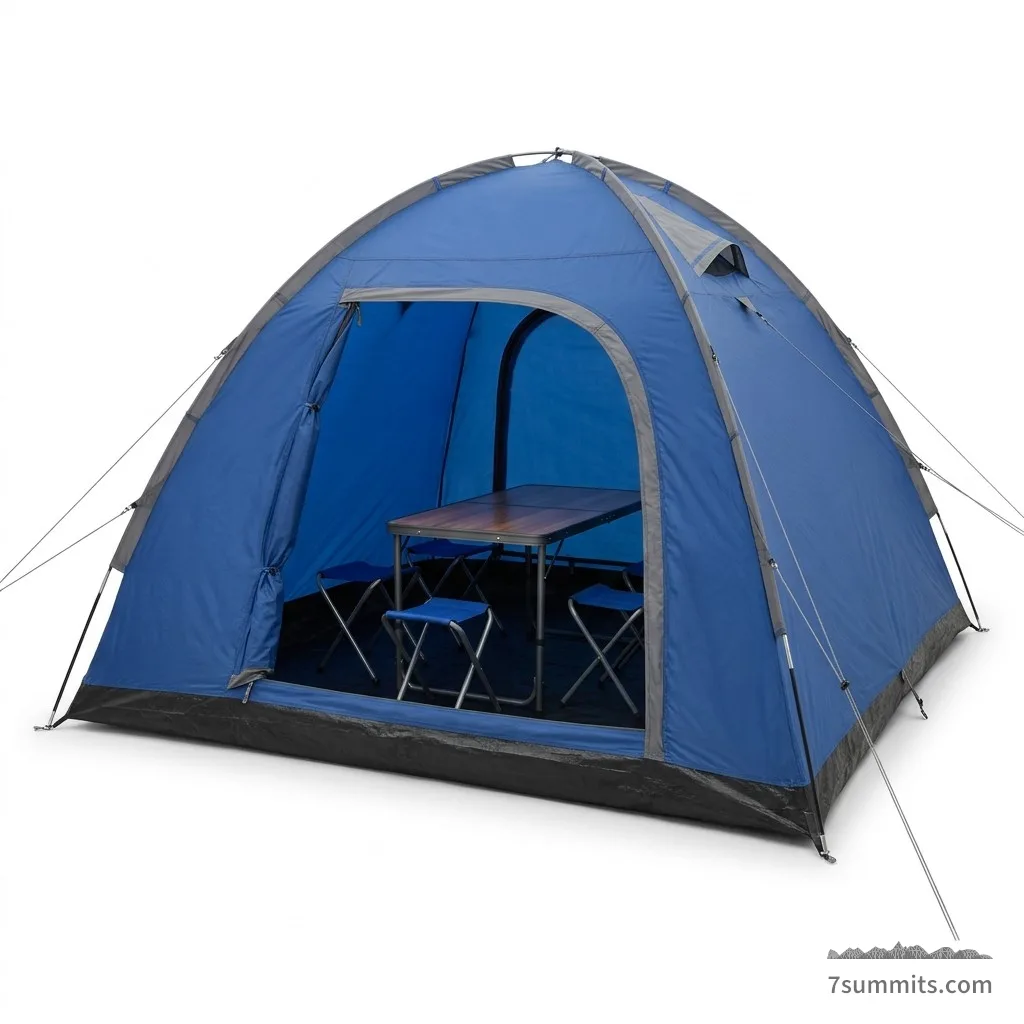 Kitchen or mess tent | Your operator's dining tent with table and chairs (54 say so) · Marangu: the huts' dining halls |
| Water bottles or bladder (total capacity, with insulating covers) | 3 L in total: wide-mouth bottles, or a bladder for the lower days plus a bottle for summit night, hoses freeze. Most operators do not allow disposable plastic bottles in the park |
| Stove (with lighters and matches) | Your operator's cook and stoves ⚖No firewood in the park, for any purpose, cooking or warming. All cooking is on stoves. SourceMountains National Parks Regulations, 2003 (Government Notice No. 191 of 25 July 2003, National Parks Ordinance Cap. 412) — tanzaniaparks.go.tz — reg. 14 |
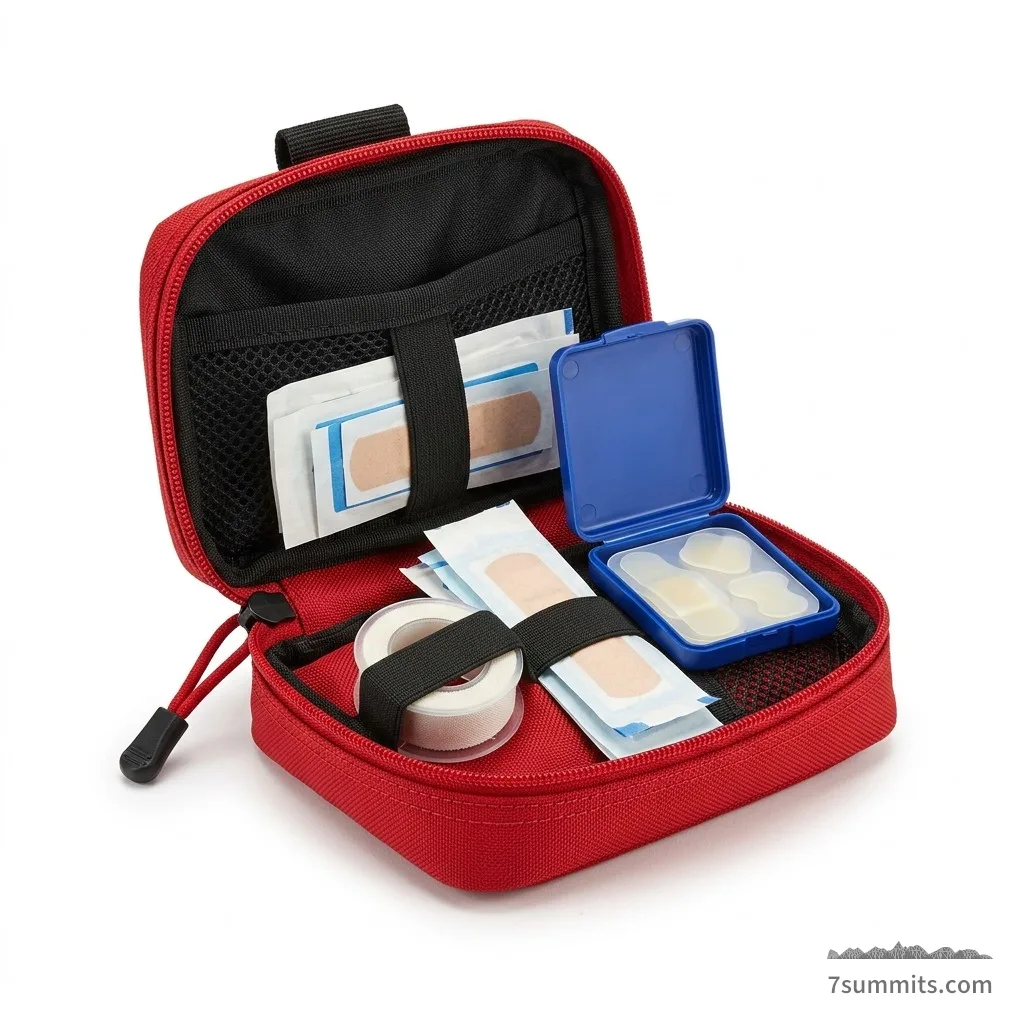 First-aid kit (with blister and dental repair) | A personal kit you can treat yourself with: blister care, tape, painkillers, anti-diarrhoea, rehydration salts, your altitude medication, whatever the guides also carry |
| Personal medication | Consult your doctor. |
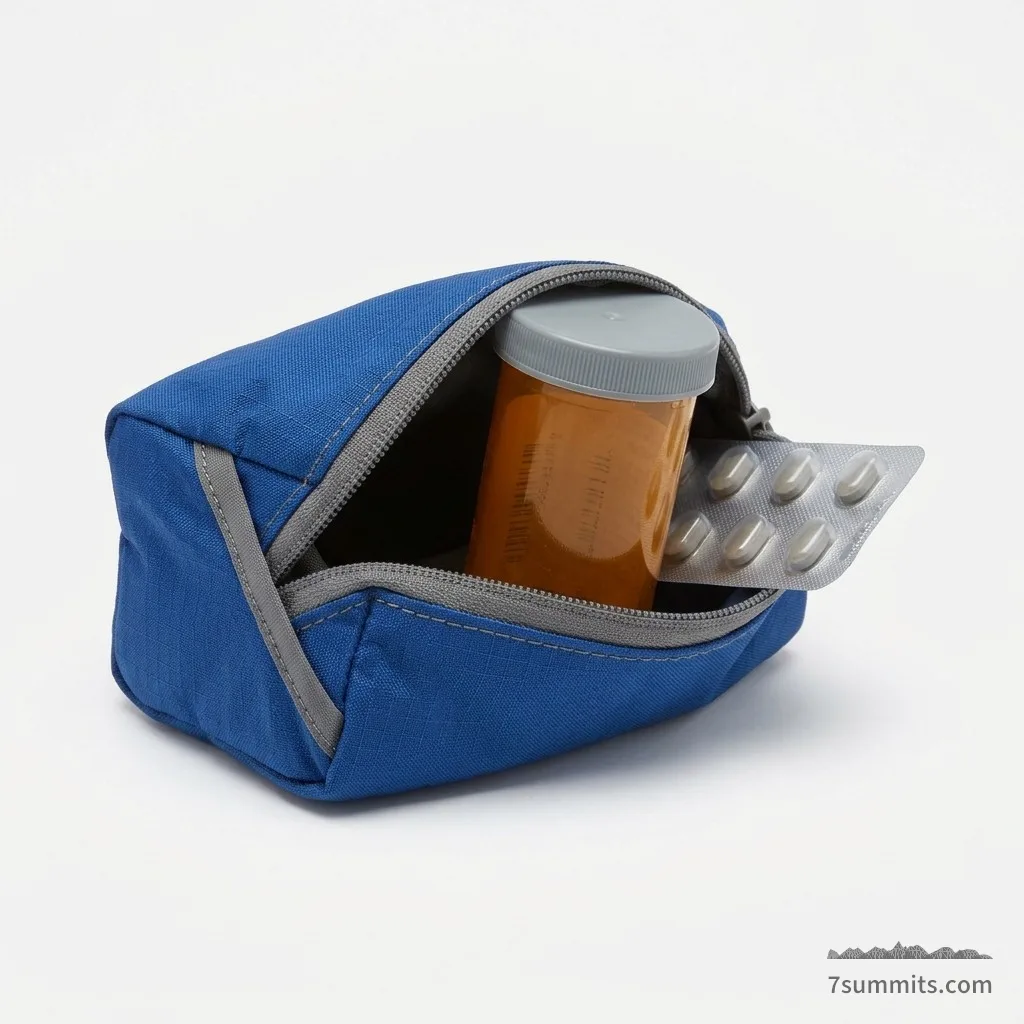 Altitude and travel medication (consult your doctor) | Consult your doctor. |
| Sunscreen and lip balm | SPF 30 to 50 and lip balm with SPF: the equatorial sun at altitude |
| Insect repellent | For Moshi, Arusha, the rainforest and any safari, malaria country |
| Wash kit, wipes, toilet paper and rubbish bags | Wet wipes, hand sanitiser, toilet paper, a small towel and a rubbish bag: everything you carry in comes out again ⚖Every climbing group must keep to "Trash in Trash out": all rubbish comes back down. Where the park provides toilets (at the gates, along the trails, at the campsites and huts) every climber must use them. SourceMountains National Parks Regulations, 2003 (Government Notice No. 191 of 25 July 2003, National Parks Ordinance Cap. 412) — tanzaniaparks.go.tz — reg. 20 |
Optional
| Clothing | |
|---|---|
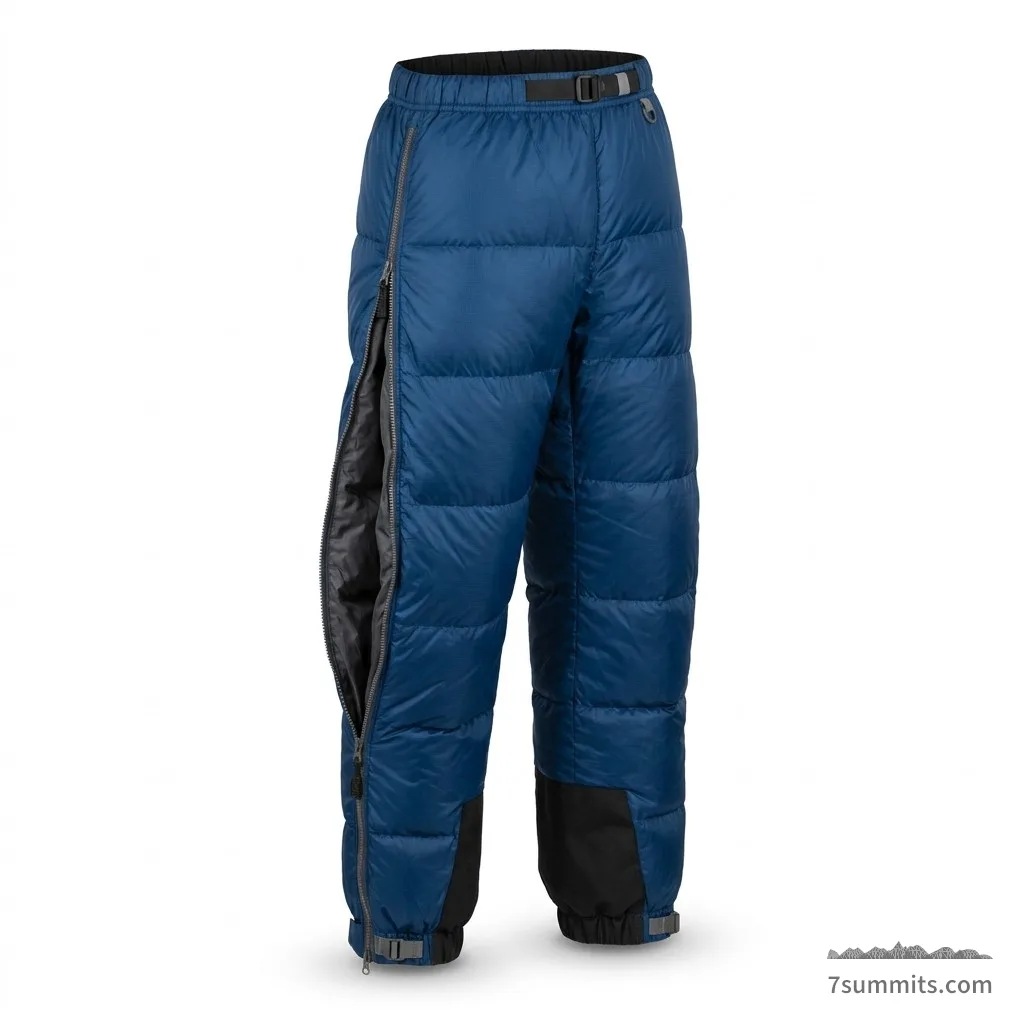 Insulated trousers or bibs | Down or synthetic trousers with side zips, for summit night if you run cold; most climb in base layers, fleece and shell trousers |
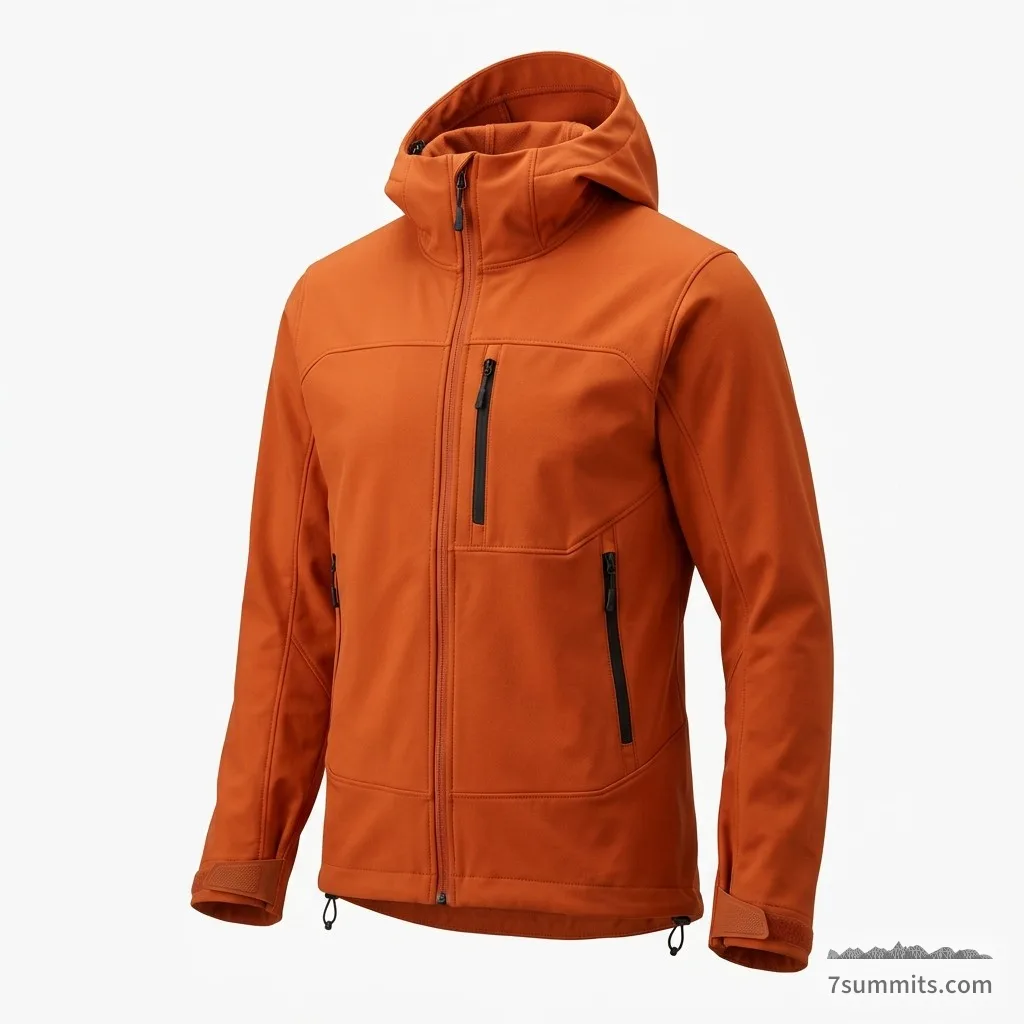 Softshell jacket | A windproof softshell for cool, dry days |
| Head, hands & feet | |
|---|---|
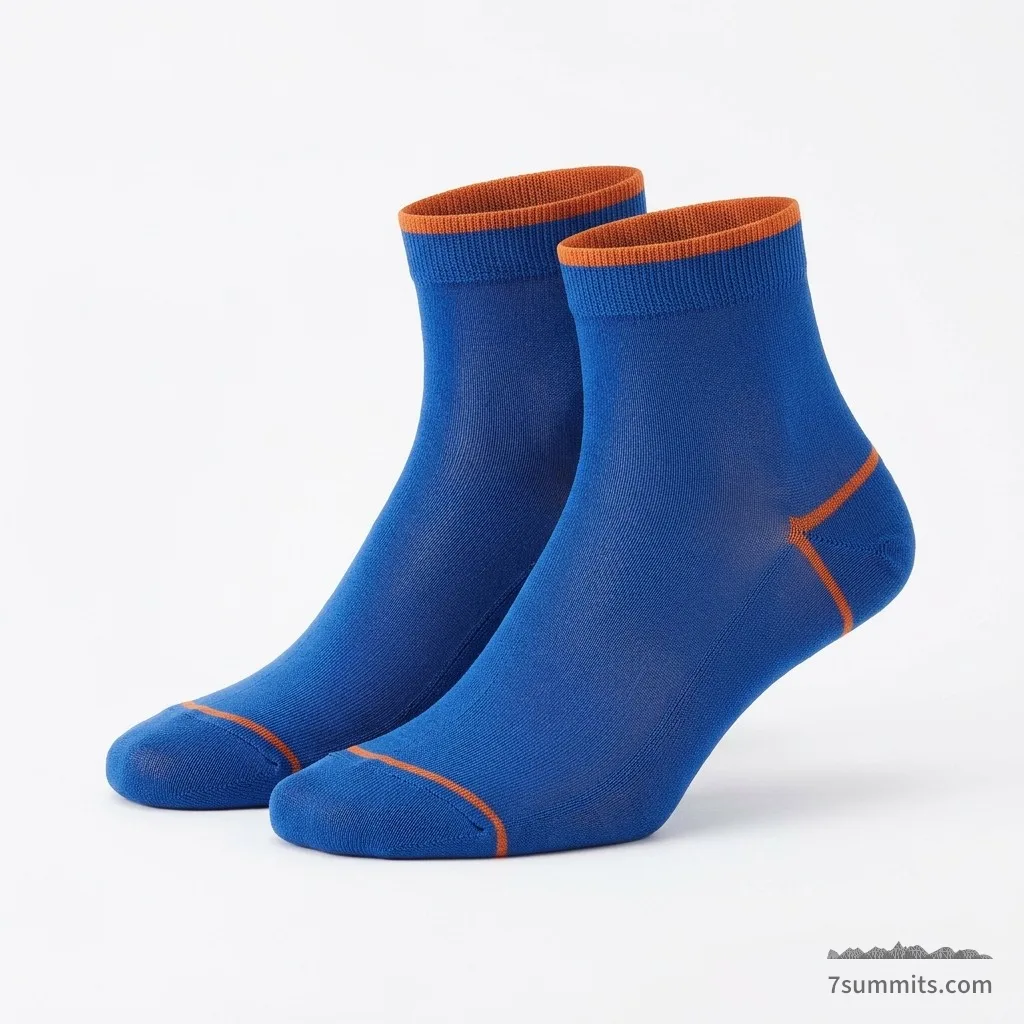 Liner socks (or vapour-barrier socks) | Thin liners under the warm socks, against blisters |
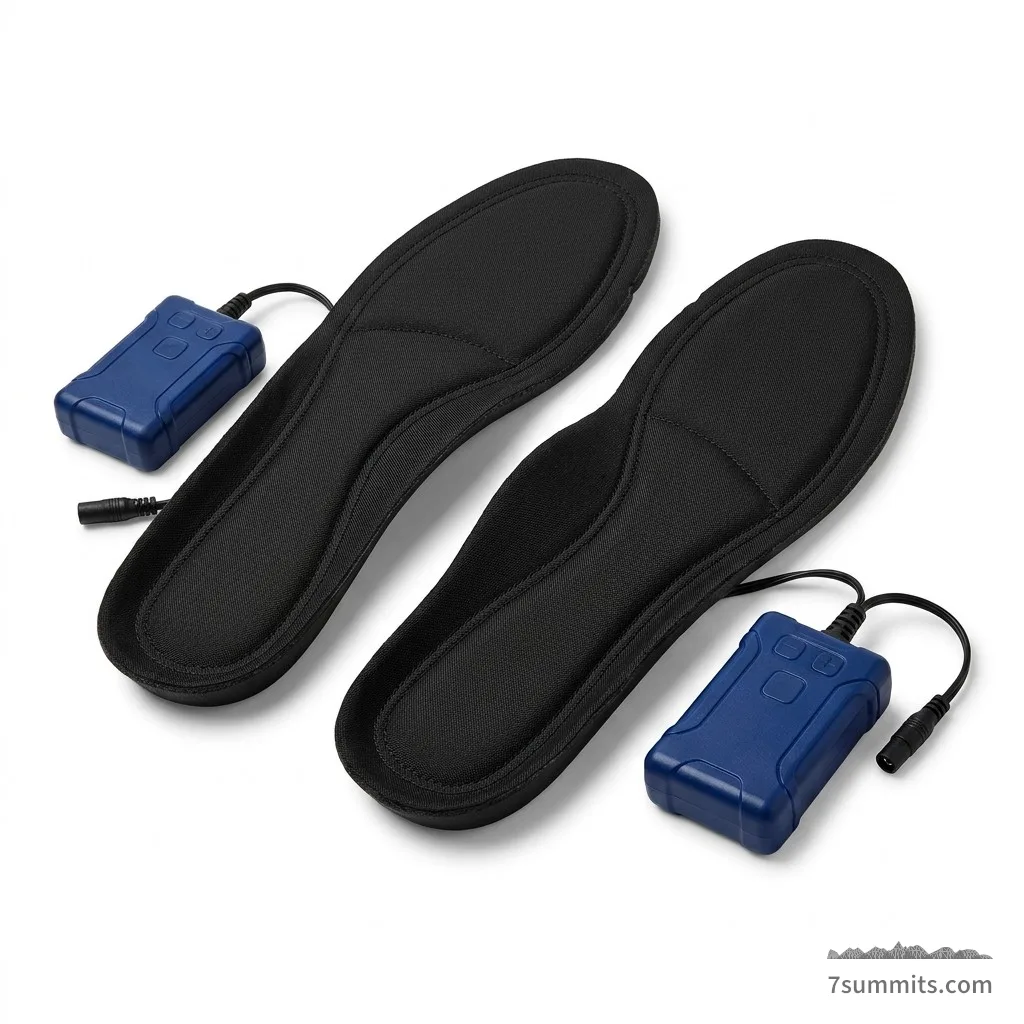 Heated socks, gloves or insoles (battery) | If your hands or feet run cold on summit night; carry the batteries warm |
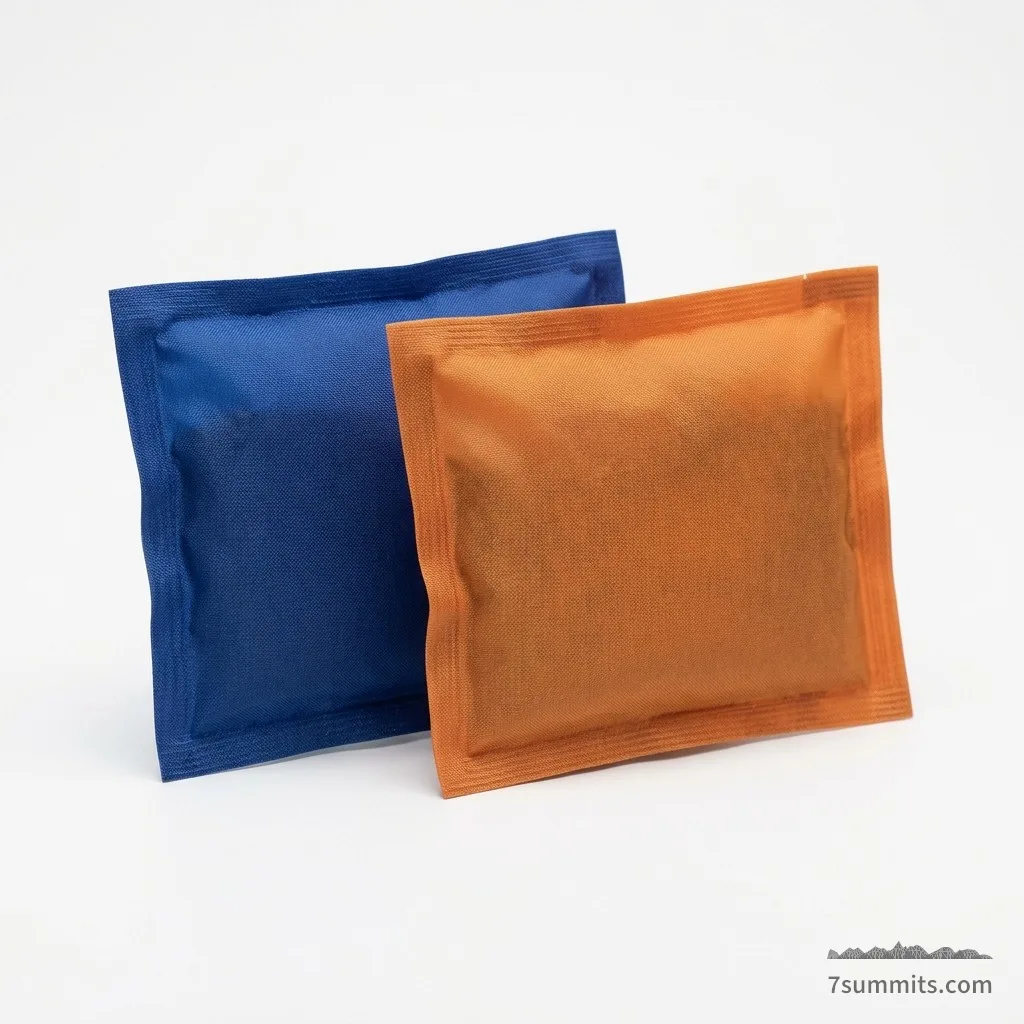 Chemical hand warmers | Chemical warmers for summit night, if your hands or feet run cold |
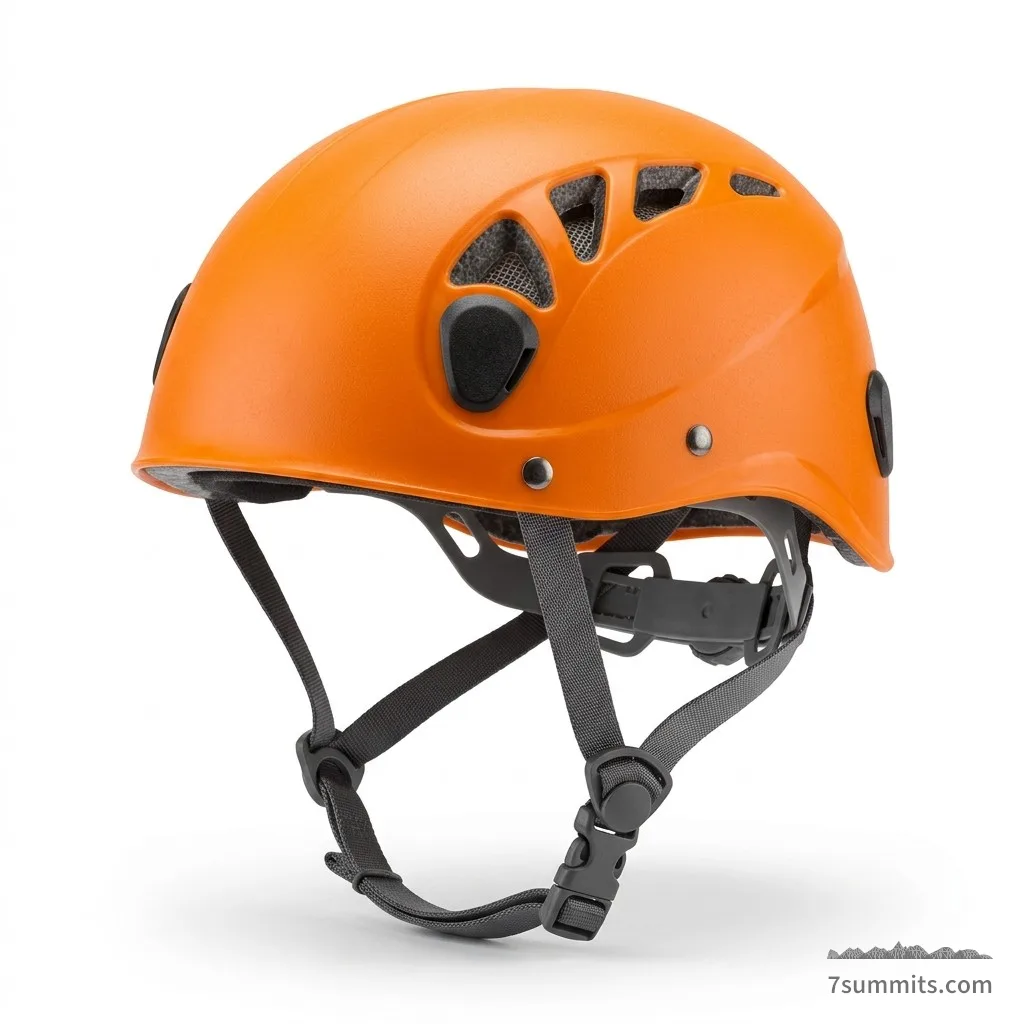 Climbing helmet | Western Breach and Crater Camp routes: ask your operator, rockfall; not needed on the other routes |
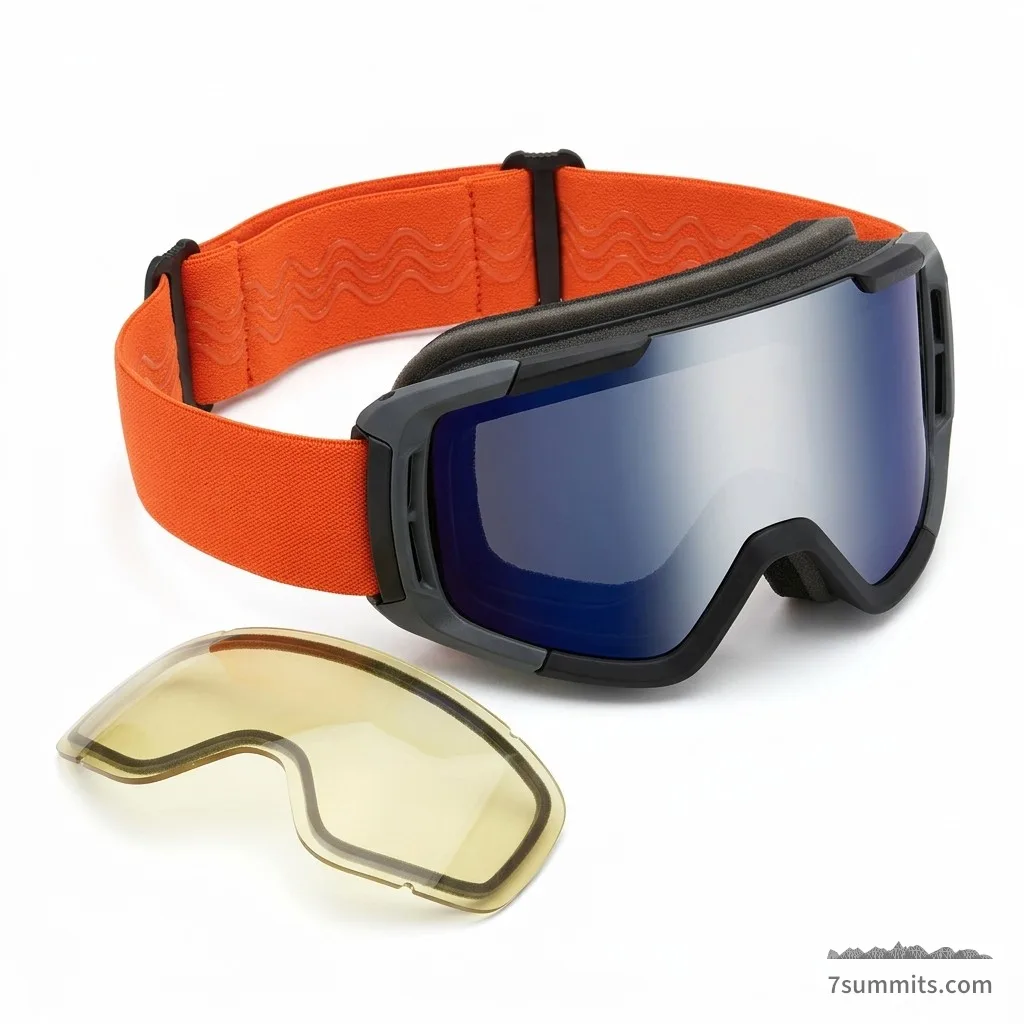 Goggles (with a spare lens) | Ski goggles for high wind on summit night, or blowing dust |
| Gear | |
|---|---|
| Crampons | Microspikes only after heavy snow near the summit: ask before you fly; not needed in most seasons |
| Camp | |
|---|---|
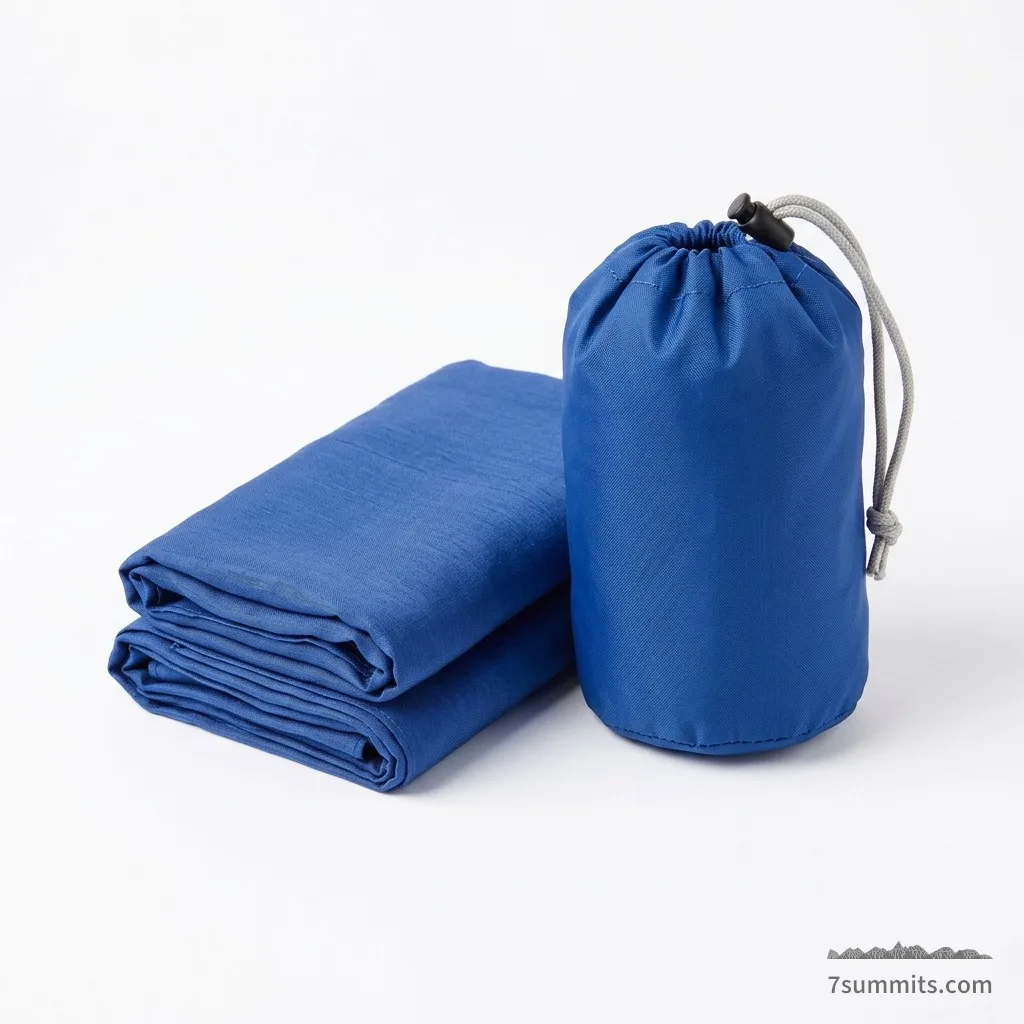 Sleeping-bag liner (thermal or vapour-barrier) | Silk or fleece: keeps the bag clean (a hired one above all) and adds a little warmth |
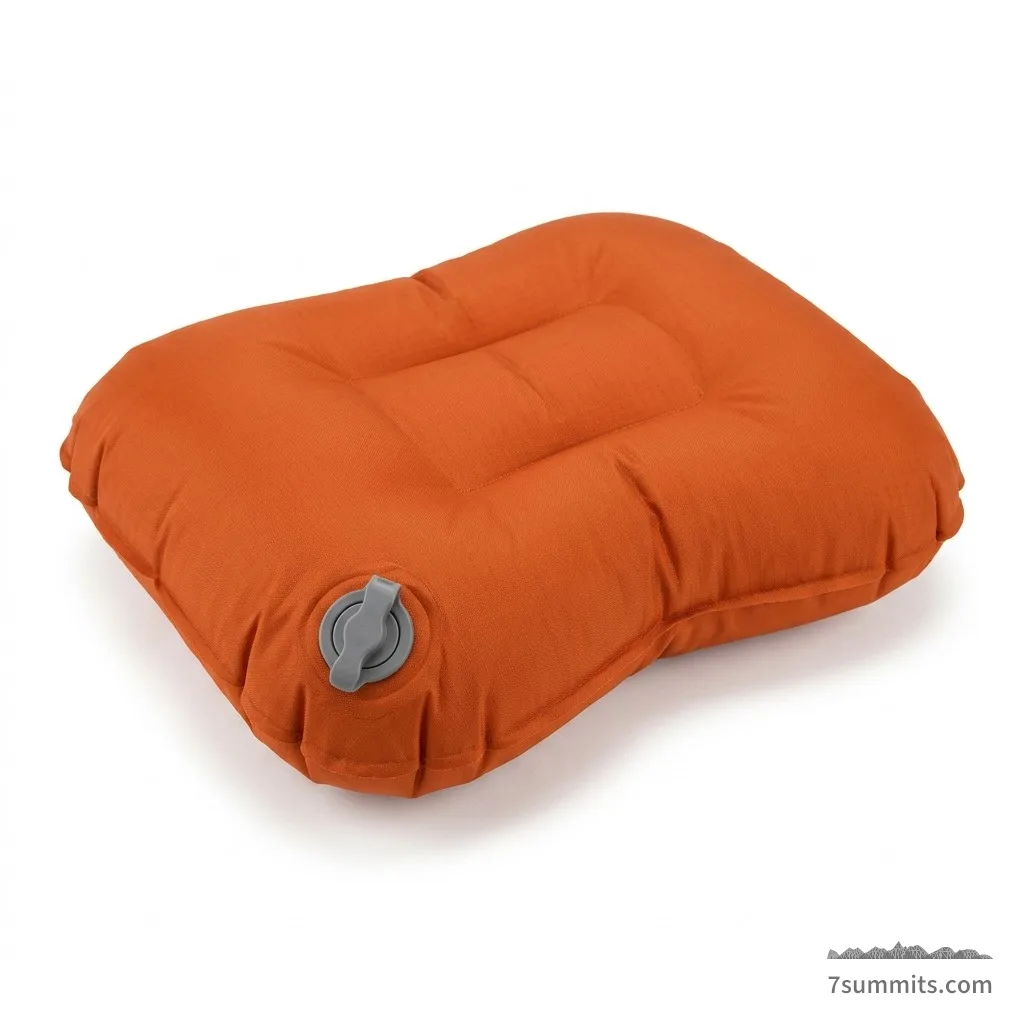 Pillow | Inflatable, or a stuff sack filled with a fleece; some operators provide one |
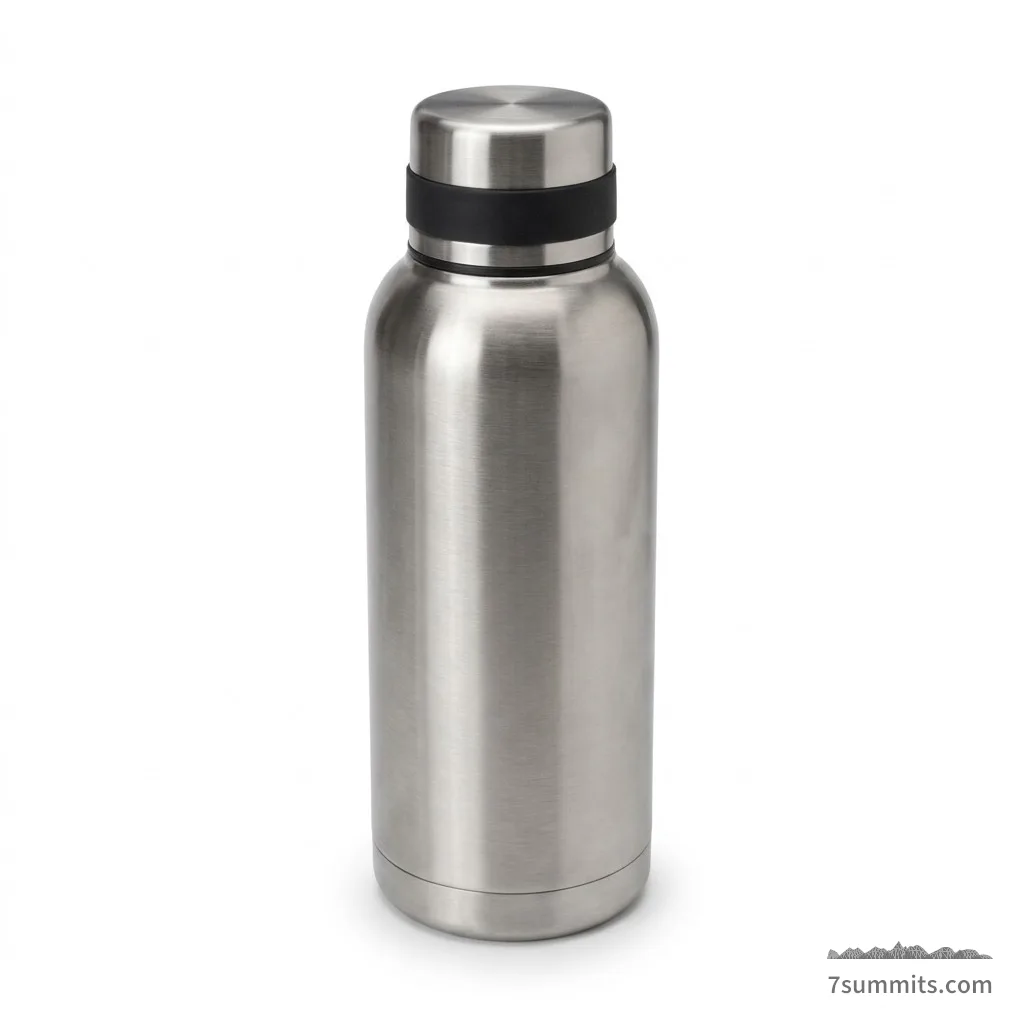 Insulated flask | A 0.5 to 1 L vacuum flask keeps a hot drink for summit night |
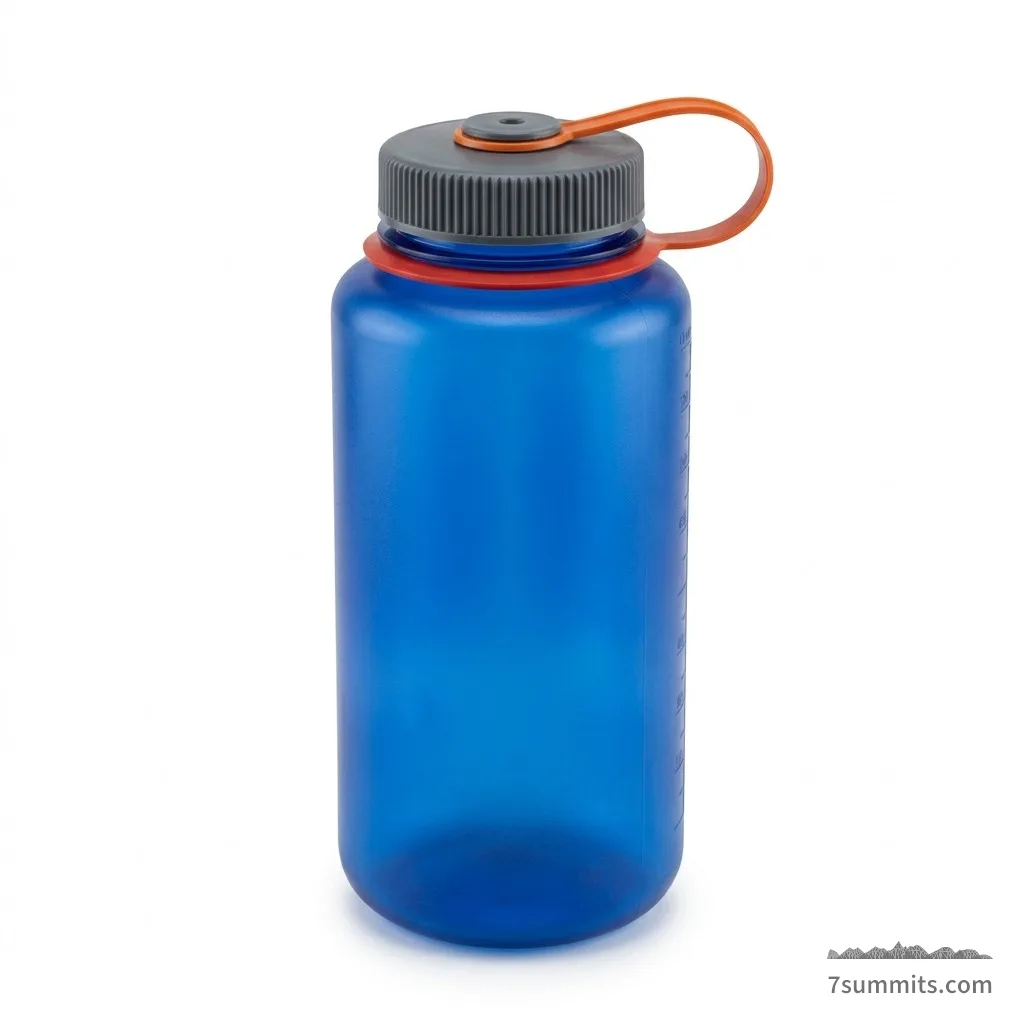 Pee bottle | For cold nights in the tent, clearly marked; a funnel for women. The camps have toilets, many operators a toilet tent |
| Water treatment | Tablets or a small filter as a backup; most operators boil or filter your water, ask how |
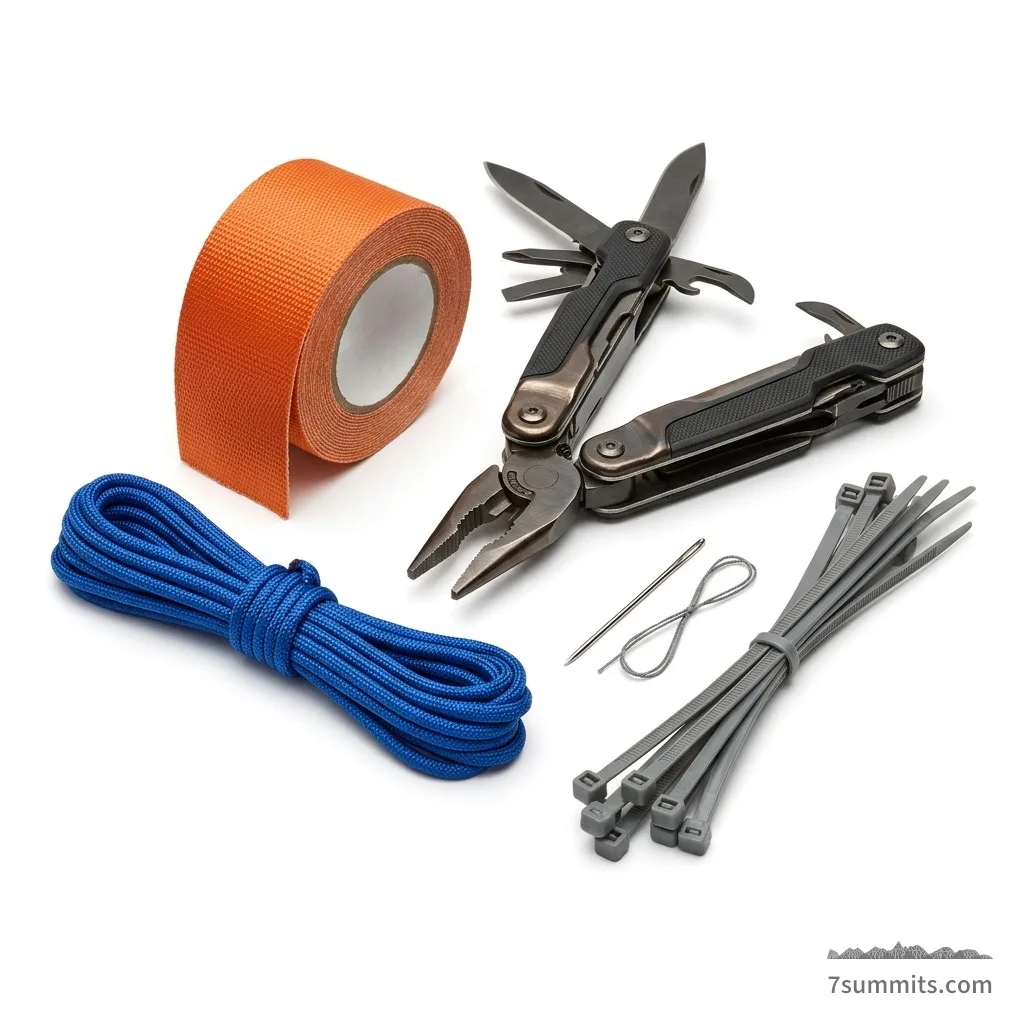 Repair kit and spares | Tape, a needle and thread, a small knife |
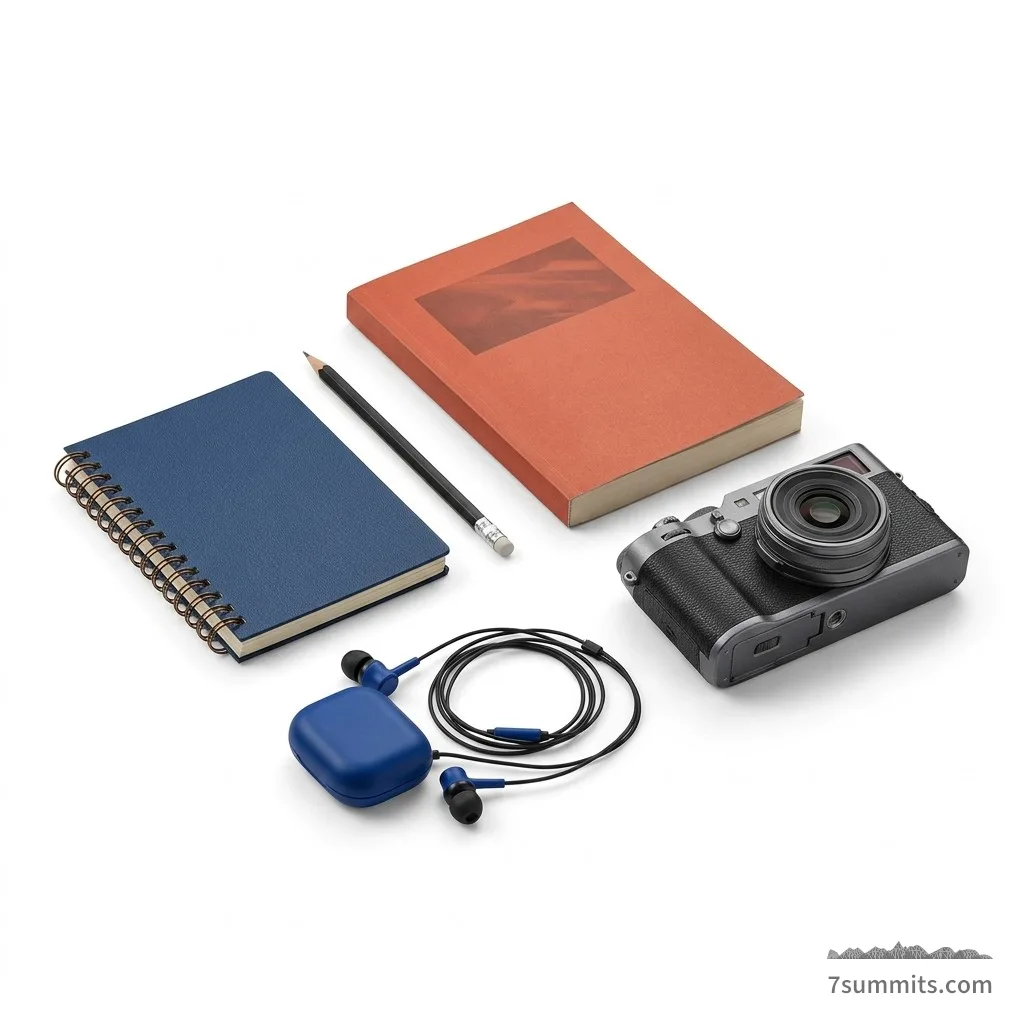 Camera, book, cards, notebook | Camera, binoculars, a book, cards |
| Umbrella or rain poncho | A light umbrella or poncho for the rainforest days and rain in camp |
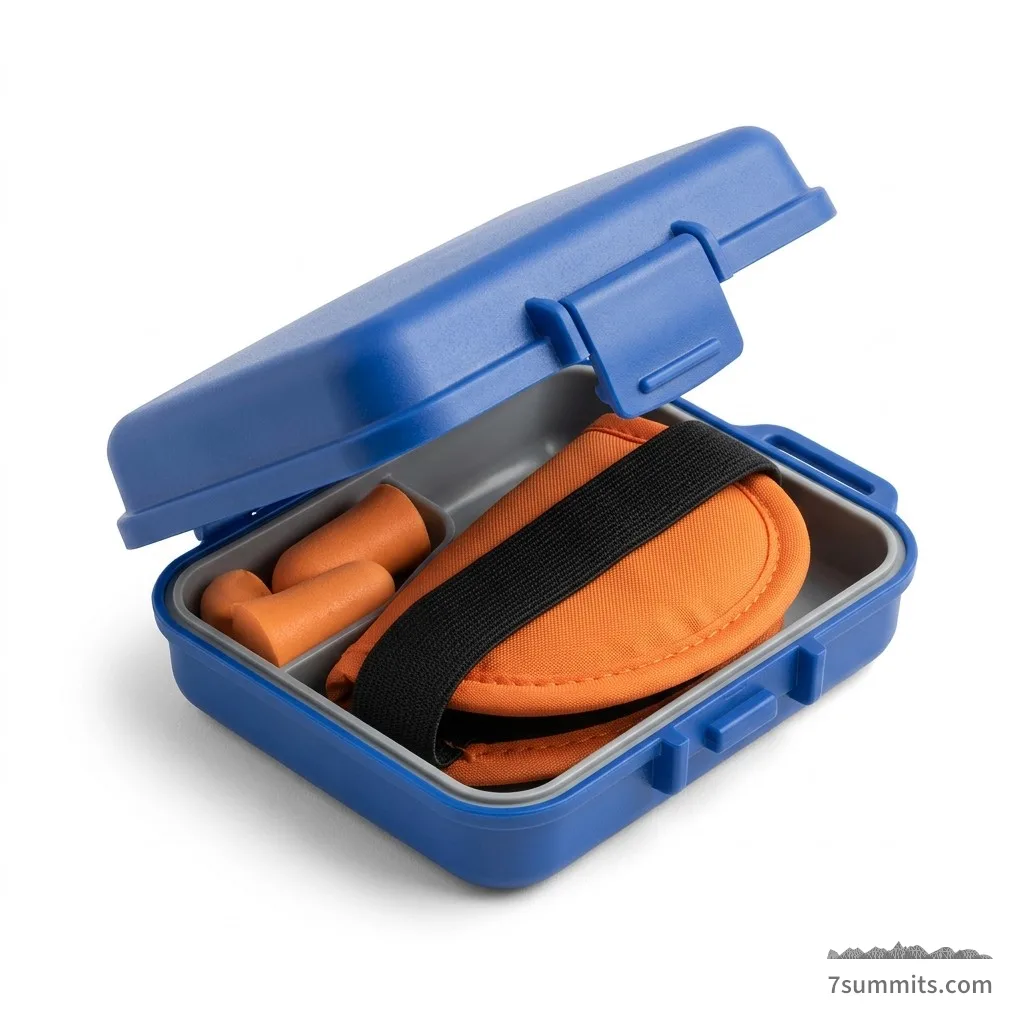 Earplugs and eye mask | For shared tents and the Marangu huts; an eye mask too |
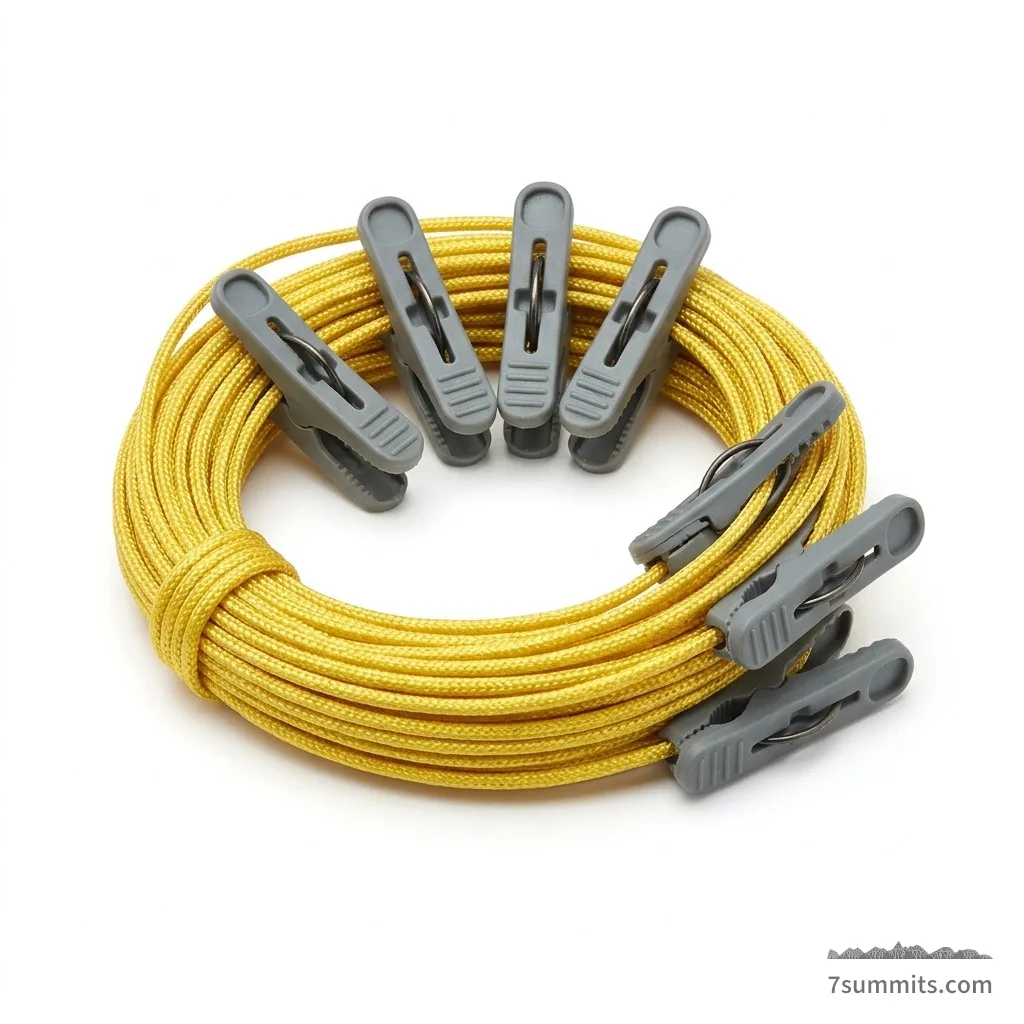 Clothes line and pegs | A short line and pegs to dry socks in camp |
Team equipment
On a guided climb your operator brings these; an independent team brings its own.
| Gear | |
|---|---|
| Two-way radios | Your operator's guides' radios |
| Camp | |
|---|---|
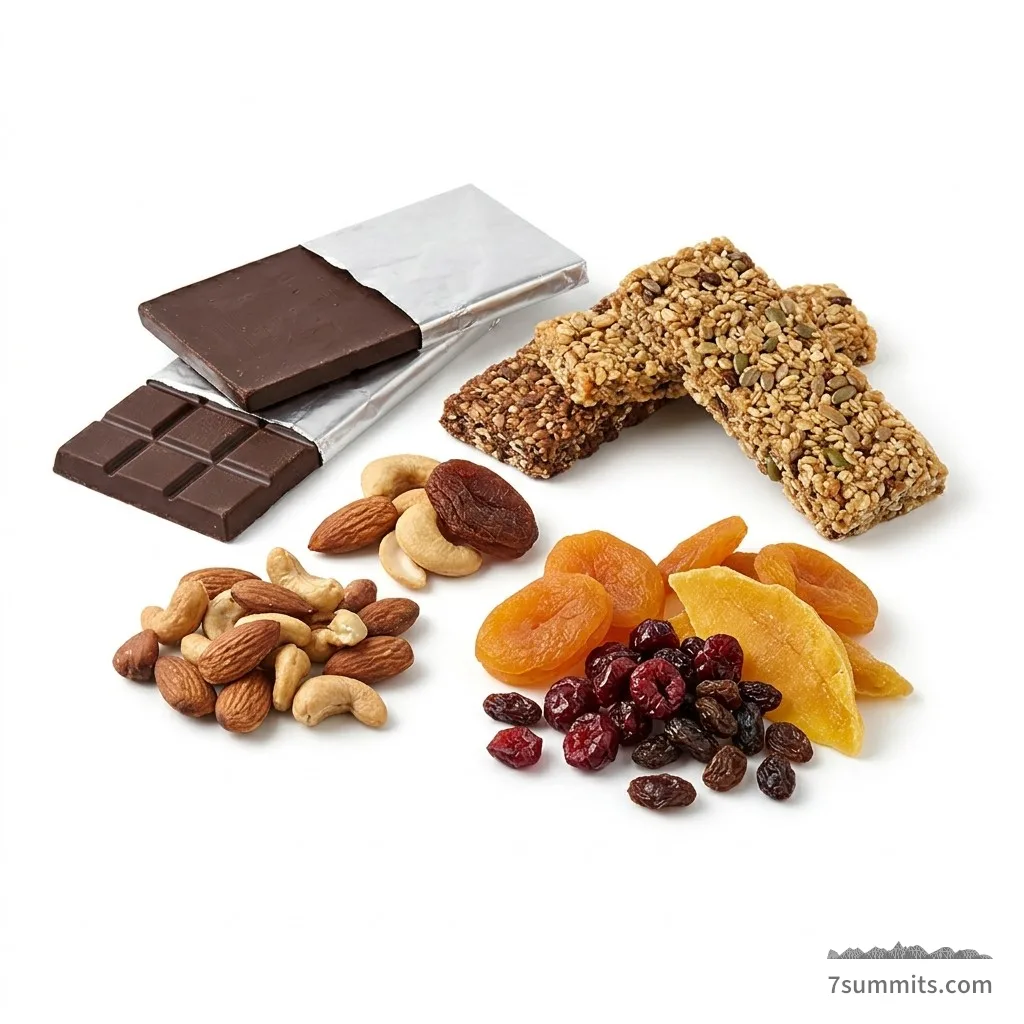 Food and snacks | Meals are the operator's (77 say so): bring the snacks you like for the long days and summit night, and electrolyte powder |
| Stove fuel | Your operator's |
| Pots, cup, bowl and spoon | Your operator's plates, mugs and cutlery; bring your own mug if you like |